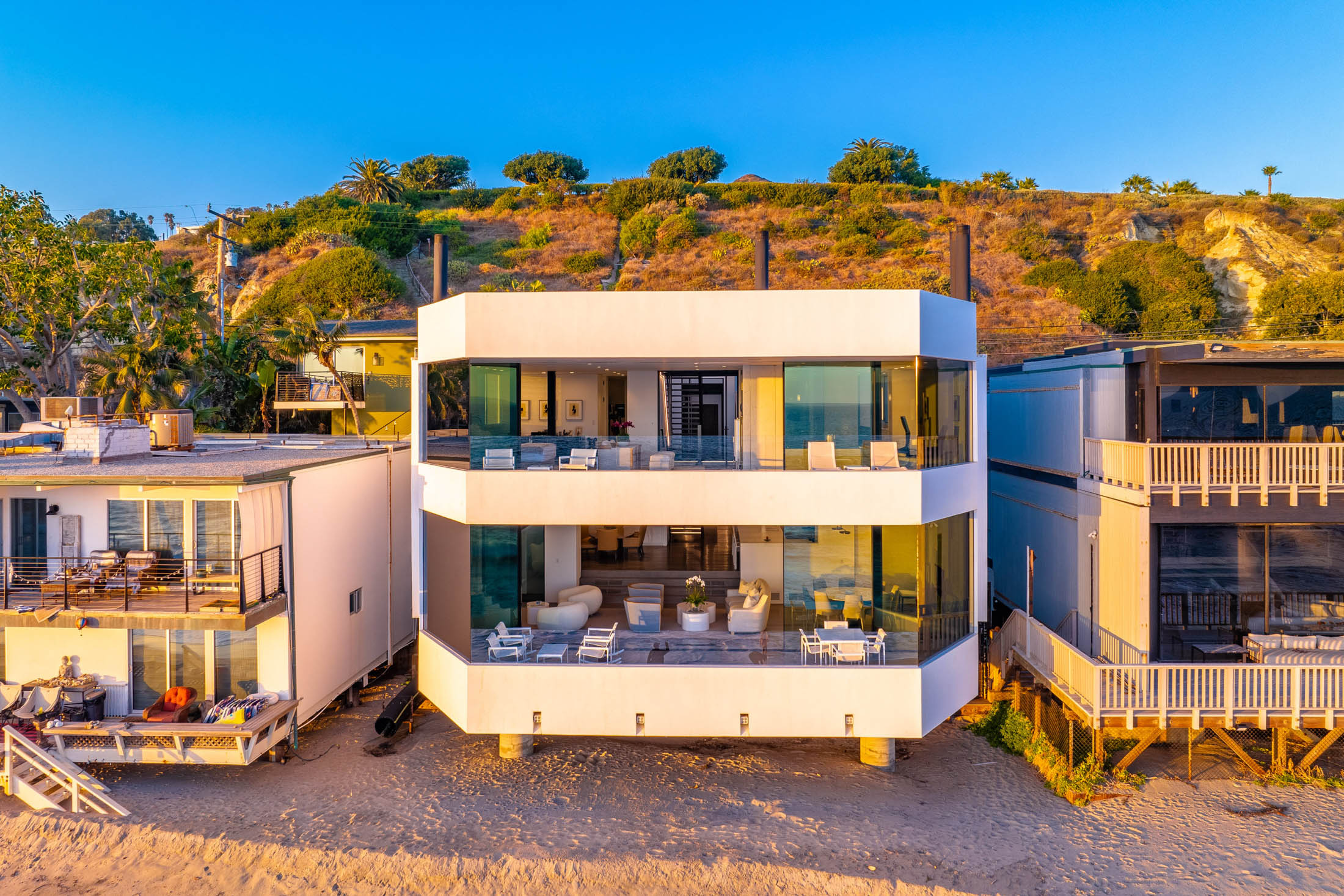
Inside Genevieve Gorder’s Malibu Beach House Design: Coastal Luxury and Global Style
Inside Genevieve Gorder’s Malibu beach house design, you will find a masterful blend of global-urban-organic aesthetics and classic California coastal architecture. The space prioritizes biophilic elements, utilizing natural light, rec...
Inside Genevieve Gorder’s Malibu beach house design, you will find a masterful blend of global-urban-organic aesthetics and classic California coastal architecture. The space prioritizes biophilic elements, utilizing natural light, reclaimed materials, and a sophisticated earth-tone palette to create a sanctuary that feels both grounded and deeply connected to the Pacific landscape.
Contents
As we look at the landscape of interior design in 2026, Genevieve Gorder remains a titan of the industry, known for her ability to infuse "soul" into every square foot. Her work in Malibu represents a departure from the "shabby chic" or "nautical" tropes often associated with beachside living. Instead, she presents a vision of high-end residential design that balances the ruggedness of the coast with the refined elegance of European sensibilities. This deep dive explores the architectural nuances, material choices, and specific design philosophies that define this iconic Malibu residence.
The Aesthetic Philosophy: Global-Urban-Organic in a Coastal Context
Genevieve Gorder has long championed a style she describes as "Global-Urban-Organic." When applied to a Malibu beach house, this philosophy shifts away from the stark whites and neon accents of traditional Southern California modernism. Instead, the focus is on a rich, layered environment that feels collected over time.
In the Malibu project, "Global" translates to the inclusion of hand-carved furniture from Morocco, vintage textiles from West Africa, and mid-century modern lighting from Italy. "Urban" is represented through clean lines, blackened steel accents, and a sense of sophisticated structure. "Organic" is perhaps the most vital component for a beach house, manifesting in the use of raw wood, tadelakt plaster walls, and an abundance of indoor greenery that blurs the line between the interior and the shoreline.
By 2026 standards, this "collected" look is the pinnacle of luxury. It suggests that the homeowner is a world traveler who values craftsmanship over mass-produced trends. Gorder’s ability to weave these disparate elements into a cohesive whole is what makes her Malibu work a benchmark for coastal luxury.
Architectural Integration and Indoor-Outdoor Living
One cannot discuss a Malibu home without addressing the relationship between the structure and the sea. Gorder’s design maximizes the "Big Sur" style of architecture—high ceilings, expansive glass walls, and a layout that encourages natural ventilation.
The Great Room: A Study in Scale
The heart of the house is the great room, which features floor-to-ceiling retractable glass doors. These doors don’t just offer a view; they remove the physical barrier between the living space and the deck. Gorder utilizes oversized furniture to match the scale of the Pacific Ocean. A custom-curated 12-foot sofa in a performance linen fabric provides ample seating without obscuring the horizon.
The Transitional Spaces
The transition from the sandy beach to the high-end interior is handled through a series of "mudrooms" that are anything but utilitarian. Using reclaimed stone flooring that can withstand salt and sand, these spaces are adorned with built-in white oak cabinetry and vintage brass hardware, ensuring that even the most functional parts of the home maintain a high design standard.
The Material Palette: Tactile Luxury
In a coastal environment, materials must be chosen for their durability as much as their beauty. Gorder’s Malibu design avoids the "plastic" feel of many modern beach homes. Instead, she leans into materials that patina gracefully over time.
- European White Oak: Used for flooring and ceiling beams, the wood is finished with a matte oil that allows the natural grain to show.
- Tadelakt Plaster: A traditional Moroccan waterproof plaster used in bathrooms and kitchen backsplashes. Its soft, slightly reflective surface mimics the look of wet stone.
- Blackened Steel: Used for window frames and staircase railings, providing a sharp, "urban" contrast to the softer organic textures.
- Soapstone and Marble: The kitchen features deep charcoal soapstone counters which are naturally heat-resistant and develop a beautiful wear pattern, paired with Calacatta marble for the island.
| Feature | Gorder Malibu Style | Standard Coastal Decor |
|---|---|---|
| Primary Palette | Terracotta, Sage, Charcoal, Bone | Navy Blue, Bright White, Sand |
| Flooring | Wide-plank Oiled Oak | Ceramic Tile or Polished Concrete |
| Wall Treatment | Hand-applied Lime Wash/Plaster | Flat White Paint / Shiplap |
| Hardware | Unlacquered Brass & Bronze | Brushed Nickel or Chrome |
| Furniture Style | Sculptural, Vintage, Global | Rectilinear, Retail-Modern |
The Kitchen: Functional Artistry
In Gorder’s design language, the kitchen is never just a place to cook; it is a "laboratory of light and flavor." For the Malibu house, she moved away from the traditional all-white kitchen. Instead, the cabinetry is a deep, muted forest green—a color that reflects the coastal scrub of the Malibu hills.
The functional layout prioritizes the "Work Triangle" but adds a modern twist with double islands. One island is dedicated to food preparation and features an integrated herb garden, while the second acts as a social hub with bar-height seating. The appliances are integrated into the cabinetry with custom panels, ensuring that the "urban" technology does not clash with the "organic" surroundings.
Lighting plays a critical role here. Eschewing standard recessed cans, Gorder utilizes oversized pendant lights made of woven seagrass and hand-blown glass. These fixtures provide focused light for cooking while adding a sculptural element that changes as the sun moves across the sky.
The Master Suite: A Private Sanctuary
The master bedroom in the Malibu house is designed to be a "decompression chamber." To achieve this, Gorder utilizes a monochromatic palette of creams and soft greys. The walls are treated with a lime wash, providing a velvety texture that absorbs sound and creates a sense of stillness.
The bed is positioned to face the ocean, with a low profile to keep the sightline clear. The ensuite bathroom is a masterpiece of spa-like design, featuring a freestanding volcanic limestone tub and a walk-in shower with "rain" fixtures. The use of zellige tiles—hand-cut clay tiles from Morocco—adds an iridescent quality to the walls, reflecting the morning light off the water.
Sustainability and Local Sourcing in 2026
In 2026, luxury is inextricably linked with sustainability. Gorder’s Malibu project incorporates several eco-conscious features that are now industry standards:
- Solar Integration: Discreet solar shingles that power the home’s smart climate control systems.
- Water Reclamation: A greywater system that treats and recycles water for the home's drought-tolerant landscaping.
- Upcycled Furniture: Many of the "global" pieces are sourced from antique dealers or reclaimed from historic buildings, reducing the carbon footprint associated with new manufacturing.
How to Achieve the Genevieve Gorder Look
For those looking to replicate this high-end Malibu aesthetic, the key is "curated imperfection." Gorder often advises against buying entire furniture sets from a single showroom. Instead, she suggests the following steps:
- Start with the "Bone" Color: Choose a warm, off-white for the walls rather than a sterile gallery white. This creates a softer backdrop for art and furniture.
- Layer Textures: Combine a rough jute rug with a velvet armchair. The contrast between high-sheen and matte surfaces creates visual depth.
- Introduce the "Handmade": Every room should have at least one item that shows the "hand of the maker"—a hand-thrown ceramic vase, a woven basket, or a hand-painted textile.
- Embrace Patina: Don’t be afraid of unlacquered brass that will darken or marble that will etch. These marks tell the story of the home.
Frequently Asked Questions
What is Genevieve Gorder's signature color for coastal homes?
While she varies her palettes, Gorder frequently utilizes "Bone" or "Parchment" as a base, accented by deep, "dirty" neutrals like Sage, Terracotta, and Charcoal. She avoids primary blues, preferring the complexity of teal or slate to represent the ocean.
How does Genevieve Gorder handle lighting in large open-plan beach houses?
She uses a "layered lighting" approach. This includes ambient lighting (large pendants), task lighting (under-cabinet or reading lamps), and accent lighting (uplights for plants or art). She emphasizes that light should come from multiple heights to create a warm, inviting atmosphere at night.
Are the materials in the Malibu house pet and child-friendly?
Yes. By using performance fabrics (which are stain-resistant) and natural stones like soapstone (which can be sanded or oiled to remove scratches), Gorder ensures that a luxury home remains livable for active families.
Where does Genevieve Gorder source her global decor?
Gorder is known for frequenting antique markets in Europe, particularly Paris and Florence, as well as sourcing directly from artisan collectives in Morocco and Mexico. She often highlights these sources in her various design series to encourage ethical and unique sourcing.
Can the "Malibu Look" be achieved on a smaller budget?
The "soul" of the design can be replicated by focusing on vintage finds and natural materials. Instead of expensive marble, one might use butcher block or high-quality quartz. The focus should be on the arrangement and the mix of old and new rather than the price tag of individual items.
Practical Recommendation for Homeowners
If you are embarking on a coastal renovation or design project, start by auditing your "texture profile." Before picking out furniture, select your hard surfaces—flooring, countertops, and wall finishes. Ensure there is a balance between hard (stone, metal) and soft (wood, plaster). By establishing a strong organic foundation, you can then layer in the "global" and "urban" elements that define Genevieve Gorder's world-class Malibu aesthetic.
Image Gallery