Navigating Auto Insurance in Sinking Spring Pennsylvania: 2026 Buyer's Guide
Securing the right auto insurance in Sinking Spring, Pennsylvania, requires balancing the state’s mandatory minimum coverage with additional protections suited for the high-traffic Route 422 corridor. In 2026, residents should prioriti...
Securing the right auto insurance in Sinking Spring, Pennsylvania, requires balancing the state’s mandatory minimum coverage with additional protections suited for the high-traffic Route 422 corridor. In 2026, residents should prioritize a "Full Tort" option and liability limits of at least $100,000/$300,000 to ensure comprehensive financial protection against rising repair costs and medical expenses.
Contents
The insurance landscape in Berks County has evolved significantly over the last few years. While Sinking Spring remains a suburban hub with a blend of residential charm and commercial activity, the density of traffic and regional weather patterns necessitate a nuanced approach to vehicle protection. Whether you are commuting into Reading or navigating the local intersections near Penn Avenue, understanding the specific legal requirements and local risk factors is essential for any policyholder.
Pennsylvania Mandatory Auto Insurance Requirements
Pennsylvania operates under a unique set of insurance laws that differ from neighboring states like Maryland or New Jersey. To legally operate a motor vehicle in Sinking Spring, you must meet the Commonwealth’s Financial Responsibility requirements. As of 2026, these mandates remain the baseline for any policy.
Medical Benefits (PIP)
Pennsylvania is a "no-fault" state regarding medical expenses. This means your own insurance company pays for your medical bills regardless of who caused the accident. The state-mandated minimum for Medical Benefits (First Party Benefits) is $5,000. Given the cost of emergency services and healthcare in the Berks County region, many local agents recommend increasing this limit to at least $10,000 or $25,000 to avoid out-of-pocket expenses following a collision.
Liability Coverage
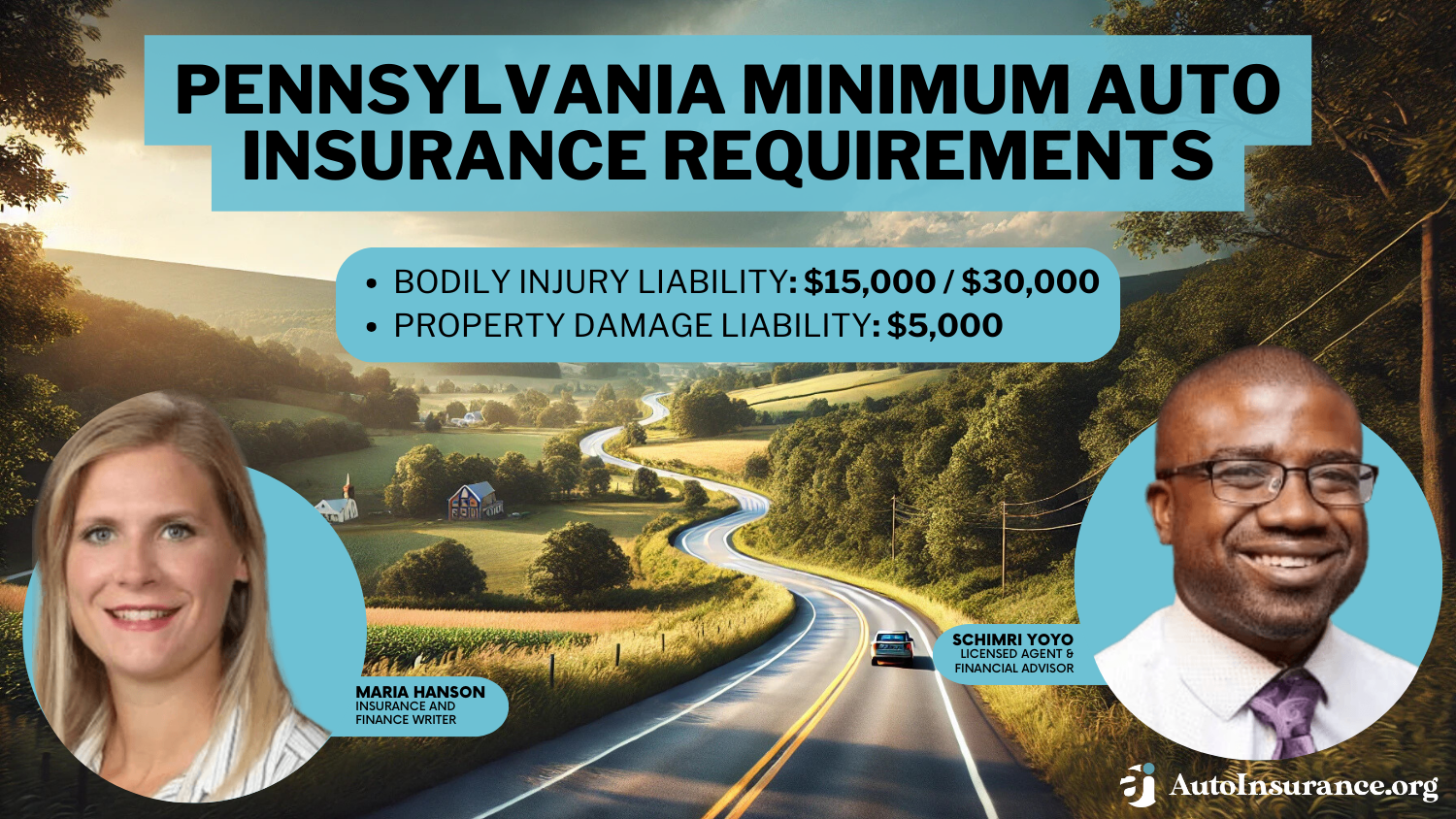
Liability insurance covers injuries or property damage you cause to others. The Pennsylvania minimums are often referred to as 15/30/5:
- $15,000 for bodily injury to one person: This is the maximum your policy will pay for one individual’s injuries in an accident you cause.
- $30,000 for total bodily injury per accident: This is the total cap for all people injured in a single incident.
- $5,000 for property damage: This covers damage to another person's vehicle or property (like a fence or storefront).
In the current economic climate of 2026, $5,000 in property damage is rarely sufficient. With the average cost of a new vehicle exceeding $50,000, hitting even a moderately priced sedan could leave a Sinking Spring driver personally liable for tens of thousands of dollars in damages beyond their policy limits.
The Choice Between Limited Tort and Full Tort
Perhaps the most critical decision for a Sinking Spring resident is the selection of "Tort" status. This choice directly impacts your right to seek financial compensation for "pain and suffering" after an accident.
Limited Tort
Choosing Limited Tort allows you to reduce your monthly premium. However, it restricts your ability to sue for non-monetary damages (like pain and suffering) unless your injuries meet a specific "serious injury" threshold as defined by law. While this saves money upfront, many drivers find the trade-off risky, as the legal definition of a "serious injury" can be difficult to meet in court.
Full Tort
Full Tort carries a higher premium but preserves your unrestricted right to seek compensation for all injuries caused by another driver. For families frequently traveling through high-risk areas in Berks County, Full Tort provides a layer of legal protection that Limited Tort lacks. In a 2026 legal environment where medical litigation is complex, having Full Tort status simplifies the path to a fair settlement.
Detailed information on these choices can be found through the Pennsylvania Insurance Department, which provides updated consumer guides on tort options.
Factors Influencing Rates in the 19608 Zip Code
Insurance premiums are not universal; they are hyper-local. In Sinking Spring, specifically the 19608 and 19609 zip codes, several factors influence the quotes you receive from carriers like State Farm, Erie Insurance, or Progressive.
Traffic Density and Route 422
Sinking Spring serves as a major artery for commuters. The heavy volume of traffic on Route 422 increases the statistical likelihood of "fender benders" and multi-vehicle accidents. Carriers analyze local accident data; areas with higher congestion typically see higher base rates for collision and liability coverage.
Weather and Environmental Risks
Eastern Pennsylvania is prone to severe winter weather and occasional flooding. In 2026, climate-related claims remain a factor in rate setting. Sinking Spring residents often face icy conditions on back roads and hilly terrain, which leads to a higher frequency of single-vehicle accidents involving snowbanks or guardrails. Comprehensive coverage is highly recommended in this region to protect against falling limbs or hail damage during summer storms.
Local Crime and Theft Rates
Compared to the urban center of Reading, Sinking Spring enjoys relatively low vehicle theft and vandalism rates. This "suburban discount" often helps keep comprehensive premiums lower than in more densely populated cities nearby. However, proximity to major shopping centers can lead to higher rates of minor parking lot claims, which carriers factor into their risk assessments.
Comparison of Coverage Levels in Sinking Spring
Choosing the right amount of coverage depends on your vehicle's value, your assets, and your risk tolerance. The following table illustrates the typical coverage structures available to Sinking Spring drivers in 2026.
| Coverage Type | State Minimum (Economy) | Recommended (Standard) | High-Asset Protection |
|---|---|---|---|
| Bodily Injury Liability | $15,000 / $30,000 | $100,000 / $300,000 | $250,000 / $500,000 |
| Property Damage | $5,000 | $100,000 | $100,000+ |
| Medical Benefits (PIP) | $5,000 | $10,000 | $50,000+ |
| Tort Option | Limited Tort | Full Tort | Full Tort |
| Uninsured Motorist | Not Required | $100,000 / $300,000 | $250,000 / $500,000 |
| Comprehensive/Collision | Optional | $500 Deductible | $250 Deductible |
Uninsured and Underinsured Motorist Protection
In Pennsylvania, Uninsured Motorist (UM) and Underinsured Motorist (UIM) coverage is optional but highly recommended. UM protection covers you if you are hit by a driver who has no insurance at all. UIM protection applies when the at-fault driver has insurance, but their limits are too low to cover your total medical bills.
Given that a significant percentage of drivers in Pennsylvania continue to operate vehicles with only the minimum 15/30/5 coverage, UIM is a vital safety net. If you are seriously injured by a driver with minimum limits, their $15,000 maximum payout will likely be exhausted by a single day in a regional trauma center. Having your own UIM coverage ensures that your own policy makes up the difference.
Maximizing Discounts for Sinking Spring Residents
While premiums in 2026 have been influenced by inflation and vehicle technology costs, there are several ways for Sinking Spring residents to lower their annual costs without sacrificing coverage quality.
- Telematics Programs: Most major carriers now offer "usage-based" insurance. By using a smartphone app or a plug-in device to monitor your braking, speed, and mileage, you can earn discounts of up to 30%. This is particularly beneficial for retirees in Sinking Spring or those who work from home and have low annual mileage.
- Multi-Policy Bundling: Combining your auto insurance with a homeowners or renters policy remains the most effective way to secure a discount. Local agencies in the Berks County area often prioritize bundled clients for better service and pricing.
- Advanced Safety Features: In 2026, many vehicles come standard with autonomous emergency braking and lane-keep assist. Ensure your insurer has the correct VIN details, as these safety features often trigger automatic discounts.
- Professional and Academic Affiliations: Members of certain professional groups, alumni associations, or even local employers in the Sinking Spring area may qualify for group rate discounts.
The Role of Local Insurance Agents
While many consumers prefer the convenience of online quotes, Sinking Spring benefits from several local independent insurance agencies. These professionals have a deep understanding of the Berks County market and can often find niche carriers that do not advertise nationally.
A local agent can provide personalized advice on "stacking" coverage. In Pennsylvania, if you have multiple vehicles on a policy, you can "stack" your UM and UIM limits. For example, if you have two cars with $100,000 in UIM coverage and you choose to stack, you effectively have $200,000 in protection. A local expert can explain if this is a cost-effective move for your specific household.
For driver licensing and vehicle registration information pertinent to these policies, residents can visit the PennDOT Driver & Vehicle Services website.
Frequently Asked Questions
What happens if I drive without insurance in Sinking Spring?
The penalties for driving without insurance in Pennsylvania are severe. You may face a mandatory three-month suspension of your vehicle registration and driver's license. Additionally, you will be required to pay substantial restoration fees and may have your vehicle impounded. Most importantly, you lose the "No-Fault" medical protection, meaning you are personally responsible for all your medical bills if you are injured.
Does my credit score affect my insurance rates in Sinking Spring?
Yes. In Pennsylvania, insurers are permitted to use credit-based insurance scores to help determine premiums. Statistics show a correlation between credit history and insurance risk. Residents with higher credit scores generally enjoy lower premiums. If you have improved your credit score recently, it is worth asking your agent to re-run your quote to see if you qualify for a lower tier.
Is Gap insurance necessary for new cars bought in Sinking Spring?
If you are financing or leasing a new vehicle from a dealership in the Berks County area, Gap insurance is highly recommended. Because vehicles depreciate rapidly, you may owe more on your loan than the car's actual cash value (ACV). If the car is totaled, standard collision coverage only pays the ACV. Gap insurance covers the "gap" between that payout and your remaining loan balance.
Does Sinking Spring have different rates than Reading?
Generally, yes. Insurance companies use territorial ratings based on claims frequency in specific zip codes. While Sinking Spring (19608) is close to Reading (19601, 19602), the suburban nature of Sinking Spring usually results in lower risk profiles and more competitive rates than the dense urban center of Reading.
How do I file an insurance claim after an accident on Route 422?
Safety is the priority. First, move your vehicle to a safe location if possible and contact the local police (Sinking Spring Borough or Township police). Take photos of the damage and exchange insurance information with all parties. Once safe, contact your insurer's claims department or your local agent. In 2026, most carriers allow you to start a claim and upload photos via a mobile app for faster processing.
Practical Recommendation for Sinking Spring Drivers
For most residents of Sinking Spring, the best balance of value and protection is found in a policy that includes Full Tort, at least $100,000/$300,000 Liability, and Stacked Underinsured Motorist coverage. Given the high cost of vehicle repairs and medical care in 2026, the state minimums are insufficient to protect your personal assets. Before renewing your policy, obtain at least three quotes from a mix of national direct carriers and local independent agents to ensure your rate remains competitive for the 19608 area.
Image Gallery