The Digital Mass in Modern Finance: Understanding Liquidity and Asset Aggregation
The digital mass in modern finance refers to the concentrated aggregation of virtual assets, algorithmic trading data, and electronic ledger entries that constitute the foundational weight of the contemporary global economy. This pheno...
The digital mass in modern finance refers to the concentrated aggregation of virtual assets, algorithmic trading data, and electronic ledger entries that constitute the foundational weight of the contemporary global economy. This phenomenon represents the shift from tangible, physical capital—such as gold reserves or paper currency—to high-velocity, interconnected digital packets that dictate market valuation, liquidity, and systemic risk in 2026.
Contents
The Evolution of Financial Density
Historically, the strength of a financial system was anchored to physical reserves held in centralized vaults. Today, that mass has migrated to distributed cloud environments, decentralized ledgers, and automated clearing houses. This "digital mass" is not merely a metaphor; it describes the sheer volume of data-encoded value that moves through the global banking infrastructure. When an asset becomes digitized, it gains the ability to be subdivided, leveraged, and transferred at near-instantaneous speeds, fundamentally altering the way financial institutions calculate risk and exposure.
The primary components of this modern digital mass include:
- CBDCs (Central Bank Digital Currencies): Sovereign-backed electronic currencies that provide a baseline for digital liquidity.
- Tokenized Real-World Assets (RWAs): Securities, real estate, and commodities represented by tokens on blockchain networks, increasing the density of tradeable instruments.
- Algorithmic Trading Positions: High-frequency data sets that exert gravitational influence on market price stability and volatility.
- Synthetic Financial Instruments: Complex derivatives that exist only as digital code, contributing significantly to the total volume of market-based digital weight.
Mechanics of Digital Liquidity
In a traditional sense, liquidity was restricted by the speed of physical settlement. In the modern era, the digital mass allows for "instant liquidity," where the delay between the initiation of a transaction and the final settlement is reduced to milliseconds. This transition relies heavily on the maturity of ISO 20022 standards and the integration of interoperable messaging systems that ensure digital assets maintain their value and intent across different jurisdictions.
To manage this digital density, financial entities must adhere to rigorous technical and compliance requirements:
- High-Availability Infrastructure: Financial systems must support 99.999% uptime to prevent "digital stalls," where liquidity freezes due to server or network failure.
- Cryptographic Security Protocols: As the value shifts to digital formats, the protection of private keys and encryption standards becomes the functional equivalent of securing a bank vault.
- Cross-Chain Interoperability: Enabling the movement of assets between disparate ledger systems is essential for preventing the fragmentation of the digital mass into isolated, unusable silos.
Comparing Traditional and Digital Financial Structures
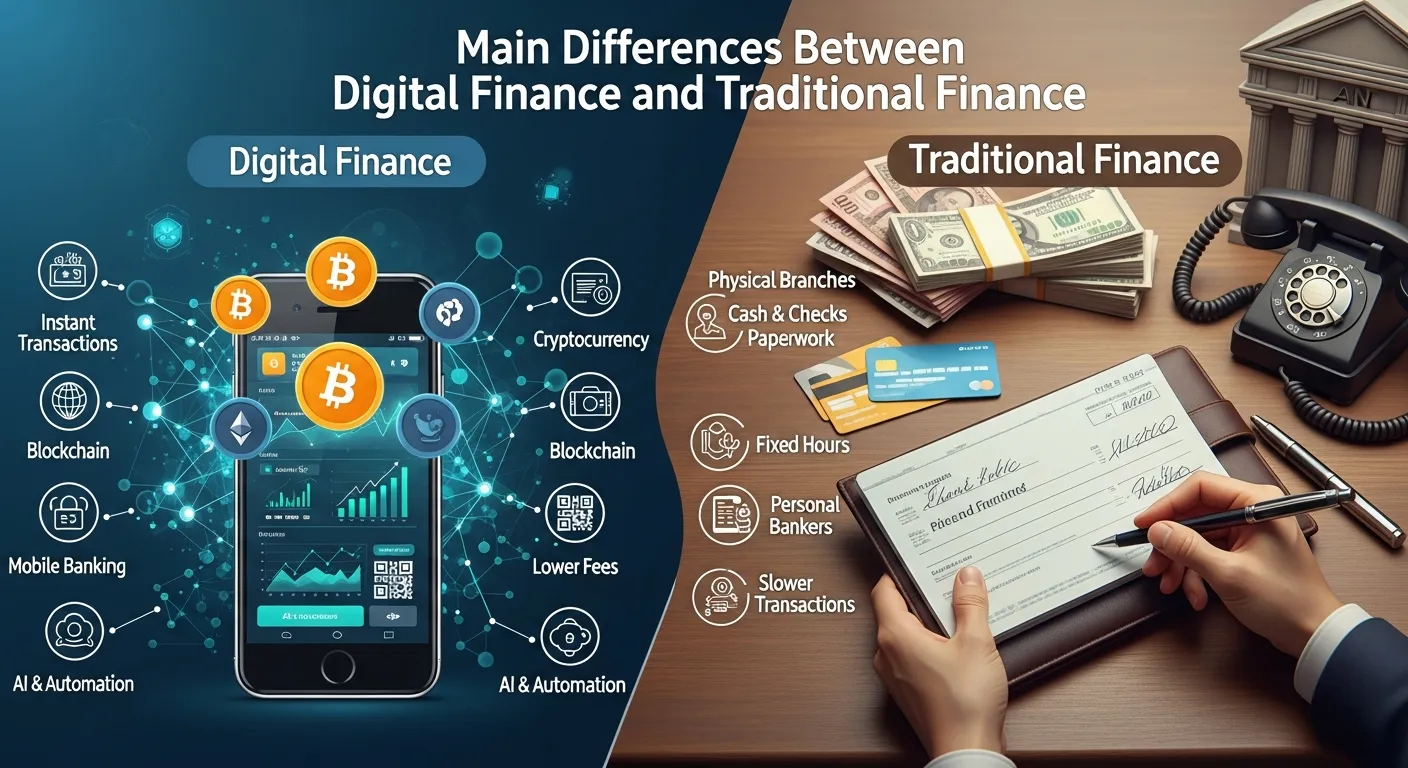
| Feature | Physical/Traditional Finance | Modern Digital Finance |
|---|---|---|
| Primary Unit | Fiat currency/Bullion | Ledger entries/Tokens |
| Settlement Time | T+2 or T+3 business days | Instantaneous to T+0 |
| Security Mechanism | Physical vaults/Armed transport | Cryptographic protocols/Multi-sig |
| Accessibility | Banking hours/Branch access | 24/7 global network access |
| Systemic Risk | Physical asset depletion | Cyber-breaches/Protocol failure |
Risks and Systemic Implications
The concentration of digital mass creates unique risks. Because digital assets are interconnected, a failure in a single node or a critical bug in a smart contract can cause a ripple effect, known as "digital contagion." Unlike a localized bank run in the past, a loss of confidence in a digital asset class can trigger an instantaneous, global sell-off because the digital mass is always "online."
Moreover, the digital mass is prone to "flash" volatility. Since institutional trading algorithms respond to market data with programmed precision, a sudden shift in the digital mass—driven by automated buy or sell signals—can overwhelm liquidity providers, leading to price gaps that did not exist in manual, floor-based trading environments. Managing this requires sophisticated risk management software capable of simulating market conditions in real-time.
Navigating Regulatory Frameworks
By 2026, regulators have implemented stringent frameworks to govern the movement of this digital mass. Organizations must navigate the following compliance areas:
- AML/KYC Automation: Digital identity verification is now mandatory for every digital wallet interaction, requiring sophisticated AI to detect money laundering patterns in real-time.
- Capital Adequacy Standards: Regulatory bodies, such as the Basel Committee, have adjusted requirements to ensure that institutions holding significant digital mass maintain sufficient reserves to cover potential volatility in synthetic and tokenized assets.
- Data Sovereignty Laws: Financial entities must ensure that their digital ledger records comply with local privacy laws, even when the digital assets themselves are stored on decentralized global networks.
Frequently Asked Questions
How does the digital mass affect small-to-medium enterprises (SMEs)? For SMEs, the digital mass facilitates access to global liquidity pools that were previously reserved for large corporations. By utilizing tokenization, an SME can fractionalize its assets to raise capital from a broader base of investors, though this requires higher compliance standards regarding data security.
Is the digital mass the same as cryptocurrency? No. While cryptocurrencies are a part of the digital mass, the term encompasses the entire spectrum of digitized financial assets, including government-backed digital currencies, digitized bonds, and electronic derivatives. Cryptocurrency is a subset, whereas digital mass is the total systemic weight of all electronic financial activity.
What is the role of blockchain in managing digital mass? Blockchain serves as the immutable ledger for digital mass. It provides the transparency required to verify ownership and the history of transactions without needing a centralized third-party intermediary for every movement of capital.
Can the digital mass be lost? Yes. Unlike physical assets, digital mass is vulnerable to "digital loss" through the corruption of private keys, software bugs in code, or cyber-attacks. Because there is often no central authority to reverse these transactions, the loss of access to the cryptographic keys equates to the absolute destruction of the digital asset.
Next Steps for Financial Stakeholders
To effectively manage or participate in this environment, stakeholders should first conduct a comprehensive audit of their digital asset exposure. Ensure that your firm’s digital infrastructure is compliant with the latest cybersecurity standards, such as Zero Trust architecture, and verify that all custodial arrangements for digital holdings are decentralized or held by regulated third-party custodians. As 2026 market conditions continue to favor high-velocity, digital-first operations, prioritizing the security and interoperability of your firm's digital assets remains the most effective strategy for maintaining long-term financial health.
Image Gallery