The Ultimate Guide to Hairstyles Short in Front and Long in Back: History, Modern Variations, and Maintenance
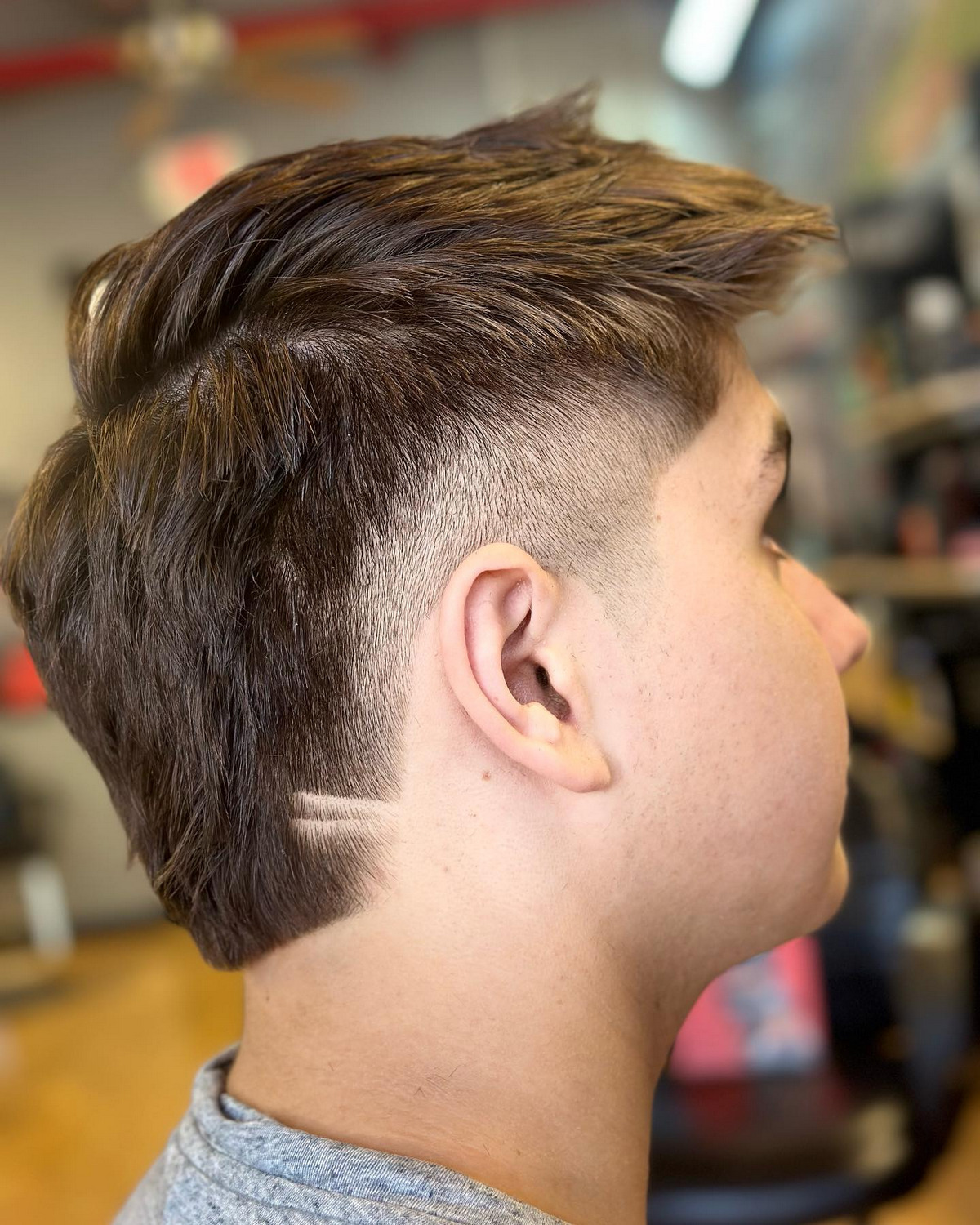
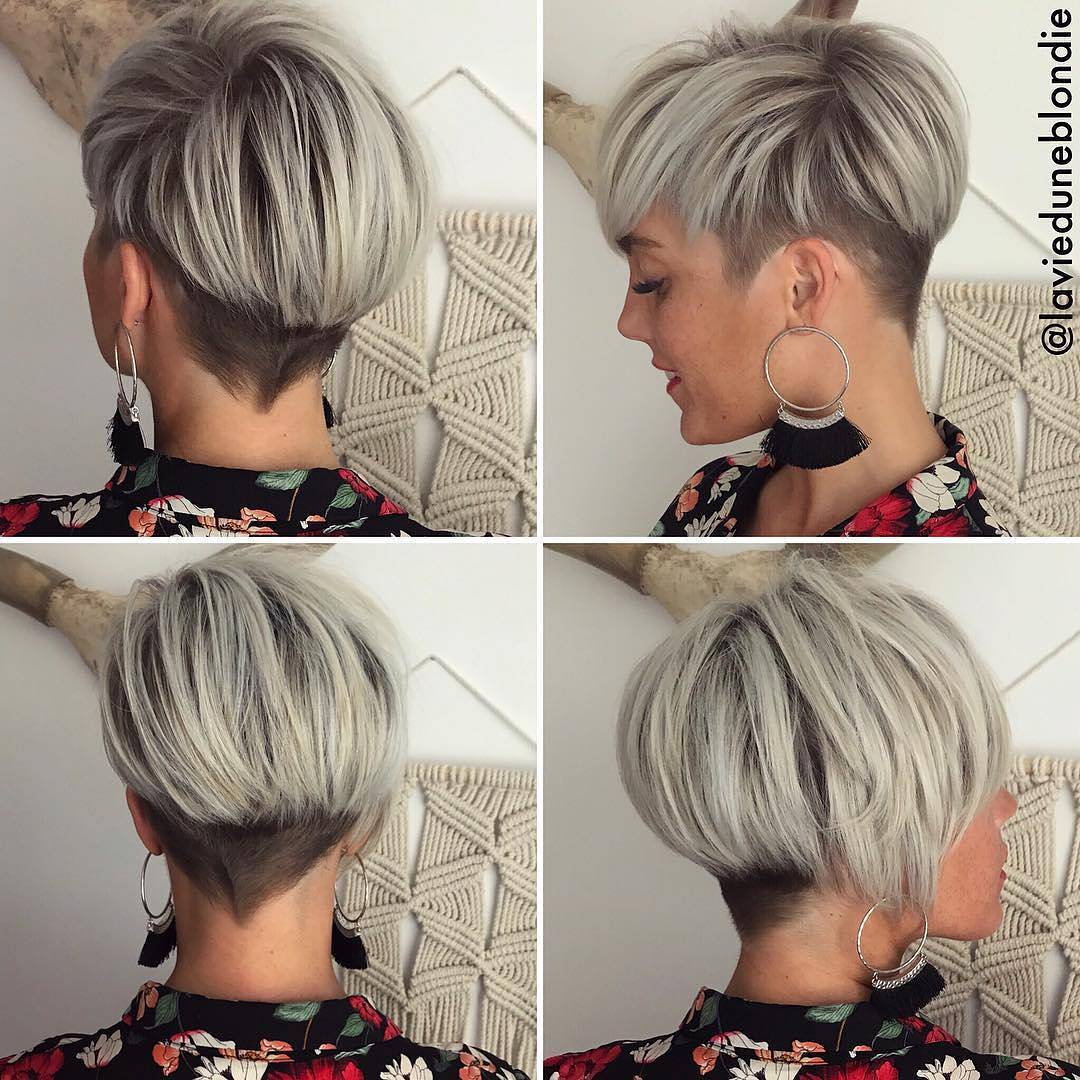
Hairstyles featuring hair short in front and long in back balance structured framing with dynamic, elongated movement. Historically recognized as the classic mullet, modern iterations span a wide spectrum from edgy shags to sophisticat...
Hairstyles featuring hair short in front and long in back balance structured framing with dynamic, elongated movement. Historically recognized as the classic mullet, modern iterations span a wide spectrum from edgy shags to sophisticated asymmetrical bobs and contemporary 2026 runway adaptations.
Contents
Understanding the Anatomy of Short-Front, Long-Back Haircuts
Haircuts featuring a shorter front and longer back rely on deliberate graduation, weight distribution, and layering techniques. By keeping the hair near the face cropped, textured, or chin-length while letting the nape area extend downward, stylists create an illusion of length and striking facial framing.
The primary mechanic behind this silhouette is weight removal. Traditional blunt cuts distribute equal weight all around the head, which can sometimes weigh down fine textures or hide strong jawlines. Conversely, cutting the front shorter removes visual bulk from the cheeks and cheekbones, opening up the face. Meanwhile, leaving length in the back preserves overall hair mass, giving a sense of continuity and fluid motion when the head turns.
Stylists achieve this shape using specific cutting angles:
- Elevated Cutting: Pulling sections away from the scalp at specific degrees to build internal layers.
- Point Cutting: Texturizing the ends to prevent harsh lines where the short sections meet the long sections.
- Slide Cutting: Blending the transition zone around the ears so the shift from short to long looks intentional rather than disjointed.
Evolution from Traditional Mullets to Modern Editorial Styles
The silhouette of short in the front and long in the back has undergone significant transformations over the decades. What began as a practical utility cut in ancient and Indigenous cultures—keeping hair out of the eyes while protecting the neck from weather—evolved into a major pop culture statement in the 1970s and 1980s.
During the 1980s, the look was defined by stark contrasts: heavily teased or cropped top and sides paired with long, untamed hair flowing down the back. In the decades following, the cut largely faded into irony, often categorized as a fashion misstep. However, the 2020s sparked a massive revival, completely redefining the shape. Modern adaptations discarded the harsh, disconnected ledges of the past in favor of seamless blending, softer textures, and gender-neutral versatility.
In contemporary styling, the look is often executed as the "wolf cut" or the "modern shag," blending elements of the 1970s shag with Korean wave perms and traditional mullet structures. Salons now treat this silhouette as a high-fashion canvas, incorporating vivid fantasy colors, soft curtain bangs, and customized texturizing to suit professional and alternative aesthetics alike.
Popular Variations of Short-Front, Long-Back Hairstyles
Choosing the right variation depends heavily on hair texture, face shape, and daily maintenance commitment.
The Modern Shag (Wolf Cut)
This variation features heavy top layering, choppy crown volume, and wispy ends cascading down the back. It works exceptionally well for wavy or curly hair textures because the natural movement conceals transition lines and adds effortless volume.
The Asymmetrical Wedge Bob
For those preferring a sleeker, more polished aesthetic, the asymmetrical wedge bob keeps one side or the front sharply angled while the back maintains a stacked, graduated wedge. This style relies on precision geometry and flat-ironed smoothness to showcase the clean lines.
The Curly Tailored Mullet
Curly and coily hair types naturally embrace this shape because coils stack naturally at the crown and spring downward in the back. This version requires minimal styling if cut by a specialist who understands curl shrinkage patterns.
The Edgy Pixie-Mullet (Pixie-Rogue)
Combining a tight, textured pixie cut on top and sides with a wispy tail at the nape, this daring cut suits oval and heart-shaped faces. It requires frequent salon visits to maintain the short front and sides.
Comparing Short-Front, Long-Back Styles Across Hair Types
| Hairstyle Variation | Best Hair Texture | Maintenance Level | Face Shape Compatibility | Primary Styling Tool |
|---|---|---|---|---|
| Modern Wolf Cut | Wavy, Fine to Medium | Moderate | Oval, Round, Heart | Texturizing Spray, Diffuser |
| Asymmetrical Wedge Bob | Straight, Sleek | High | Square, Oval, Diamond | Flat Iron, Smoothing Serum |
| Curly Tailored Mullet | Curly, Coily | Low to Moderate | Round, Oblong | Curl Cream, Leave-in Conditioner |
| Edgy Pixie-Rogue | Straight to Wavy | High | Oval, Heart | Matte Clay, Pomade |
Step-by-Step Guide to Styling and Maintaining the Cut
Maintaining a haircut that is short in front and long in back requires targeted product application and regular upkeep to prevent the style from looking overgrown or shapeless.
- Prep and Cleanse: Wash hair with a lightweight volumizing shampoo and conditioner. Avoid heavy, moisturizing formulas if your hair is fine, as you want maximum lift at the crown and front.
- Apply Styling Products: Distribute a texturizing mousse or root-lifting spray through the short front and crown sections. For curly hair, apply a defining cream throughout the length.
- Blow-Drying Techniques: Use a nozzle attachment to direct the front and top hair forward and down, smoothing out cowlicks. Use a diffuser on low speed if you are accentuating natural waves or curls.
- Detailing the Front: Use a flat iron or a small round brush to polish the shorter front pieces, curving them inward toward the face to soften your features.
- Finishing Spray: Lock in the texture with a flexible-hold hairspray or a dry texturizing powder sprayed directly into the crown for long-lasting lift.
Pros and Cons of Opting for a Shorter Front and Longer Back
Evaluating the advantages and drawbacks ensures you select a style that aligns with your lifestyle.
Pros
- Unmatched Versatility: You get the face-framing benefits of short hair combined with the styling flexibility of long hair in the back.
- Volume Creation: Heavy crown layering injects natural lift into flat or fine hair types.
- Facial Contouring: Shorter front pieces can accentuate cheekbones and draw attention to the eyes.
Cons
- Frequent Maintenance: The short front and sides often require trims every 4 to 6 weeks to keep the shape crisp.
- Awkward Growing-Out Phase: Transitioning away from this cut requires patience, as the back outpaces the front growth.
- Daily Styling Effort: Depending on your natural texture, waking up with bedhead on layered cuts may require more morning styling time.
Expert Troubleshooting and Common Styling Mistakes
Even the best haircut can fall flat without proper technique. Avoid these common pitfalls to keep your look sharp:
- Overusing Heavy Oils: Applying heavy serums to the crown will weigh down the short layers, eliminating the volume needed to create the signature silhouette. Use lightweight sprays instead.
- Ignoring Cowlicks: The hairline near the temples and crown dictates how the front falls. Always address cowlicks first while hair is damp using a concentrated blow-dryer airflow.
- Skipping Nape Maintenance: Allowing the long back section to become split or stringy ruins the contrast. Keep the ends hydrated with regular trims and conditioning masks.
Practical Recommendations for Your Next Salon Visit
Before booking your appointment, collect reference photos that match your exact hair density and texture. Communicate clearly with your stylist about how much daily maintenance you are willing to commit to. If you want a lower-maintenance version, ask for a softer, more blended transition rather than a stark, disconnected line. Pair your cut with professional styling products recommended by your stylist to protect your investment and keep your hair looking runway-ready every day.
Image Gallery