Green Day Pre Super Bowl Performance: A Six Minute Set at Super Bowl LX
The six-minute performance by Green Day at the festivities surrounding Super Bowl LX in 2026 served as a high-energy centerpiece, bridging the gap between legendary punk-rock aesthetics and the modern mega-event spectacle. This condens...
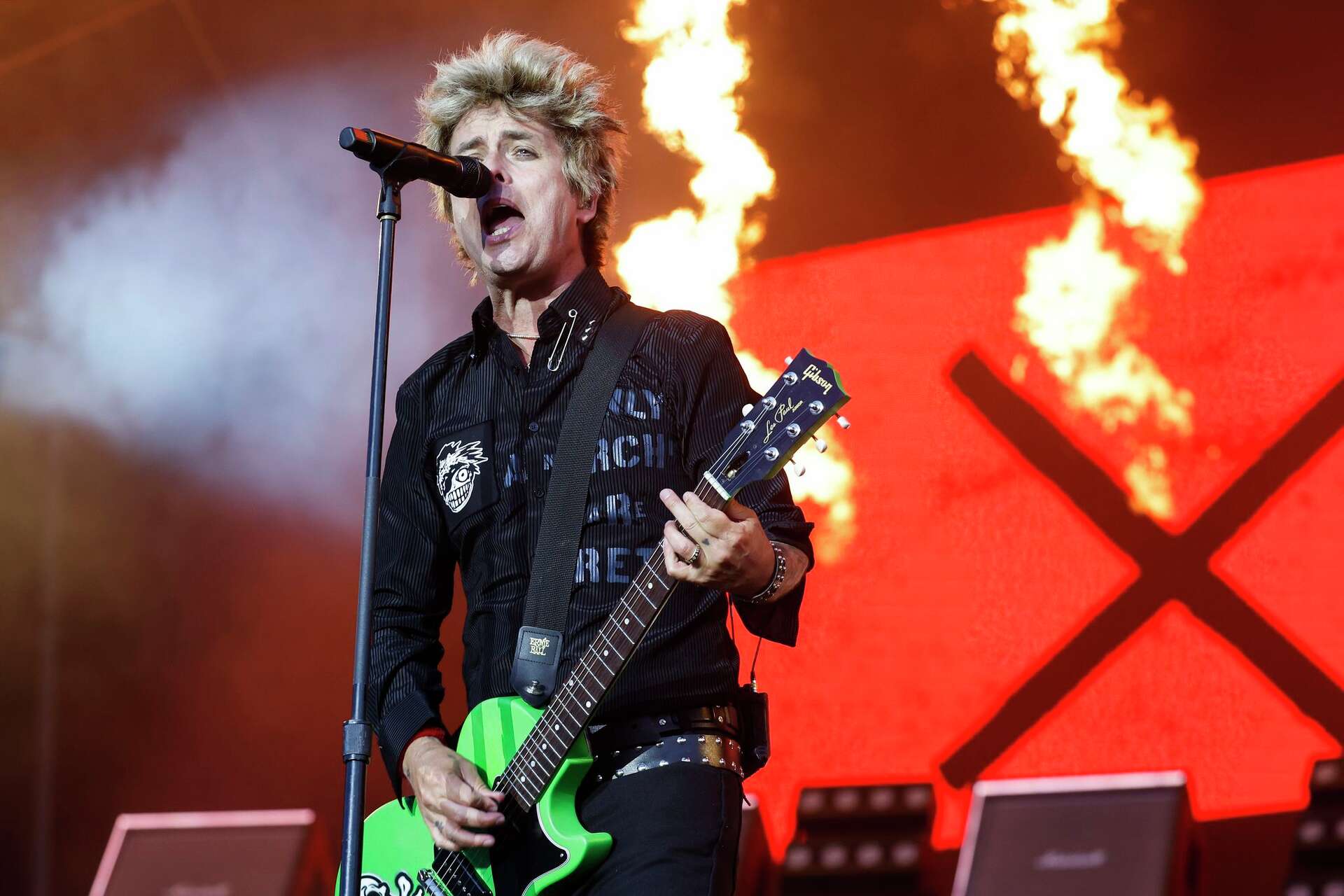
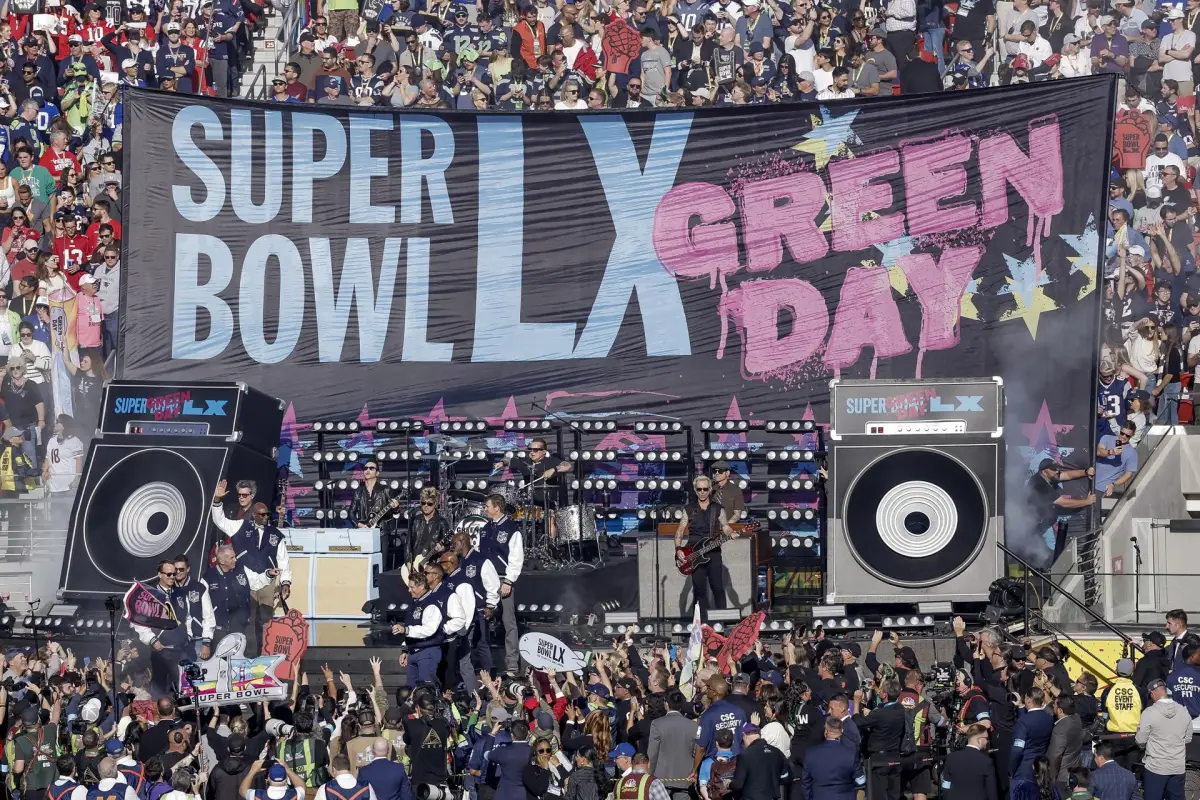
The six-minute performance by Green Day at the festivities surrounding Super Bowl LX in 2026 served as a high-energy centerpiece, bridging the gap between legendary punk-rock aesthetics and the modern mega-event spectacle. This condensed, high-impact set captured the band's enduring ability to command large-scale stadium environments while maintaining the raw intensity that defined their rise to global prominence.
Contents
Contextualizing the Performance at Super Bowl LX
Super Bowl LX marked a significant milestone in the evolution of professional sports entertainment. By 2026, the pre-game and surrounding event infrastructure had transformed into a multi-day cultural festival, requiring musical acts to deliver tight, radio-ready sets that resonate with both live attendees and global broadcast audiences. Green Day’s inclusion in the lead-up events to Super Bowl LX reflected a strategic pivot by event organizers to incorporate legacy rock acts that provide a sense of nostalgic familiarity while guaranteeing the high-octane energy required for a championship atmosphere.
A six-minute performance window is notoriously difficult for a band known for sprawling rock operas and high-engagement crowd participation. Unlike a traditional ninety-minute arena concert, this micro-set required precise structural engineering. Every second was accounted for, from the initial feedback loop to the final power chord, ensuring the transition between tracks was seamless. This format highlights the band's professional evolution, moving from the chaotic spontaneity of their nineties roots to the precision-tuned execution required for modern, televised global stages.
Technical and Creative Execution of a Micro-Set
Executing a six-minute set at a production of the magnitude of Super Bowl LX involves logistical complexities that often go unseen by the audience. For Green Day, this meant balancing three decades of musical output against a strict clock. The setlist was curated to provide maximum impact, focusing on anthemic choruses that function well in open-air venues where acoustics can be challenging.
- Strategic Pacing: The set relied on tempo-matching to keep the energy levels high without needing long transitions.
- Dynamic Sound Design: Sound engineers utilized compressed audio mixes to ensure the vocal clarity held up against the ambient noise of a stadium, a common technical hurdle during pre-game festivities.
- Stage Management: The "six-minute" constraint forced a total abandonment of extended instrumentals, requiring the band to lean into their most recognizable hooks to maximize audience connection within a limited timeframe.
The Role of Legacy Rock in Modern Sports Entertainment
The decision to feature Green Day at a 2026 Super Bowl event underscores a broader trend in high-profile sports marketing. While contemporary pop and hip-hop acts frequently headline halftime shows, the pre-event programming often looks to rock icons to anchor the demographic spread. This strategy acknowledges the "cross-generational appeal" that Green Day has maintained throughout their career.
For the organizers, the goal is retention. By utilizing a band with a deep catalog of hits, they ensure that viewers across multiple age brackets remain engaged throughout the pre-game lead-up. For the audience, the value lies in the condensation of a career-spanning experience into a high-intensity burst of sound. This serves as a "greatest hits" sampler, which often drives post-performance streaming spikes—a critical metric for contemporary music business models in 2026.
Comparative Analysis: Traditional Concerts vs. Super Bowl Sets
It is essential for fans and analysts to distinguish between the nature of a standard tour stop and a performance of this nature. The following table illustrates the key operational differences between a standard headlining show and a six-minute Super Bowl-adjacent appearance.
| Feature | Standard Tour Performance | Super Bowl LX Six-Minute Set |
|---|---|---|
| Duration | 90–120 Minutes | Exactly 6 Minutes |
| Setlist Variety | Includes deep cuts and ballads | Strictly high-tempo radio anthems |
| Audience Engagement | Extended monologues and fan interaction | Minimal; focus on immediate impact |
| Production Reliance | Artist-specific light and stage rigs | Standardized, high-speed broadcast setup |
| Pacing | Variable, allows for lulls and crescendos | Constant, high-energy acceleration |
Logistics and Production Challenges
Behind the scenes of the six-minute performance, the production team faces unique challenges regarding hardware and timing. In a standard concert, a band can recover from a technical glitch or a slight delay. In a high-stakes environment like the lead-up to Super Bowl LX, the broadcast schedule is immutable.
The requirement for a six-minute set necessitates "pre-programmed" show control. This involves synchronization between the band’s audio output, the house lighting, and the broadcast video switching. If the band deviates from the tempo, the entire visual production—often relying on time-coded triggers—could potentially fall out of sync. This requires a level of disciplined musicianship that is often undervalued by casual viewers. The band must play with "click track" precision, ensuring that every transition is mathematically exact to fit within the allotted commercial or segment buffer.
Frequently Asked Questions (FAQ)
1. Was the Green Day performance part of the main Halftime Show? No, the six-minute set was part of the pre-game festivities and satellite events surrounding Super Bowl LX, rather than the primary halftime entertainment show.
2. Why did the set only last six minutes? Broadcast schedules for Super Bowl events are strictly timed to fit into television programming windows. A six-minute segment is a standard allocation for high-profile musical guest appearances to maintain the flow of pre-game coverage.
3. Does this performance indicate a new tour or album release in 2026? The performance served as a promotional event. While Green Day frequently tours, this specific appearance was a standalone event tailored to the Super Bowl atmosphere, not necessarily a precursor to a new album cycle.
4. How does the sound quality for a six-minute set differ from a regular concert? Stadiums present significant acoustic challenges. For a short broadcast segment, the audio is heavily processed and compressed to ensure it sounds consistent on home televisions and mobile devices, rather than relying on the "natural" acoustics of a full concert hall.
5. What tracks are typically chosen for such a short duration? The band prioritizes tracks with high BPM (beats per minute) and massive, sing-along choruses to maximize the impact on the crowd and viewers within the compressed timeframe.
Strategic Implications for Future Events
The successful execution of a six-minute set by an act as established as Green Day provides a blueprint for future sports entertainment programming. It demonstrates that brevity, when paired with high-impact musical choices, can be just as effective as longer, more traditional sets. As sports media continues to favor short-form content in 2026, we can expect future Super Bowl organizers to refine these "micro-concerts" even further.
For fans, the next action is to track the official social media channels of the NFL and the performers for high-fidelity replays of these segments, as the original broadcast may be edited for time. For those interested in the technical side, official "behind the scenes" content often released by the production crews offers a deeper look at the synchronization required to pull off such a tightly choreographed performance. The Green Day appearance at Super Bowl LX stands as a testament to the band’s longevity and their continued relevance in the biggest stages of global media.
Image Gallery