Strategies to Secure Low Budget Car Insurance in 2026
Securing affordable car insurance requires a strategic approach that balances state-mandated coverage requirements with your individual financial capacity. By optimizing your personal risk profile, leveraging specific policy discounts,...
Securing affordable car insurance requires a strategic approach that balances state-mandated coverage requirements with your individual financial capacity. By optimizing your personal risk profile, leveraging specific policy discounts, and regularly comparing market rates, you can effectively lower your premiums while maintaining essential financial protection against vehicle-related liabilities.
Contents
Understanding the Factors That Influence Your Premium
Insurance companies utilize complex actuarial models to determine your risk of filing a claim. In 2026, these models increasingly rely on high-frequency data points. Your premium is fundamentally a reflection of perceived risk; therefore, reducing that perceived risk is the most direct path to lower costs.
Key variables include your geographic location, the make and model of your vehicle, your annual mileage, and your credit-based insurance score (in jurisdictions where permitted). When you seek low-budget insurance, you are essentially looking to present the insurer with the most stable, low-risk profile possible. A driver with a clean record and a vehicle with high safety ratings is statistically less likely to incur significant costs for the insurer, allowing for a lower base rate.
Optimizing Your Policy Structure
The most immediate way to reduce your insurance expense is to adjust the components of your policy. However, this must be done with caution to avoid leaving yourself exposed to catastrophic financial loss.
- Adjusting Deductibles: The deductible is the amount you pay out-of-pocket before your insurance kicks in. By opting for a higher deductible, you accept more personal risk in the event of an accident, which significantly lowers your monthly or semi-annual premium. Ensure you have the deductible amount accessible in an emergency savings account before choosing this route.
- Liability Limits: Every state has minimum legal requirements for liability coverage. While carrying only the bare minimum will yield the lowest possible premium, it is rarely recommended. If you are found at fault in a major accident, the costs can quickly exceed state minimums, leaving you personally liable for the remaining balance. Aim for a balance where your coverage is sufficient to protect your assets without buying excessive "bells and whistles."
- Removing Unnecessary Coverage: If you are driving an older vehicle with low market value, the cost of Comprehensive and Collision coverage might exceed the actual value of the car. If a total loss would be an inconvenience rather than a financial crisis, dropping these optional coverages can result in immediate savings.
Available Discounts and Cost-Saving Programs
Insurers offer a wide array of discounts that are often overlooked by policyholders. Reviewing your eligibility for these programs during your annual policy renewal is essential for keeping costs low.
- Telematics and Usage-Based Insurance (UBI): Many carriers now offer programs that track your driving habits via a mobile app or a plug-in device. If you are a safe driver—avoiding hard braking, late-night driving, and excessive speeding—you can receive significant discounts based on your verified performance.
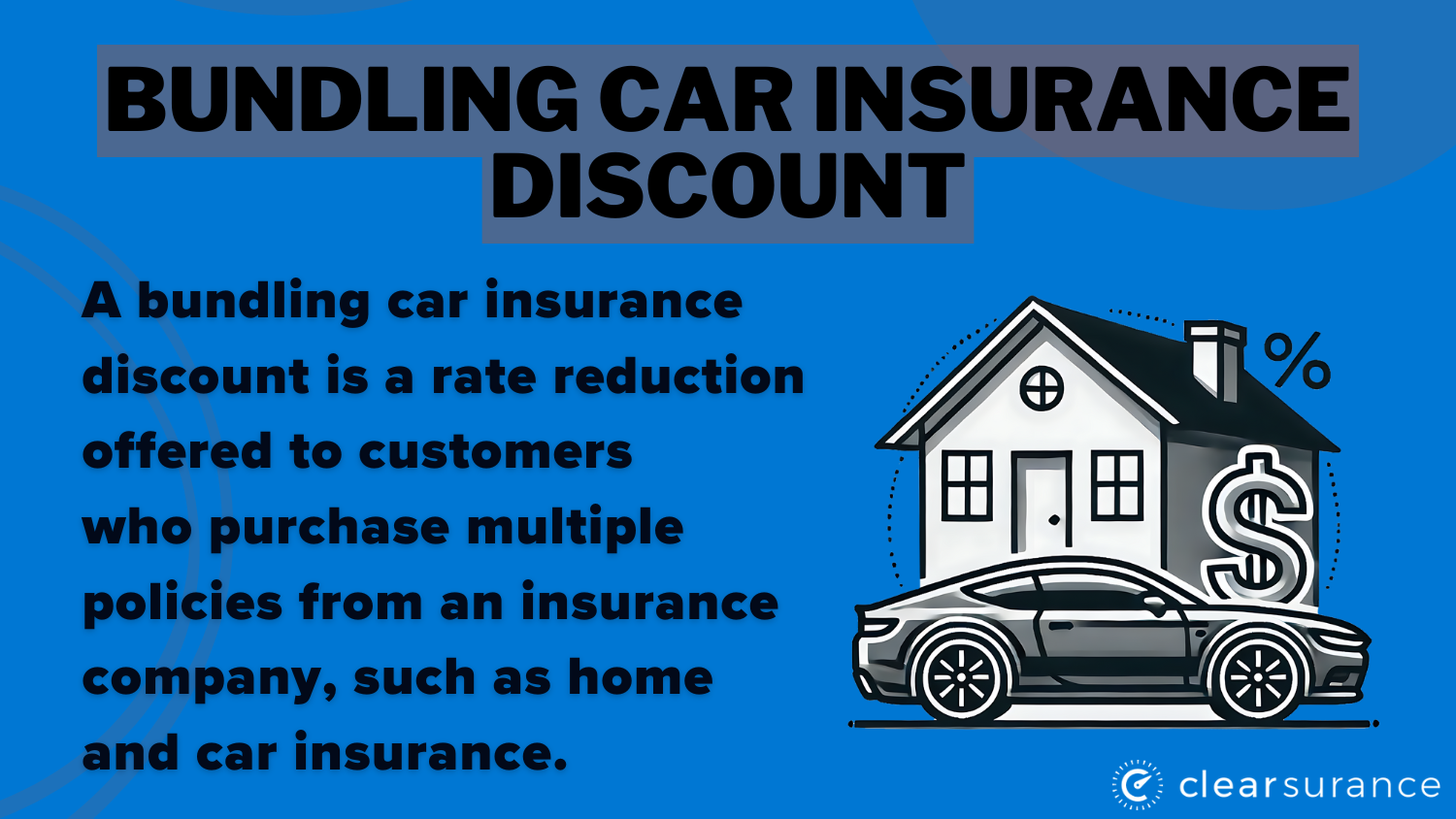
- Bundling Policies: If you carry renters, homeowners, or life insurance, consolidating these policies under a single provider usually triggers a multi-policy discount.
- Safety and Security Features: Vehicles equipped with modern anti-theft devices, advanced driver-assistance systems (ADAS), or passive restraint systems often qualify for lower premiums because they reduce the probability or severity of an accident.
- Affinity Groups: Many insurers provide discounts for members of professional organizations, alumni associations, or even specific employer groups. Always inquire about these during the quoting process.
Comparing Market Rates
Insurance pricing is not static. Competitive pressure in the 2026 market means that rates fluctuate based on the insurer's internal growth goals, loss ratios, and regional claims data. Relying on a single carrier for years often results in "loyalty tax," where long-term customers pay more than new entrants to the market.
Use independent insurance aggregators and state insurance department websites to view side-by-side comparisons of premiums from various carriers. When comparing, ensure you are looking at "apples-to-apples" coverage—same deductibles, same liability limits, and identical policy terms.
| Feature | Low-Budget Approach | Standard Approach |
|---|---|---|
| Deductible | High ($1,000+) | Moderate ($500) |
| Liability Coverage | State Minimums | Recommended/High |
| Policy Type | Basic Liability | Full Coverage |
| Payment Frequency | Annual (Full Payment) | Monthly |
| Telematics | Enrolled | Not Enrolled |
Common Pitfalls and Troubleshooting
When trying to lower your budget, avoid the temptation to provide inaccurate information. Omitting household drivers or providing false mileage estimates to obtain a lower quote is considered insurance fraud. If discovered, this leads to policy cancellation or the denial of future claims, which can render your vehicle essentially uninsured.
If your premiums remain high despite your best efforts, consider the following:
- Improve Your Credit Score: In most states, your credit history impacts your insurance score. Paying down debt and correcting errors on your credit report can yield lower premiums over time.
- Review Your Driving Record: Check your Motor Vehicle Report (MVR) for errors. If a ticket was wrongly attributed to you or a past infraction should have been removed from your record, petition the relevant authorities to correct it.
- Shop Before Renewal: Do not wait until your current policy expires to look for alternatives. Start the comparison process 30 days before your renewal date to allow ample time for underwriting and policy switching.
Frequently Asked Questions
Does paying my insurance in full save me money? Yes. Most insurance companies charge installment fees or "convenience fees" for monthly billing. Paying your annual premium in a single lump sum removes these transaction costs, which typically saves 5% to 10% on your total annual insurance outlay.
Will switching cars help me get lower insurance? Absolutely. Insurance premiums are partially based on the vehicle's "loss probability." High-performance, luxury, or rare vehicles are significantly more expensive to insure due to higher repair costs and parts availability. Choosing a car with a proven safety record and lower replacement costs is an effective long-term strategy for budget-conscious drivers.
How often should I shop for new car insurance? Industry best practice is to compare rates every 12 to 24 months, or whenever you experience a "life event." Significant changes—such as moving to a new zip code, adding a driver, getting married, or purchasing a new vehicle—can shift your risk profile, making you eligible for better rates elsewhere.
Does a lapse in insurance coverage affect my future premiums? Yes, and significantly. Insurance companies view a lapse in coverage as a high-risk indicator. Even a brief period without insurance can lead to "non-standard" status, which causes future insurers to offer higher rates. Always maintain continuous coverage, even if you are transitioning between vehicles.
Are online-only insurance companies cheaper? Often, yes. Digital-first carriers frequently operate with lower overhead costs compared to traditional insurers with extensive physical branch networks. However, verify that the carrier is licensed in your state and possesses a high financial strength rating (such as those provided by A.M. Best) to ensure they can fulfill claims obligations.
Recommended Next Actions
The most effective way to secure low-budget insurance today is to first audit your current policy to ensure you aren't paying for "extras" you don't need. Once you have a clear understanding of your current coverage, gather your vehicle’s VIN, your recent MVR, and your credit information, then reach out to at least three different insurers—including a mix of large national carriers and reputable digital-only firms—to request quotes. Remember to ask specifically for any applicable "safe driver" or "bundling" discounts during the application process.
Image Gallery