Naval Base San Diego Port Operations: A Comprehensive Overview
Naval Base San Diego serves as the primary homeport for the U.S. Pacific Fleet, managing complex port operations that support over 60 surface combatants and dozens of shore commands. These operations encompass berth management, harbor...
Naval Base San Diego serves as the primary homeport for the U.S. Pacific Fleet, managing complex port operations that support over 60 surface combatants and dozens of shore commands. These operations encompass berth management, harbor navigation, force protection, logistics supply chains, and environmental compliance, ensuring operational readiness for vessels stationed within the San Diego Bay complex.
Contents
The Strategic Role of Naval Base San Diego
Naval Base San Diego (NBSD), historically known as the "Brickyard," is the largest naval base in the southwestern United States. As of 2026, it remains the principal port for the Navy’s surface fleet in the Pacific. Its geographical location—situated along the eastern shore of San Diego Bay—provides unique strategic advantages, including immediate access to deep-water shipping lanes and proximity to critical regional shipyards.
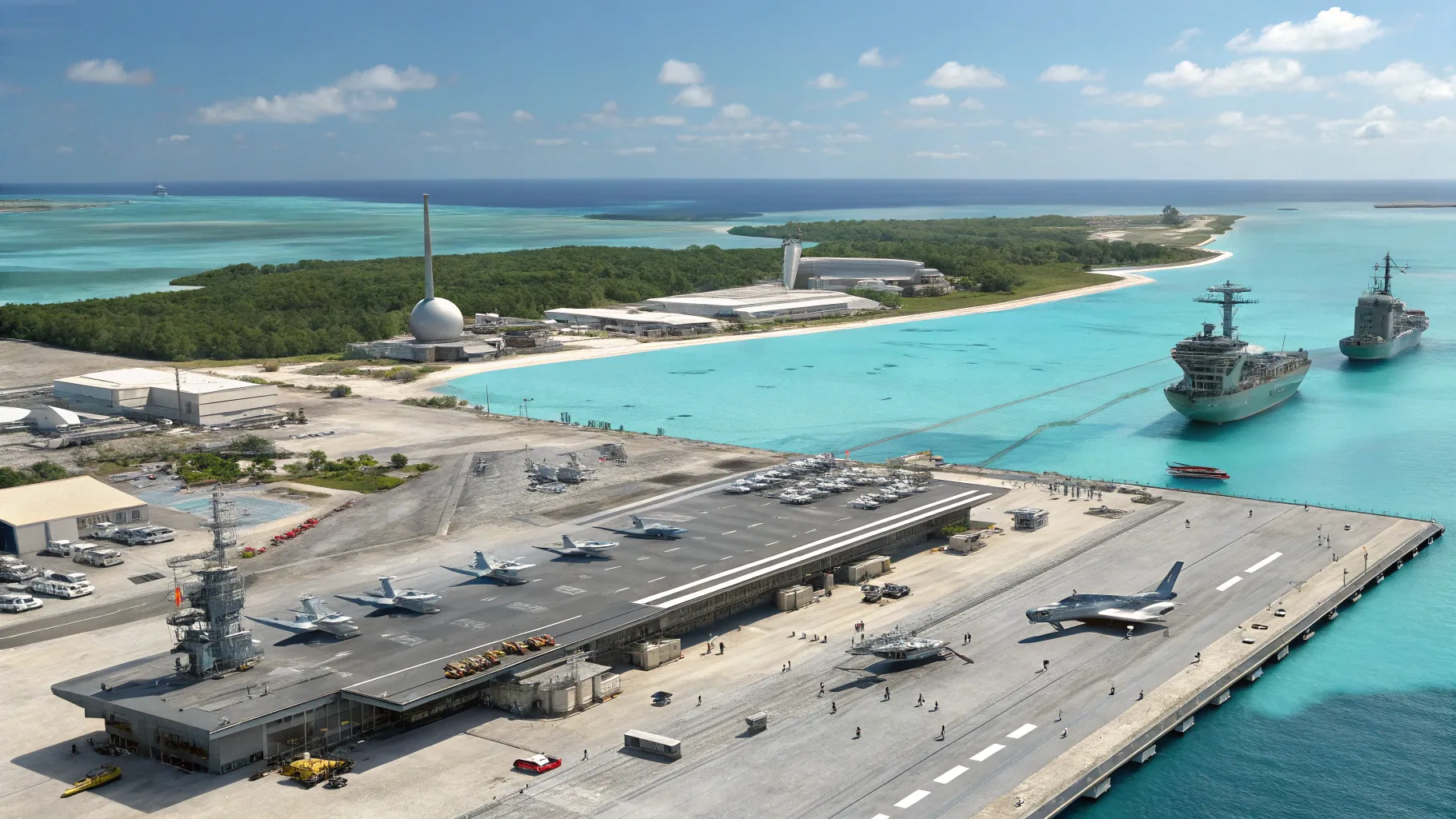
Port operations at NBSD are not merely about docking ships; they represent a high-stakes logistical ballet requiring the synchronization of harbor pilots, tugboat services, utility infrastructure, and security personnel. The base manages several miles of pier space, supporting diverse vessel classes ranging from Arleigh Burke-class destroyers and Littoral Combat Ships (LCS) to amphibious assault ships.
Core Pillars of Port Operations
Effective management of the base requires a multidisciplinary approach. The harbor master’s office acts as the central nervous system for all waterborne traffic within the base’s jurisdiction.
Berth Management and Scheduling
The scheduling of berths is a constant challenge, necessitated by the rotation of ships deploying for overseas missions and those returning for maintenance. Port operations teams utilize sophisticated scheduling software to track ship movements, ensuring that vessels are positioned to maximize efficiency for loading, offloading, and maintenance access. Because pier space is finite, berth allocation is highly competitive and requires strict adherence to prioritized operational requirements.
Harbor Navigation and Towing
Operating a multi-ton warship within the confines of San Diego Bay requires precision. The base coordinates with the U.S. Coast Guard and local commercial maritime traffic to ensure safe transit through the ship channel. Tugboat operations are essential for "cold-iron" ships—vessels that have shut down their own propulsion systems for maintenance—as well as assisting active vessels during docking maneuvers to account for tidal shifts and current variations in the bay.
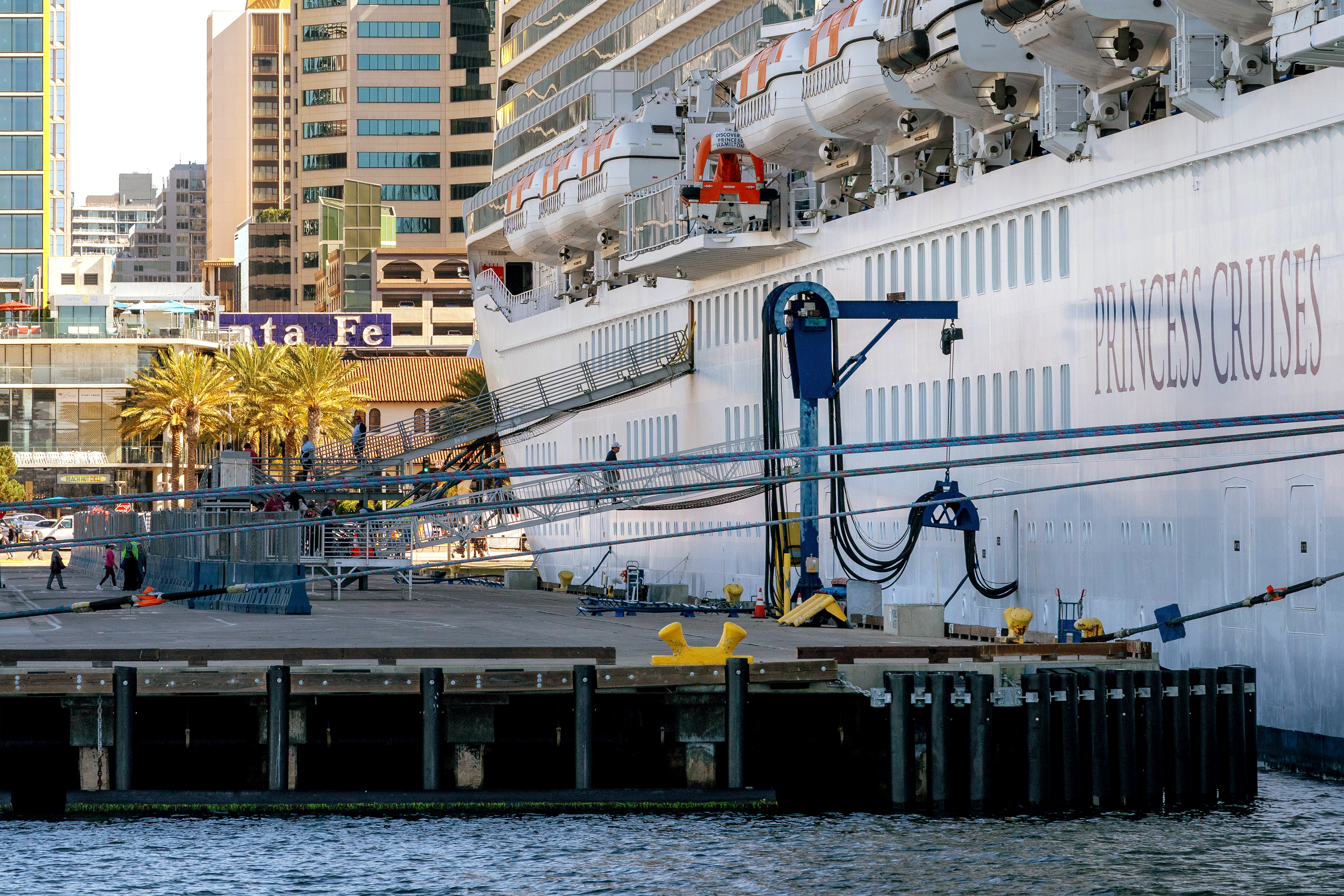
Utilities and Pier-Side Support
Once a ship is moored, the "hotel services" phase of port operations begins. This involves the delivery of critical ship-to-shore utilities:
- Potable Water: Sustaining crew life and shipboard systems.
- Electrical Power: Providing shore-based electricity so ships can power down their generators, reducing emissions and maintenance wear.
- Sewage and Waste Management: Adhering to federal and state environmental mandates regarding the discharge of shipboard waste.
- Data and Communication Links: Integrating the ship into the Navy’s secure shore-based network for command-and-control operations.
Security and Force Protection Protocols
Security is the primary constraint governing all activities at NBSD. Port operations are subject to stringent Force Protection Condition (FPCON) protocols. These are not static; they are adjusted based on global threat levels and specific regional intelligence.
Waterfront security measures include:
- Waterborne Security Patrols: Constant monitoring of the harbor perimeter using small-craft assets to deter unauthorized approach.
- Anti-Terrorism/Force Protection (ATFP) Barriers: Deployable floating barriers that prevent unauthorized vessels from entering sensitive berthing areas.
- Access Control: Rigid screening processes for contractors and personnel boarding vessels, including vehicle inspections at base gates and pier-side checkpoints.
Operational Comparison: Active Fleet vs. Maintenance Vessels
The operational requirements differ significantly depending on the status of the vessel. The following table summarizes these functional differences.
| Feature | Active Deployment Status | Maintenance/Repair Status |
|---|---|---|
| Primary Focus | Rapid turn-around & fueling | Utility connection & scaffolding |
| Pier Usage | High-mobility outer berths | Static dry-dock or long-term pier |
| Crew Status | Full operational manning | Minimal crew; high contractor presence |
| Utility Demand | Moderate (mostly refueling) | High (power, water, data) |
Environmental Compliance and Sustainability
Operating in a dense urban environment like San Diego requires NBSD to act as a steward of the bay. Port operations must comply with the Clean Water Act and various California environmental statutes. This includes managing stormwater runoff from piers, preventing spills during fuel transfers, and mitigating noise pollution during ship maintenance activities. As of 2026, the base continues to integrate "Green Pier" initiatives, which focus on upgrading electrical grids to support cleaner shore power, thereby minimizing the carbon footprint of ships docked in the harbor.
Challenges and Future Outlook
The primary challenge facing NBSD port operations is the aging infrastructure versus the increasing size and technical requirements of newer vessel classes. Upgrading piers to handle higher electrical loads, upgrading fire suppression systems, and ensuring cyber-resilience for port utility grids are top priorities for regional commanders.
Furthermore, the integration of unmanned surface vehicles (USVs) into the fleet presents a new operational paradigm. These vessels require different berthing profiles, specialized maintenance, and unique security considerations compared to traditional manned surface combatants. The base is currently evolving its dockside infrastructure to accommodate this shift toward a more autonomous and distributed maritime force.
Frequently Asked Questions
Who is responsible for the movement of ships into NBSD? The Harbor Master and the Waterfront Operations department oversee the movement of ships. They coordinate with tugboat captains, civilian pilots, and ship commanding officers to ensure safe transit from the open ocean into the specific assigned berth.
How does NBSD manage the environmental impact on San Diego Bay? The base operates under a strict Integrated Natural Resources Management Plan. It maintains rigorous inspection schedules for fuel transfer lines, utilizes advanced spill-containment booms, and enforces strict policies regarding the discharge of greywater and blackwater from ships while in port.
What is the role of commercial contractors in port operations? Commercial contractors are essential for maintenance, hull cleaning, and specialized ship repairs. They must adhere to base access protocols and are subject to the same strict environmental and security regulations as military personnel while working on the piers.
Are there restricted zones within the base port area? Yes. Several areas, including active construction sites, fuel piers, and sensitive command berths, are designated as restricted. Unauthorized entry into these water areas is strictly prohibited and monitored by 24/7 security patrols.
How do base port operations coordinate with the City of San Diego? Coordination occurs through established maritime committees. These entities manage shared traffic lanes, bridge clearances (such as the Coronado Bridge), and emergency response scenarios that could involve both military and civilian maritime resources.
Recommendations for Stakeholders
Personnel and contractors involved in NBSD port operations should prioritize frequent review of the Standard Operating Procedures (SOPs) issued by the base command. Because these regulations are updated to reflect the latest security and environmental mandates, reliance on outdated documentation can result in operational delays or security violations. For those requiring specific berth access or utility support, early coordination with the Waterfront Operations office—ideally 30 to 60 days in advance—is essential to secure the necessary resources and logistical clearance.
Image Gallery