Is Sean John Clothing Still Operating? Brand History, Ownership, and Current Status
Sean John clothing is no longer operating as an active primary retail brand. Although Sean "Diddy" Combs re-acquired the trademark in December 2021 for $7.5 million, major retail partners including Macy's phased out the line by late 20...
Sean John clothing is no longer operating as an active primary retail brand. Although Sean "Diddy" Combs re-acquired the trademark in December 2021 for $7.5 million, major retail partners including Macy's phased out the line by late 2023. As of 2026, direct-to-consumer sales and broad commercial distribution remain suspended, leaving secondary resale platforms as the primary source for authentic apparel.
Contents
The Origins and Peak Era of Sean John
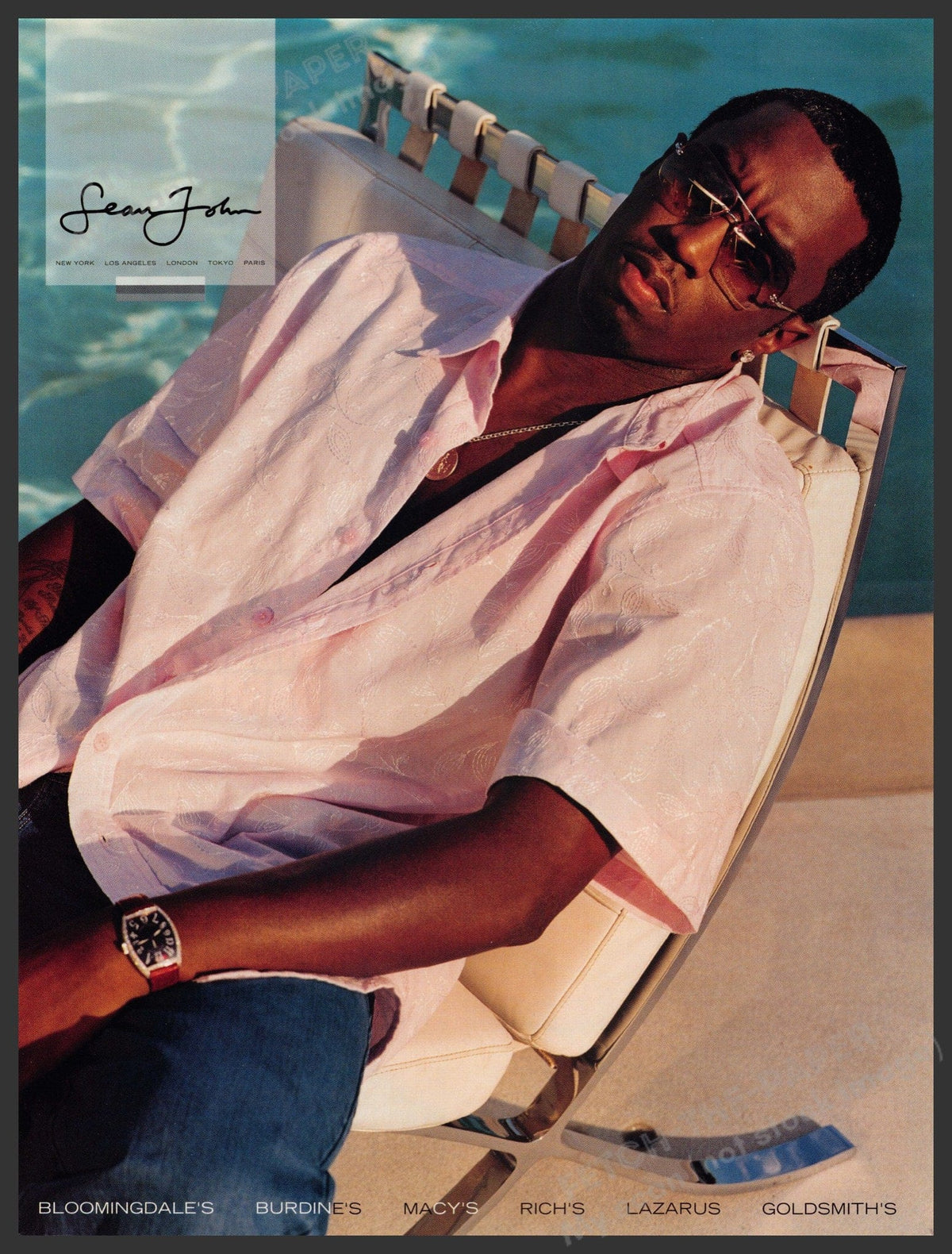
Founded in 1998 by music mogul Sean "Diddy" Combs, Sean John emerged as a transformative force in the American fashion landscape. At its inception, the brand sought to bridge the gap between street culture and luxury fashion, translating the aesthetic of hip-hop into high-end menswear and tailored apparel.
During the late 1990s and early 2000s, Sean John evolved rapidly from an urban streetwear line into a critically acclaimed mainstream fashion label. The brand debuted its collections at New York Fashion Week, earning widespread praise from critics and industry insiders. In 2004, the Council of Fashion Designers of America (CFDA) named Combs the Menswear Designer of the Year, solidifying the label's legitimacy alongside legacy American fashion houses.
At its peak, Sean John generated hundreds of millions of dollars in annual retail sales. The product catalog expanded well beyond graphic tees and denim to encompass a vast lifestyle ecosystem, including:
- Velour Tracksuits: Signature two-piece sets that became defining garments of 2000s fashion culture.
- Tailored Clothing & Outerwear: Suits, tuxedos, leather jackets, and heavy wool coats designed with modern silhouettes.
- Fragrance & Beauty: Best-selling scents such as Unforgivable and I Am King, produced in partnership with major beauty conglomerates.
- Accessories: Eyewear, footwear, timepieces, underwear, and loungewear distributed globally.
A central element of Sean John’s commercial reach was its exclusive department store partnerships. In 2010, the brand entered into a strategic distribution agreement with Macy's, making the department store giant the exclusive U.S. distributor for Sean John sportswear. While this agreement provided massive volume and consistent shelf placement across hundreds of brick-and-mortar stores, it also tied the brand's commercial destiny tightly to a single legacy retail partner.
Corporate Ownership Changes: From Global Brands Group Back to Combs
To understand why Sean John vanished from store shelves, one must trace the complex corporate restructuring and IP transfers that occurred over the past decade.
In 2016, Combs sold a 90% controlling interest in Sean John to Global Brands Group (GBG), a public brand management firm spun off from Li & Fung. Combs retained a 10% minority stake, intending to leverage GBG’s international supply chains to scale the brand globally. However, GBG suffered severe financial headwinds in subsequent years, exacerbated by shifting consumer preferences and pandemic-related retail disruptions.
| Sean John Ownership Evolution |
|---|
| 1998–2016: Founded & owned by Sean Combs |
| 2016–2021: Controlling stake (90%) owned by Global Brands Group (GBG) |
| Dec 2021: Re-acquired by Sean Combs via SLC Fashion LLC / Combs Global ($7.5M) |
| 2023–2026: Retail operations suspended; IP held privately without retail distribution |
In July 2021, Global Brands Group’s North American unit filed for Chapter 11 bankruptcy protection in the United States Bankruptcy Court for the Southern District of New York. As part of the Chapter 11 proceedings, GBG put its portfolio of brand assets—including Sean John—up for competitive auction.
In December 2021, Sean Combs submitted a winning bid of $7.5 million through his acquisition vehicle, SLC Fashion LLC, regaining full control of the trademark, intellectual property, and brand rights from the bankruptcy estate. The purchase outbid competing liquidation firms that intended to buy the brand for scrap branding or generic licensing. Upon winning the auction, Combs stated an intention to revitalize the label and integrate it into his broader corporate portfolio, Combs Global.
Why Did Sean John Stop Operating in 2024?
Despite the optimistic buyback in late 2021, the brand was unable to execute a sustainable operational comeback. By 2024, active manufacturing, digital storefronts, and retail distribution had effectively halted. Several distinct economic, legal, and operational factors precipitated this shutdown.
1. Macy's Severance and Retail Wind-Down
The cornerstone of Sean John’s wholesale revenue had long been its partnership with Macy's. Starting in late 2023, following mounting legal allegations and civil lawsuits filed against Sean Combs, Macy's systematically began winding down its relationship with Sean John. Product orders were canceled, existing store inventory was marked down for clearance, and the brand was removed from Macy's e-commerce platform. Without a primary national department store partner or established alternative retail channels, wholesale revenue collapsed.
2. Corporate Partner Severance and Supply Chain Halts
Fashion labels rely heavily on third-party manufacturing licensees for garment production, logistics, and distribution. As public scrutiny around Combs escalated throughout late 2023 and into 2024—culminating in federal investigations and subsequent legal proceedings—apparel manufacturers and licensing partners severed ties to avoid reputational damage. This operational freeze left the brand without active production facilities for new seasonal collections.
3. Deactivation of Direct-to-Consumer (DTC) Channels
Following the buyback from GBG, the brand's official website (seanjohn.com) and dedicated online storefronts failed to launch robust direct-to-consumer infrastructure. By 2024, official direct sales channels were completely inactive, directing traffic to dead links or holding pages. Social media channels associated with the brand also ceased public promotional activity, confirming the halt of corporate marketing operations.
Detailed Brand Evolution and Status Timeline
The operational trajectory of Sean John spans nearly three decades, characterized by early independence, corporate licensing, bankruptcy auctions, and ultimate operational suspension.
| Period | Corporate Owner / Controller | Primary Retail Channels | Operational Status & Highlights |
|---|---|---|---|
| 1998–2009 | Sean Combs (Independent) | Specialty Boutiques, Bloomingdale's, Department Stores | Peak influence; CFDA Award win (2004); international runway shows. |
| 2010–2015 | Sean Combs (Independent) | Macy's (Exclusive Partner), Specialty Retailers | Exclusive distribution partnership with Macy's executed to secure volume. |
| 2016–2021 | Global Brands Group (90%), Sean Combs (10%) | Macy's, International Licensing Partners | Corporate management under GBG; brand dilutes; GBG files bankruptcy in July 2021. |
| Dec 2021–2022 | Sean Combs (Combs Global / SLC Fashion LLC) | Macy's (Clearing remaining contracts), Online | Re-bought for $7.5M at bankruptcy auction; plans for brand relaunch announced. |
| 2023–2024 | Sean Combs (Combs Global) | Clearance / Liquidators | Macy's drops brand; licensing contracts terminate; production halts completely. |
| 2025–2026 | Sean Combs (Combs Global) | Secondary Resale Markets Only | Inactive brand. No active manufacturing, wholesale, or official DTC sales. |
Sourcing Authentic Sean John Apparel Today
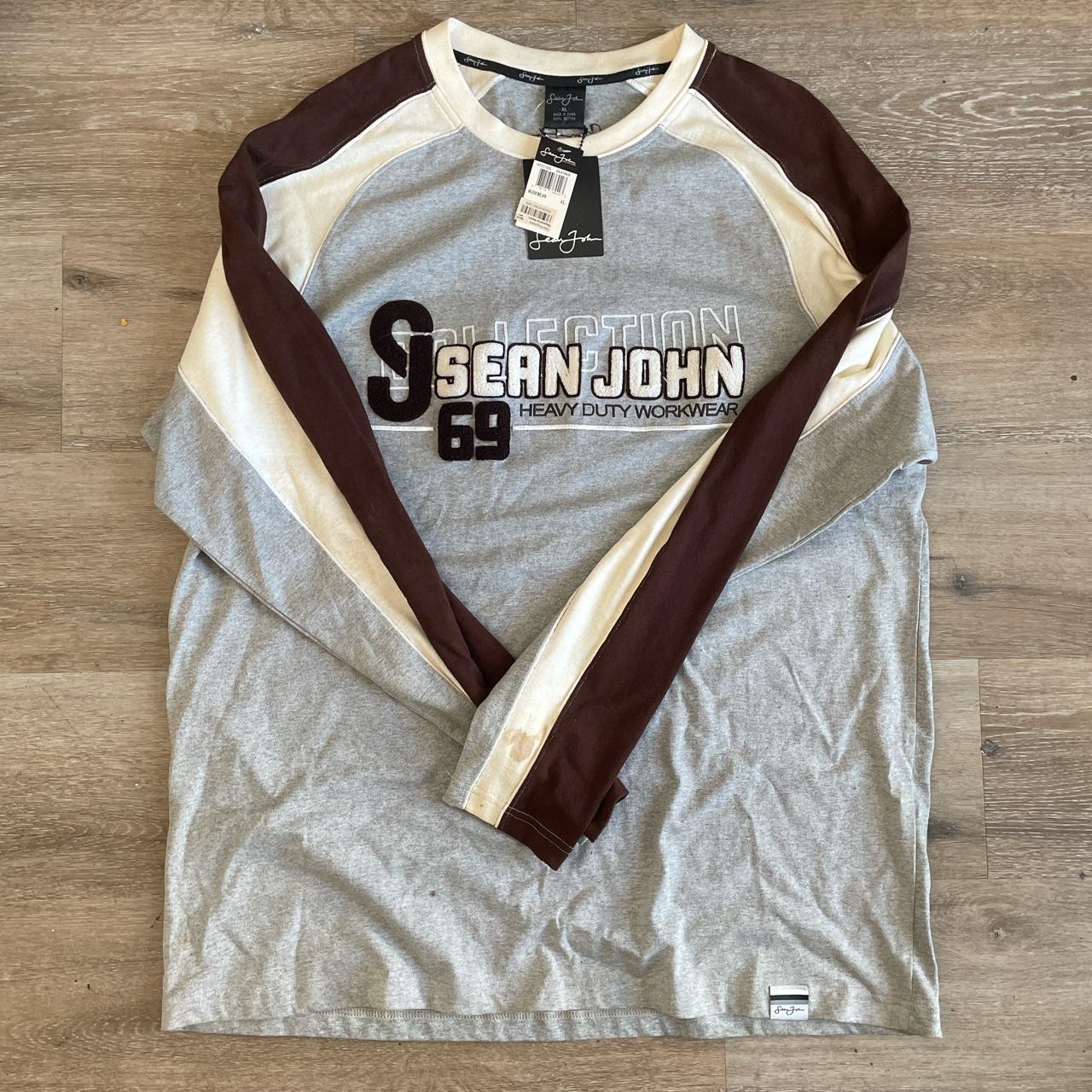
Because official manufacturing has ceased, consumers and vintage collectors looking for Sean John clothing in 2026 must rely on secondary marketplaces and deadstock liquidators. The brand's early-2000s items—particularly embroidered leather jackets, graphic hoodies, and velour tracksuits—have gained traction within the Y2K vintage fashion movement.
Secondary Resale Platforms
For verified vintage and pre-owned pieces, buyers frequently utilize peer-to-peer marketplaces:
- Grailed: Ideal for higher-end archival pieces, runway samples, and early-2000s outerwear.
- Depop & Poshmark: Excellent sources for classic velour tracksuits, streetwear t-shirts, and casual denim.
- eBay: Useful for sourcing unused old-stock items (NWT - New With Tags), legacy fragrances, and accessories.
Verifying Authenticity and Vintage Era
When purchasing Sean John garments on secondary markets, collectors examine specific construction details to verify authenticity and determine the production era:
- Neck Labels and Tags:
- Late 1990s–Early 2000s (Archival): Feature thick woven tags with silver or gold metallic threading, often bearing the phrase "Sean John Made in USA" or high-end international sourcing notes.
- 2010s Era: Printed fabric tags or heat-pressed neck labels indicating partnership licensing (often listing Global Brands Group or specialized licensing RN numbers on the care tag).
- Hardware and Trims: Authentic vintage outerwear and tracksuits feature heavy-duty branded zippers (often stamped with the Sean John script or "SJ" monogram) and custom metallic aglets on drawstrings.
- Fabric Weight: Early Sean John velour and heavyweight cotton fleece used thick, heavy-gsm (grams per square meter) fabrics, whereas later licensed diffusion lines featured lighter synthetic blends.
Legacy and Impact on Fashion History
Despite its current inactive status, Sean John played an undeniable historical role in modern menswear. Before the label's rise, urban streetwear and luxury runway fashion operated in largely separated spheres. Sean John was among the pioneering black-owned fashion brands to break into mainstream luxury, proving that hip-hop culture could drive global fashion commerce.
The brand paved the way for subsequent luxury-streetwear crossovers, establishing business models that later influenced lines led by figures like Virgil Abloh, Kanye West, and Tyler, the Creator. Its high-budget runway presentations at New York Fashion Week demonstrated that urban design aesthetics belonged on international fashion stages.
Furthermore, Sean John was an early adopter of lifestyle brand extension. By scaling from apparel into tailored suiting, footwear, eyewear, and fragrance, it demonstrated that an urban brand could evolve into a full-scale department store lifestyle anchor.
Frequently Asked Questions
Does Sean "Diddy" Combs still own Sean John?
Yes. Sean Combs re-acquired 100% of the Sean John intellectual property and trademarks in December 2021 for $7.5 million through SLC Fashion LLC during the Global Brands Group bankruptcy auction. While he retains legal ownership of the IP, the operational business is inactive.
Is Sean John sold at Macy's in 2026?
No. Macy's phased out and discontinued all Sean John product lines across its physical stores and e-commerce platform starting in late 2023. No official inventory is distributed to Macy's or other primary department stores.
Will Sean John be relaunched in the future?
There are no verified plans or announced operational timelines for a relaunch. Any future relaunch would require securing new manufacturing partners, retail distribution agreements, and resolving complex corporate branding challenges.
Where can I buy original Sean John velour tracksuits?
Original velour tracksuits are available primarily through vintage apparel dealers and secondary online marketplaces such as eBay, Grailed, Depop, and Poshmark. Buyers should check care tags, hardware stamps, and fabric weight to verify authenticity.
Why did Global Brands Group sell Sean John in 2021?
Global Brands Group (GBG) filed for Chapter 11 bankruptcy protection in July 2021 due to severe financial liabilities and declining retail revenues. As part of its court-supervised liquidation process, GBG auctioned off its brand portfolio to satisfy creditors.
Practical Guidance for Buyers and Collectors
If you are evaluating vintage Sean John items or managing legacy inventory, consider the following actionable steps:
- For Vintage Collectors: Focus on items produced between 1998 and 2004. These early-era garments hold the highest cultural and resale value, particularly leather jackets, embroidered denim, and original CFDA-era tailored pieces.
- For Resale Sellers: Accurately photograph interior care tags, RN codes (RN #0102430 or associated supplier numbers), and zipper pulls to demonstrate authenticity to buyers on platforms like Grailed or eBay.
- For IP and Retail Analysts: Treat Sean John as a case study in brand licensing risks. Relying on a single department store partner (such as Macy's) while outsourcing manufacturing leaves a brand vulnerable when reputation or legal crises break retail contracts.
Image Gallery