Master’s Degree in Forensic Accounting: Curriculum, Career Outcomes, and Admission Requirements
A Master’s Degree in Forensic Accounting—typically offered as a Master of Science in Forensic Accounting (MSFA) or a specialized Master of Accountancy (MAcc) track—is a graduate-level program that equips professionals with the techniqu...
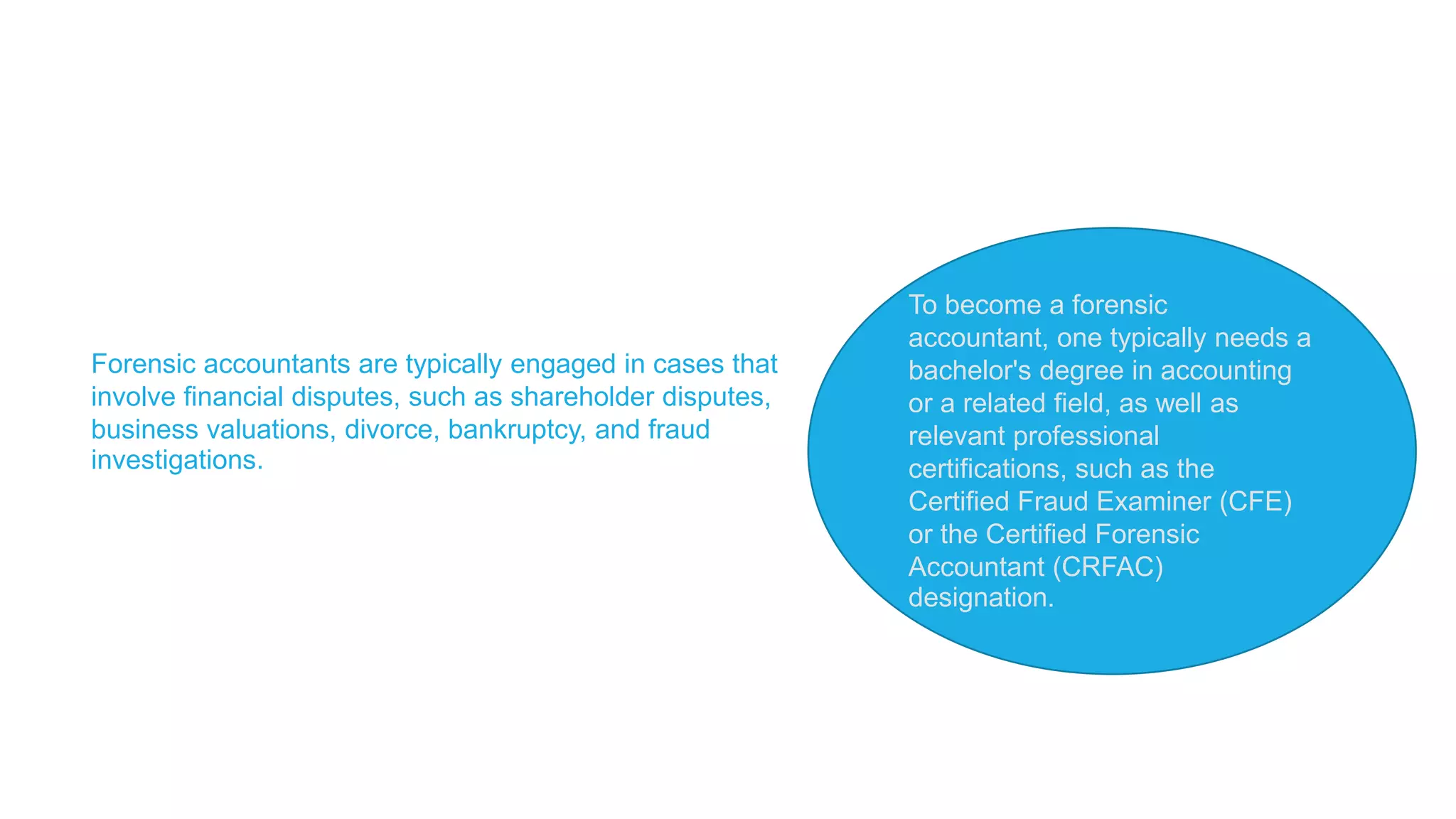
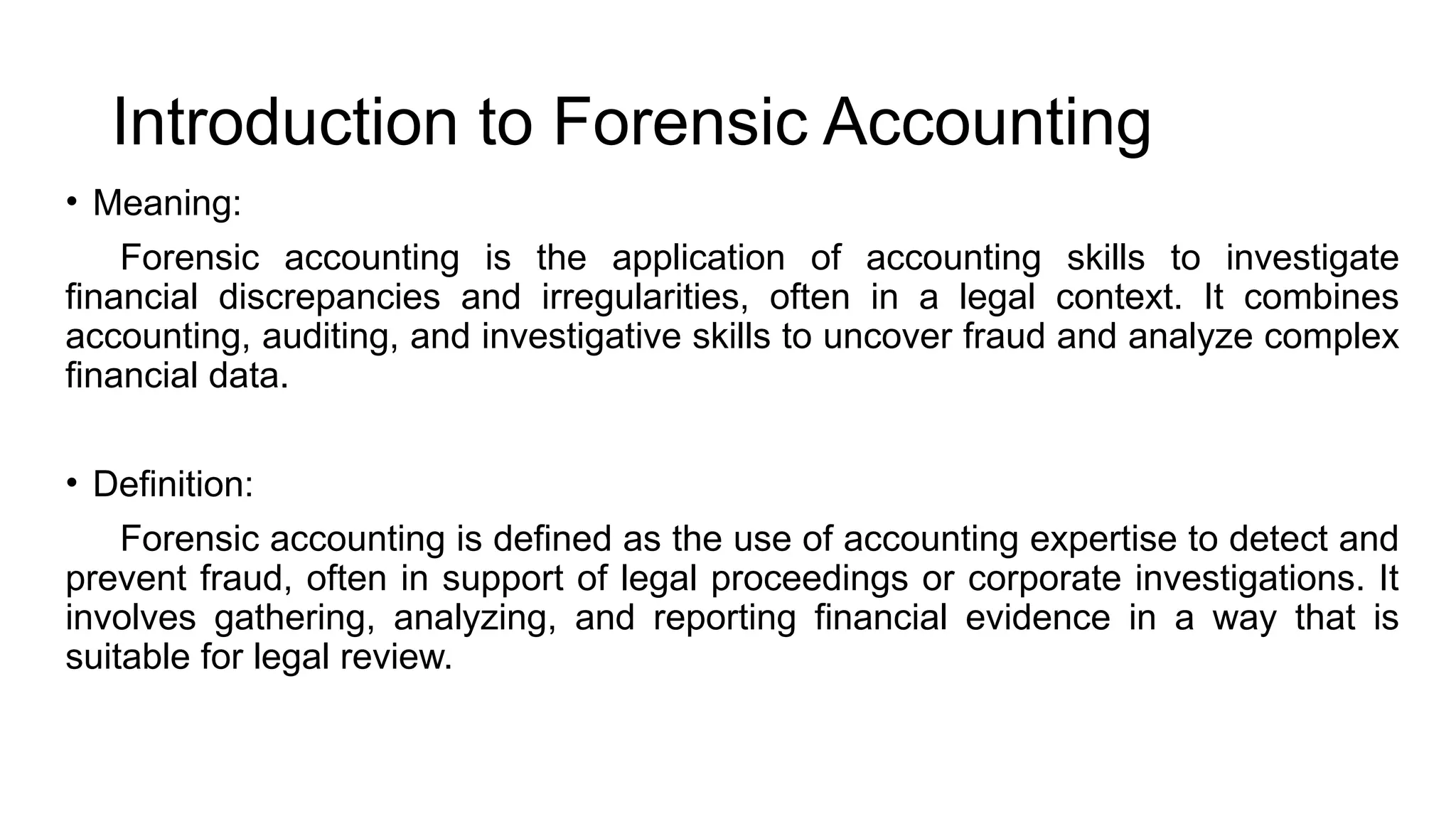
A Master’s Degree in Forensic Accounting—typically offered as a Master of Science in Forensic Accounting (MSFA) or a specialized Master of Accountancy (MAcc) track—is a graduate-level program that equips professionals with the techniques required to investigate financial crimes, quantify economic damages, and evaluate internal corporate controls. Graduates gain the advanced audit, data analysis, and legal skills necessary to prepare expert testimony and earn credentials such as the Certified Fraud Examiner (CFE) or Certified in Financial Forensics (CFF).
Contents
What is a Forensic Accounting Master’s Degree?
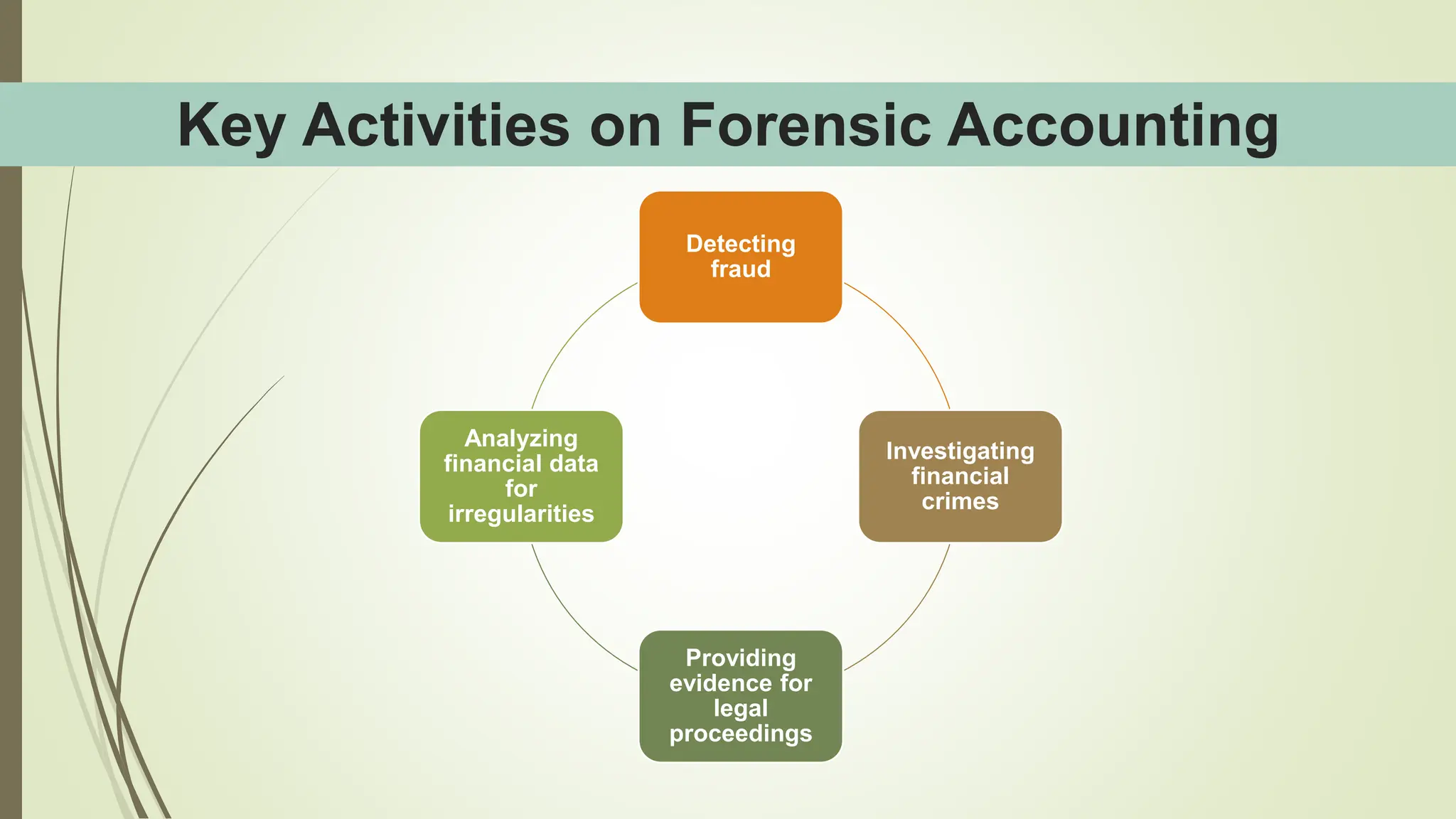
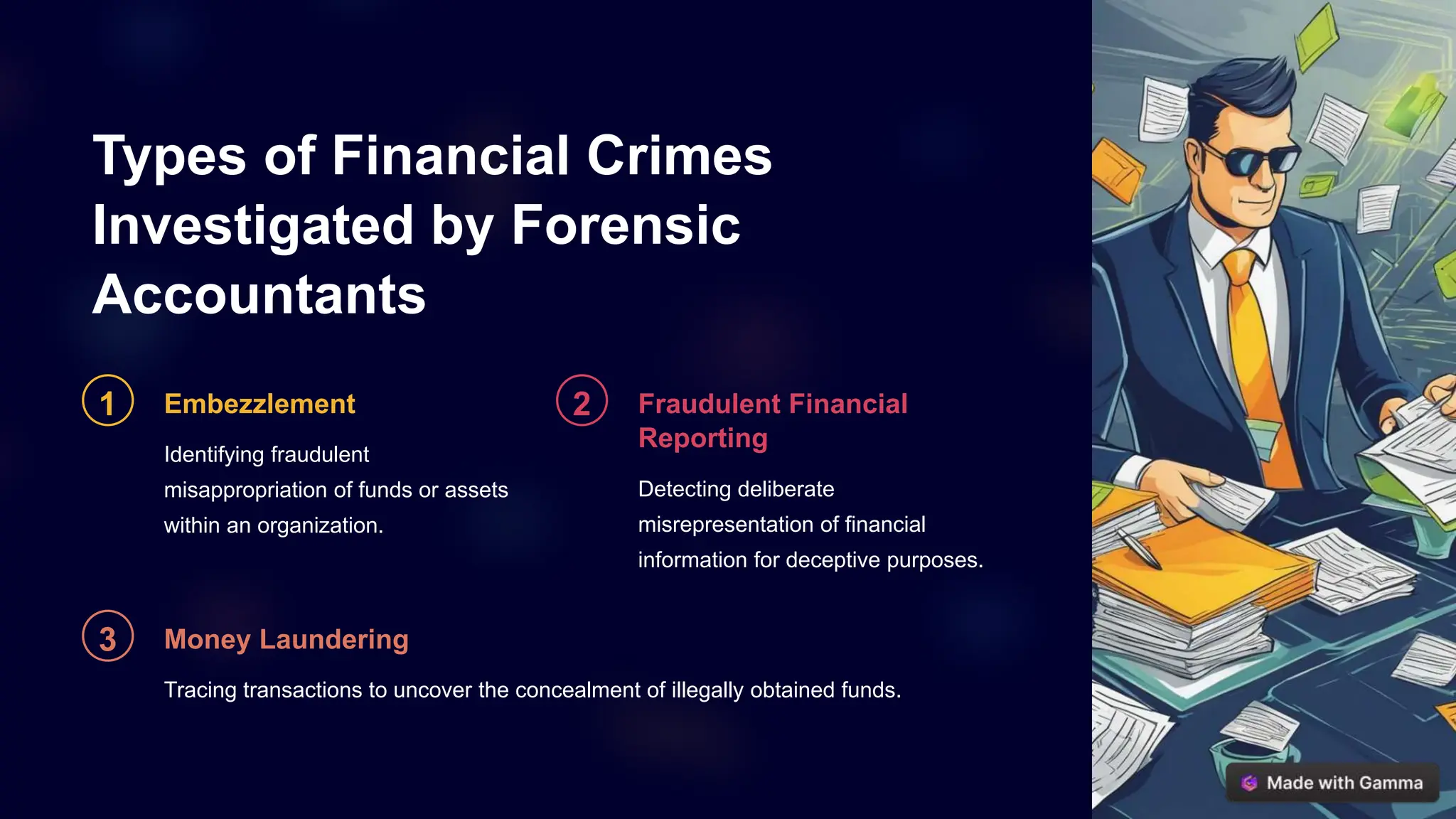
Forensic accounting operates at the intersection of accounting, legal principles, and investigative methodology. While traditional accounting focuses on presenting past financial performance accurately according to accounting standards, forensic accounting digs behind the numbers to uncover intentional misrepresentation, asset diversion, regulatory non-compliance, and fraud.
Graduate programs in forensic accounting are structured to transition accountants from analytical evaluators to financial investigators. Students learn how to reconstruct incomplete accounting records, trace hidden assets across international jurisdictions, analyze complex electronic data sets, and translate intricate financial schemes into clear evidence admissible in a court of law.
Program Degree Types
When evaluating graduate education in this discipline, applicants generally encounter three distinct degree formats:
- Master of Science in Forensic Accounting (MSFA): A standalone specialized degree dedicated almost entirely to fraud examination, litigation support, economic damages evaluation, and white-collar crime investigation.
- Master of Accountancy (MAcc) with a Forensic Concentration: A broader accounting degree that satisfies technical state licensure rules while allowing students to take specialized electives in forensic methodologies.
- Master of Business Administration (MBA) with a Forensic Accounting Specialization: A broad management degree that incorporates core business leadership courses alongside foundational fraud investigation electives.
For candidates aiming specifically for investigative roles within government agencies, boutique forensic consulting firms, or specialized law enforcement divisions, dedicated MSFA programs or forensic MAcc tracks offer the deepest technical exposure.
Core Curriculum and Technical Coursework
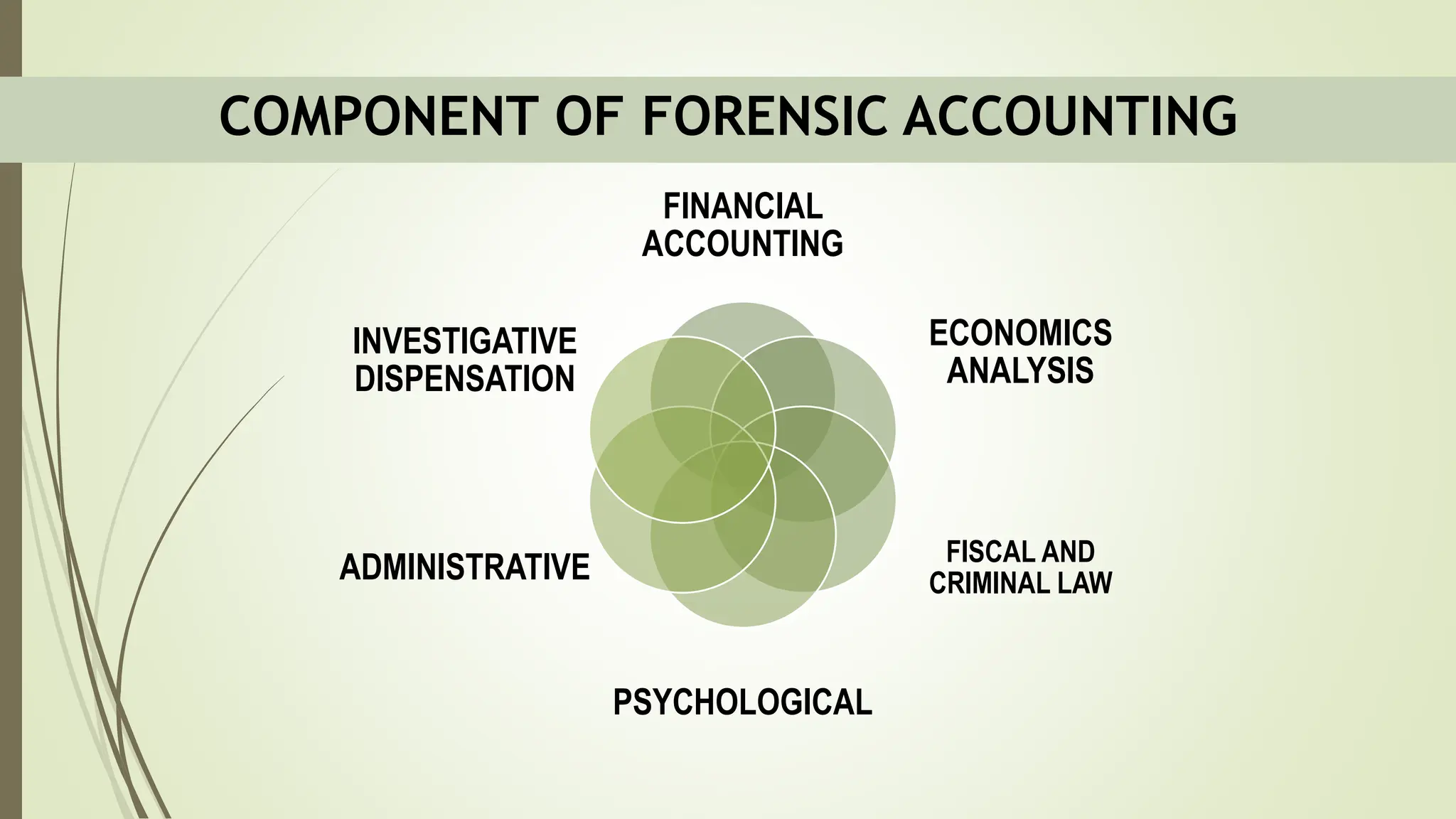
Graduate forensic accounting curricula combine traditional accounting theory with criminalistics, behavioral psychology, risk management, and law. Programs typically range from 30 to 36 graduate credit hours.
| Core Forensic Accounting Curriculum |
|---|
| 1. Advanced Fraud Examination & Occupational Crime |
| 2. Digital Forensics, Data Analytics & Forensic Technology |
| 3. Legal Issues, Litigation Support & Expert Witness Testimony |
| 4. Business Valuation, Loss Quantification & Economic Damages |
| 5. Corporate Governance, Ethics & Internal Risk Management |
Advanced Fraud Examination & Occupational Crime
Courses in occupational fraud cover the mechanics of asset misappropriation, financial statement fraud, and corruption (bribery, conflicts of interest, and extortion). Students study the "Fraud Triangle"—incentive/pressure, opportunity, and rationalization—and evaluate real-world case studies to recognize early indicators of financial manipulation.
Digital Forensics & Data Analytics
Modern financial investigations rely heavily on automated data extraction and specialized analysis. Students learn how to utilize tools like SQL, Python, ACL (Audit Command Language), and IDEA to query millions of ledger entries, detect anomalies like duplicate payments or Benford’s Law deviations, and secure digital evidence without compromising chain of custody.
Legal Environment, Rules of Evidence, and Expert Testimony
Understanding criminal and civil procedure is critical for forensic accountants. Coursework covers state and federal court systems, the Federal Rules of Evidence, constitutional protections during interviews, and legal standards for expert testimony. Many top programs conclude with mock trial exercises where students defend their expert reports under cross-examination by legal practitioners.
Business Valuation & Economic Damages
Beyond white-collar crime, forensic accountants quantify financial losses in civil litigation, commercial disputes, shareholder actions, and matrimonial dissolution. Courses detail valuation methodologies—including the income, market, and asset-based approaches—as well as calculations for lost profits, intellectual property infringement, and personal injury damages.
Professional Credentials and Educational Alignment
Pursuing a master’s degree in forensic accounting directly aligns with several prominent professional credentials in the accounting and financial investigation sectors.
Certified Public Accountant (CPA)
In almost every U.S. jurisdiction, state boards of accountancy require candidates to complete 150 semester hours of college credit to obtain a CPA license. Because a standard undergraduate degree typically awards 120 credits, an MSFA or specialized MAcc provides the additional 30 graduate credits required to meet licensing thresholds while sharpening specialized expertise.
Certified Fraud Examiner (CFE)
Administered by the Association of Certified Fraud Examiners (ACFE), the CFE credential is recognized globally as a primary benchmark for fraud specialists. Master’s programs in forensic accounting often integrate the ACFE’s four main testing domains—Financial Transactions & Fraud Schemes, Law, Investigation, and Fraud Prevention & Deterrence—directly into their course modules, significantly preparing students to sit for the exam.
Certified in Financial Forensics (CFF)
Offered by the American Institute of CPAs (AICPA), the CFF credential is reserved exclusively for CPAs who specialize in financial investigations, business valuation, and litigation support. Graduate-level coursework in financial statement analysis and expert witness training counts directly toward the formal education requirements needed for CFF certification.
Admission Requirements and Prerequisites
Admissions committees seek candidates who possess strong quantitative skills, critical thinking, and high ethical standards. While specific criteria vary between institutions, common admission requirements include:
- Undergraduate Preparation: A bachelor’s degree in accounting or business administration is ideal. However, applicants with non-accounting degrees are frequently admitted, provided they complete prerequisite courses such as Financial Accounting, Managerial Accounting, Intermediate Accounting, and Auditing.
- Academic Performance: Most accredited programs require a minimum cumulative undergraduate GPA of 3.0 on a 4.0 scale.
- Standardized Testing: Many institutions have made GMAT or GRE requirements optional for candidates meeting specific GPA thresholds or possessing relevant full-time professional experience.
- Professional Experience: While some programs accept direct entry from undergraduate study, competitive MSFA programs prefer 1 to 3 years of work experience in public accounting, internal audit, finance, or law enforcement.
- Documentation: Applicants must typically submit official transcripts, letters of recommendation (academic or professional), a personal statement detailing career objectives, and a professional resume.
Career Paths, Employers, and Compensation Profile
Graduates holding a Master’s Degree in Forensic Accounting enter a diverse market across the public, private, and non-profit sectors.
- Forensic Accounting Career Pathways
- Public Acc. & Consulting
- Law Enforc. & Government
- Corporate Compliance
- Insurance & Financial Inst
Key Employment Sectors
- Public Accounting & Advisory Firms: Big Four (Deloitte, PwC, EY, KPMG) and regional accounting firms maintain dedicated Forensic & Integrity Services units that provide fraud investigation, anti-money laundering (AML) compliance auditing, and litigation advisory.
- Government & Law Enforcement: Agencies such as the Federal Bureau of Investigation (FBI), Internal Revenue Service Criminal Investigation (IRS-CI), U.S. Securities and Exchange Commission (SEC), and State Attorneys General hire forensic accountants to investigate tax evasion, securities fraud, public corruption, and organized financial crime. For information regarding federal law enforcement opportunities, consult the FBI Jobs portal.
- Corporate Risk & Internal Audit: Multinationals employ in-house forensic specialists to establish internal controls, conduct whistle-blower investigations, monitor anti-bribery program compliance (e.g., Foreign Corrupt Practices Act), and reduce occupational loss.
- Insurance Companies: Claims units employ forensic experts to evaluate complex commercial property claims, business interruption losses, and fraudulent arson or injury filings.
Salary and Employment Outlook
According to occupational data published by the U.S. Bureau of Labor Statistics, financial oversight, compliance requirements, and complex corporate structures continue to drive steady demand for accountants and auditors.
Given their specialized skill set, forensic accountants often command premium compensation relative to general accountants. Entry-level graduates with a master's degree typically enter roles offering base salaries ranging between $75,000 and $95,000, while experienced senior managers and directors in consulting or expert witness practice frequently earn well above $150,000 annually, depending on geographic location and industry sector.
Program Delivery Formats: Online vs. Campus
Prospective students can choose between full-time on-campus programs, flexible online options, or hybrid executive tracks designed for working professionals.
| Program Feature | Full-Time Campus MSFA | Online MSFA | Executive / Hybrid MAcc Track |
|---|---|---|---|
| Typical Duration | 12 to 18 Months | 15 to 24 Months | 18 to 24 Months |
| Target Audience | Recent graduates & career changers | Working professionals | Mid-career accountants & auditors |
| Schedule Flexibility | Fixed daytime schedule | Asynchronous / Evening live lectures | Alternate weekends or intensive residencies |
| Networking Access | On-campus recruitment & local career fairs | Digital alumni networks & virtual symposiums | Executive peer cohorts & industry guest lectures |
| Est. Tuition Range | $25,000 – $60,000 | $20,000 – $45,000 | $30,000 – $65,000 |
Accreditation Standards
Regardless of the delivery format chosen, prospective students should verify that the program holds business accreditation from the Association to Advance Collegiate Schools of Business (AACSB) or the Accreditation Council for Business Schools and Programs (ACBSP). AACSB accreditation represents the highest global standard for business and accounting education, ensuring rigor and employer recognition.
Key Considerations When Selecting a Graduate Program
To choose the right master's program, evaluate institutions using the following technical criteria:
- Faculty Experience: Prioritize programs taught by seasoned practitioners who have testified in court, served in federal law enforcement, or managed corporate investigations, rather than purely theoretical faculty.
- Litigation Lab & Technology Access: Look for institutions providing hands-on access to industry-standard forensic tools, such as EnCase, Tableau, IDEA, or Relativity.
- Moot Court Integration: Practical exposure to defending expert reports during mock depositions or cross-examinations provides a distinct advantage when entering expert witness consulting.
- CPA / CFE Pass Rate Performance: Inquire about institutional pass rates for students taking the CFE exam or the Information Systems and Controls (ISC) / BAR disciplines of the CPA exam.
Frequently Asked Questions
Do I need an undergraduate accounting degree to apply for a forensic accounting master's degree?
No, an undergraduate accounting degree is not mandatory at most institutions. However, candidates holding non-accounting degrees must complete foundational prerequisite courses in financial accounting, managerial accounting, intermediate accounting, and auditing before starting advanced graduate coursework.
Is a master’s in forensic accounting necessary if I already hold a CPA?
While a CPA license proves foundational accounting competency, a master’s degree in forensic accounting provides technical specialization in areas not deeply tested on the standard CPA exam. These include digital evidence preservation, economic damages calculation, open-source intelligence gathering, and legal deposition preparation.
How long does it take to finish a Master’s Degree in Forensic Accounting?
Full-time students attending on-campus programs typically complete their degree in 12 to 18 months. Working professionals enrolled in part-time or online programs generally finish within 18 to 24 months, depending on course load per term.
Does a forensic accounting degree satisfy the 150-hour CPA licensing requirement?
Yes, completing a 30-to-36 credit master's degree after a standard 120-credit bachelor's program generally satisfies the 150 semester-hour requirement enforced by state boards of accountancy, provided the total coursework satisfies state-specific accounting and business credit distribution rules.
What is the main difference between an MSFA degree and the Certified Fraud Examiner (CFE) credential?
An MSFA is an academic degree awarded by an accredited university that provides comprehensive graduate education across accounting, law, and analytics. The CFE is a professional certification issued by the ACFE that validates practical competency through an exam and mandatory professional work experience requirements. The two complement each other well.
Strategic Next Steps for Applicants
If you are considering a Master’s Degree in Forensic Accounting, take the following steps to evaluate and prepare your application:
- Perform a Credit Audit: Compare your completed undergraduate coursework against state CPA requirements and target university prerequisites to determine if bridge courses are necessary.
- Verify Program Accreditation: Confirm that candidate schools hold specialized AACSB or ACBSP business accreditation.
- Engage with Professional Associations: Join student chapters of organizations like the ACFE or AICPA to gain early access to forensic case studies, webinars, and networking events.
- Request Course Syllabi: Examine syllabi from prospective programs to ensure they cover current technologies such as data analytics, SQL, Python, and digital evidence handling.
Professional Limitation: Educational criteria, professional licensing policies (including CPA rules), and certification requirements vary by jurisdiction and are subject to change. Candidates should verify specific licensure rules directly with their respective state boards of accountancy and professional credentialing bodies.
Image Gallery