Amino Acids That Contain Sulfur: Chemistry, Functions, and Health Impacts
Sulfur-containing amino acids are organic compounds containing a sulfur atom within their side chains, playing critical roles in protein folding, cellular metabolism, and antioxidant defense. The two primary proteinogenic sulfur amino...
Sulfur-containing amino acids are organic compounds containing a sulfur atom within their side chains, playing critical roles in protein folding, cellular metabolism, and antioxidant defense. The two primary proteinogenic sulfur amino acids are methionine, an essential amino acid, and cysteine, a conditionally essential amino acid. Key non-proteinogenic sulfur metabolites include homocysteine, cystine, and taurine.
Contents
The Primary Sulfur-Containing Amino Acids
Amino acids serve as the fundamental building blocks of proteins, but those containing sulfur possess unique chemical reactivity due to the presence of the sulfur atom. Sulfur sits directly below oxygen on the periodic table, sharing similar valence electron configurations, yet it is significantly less electronegative, larger, and more polarizable. These chemical properties allow sulfur-containing amino acids to form unique molecular linkages, participate in electron transfer reactions, and donate methyl and sulfur groups across metabolic pathways.
While human DNA encodes twenty standard amino acids used in ribosomal protein synthesis (proteinogenic amino acids), only two naturally incorporate sulfur directly into their polypeptide structures: methionine and cysteine. Several other non-proteinogenic sulfur amino acids and metabolites—such as homocysteine, cystine, and taurine—play crucial functional roles in human physiology.
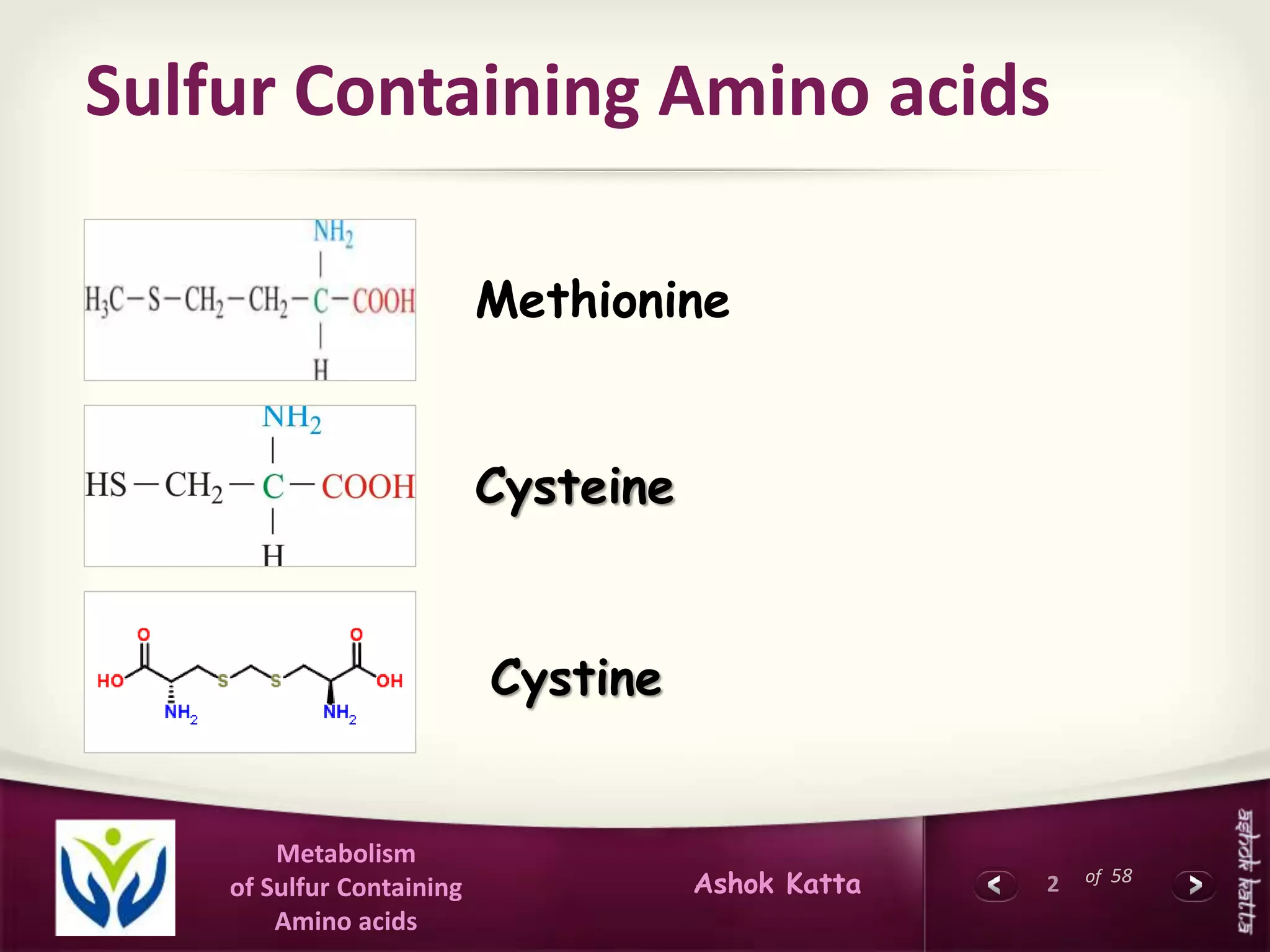
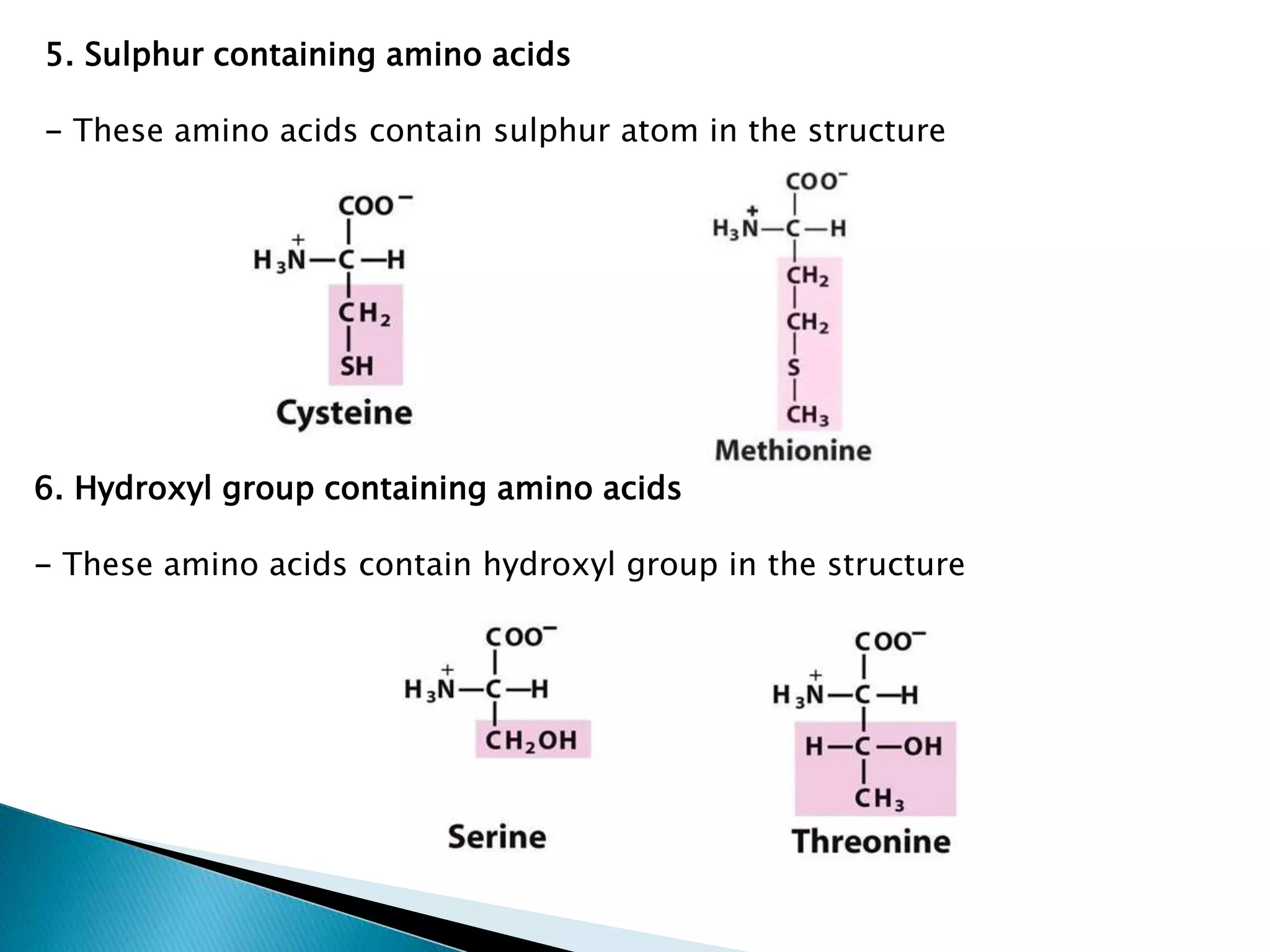
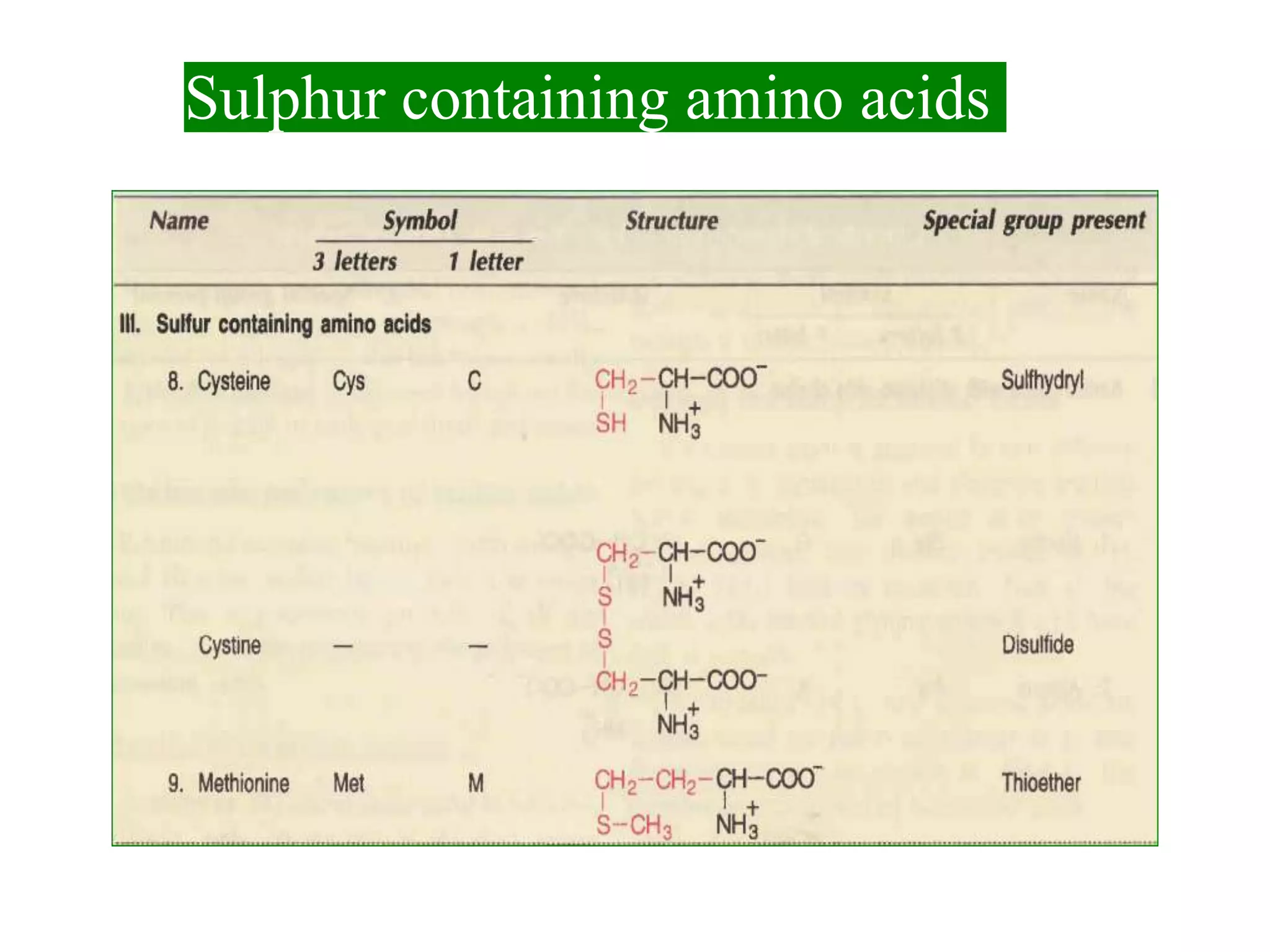
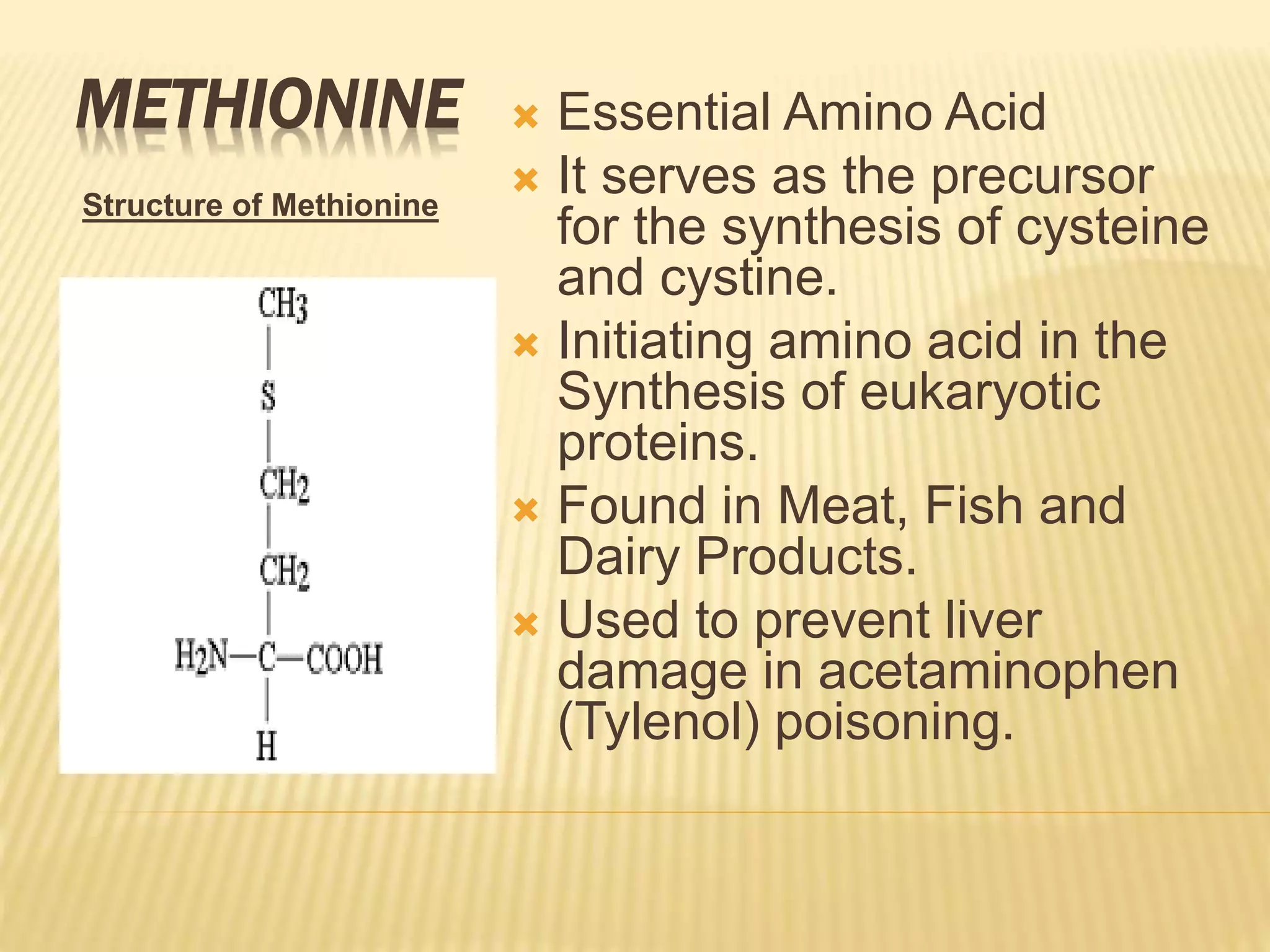
Methionine: HOOC-CH(NH2)-CH2-CH2-S-CH3 (Thioether) Cysteine: HOOC-CH(NH2)-CH2-SH (Thiol / Sulfhydryl) Homocysteine: HOOC-CH(NH2)-CH2-CH2-SH (Homologue Thiol) Cystine: Cysteine-S-S-Cysteine (Disulfide dimer) Taurine: H2N-CH2-CH2-SO3H (Sulfonic acid)
Methionine: The Essential Initiator
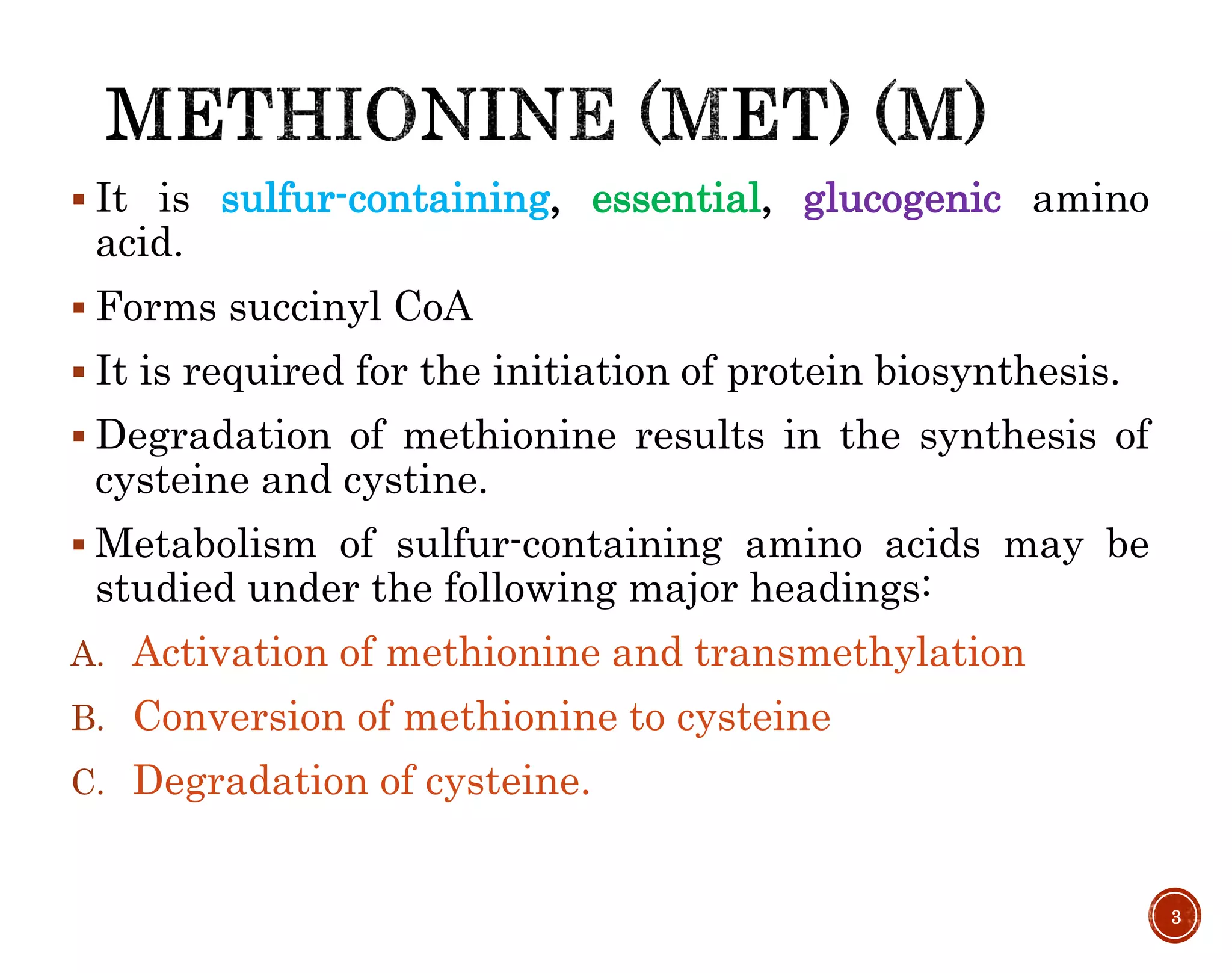
Methionine ($\text{C}5\text{H}{11}\text{NO}_2\text{S}$) is an essential amino acid, meaning the human body cannot synthesize it de novo; it must be obtained entirely through dietary protein sources. Structurally, methionine features a non-polar, hydrophobic side chain containing a thioether linkage ($-\text{C}-\text{S}-\text{C}-$), where the sulfur atom is bonded between two methyl/methylene carbons.
Because of its hydrophobic nature, methionine residues are frequently buried within the interior cores of globular proteins, contributing to hydrophobic stabilization. Beyond structural roles, methionine serves two primary biochemical functions:
- Translation Initiation: In eukaryotic protein synthesis, methionine acts as the universal initiating amino acid. The start codon on messenger RNA (AUG) codes directly for methionine, meaning every newly synthesized nascent polypeptide chain begins with methionine at its N-terminus (though it may be enzymatically cleaved post-translationally).
- Precursor to $S$-Adenosylmethionine (SAMe): Methionine is converted into $S$-adenosylmethionine by the enzyme methionine adenosyltransferase. SAMe acts as the principal methyl donor in biological systems, transferring methyl groups ($-\text{CH}_3$) to DNA, RNA, histones, lipids, and neurotransmitters.
Cysteine: The Reactive Thiol and Disulfide Structural Anchor
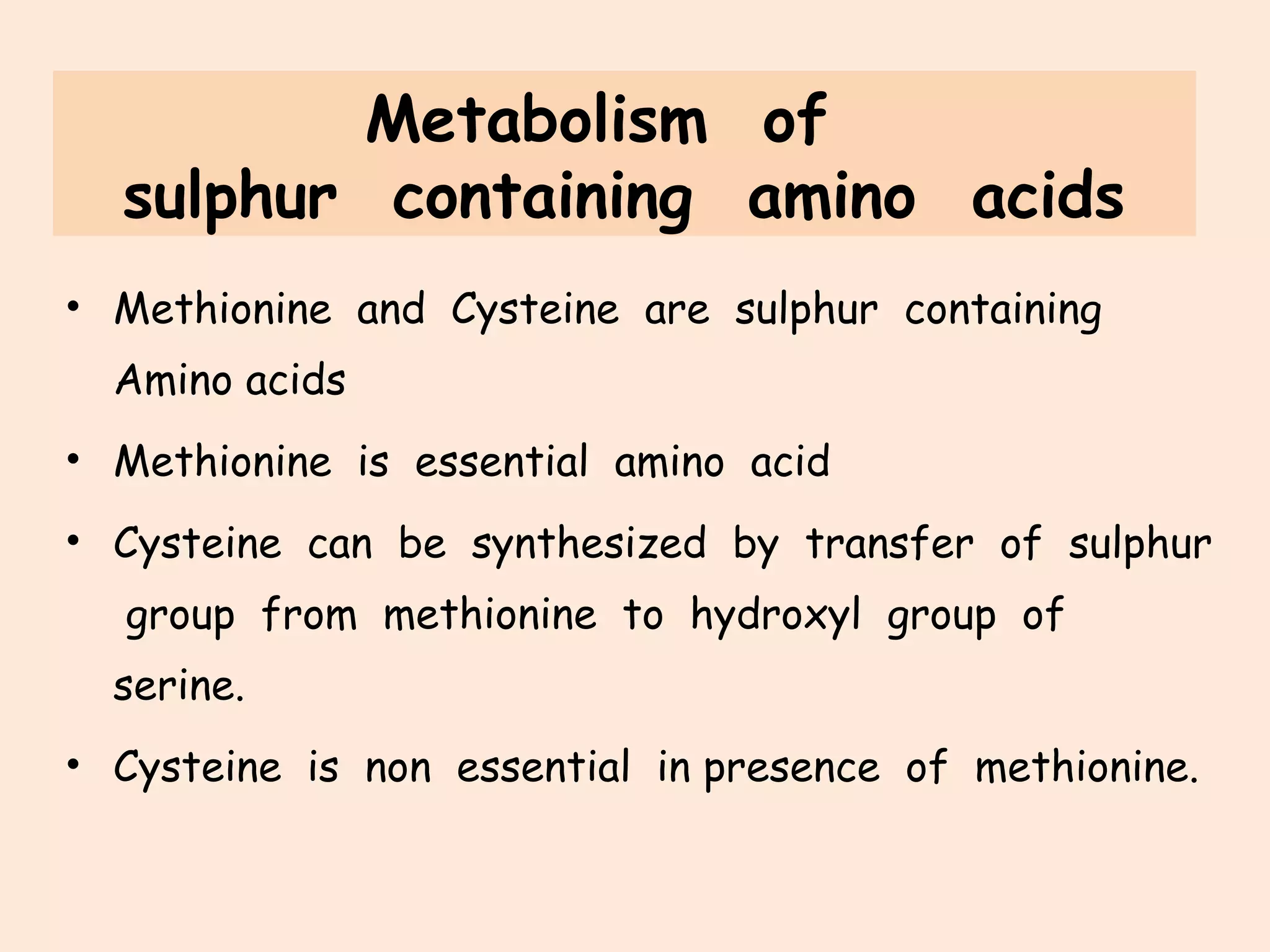
Cysteine ($\text{C}_3\text{H}_7\text{NO}_2\text{S}$) is classified as a conditionally essential (or semi-essential) amino acid. Healthy human adults can synthesize cysteine from methionine through the transsulfuration pathway, provided sufficient dietary methionine and vitamin $B_6$ are present. However, infants, individuals with liver disease, or those experiencing extreme metabolic stress may require direct dietary intake.
Structurally, cysteine contains a highly reactive thiol (sulfhydryl) group ($-\text{SH}$). The thiol group has a $\text{p}K_a$ of approximately 8.3, allowing it to undergo reversible oxidation and deprotonation at physiological pH. Cysteine's chemical reactivity gives rise to several major functions:
- Disulfide Linkages: Under oxidizing conditions, the thiol groups of two nearby cysteine residues can lose electrons and protons to form a covalent disulfide bond ($-\text{S}-\text{S}-$). The resulting dimeric amino acid is termed cystine. Disulfide bonds cross-link polypeptide chains, providing structural stability to secreted extracellular proteins such as antibodies, insulin, extracellular matrix proteins, and keratin in hair and nails.
- Catalytic Activity: Cysteine acts as a nucleophile in the active sites of many enzymes, such as cysteine proteases (e.g., caspases involved in apoptosis) and protein tyrosine phosphatases.
- Metal Binding: The sulfur atom in cysteine readily coordinates with transition metal ions, forming metal-binding domains such as zinc finger proteins and iron-sulfur ($\text{Fe-S}$) clusters essential for electron transport in mitochondria.
Non-Proteinogenic Sulfur Amino Acids and Derivatives
In addition to methionine and cysteine, several non-proteinogenic sulfur amino acids act as metabolic intermediates, cell signaling molecules, or osmotic regulators:
- Homocysteine: A homologue of cysteine containing an additional methylene group ($-\text{CH}_2-$) in its side chain. Homocysteine is not incorporated into proteins during translation; rather, it is a key intermediate formed during the demethylation of SAMe. Elevated circulating homocysteine levels (hyperhomocysteinemia) serve as a clinical biomarker for cardiovascular disease risk, endothelial impairment, and neurodegenerative conditions.
- Cystine: The oxidized dimer composed of two cysteine molecules joined by a disulfide bond. Cystine serves as the predominant transport form of cysteine in blood plasma, where the extracellular environment is relatively oxidizing compared to the reduced intracellular cytoplasm.
- Taurine (2-aminoethanesulfonic acid): An organic amino sulfonic acid derived from cysteine metabolism. Although taurine lacks a carboxylic acid group and is not built into proteins, it is abundant in brain, cardiac, and muscular tissue. Taurine plays vital roles in bile acid conjugation (forming taurocholic acid), osmoregulation, intracellular calcium homeostasis, and membrane stabilization.
- Cystathionine: An intermediate compound produced during the conversion of homocysteine to cysteine by the enzyme cystathionine $\beta$-synthase.
Chemical Properties and Structural Comparison
The structural differences among sulfur-containing amino acids dictate their unique chemical behaviors, solubilities, cellular compartmentalization, and biological duties.
| Amino Acid / Derivative | Classification | Active Sulfur Functional Group | Primary Biological Role | Key Metabolic Pathway |
|---|---|---|---|---|
| Methionine | Essential | Thioether ($-\text{C}-\text{S}-\text{C}-$) | Translation initiation (AUG codon); precursor to SAMe | Methionine Cycle / One-Carbon Metabolism |
| Cysteine | Conditionally Essential | Thiol / Sulfhydryl ($-\text{SH}$) | Disulfide bond formation; catalytic nucleophile; antioxidant precursor | Transsulfuration Pathway / Glutathione Synthesis |
| Cystine | Non-proteinogenic (Dimer) | Disulfide bond ($-\text{S}-\text{S}-$) | Extracellular transport of cysteine; structural stabilization of proteins | Cysteine-Cystine Redox Cycle |
| Homocysteine | Non-proteinogenic (Intermediate) | Thiol / Sulfhydryl ($-\text{SH}$) | Metabolic pivot point between remethylation and transsulfuration | SAMe Demethylation / Transsulfuration |
| Taurine | Non-proteinogenic (Sulfonic Acid) | Sulfonate ($-\text{SO}_3\text{H}$) | Bile acid conjugation; osmotic balance; neuromodulation; calcium regulation | Cysteine Catabolism / Taurine Biosynthesis |
Essential Biological Functions of Sulfur Amino Acids
Sulfur-containing amino acids participate in fundamental cellular mechanisms essential for physiological homeostasis. Their contributions extend from protein architecture to genomic regulation and cell defense.
- Methionine
- S-Adenosylmethionine (SAMe) (via Methionine Adenosyltransferase)
- Methylation (DNA/Proteins)
- Homocysteine
- Remethylation
- Methionine
- Transsulfuration (Vitamin B6)
- Cysteine
- Glutathione (Master Antioxidant)
- Taurine (Bile Salts / Osmoregulation)
- Cysteine
- Remethylation
- S-Adenosylmethionine (SAMe) (via Methionine Adenosyltransferase)
Protein Structure and Disulfide Bonding
Protein folding depends heavily on weak non-covalent interactions (such as hydrogen bonds, ionic bonds, and hydrophobic interactions) alongside covalent cross-links. Cysteine is unique among standard amino acids because its thiol side chain can form covalent disulfide linkages under oxidizing conditions.
Within the endoplasmic reticulum of eukaryotic cells, protein disulfide isomerases assist in forming correct intramolecular and intermolecular disulfide bonds as nascent proteins fold. These bonds lock proteins into their mature tertiary or quaternary conformations. Disulfide bonds are particularly critical for proteins exposed to harsh extracellular environments—such as digestive enzymes, secreted hormones (like insulin), circulating immunoglobulins, and structural proteins (like keratin).
Methyl Group Transfer and Epigenetics
Methionine serves as the direct precursor to $S$-adenosylmethionine (SAMe), often referred to as the body's universal methyl donor. When SAMe transfers its activated methyl group to an acceptor molecule via methyltransferase enzymes, it converts into $S$-adenosylhomocysteine (SAH), which is subsequently hydrolyzed to yield homocysteine.
This methyl transfer pathway, known as one-carbon metabolism, is essential for:
- Epigenetic Regulation: Methylation of cytosine bases in DNA (forming 5-methylcytosine) and histone tail modifications control gene expression without altering the underlying DNA sequence.
- Neurotransmitter Synthesis: Enzymes rely on SAMe to synthesize epinephrine, melatonin, and acetylcholine, as well as to metabolize dopamine and norepinephrine.
- Phospholipid Biosynthesis: Converting phosphatidylethanolamine to phosphatidylcholine in cell membranes requires three sequential methyl transfers from SAMe.
- Creatine Production: The synthesis of creatine, vital for cellular energy storage in skeletal muscle and brain tissue, accounts for a large portion of systemic SAMe consumption.
Cellular Defense and Antioxidant Systems
Cysteine is the rate-limiting amino acid precursor in the synthesis of glutathione ($\gamma$-L-glutamyl-L-cysteinylglycine), the primary endogenously produced intracellular antioxidant. Glutathione exists in reduced (GSH) and oxidized (GSSG) states.
The reactive sulfhydryl group on glutathione's cysteine residue directly scavenges reactive oxygen species (ROS), peroxides, and free radicals. The enzyme glutathione peroxidase utilizes GSH to neutralize hydrogen peroxide ($\text{H}_2\text{O}_2$) and lipid hydroperoxides into water and alcohol, converting GSH into GSSG. The enzyme glutathione reductase subsequently restores GSSG back to GSH using NADPH as an electron donor.
Furthermore, cysteine acts as a precursor for the enzymatic production of hydrogen sulfide ($\text{H}_2\text{S}$), a gaseous signaling molecule (gasotransmitter) alongside nitric oxide ($\text{NO}$) and carbon monoxide ($\text{CO}$). Synthesized via cystathionine $\gamma$-lyase and cystathionine $\beta$-synthase, $\text{H}_2\text{S}$ regulates vascular tone, promotes vasodilation, inhibits neuroinflammation, and modulates mitochondrial energy production.
Metabolic Pathways: Transsulfuration and One-Carbon Cycle
The metabolism of sulfur amino acids relies on an interconnected network of biochemical pathways: the methionine cycle, the folate cycle, and the transsulfuration pathway. These pathways require specific B-vitamin cofactors to function efficiently.
The Methionine Cycle and Remethylation
Once methionine is converted to SAMe and demethylated to homocysteine, the cell faces a crucial metabolic decision: remethylate homocysteine back to methionine, or divert it into the transsulfuration pathway to produce cysteine.
Homocysteine remethylation occurs via two distinct mechanisms:
- Folate/Vitamin $B_{12}$-Dependent Pathway: The enzyme methionine synthase (MS) transfers a methyl group from 5-methyltetrahydrofolate (5-MTHF, active folate) to homocysteine, forming methionine. This reaction requires methylcobalamin (active Vitamin $B_{12}$) as an essential cofactor. A deficiency in either folate or vitamin $B_{12}$ impairs this reaction, resulting in homocysteine accumulation and impaired DNA synthesis.
- Betaine-Dependent Pathway: In liver and kidney cells, the enzyme betaine-homocysteine $S$-methyltransferase (BHMT) can remethylate homocysteine to methionine using betaine (trimethylglycine) as a methyl donor, independent of vitamin $B_{12}$ or folate.
The Transsulfuration Pathway
When cellular SAMe levels are high or cysteine supplies are depleted, homocysteine is directed down the transsulfuration pathway:
- Cystathionine Synthesis: Homocysteine condenses with a serine molecule to form cystathionine, catalyzed by cystathionine $\beta$-synthase (CBS). This step requires pyridoxal 5'-phosphate (PLP), the active form of Vitamin $B_6$.
- Cysteine Cleavage: Cystathionine is subsequently cleaved by cystathionine $\gamma$-lyase (also $B_6$-dependent) to yield cysteine, $\alpha$-ketobutyrate, and ammonia.
Cysteine generated via transsulfuration can then be directed into glutathione synthesis, oxidized to taurine, or catabolized into inorganic sulfate ($\text{SO}_4^{2-}$), which is excreted in urine or used for sulfation reactions (e.g., glycosaminoglycan synthesis and drug phase II detoxification).
Nutritional Sources, Dietary Requirements, and Health Implications
Because humans cannot synthesize methionine, sulfur amino acids must be consistently supplied through dietary protein. The body's requirement for sulfur amino acids is generally calculated as a combined total of methionine plus cysteine, because dietary cysteine reduces the net requirement for methionine by filling downstream metabolic needs.
Dietary Protein Sources
Sulfur-containing amino acids are present in both animal and plant proteins, though their concentrations vary significantly based on the food source:
- Animal Proteins: Eggs, poultry (chicken and turkey), beef, fish, pork, and dairy products (whey, casein, cheese) are naturally rich sources of methionine and cysteine. Whole egg protein has one of the highest concentrations of sulfur amino acids among natural whole foods.
- Plant Proteins: Legumes (beans, lentils, peas, and soy) generally contain lower levels of methionine relative to total protein content. Conversely, sesame seeds, Brazil nuts, sunflower seeds, hemp seeds, spirulina, and cereal grains (such as oats, rice, and wheat) contain higher proportions of sulfur amino acids.
Combinations of plant foods—such as grains paired with legumes (e.g., brown rice and black beans)—provide complementary amino acid profiles that easily satisfy human daily amino acid requirements.
Health Implications of Imbalance
Both deficiency and excessive intake of sulfur-containing amino acids can affect human health.
Sulfur Amino Acid Deficiency
Inadequate intake of methionine and cysteine—often associated with severe protein-energy malnutrition or restrictive diets with insufficient protein diversity—can impair protein synthesis. Physiological consequences include:
- Reduced glutathione synthesis, leading to elevated oxidative stress and compromised immune cell response.
- Decreased synthesis of structural proteins, manifesting as hair loss, skin lesions, and brittle nails.
- Fatty liver development (steatosis) due to impaired synthesis of phosphatidylcholine needed for very-low-density lipoprotein (VLDL) secretion from hepatic tissues.
Hyperhomocysteinemia and Cardiovascular Risk
When the enzymatic pathways that clear homocysteine are impaired—due to genetic mutations in the MTHFR or CBS genes, or dietary deficiencies in vitamins $B_6$, $B_{12}$, or folate—homocysteine accumulates in the bloodstream.
Elevated blood homocysteine (hyperhomocysteinemia) promotes oxidative damage to vascular endothelial cells, enhances smooth muscle cell proliferation, and accelerates thrombosis formation. It stands as an established clinical marker associated with increased risk for coronary artery disease, stroke, venous thromboembolism, and cognitive decline.
Dietary Restriction and Longevity Research
Biomedical research in animal models (including rodents and invertebrate species) demonstrates that methionine restriction—reducing dietary methionine intake without inducing overall malnutrition—can extend lifespan and improve metabolic health. Proposed mechanisms include:
- Reduced mitochondrial production of reactive oxygen species.
- Downregulation of the nutrient-sensing mTOR (mechanistic target of rapamycin) signaling pathway.
- Enhanced insulin sensitivity and increased energy expenditure via upregulation of fibroblast growth factor 21 (FGF21).
In human observational nutrition studies, high consumption of sulfur-containing amino acids has been correlated with increased risk markers for metabolic syndrome and cardiovascular disease in certain cohorts, prompting ongoing clinical investigations into the optimal balance of plant versus animal protein intake.
Frequently Asked Questions
Which amino acids contain sulfur?
The two standard proteinogenic amino acids that contain sulfur are methionine and cysteine. In addition, several key non-proteinogenic amino acids and metabolic derivatives contain sulfur, including homocysteine, cystine, and taurine.
Why is sulfur important in protein structure?
Sulfur is critical for protein structure primarily through the formation of disulfide bonds between cysteine residues. Disulfide bonds are strong covalent cross-links that stabilize the folded three-dimensional shape of proteins, protecting them from denaturation in extracellular environments.
What is the structural difference between methionine and cysteine?
Methionine contains a non-polar thioether group ($-\text{C}-\text{S}-\text{CH}_3$) within its side chain, making it hydrophobic and unreactive under normal cellular conditions. Cysteine contains a polar, highly reactive thiol (sulfhydryl) group ($-\text{SH}$), which can readily form covalent disulfide bonds, bind metal ions, and participate in oxidation-reduction reactions.
How does vitamin B deficiency affect sulfur amino acid metabolism?
Vitamins $B_6$, $B_{12}$, and folate (vitamin $B_9$) act as essential cofactors in the methionine and transsulfuration cycles. A deficiency in vitamin $B_{12}$ or folate inhibits the conversion of homocysteine back into methionine, while a deficiency in vitamin $B_6$ blocks the conversion of homocysteine into cysteine. Both scenarios result in elevated homocysteine levels in the blood (hyperhomocysteinemia).
What is the connection between cysteine and glutathione?
Cysteine provides the reactive sulfhydryl group ($-\text{SH}$) required to build glutathione, a tripeptide composed of glutamate, cysteine, and glycine. Because intracellular cysteine levels are lower than glutamate or glycine, cysteine availability serves as the rate-limiting step in cellular glutathione synthesis.
Summary and Recommendations
Sulfur-containing amino acids represent a distinct chemical class essential to human structural biology, epigenetics, and antioxidant balance. Methionine provides the foundational start signal for protein synthesis and supplies methyl groups via SAMe for genomic regulation. Cysteine offers dynamic reactivity through its thiol group, conferring structural integrity to extracellular proteins via disulfide linkages and protecting cells against oxidative stress as the core constituent of glutathione.
To maintain healthy sulfur amino acid metabolism:
- Ensure Adequate B-Vitamin Intake: Consume sufficient dietary sources or supplements of vitamin $B_6$, vitamin $B_{12}$, and active folate (5-MTHF) to keep the methionine-homocysteine cycle operating efficiently and prevent homocysteine buildup.
- Balance Protein Sources: Incorporate a varied mixture of dietary proteins. While animal products provide concentrated sulfur amino acids, plant sources like whole grains, nuts, seeds, and legumes supply complementary amino acids alongside dietary fiber and protective phytonutrients.
- Monitor Biomarkers if at Risk: Individuals with a history of cardiovascular disease, metabolic syndrome, or genetic variants affecting one-carbon metabolism (such as MTHFR polymorphisms) should periodically check plasma homocysteine levels in consultation with a physician or registered dietitian.
EDITORIAL CATEGORY METADATA:
Image Gallery