What Does DiGiorno Mean in Italian? Etymology, Grammar, and Brand History
In Italian, the phrase "di giorno" translates literally to "of the day" or "by day." Formed by combining the preposition di ("of" or "from") with the noun giorno ("day"), it functions grammatically as an adverbial phrase referring to d...
In Italian, the phrase "di giorno" translates literally to "of the day" or "by day." Formed by combining the preposition di ("of" or "from") with the noun giorno ("day"), it functions grammatically as an adverbial phrase referring to daytime or daily occurrences. In a culinary context, it evokes the concept of fresh daily specials.
Contents
Linguistic Breakdown: The Etymology of "Di Giorno"
To understand what DiGiorno means, it helps to examine the two distinct Italian words that make up the name:
- Di (preposition): Means "of," "from," "by," or "in." It indicates possession, origin, composition, or time.
- Giorno (noun): Means "day." It derives from the Late Latin diurnum, which comes from the Latin adjective diurnus ("pertaining to the day").
When written as two separate words in standard Italian—di giorno—the phrase is most commonly used as a time-related adverbial expression meaning "during the day" or "by day." For example, an Italian speaker might say, Lavoro di giorno e studio di notte ("I work by day and study at night").
- di (preposition): "of / by"
- giorno (noun): "day"
- di giorno (adverbial phrase): "by day / of the day"
"Di Giorno" vs. "Del Giorno" in Italian Culinary Tradition
While di giorno translates literally to "of day," traditional Italian menus and culinary parlance more frequently employ the contracted form del giorno ("of the day") when referring to daily specials.
- Piatto del giorno: Dish of the day / Daily special
- Zuppa del giorno: Soup of the day
- Pesce del giorno: Catch of the day
In standard Italian grammar, combining the preposition di with the masculine definite article il ("the") yields the articulated preposition del. Therefore, while di giorno literally communicates the concept of daily freshness, del giorno is the grammatically precise phrase an Italian restaurateur would use on a menu board.
Why the Brand Chose the Name "DiGiorno"
The brand name DiGiorno was deliberately constructed to evoke authentic Italian culinary tradition and daily freshness for American consumers.
The History of the DiGiorno Brand
Kraft Foods originally introduced the DiGiorno brand name in 1989, not for frozen pizza, but for a line of refrigerated pastas and sauces. The marketing strategy was to signal to shoppers that the pasta was fresh rather than dried—made fresh "of the day."
- 1989: Kraft launches refrigerated pastas/sauces
- 1995: DiGiorno Rising Crust Pizza debuts with famous slogan
- 2010: Nestlé acquires DiGiorno pizza line for $3.7 billion
In 1995, Kraft expanded the DiGiorno name to a new line of frozen pizzas featuring self-rising crust technology. Prior to this innovation, most frozen pizzas had hard, pre-baked crusts. The rising crust allowed the dough to bake and expand in the consumer's home oven for the first time, producing a texture similar to fresh pizzeria dough.
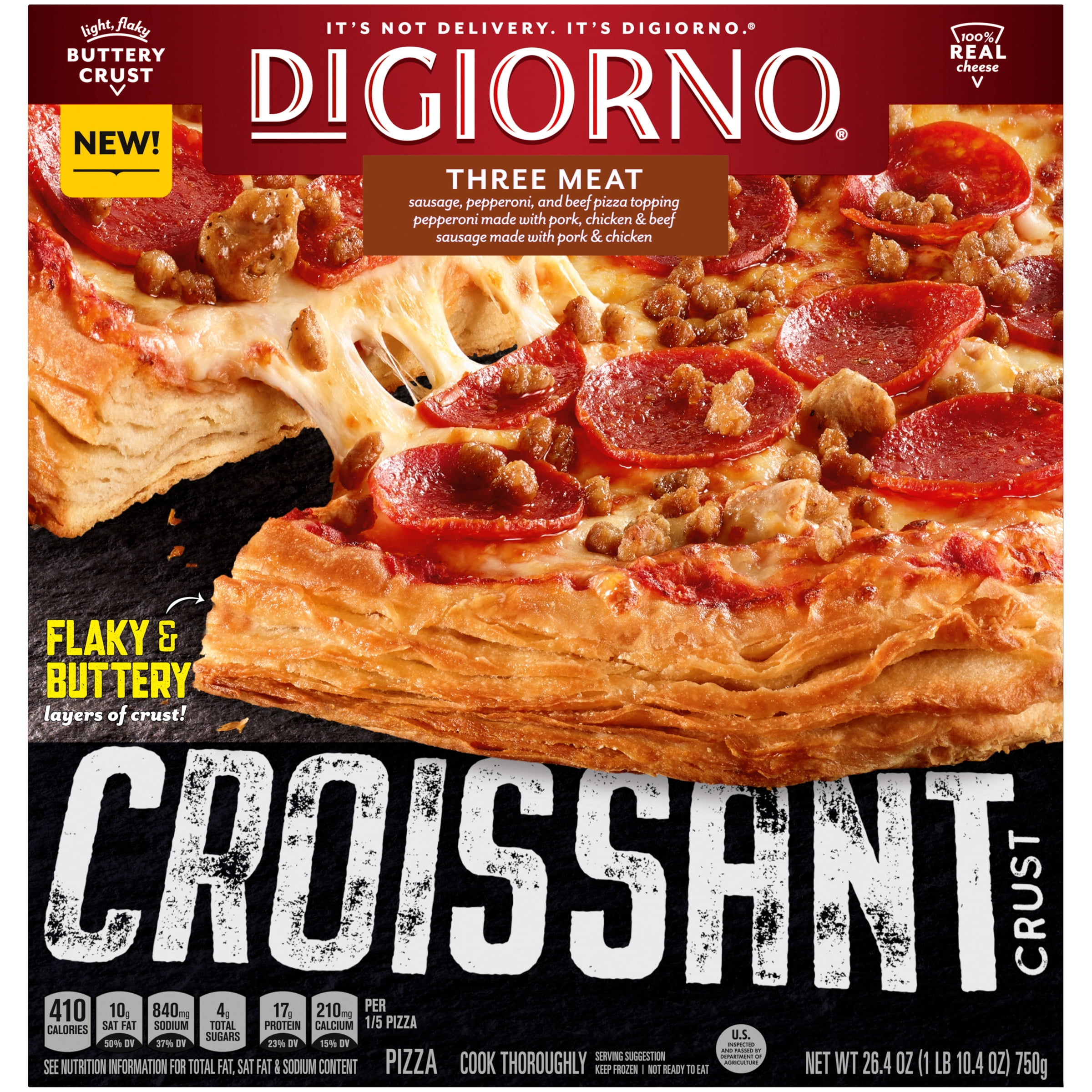
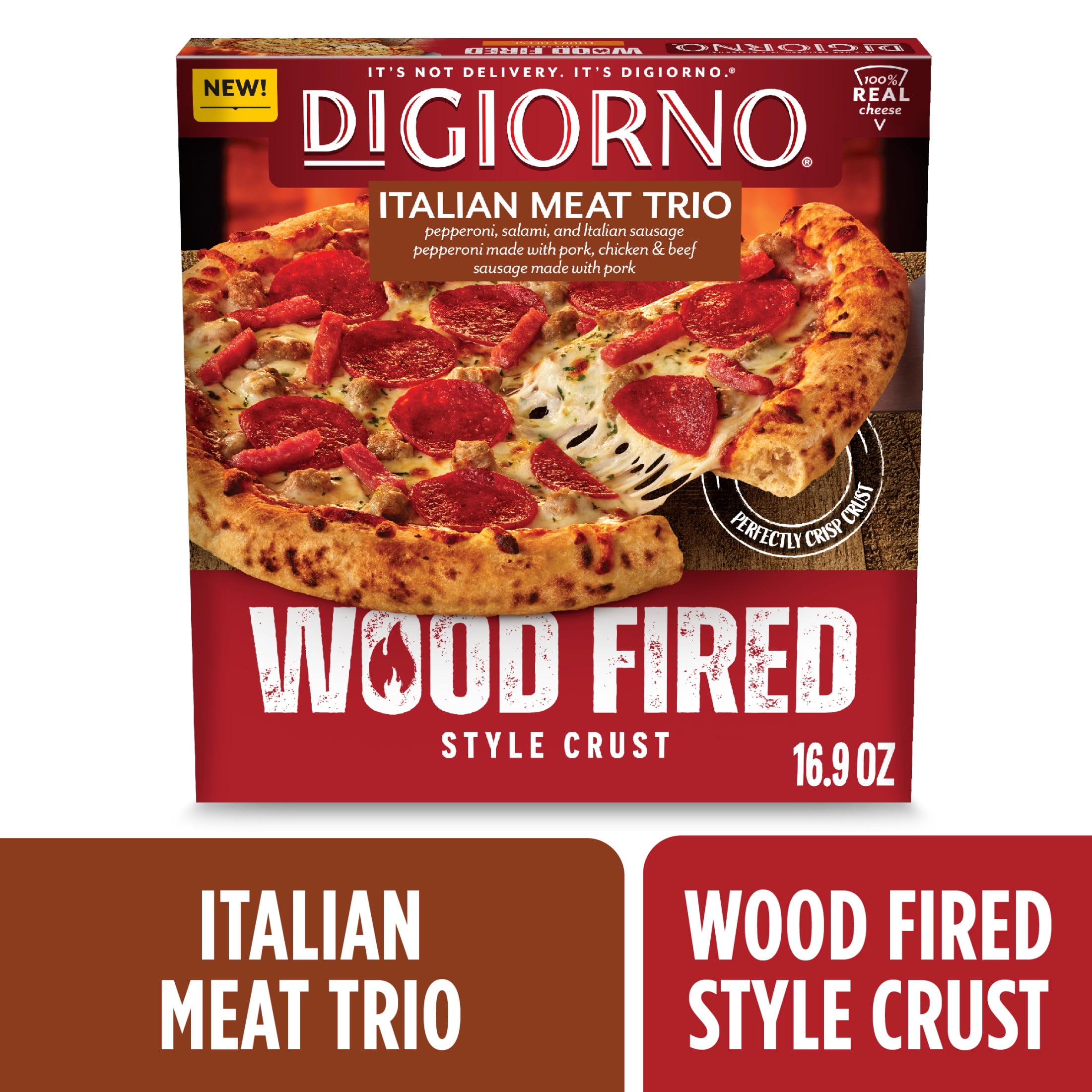
To highlight this product distinction, Kraft introduced the now-famous advertising campaign: "It's not delivery. It's DiGiorno." In 2010, Swiss food conglomerate Nestlé acquired Kraft’s North American frozen pizza business—including DiGiorno—for $3.7 billion.
The Marketing Strategy of "Italian Sounding"
In consumer psychology, using foreign-sounding brand names to convey specific product attributes is known as foreign branding. Italian names, in particular, carry strong commercial associations with high-quality food, traditional craftsmanship, and culinary authenticity.
By combining two genuine Italian words into a single camel-cased brand name (DiGiorno), the creators achieved three marketing goals:
- Conveyed Freshness: The literal translation ("of the day") suggested daily preparation.
- Established Authenticity: The Italian phonetics aligned the brand with traditional pizza making.
- Created a Distinctive Trademark: Joining di and giorno into one word allowed for a unique, protectable brand identity.
Italian Grammar Rules vs. Brand Capitalization
There are key differences between standard Italian grammar and the stylized branding used by corporate trademark holders.
| Linguistic / Brand Feature | Standard Italian Language | DiGiorno Commercial Brand |
|---|---|---|
| Orthography (Spacing) | Two separate words (di giorno) | Single compound word (DiGiorno) |
| Capitalization | Lowercase unless starting a sentence (di giorno) | CamelCase with capitalized 'D' and 'G' |
| Grammatical Function | Temporal adverbial phrase ("by day") | Proper noun / Registered trademark |
| Culinary Usage | Prefers del giorno for food ("of the day") | Uses DiGiorno to evoke fresh preparation |
| Pronunciation (Phonetics) | /di ˈdʒorno/ (Soft 'g' sound as in joy) |
Standard Americanized /dɪˈdʒɔːrnoʊ/ |
Spacing and Orthography
In standard Italian, prepositions and nouns are written separately. Merging them into a single capitalized word like DiGiorno is an American marketing convention rather than a feature of Italian orthography.
Italian Pronunciation Guide
For native English speakers wanting to pronounce di giorno with correct Italian phonetics:
- di: Pronounced like the English word "dee" (short, clean vowel sound).
- giorno: The gi produces a soft "j" sound (like the j in jump). The o sounds are rounded, and the single r is slightly flipped against the roof of the mouth.
Common Italian-Sounding Food Brands Decoded
DiGiorno is one of many food products in North American supermarkets that use Italian linguistic roots to establish brand identity. The table below decodes several prominent examples:
| Brand / Term | Italian Translation / Meaning | Linguistic Origin | Actual Product Category |
|---|---|---|---|
| DiGiorno | "Of the day" / "By day" | Di (of) + giorno (day) | Frozen Pizza & Pasta |
| Prego | "You're welcome" / "Please" | 1st person singular of pregare (to pray/request) | Jarred Pasta Sauce |
| Ragu | "Meat sauce" | Adapted from Italian ragù (derived from French ragoût) | Jarred Pasta Sauce |
| Fazoli's | Pseudo-Italian / No literal meaning | Derived from fagioli (beans) | Fast-Casual Italian Chain |
| Bertolli | Family surname | Originating from founder Francesco Bertolli (Lucca, Italy) | Olive Oil & Frozen Meals |
| Barilla | Family surname | Originating from founder Pietro Barilla (Parma, Italy) | Pasta & Sauce |
| Primo Taglio | "First cut" | Primo (first) + taglio (cut) | Deli Meats & Cheeses |
Pizza Culture: Italy vs. North America
Understanding the name DiGiorno also highlights the cultural differences between authentic Italian pizza traditions and North American commercial pizza products.
| Italian Pizza Tradition | North American Frozen Pizza |
|---|---|
| Thin crust (Neapolitan/Roman) | Thicker, doughier rising crusts |
| Simple, fresh, local toppings | Generous, heavily layered toppings |
| Baked at 800°F+ wood-fired heat | Baked in standard home ovens at 400°F |
| Made fresh daily ("del giorno") | Flash-frozen for long shelf life |
The Concept of Freshness in Italy
In Italy, pizza is inherently a fresh, artisanal product. Neapolitan pizza (Pizza Napoletana), protected by Traditional Speciality Guaranteed (TSG) status in Europe, must be prepared fresh with specific ingredients like San Marzano tomatoes and Mozzarella di Bufala Campana, then baked in a wood-fired oven at high temperatures for 60 to 90 seconds.
Because traditional Italian pizza relies on immediate preparation, the concept of a "frozen pizza" representing daily freshness (di giorno) is an American marketing innovation designed to bridge the gap between convenient home storage and fresh bakery quality.
Frequently Asked Questions
Is DiGiorno a real word in Italian?
As a single word with an uppercase 'G', no. In standard Italian, it is written as two words: di giorno. It functions as an adverbial phrase meaning "during the day" or "by day."
Why isn't the brand named "DelGiorno"?
While del giorno is the grammatically correct phrase for "of the day" when referring to menu specials, DiGiorno was chosen for its simpler spelling, distinctive sound, and ease of trademark protection in English-speaking markets.
Who owns the DiGiorno brand today?
DiGiorno is owned by Nestlé, the global food conglomerate. Nestlé purchased Kraft Foods' North American frozen pizza business in 2010.
What is the original Italian slogan for pizza of the day?
An Italian restaurant offering daily specials would display "Piatto del giorno" (Dish of the day) or "Pizza del giorno" (Pizza of the day) on its menu board.
Does DiGiorno pizza exist in Italy?
No. DiGiorno is a North American brand sold primarily in the United States and Canada. In Canada, the same product line is sold under the brand name Delissio.
Key Takeaway
The name DiGiorno is a clever combination of Italian etymology and American marketing strategy. By bringing together the Italian preposition di ("of") and the noun giorno ("day"), the brand created a name that literally means "of the day"—evoking the image of fresh, daily preparation while delivering a convenient frozen product.
Image Gallery