MetLife Group Life Insurance Conversion: Complete Guide to Options, Deadlines, and Rates
MetLife group life insurance conversion allows employees losing their group coverage to transition their benefit into an individual permanent whole life insurance policy without submitting to a medical exam or demonstrating evidence of...
MetLife group life insurance conversion allows employees losing their group coverage to transition their benefit into an individual permanent whole life insurance policy without submitting to a medical exam or demonstrating evidence of insurability. To preserve coverage, eligible individuals must complete the application process and submit their first premium within 31 days of group benefit termination.
Contents
What Is MetLife Group Life Insurance Conversion?
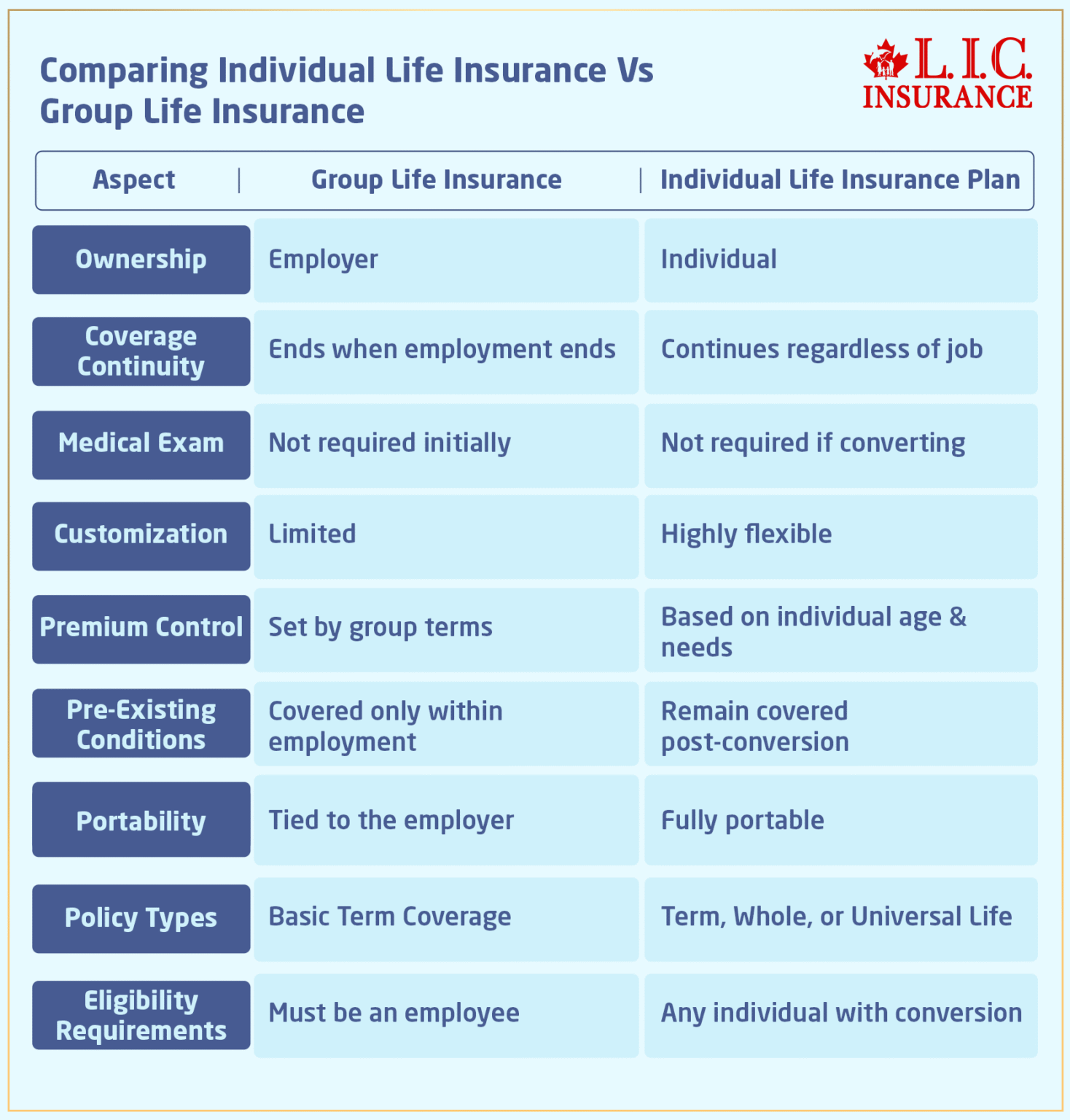
Group life insurance provided through an employer is typically a term life insurance policy. While highly affordable during employment, group coverage ends when an employee resigns, retires, experiences a reduction in working hours, or is laid off. A group policy may also end if the employer terminates its master contract with Metropolitan Life Insurance Company (MetLife).
The conversion privilege is a contractual provision within MetLife group contracts that grants covered employees and insured dependents the right to purchase an individual life insurance policy without proving good health. This guaranteed issue feature ensures that individuals who have developed serious health conditions, suffered chronic illnesses, or reached advanced ages can secure lifelong life insurance protection despite uninsurability on the open market.
Unlike the original group policy, which is typically a term contract providing simple death benefit coverage for a specific period, converted policies under MetLife rules are issued as individual permanent whole life insurance. Permanent policies remain in effect for the policyholder's entire lifetime—provided required premiums are paid on time—and build guaranteed cash value over time.
MetLife Conversion vs. Portability: Key Differences
Departing employees evaluating their options after losing group life benefits often confuse conversion with portability. Although both mechanisms allow an individual to preserve life insurance protection after leaving an employer, they operate under distinct contractual rules, pricing structures, and eligibility conditions.
Conversion
- Policy Structure: Transitions group term coverage into an individual permanent whole life insurance policy.
- Underwriting: Guaranteed issue. No health questions, physical examinations, or medical record reviews are required.
- Eligibility: Available to almost all covered employees losing coverage due to employment termination, loss of class eligibility, or group master contract cancellation.
- Cost: Premiums are based on MetLife's standard individual whole life rates for the applicant's attained age at the time of conversion. Because whole life insurance offers permanent lifetime coverage and cash value accumulation, conversion premiums are substantially higher than group term rates.
Portability
- Policy Structure: Continues coverage as a group or individual term life insurance policy.
- Underwriting: May require simplified underwriting or evidence of insurability, depending on the specific master contract and requested coverage amount.
- Eligibility: Often restricted. Portability is usually unavailable if the employee is leaving due to sickness, injury, or disability, or if the employer's master group contract has been terminated.
- Cost: Premiums are based on term insurance rates mapped to five-year age brackets. While initially less expensive than permanent whole life conversion, portable term rates increase progressively as the insured enters older age bands and do not accumulate cash value.
Comparison Matrix: MetLife Conversion vs. Portability
| Attribute | MetLife Group Conversion | MetLife Group Portability |
|---|---|---|
| Policy Type | Individual Permanent Whole Life | Individual or Group Term Life |
| Evidence of Insurability | None (Guaranteed Issue) | May be required depending on plan |
| Medical Exams | Never required | Subject to contract conditions |
| Cash Value Accumulation | Yes (Guaranteed cash value growth) | No (Pure protection only) |
| Impact of Poor Health | Standard rates apply regardless of health | May limit eligibility or increase rates |
| Reason for Leaving Job | Resignation, layoff, retirement, or disability | Usually restricted if leaving due to disability |
| Premium Cost Profile | Higher initial cost; fixed permanent rate | Lower initial cost; increases with age |
| Maximum Coverage Limit | Up to existing group coverage amount | Capped by plan terms and age limits |
Eligibility Rules and the 31-Day Conversion Window
The right to convert a MetLife group life policy is governed by strict contractual and regulatory deadlines. Understanding these timing constraints is vital to preventing an accidental lapse in coverage.
- Group Coverage Ends (Termination / Retirement / Loss of Hours)
- Day 1 to Day 31 Conversion Window (Submit Application & First Premium to MetLife)
- Application Submitted (Guaranteed Issue Active)
- No Action Taken (Conversion Rights Expire)
The Mandatory 31-Day Window
By standard policy terms and insurance regulatory standards established by state insurance departments and the National Association of Insurance Commissioners (NAIC), departing employees have exactly 31 days from the date their group coverage terminates to exercise their conversion rights.
During this 31-day grace period, the individual remains fully covered under the employer's group life policy. If the insured person dies within this 31-day window—even before submitting a conversion application—MetLife must pay the full group death benefit to the designated beneficiaries, provided the employer confirms the coverage was active prior to termination.
If the 31-day conversion window expires without MetLife receiving the completed application and initial premium payment, the right to convert without medical underwriting is permanently forfeited.
Triggering Events for Conversion Eligibility
An employee or dependent typically becomes eligible for MetLife group life conversion under the following circumstances:
- Employment Termination: Voluntary resignation, retirement, or involuntary layoff.
- Reduction in Working Hours: Moving from full-time status to part-time status, causing a loss of benefit eligibility under plan rules.
- Loss of Dependent Status: A covered spouse losing eligibility due to divorce, or a child reaching the maximum age limit for dependent coverage under the master plan.
- Termination of Master Group Policy: If the employer cancels its group life contract with MetLife or drops coverage for a specific class of employees, workers covered under the plan for a minimum period (typically 5 consecutive years) gain conversion rights up to state-specific maximum limits.
How Premium Rates Are Calculated
A primary consideration when evaluating MetLife group life conversion is the financial cost. Because converted policies are individual whole life contracts issued without medical underwriting, the premium rates reflect unique pricing parameters.
Factors Influencing Conversion Premiums
- Attained Age: Rates are calculated using your exact age on the date the converted policy takes effect. Because mortality risk increases with age, converting a policy at age 60 costs significantly more per $1,000 of coverage than converting at age 35.
- Whole Life Cash Structure: Unlike term insurance, whole life premiums build cash value that grows on a tax-deferred basis according to guaranteed rate schedules. A portion of every premium payment funds this cash reserve, increasing the baseline cost relative to term insurance.
- Standard Risk Pool (No Health Discounts): MetLife calculates conversion rates based on standard mortality tables. Applicants cannot be rated down or declined due to severe illnesses, but healthy applicants also cannot qualify for preferred health discounts that are available on medically underwritten individual policies.
- Gender and Tobacco Use: Depending on state regulation and policy terms, conversion rates may differentiate between tobacco users and non-tobacco users, as well as distinct gender-based mortality tables.
Evaluating Financial Viability
For individuals with major pre-existing medical conditions (such as active cancer treatment, cardiovascular disease, or severe diabetes), MetLife conversion represents an invaluable financial safety net. Obtaining alternative coverage on the open market would either be prohibitively expensive or impossible due to medical declination.
Conversely, individuals in excellent health should compare MetLife conversion quotes against fully underwritten individual term or permanent policies from top-rated insurers. Healthy applicants can frequently secure significantly lower premiums or higher coverage limits by undergoing standard medical underwriting.
Step-by-Step Guide to Converting Your MetLife Policy
Navigating the conversion process requires coordination between the employee, the employer's human resources department, and MetLife's group conversion service department.
Step 1: Obtain the Official Notice of Conversion Rights
When group life benefits end, employer HR departments are obligated to provide departing workers with a formal Notice of Conversion Rights form. This document verifies:
- The exact date group coverage terminates.
- The total face amount of basic and supplemental life coverage eligible for conversion.
- The employer’s group policy number and plan reporting details.
If your employer fails to provide this form automatically, request it immediately from your benefits administrator.
Step 2: Contact MetLife’s Group Conversion Unit
To initiate the conversion process, contact MetLife directly or work through the dedicated conversion center specified in your severance or benefits offboarding package. You will need to request a personalized conversion rate quote based on your age, desired coverage amount, and state of residence.
Step 3: Select Your Final Coverage Amount
You are not required to convert 100% of your prior group coverage amount. You may elect to convert a smaller dollar amount to keep recurring premium costs within your budget. However, you cannot convert a coverage amount greater than your former group life benefit.
Step 4: Complete the MetLife Conversion Application
Accurately complete the official MetLife Group Life Insurance Conversion Application. Ensure the following details match employer records:
- Full legal name, address, and Social Security Number.
- Group Master Policy Number.
- Termination date of group coverage.
- Designation of primary and contingent beneficiaries.
Step 5: Calculate and Attach the First Premium Payment
The conversion application must be accompanied by the full first premium payment (monthly, quarterly, semi-annually, or annually, as selected on the application). Applications submitted without initial payment will be delayed, risking expiration of the 31-day window.
Step 6: Submit via Certified Mail or Secure Portal
Submit the completed application, Notice of Conversion Rights, and initial premium to MetLife before the 31-day deadline. If mailing physical documents, use certified mail with return receipt requested to establish proof of timely filing.
Common Mistakes and Strategic Pitfalls
Navigating group insurance conversion involves strict administrative procedures. Avoiding common operational errors preserves your coverage rights.
- Missing the 31-Day Expiration Date: Relying on employer reminders can lead to missed deadlines. The 31-day clock begins when group coverage terminates, not when you open your offboarding mail.
- Assuming Auto-Draft Continues: Payroll deductions for group insurance end with your final paycheck. Converted policies require establishing new direct payment methods with MetLife.
- Confusing Basic and Supplemental Coverage: Some master contracts treat basic employee life and voluntary supplemental life under different conversion rules. Ensure your application explicitly accounts for all eligible coverage lines.
- Failing to Update Beneficiaries: Group policy beneficiary designations do not always transfer automatically to converted individual policies. Explicitly define primary and contingent beneficiaries on the conversion application.
Frequently Asked Questions
Can MetLife deny my conversion application due to poor health?
No. MetLife group life insurance conversion is guaranteed issue. Provided you were covered under an eligible group plan and submit your complete application and premium within 31 days of coverage termination, MetLife cannot deny coverage or adjust your rates based on your medical history.
What happens if an employee dies during the 31-day conversion window?
If an eligible individual dies within the 31-day conversion window, the full group life insurance death benefit is paid to their designated beneficiaries under the terms of the employer's master group contract, regardless of whether a conversion application was submitted.
Can I convert my spouse’s or child’s group coverage?
Yes. Dependent spouses and children who lose group life coverage due to employee termination, divorce, age limits, or the death of the primary employee typically have independent conversion rights under MetLife group contracts, subject to the standard 31-day deadline.
Can I convert my group life policy into a lower-cost term policy?
Standard MetLife group conversion privileges apply exclusively to individual permanent whole life insurance contracts. If you prefer term insurance, you must evaluate whether your contract offers a separate portability feature or apply for a new individual term policy subject to full medical underwriting.
What is the maximum amount of life insurance I can convert?
Generally, you can convert up to the total face value of the group life insurance coverage you held prior to termination. However, if your eligibility ends because your employer cancelled its master group contract, state insurance laws may cap the conversion amount (for example, limiting coverage to $10,000 or the amount lost minus any new group policy secured within 31 days).
Practical Recommendations for Departing Employees
If you are facing an upcoming transition out of a group life insurance plan, follow this operational checklist:
- Verify Your Termination Date: Confirm with HR the exact date your group insurance coverage expires.
- Gather Plan Documentation: Secure a copy of your Summary Plan Description (SPD) and your Notice of Conversion Rights.
- Request Premium Quotes: Call MetLife to calculate the exact whole life conversion premiums for your age and desired benefit amount.
- Evaluate Your Health Status:
- If you have health conditions that make buying insurance difficult, prioritize completing the MetLife conversion application within 31 days.
- If you are in good health, apply for a medically underwritten individual term policy immediately while maintaining the conversion option as a backup until the underwritten policy is approved and issued.
- Execute Timely Filing: Ensure all forms and initial payments are delivered to MetLife well within the 31-day grace period.
Disclaimer: This article is provided for general informational purposes only and does not constitute formal legal, financial, or professional tax advice. Life insurance policy provisions, conversion rights, and state regulatory guidelines vary by master employer contract and jurisdiction. Consult a licensed life insurance professional or corporate benefits administrator regarding your specific coverage terms.
Image Gallery