What Is Patagonia Clothing? A Complete Guide to Brands, Gear, and Sustainability
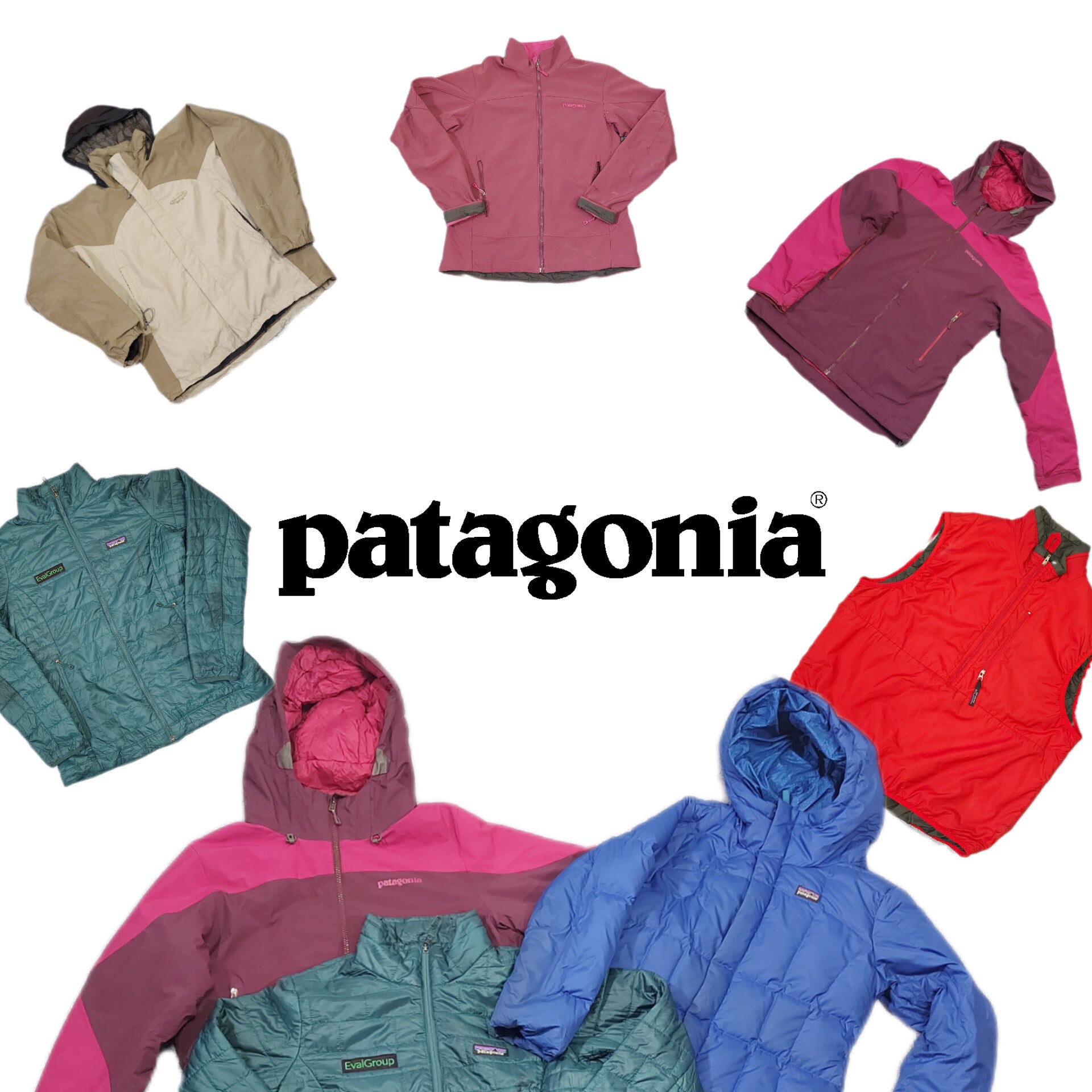
Patagonia clothing is a high-performance outdoor apparel brand designed for mountaineering, skiing, trail running, fly fishing, and everyday wear. Recognized globally for technical durability and environmental ethics, Patagonia manufac...
Patagonia clothing is a high-performance outdoor apparel brand designed for mountaineering, skiing, trail running, fly fishing, and everyday wear. Recognized globally for technical durability and environmental ethics, Patagonia manufactures outerwear, fleeces, waterproof jackets, and baselayers using recycled fabrics, organic cotton, and Fair Trade Certified manufacturing processes.
Contents
The History and Origins of Patagonia Apparel
Patagonia was founded in Ventura, California, in 1973 by Yvon Chouinard, an accomplished rock climber and craftsman. The company grew directly out of Chouinard Equipment, a business that hand-forged reusable steel climbing hardware. When Chouinard recognized that traditional steel pitons were damaging delicate rock faces across Yosemite and North America, he phased them out in favor of aluminum chocks that could be inserted and removed without scarring the stone. This early shift toward environmental stewardship laid the foundational philosophy for Patagonia's apparel division.
The transition into clothing began when Chouinard imported heavy-duty Scottish rugby shirts to protect climbers' necks from equipment slings. The durable, colorful shirts sold rapidly among outdoor enthusiasts, revealing a market for functional, heavy-duty clothing built specifically for wilderness environments.
Throughout the late 1970s and 1980s, Patagonia pioneered technical apparel innovations that transformed the outdoor industry. The company introduced bright primary colors into standard brown-and-tan outdoor wardrobes and played a central role in developing synthetic fleece—initially dubbed "Bunting" and later refined into Synchilla fleece in partnership with Malden Mills (now Polartec). Today, Patagonia operates as an international business known equally for its technical outerwear standard and its corporate structure dedicated to environmental conservation.
Core Product Categories and Iconic Patagonia Clothing Lines
Patagonia designs apparel using a layering system principle: baselayers for moisture management, midlayers for thermal insulation, and outer shells for weather protection. Each category features flagship items that have become benchmarks within the outdoor gear industry.
| Layer | Function |
|---|---|
| OUTER SHELL | Weather Protection (Torrentshell 3L, Triolet) |
| MIDLAYER | Thermal Insulation (Nano Puff, R1 Fleece) |
| BASELAYER | Moisture Management (Capilene Daily/Midweight) |
Technical Insulation (Nano Puff, Down Sweater, Micro Puff)
Patagonia’s insulation pieces are engineered to balance thermal efficiency, compressibility, and weight:
- Nano Puff: Utilizes 60-gram PrimaLoft Gold Insulation Eco, wrapped in a 100% recycled polyester shell with a durable water repellent (DWR) finish. It is lightweight, windproof, and retains warmth even when wet, making it a staple for variable alpine conditions and urban layering.
- Down Sweater: Features 800-fill-power Advanced Global Traceable Down (goose down certified by NSF International to ensure non-force-fed and non-live-plucked birds). It delivers maximum warmth-to-weight performance for dry, cold environments.
- Micro Puff: Powered by PlumaFill synthetic insulation, which mimics the structure of natural down to provide warmth and packability while retaining insulation performance in humid or wet snow conditions.
Waterproof Shells and Rainwear
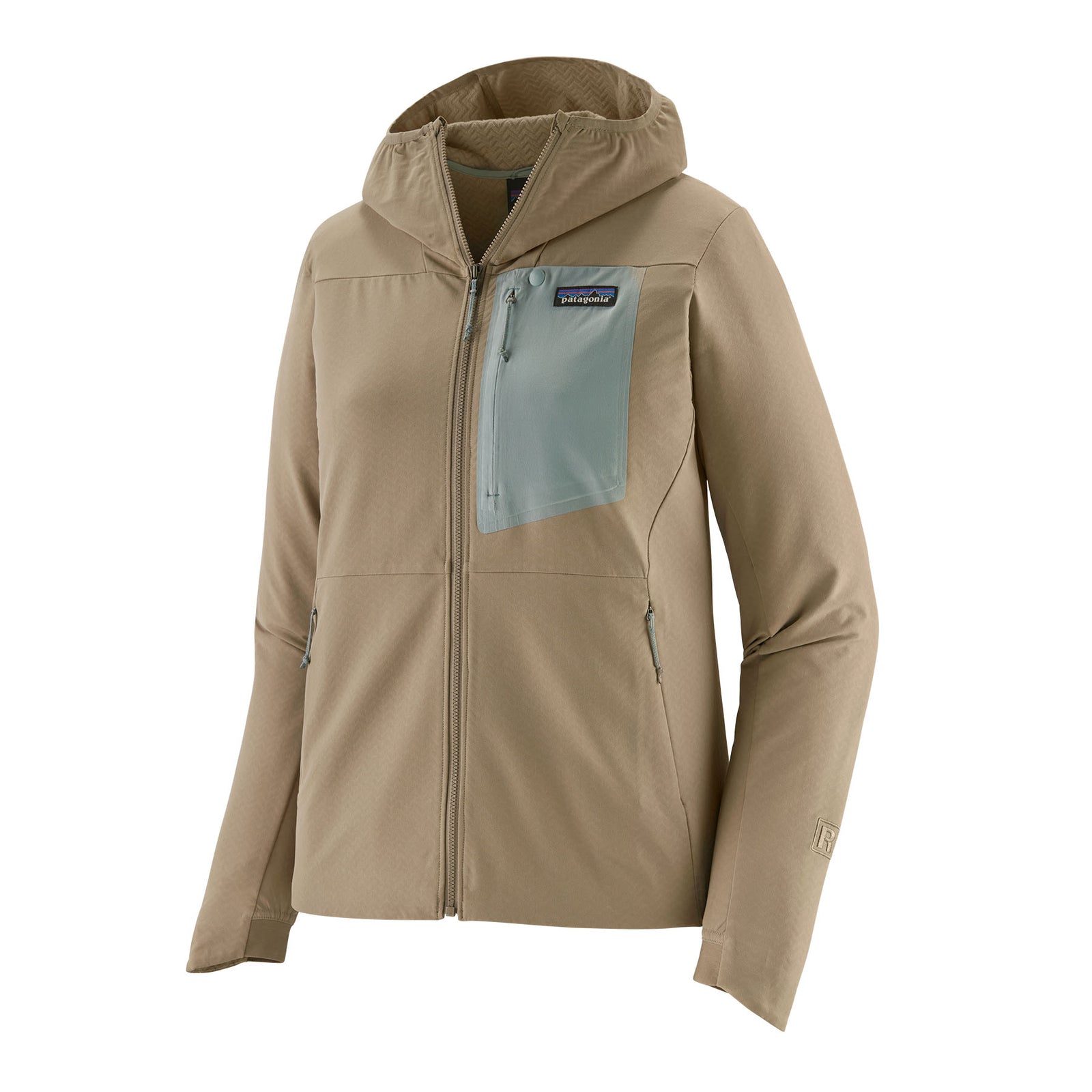
Patagonia builds weather-resistant outer jackets using two primary standards: its proprietary H2No Performance Standard and high-grade GORE-TEX fabric membranes.
- Torrentshell 3L: Patagonia’s flagship entry-level waterproof jacket uses a 3-layer H2No Performance Standard shell. It combines a recycled nylon face fabric, a waterproof/breathable barrier, and a tricot backer to prevent clamminess without requiring a floating mesh lining.
- Triolet and Alpine Shells: Built for extreme mountain conditions, these garments employ multi-layer GORE-TEX membranes to protect climbers, mountaineers, and backcountry skiers from torrential rain, wind, and heavy snowfall.
Fleece and Midlayers
Fleece midlayers provide breathable warmth during high-exertion activities or casual wear:
- Better Sweater: Constructed from 100% recycled polyester fleece dyed with a low-impact process that reduces water and energy usage. Its knit face fabric resembles wool, while the interior features soft fleece, making it popular for both technical layering and casual corporate attire.
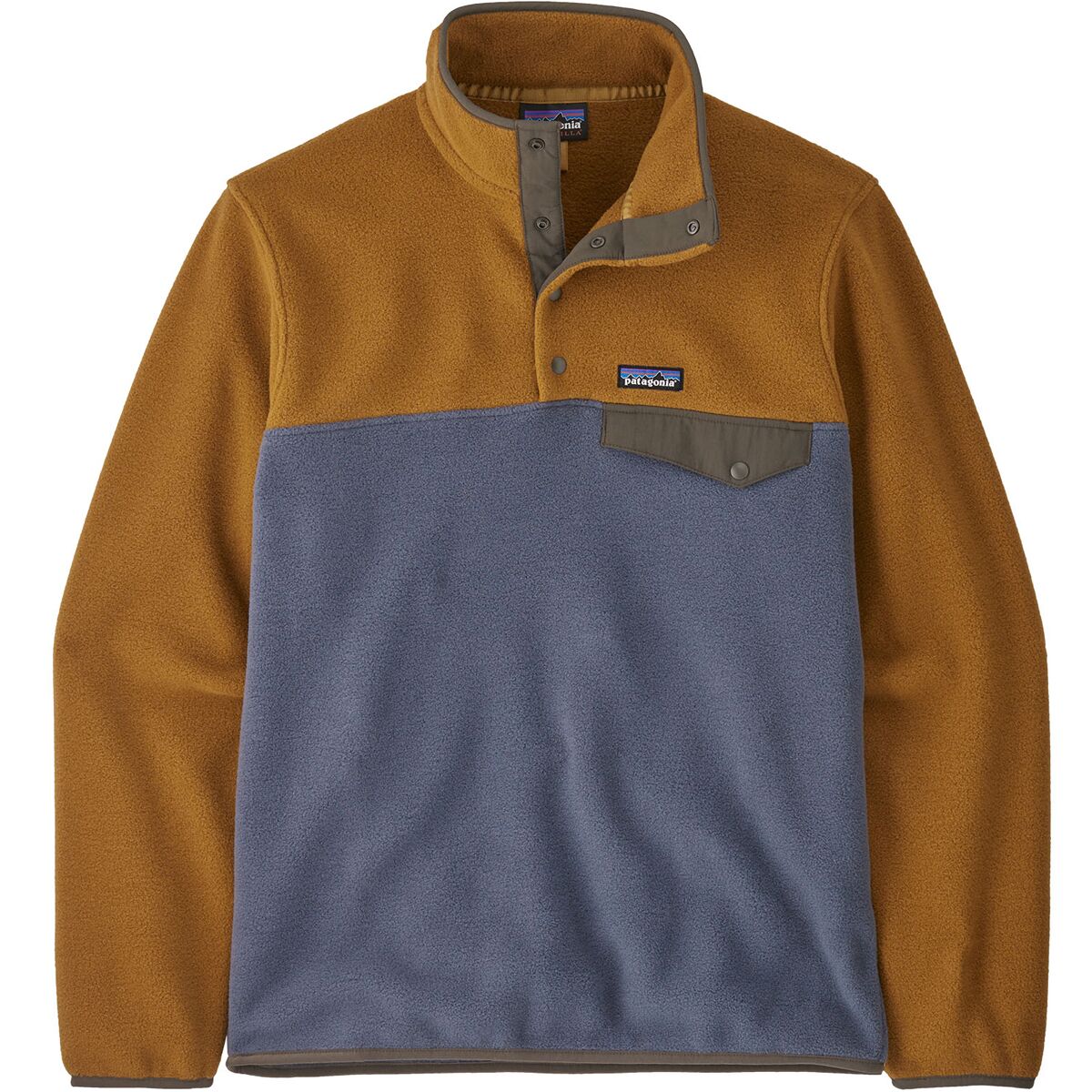
- Synchilla Snap-T: The classic pullover introduced in the 1980s, featuring heavyweight recycled polyester fleece, a snap-placket stand-up collar, and a chest flap pocket.
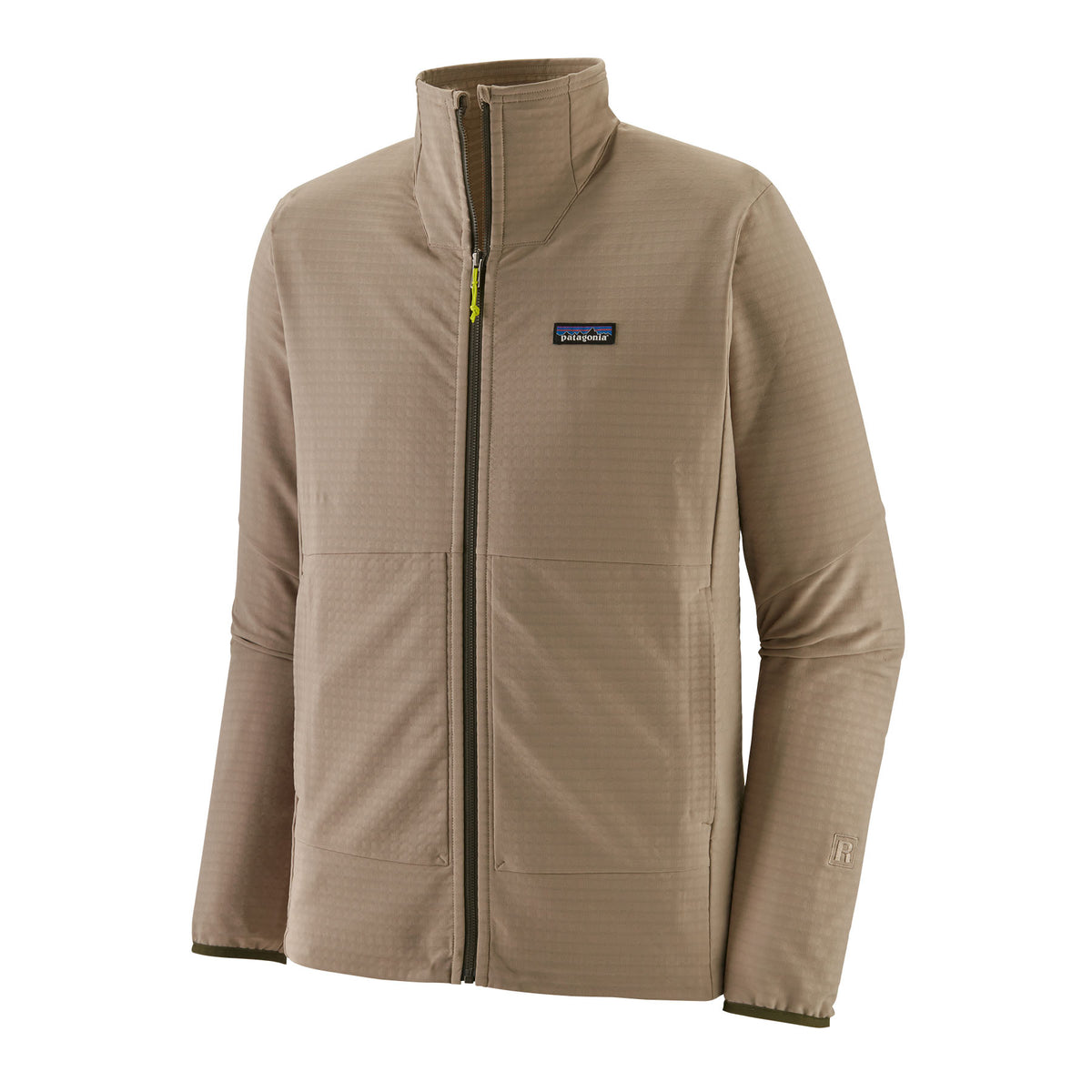
- R1 TechFace and R1 Air: Designed for active outdoor performance, the Regulator (R1) line uses zig-zag or grid-fleece patterns to trap heat while rapidly venting excess moisture during strenuous climbs or runs.
Baselayers and Activewear
The Capilene family represents Patagonia’s synthetic baselayer line. Available in various weights—from Capilene Cool Daily for hot weather trail running to Capilene Midweight and Thermal Weight for winter sport—these garments use recycled polyester treated with HeiQ Pure odor control to manage perspiration during extended wilderness trips.
Technical Fabrics and Material Innovations
Patagonia invests heavily in material science to reduce chemical pollutants and resource consumption while maintaining garment performance.
| Material / Innovation | Description |
|---|---|
| NetPlus® Nylon | Ocean fishing nets recycled into fabric |
| H2No® Standard | Rigorous lab & field water testing |
| PFAS-Free DWR | Non-fluorinated water-repellent finish |
| Regenerative Organic Cotton | Soil-restorative agricultural practices |
H2No Performance Standard
Rather than buying off-the-shelf fabrics, Patagonia subjects waterproof materials to its H2No Performance Standard testing protocol. This involves a rigorous 24-hour "Killer Wash" simulated storm test that physically wears down the fabric to measure long-term durability, hydrostatic head pressure (water impermeability), and breathability after severe abrasion.
NetPlus Recycled Ocean Nylon
In partnership with Bureo, Patagonia incorporates NetPlus material into jacket shells, hat brims, and shorts. NetPlus is made from 100% post-consumer recycled fishing nets collected from South American coastal communities. This prevents discarded plastic nets from entangling marine life while converting hazardous waste into durable nylon yarns.
Transition to PFAS-Free Formulations
Historically, durable water repellent (DWR) treatments relied on per- and polyfluoroalkyl substances (PFAS)—fluorinated chemicals that persist permanently in ecosystems. Patagonia committed to eliminating added PFAS from its entire product line, converting shell fabrics, membranes, and finishes to non-fluorinated alternatives without compromising storm protection.
Fair Trade and Regenerative Agriculture
A substantial percentage of Patagonia's product catalog is sewn in Fair Trade Certified factories, where the brand pays a premium directly to workers for healthcare, community funds, or childcare. Furthermore, the company advocates for Regenerative Organic Certified (ROC) cotton, supporting farming practices that restore soil health, capture atmospheric carbon, and eliminate synthetic pesticides.
Comparing Popular Patagonia Outerwear Lines
Choosing the right Patagonia garment depends on moisture conditions, temperature, and exertion levels. The table below outlines key technical specifications across classic jacket models.
| Product Model | Category | Primary Insulation / Membrane | Shell Material | Waterproofing | Best Intended Use |
|---|---|---|---|---|---|
| Torrentshell 3L | Rain Shell | 3-Layer H2No Performance Standard | 100% Recycled NetPlus Nylon | 20,000+ mm Hydrostatic Head | Rainy hiking, daily commuting, wet weather protection |
| Nano Puff Jacket | Synthetic Insulation | 60g PrimaLoft Gold Eco (100% Recycled) | 100% Recycled Polyester Ripstop | DWR Finish (Water-Resistant) | Three-season midlayer, cool-weather insulation |
| Down Sweater | Down Insulation | 800-Fill-Power Advanced Traceable Down | 100% Recycled NetPlus Nylon | DWR Finish (Water-Resistant) | Dry cold conditions, alpine insulation, winter layering |
| Better Sweater | Fleece Midlayer | 100% Recycled Fleece (Knit Face) | Recycled Polyester Fleece | None (Breathable) | Casual wear, office layering, light outer warmth |
| R1 Air Full-Zip | Technical Fleece | Hollow-Core Jacquard Fleece | 100% Recycled Polyester | None (High Air Permeability) | High-exertion sports, ski touring, alpine climbing |
| Triolet Jacket | Alpine Shell | 3-Layer GORE-TEX Fabric | 100% Recycled Polyester Face | Professional Waterproof Standard | Extreme mountaineering, backcountry skiing, heavy snow |
Ethics, Warranty, and Business Model
Patagonia maintains a unique corporate structure designed to prioritize long-term durability and environmental preservation over short-term quarterly profits.
The Ironclad Guarantee and Repair Services
Patagonia backs its products with the Ironclad Guarantee, which promises repair, replacement, or refund if a item does not perform to the customer's satisfaction due to defect or performance failure. To combat gear discard culture, Patagonia operates one of the largest garment repair facilities in North America. Customers can send torn, broken, or heavily used items to service centers to receive patch repairs, fresh zippers, or seam re-sealing at low or no cost.
Worn Wear Program
Through its Worn Wear initiative, Patagonia buys back functional used garments from customers in exchange for store credit. The company cleans, repairs, and resells these pre-owned garments on its Worn Wear platform. This circular business model extends the physical lifespan of clothes, reducing the carbon, water, and waste footprints associated with manufacturing new garments.
Ownership Structure and 1% for the Planet
In 1985, Patagonia co-founded 1% for the Planet, committing 1% of total annual sales (gross revenue, not net profits) to grassroots environmental non-profit organizations.
In 2022, founder Yvon Chouinard and his family irrevocably transferred 100% of the company's voting stock to the Patagonia Purpose Trust and all non-voting stock to the Holdfast Collective. Under this legal framework, all profits not reinvested back into the business are distributed as annual dividends to the Holdfast Collective to combat environmental degradation, support climate solutions, and protect wild land ecosystems.
Value Evaluation, Sizing, and Fit Guidelines
Patagonia clothing sits in a premium price bracket due to its testing standards, ethical labor practices, and material sourcing. Evaluating fit standards and long-term costs helps buyers make informed decisions.
Sizing and Fit Categories
Patagonia structures its apparel fit across four distinct categories:
- Form-Fitting / Slim Fit: Designed to sit close to the body for athletic movement and efficient thermal transfer. Found primarily in baselayers (Capilene) and technical fleece (R1 series).
- Regular Fit: Standard sizing designed to accommodate light midlayers underneath without binding. Common in items like the Nano Puff, Down Sweater, and Torrentshell.
- Relaxed Fit: Cut loose through the body and sleeves to allow heavy layering underneath or maximum airflow in hot climates. Found in casual workwear and tropical fishing shirts.
- Oversized Fit: Used selectively in fashion-forward or protective parkas intended for extreme cold over multiple bulky layers.
FIT PROFILE COMPARISON:
- Slim Fit: Skin + Thin Layer (High Exertion / Technical)
- Regular Fit: Skin + Midlayer + Outer Shell (Standard Outdoor Use)
- Relaxed Fit: Skin + Multiple Layers + Generous Movement (Workwear / Chill)
Upfront Cost vs. Cost-Per-Wear
While a high-performance shell like the Torrentshell 3L or Triolet carries a higher retail price than fast-fashion rain jackets, Patagonia garments retain high resale value on secondary markets and include lifetime repair privileges. Calculating the cost-per-wear over a 5-to-10-year period typically makes Patagonia gear more economical over time than cheaper alternatives that require frequent replacement after waterproof membranes delaminate or zippers fail.
Frequently Asked Questions
What does Patagonia clothing specialize in?
Patagonia specializes in technical outdoor clothing and outerwear tailored for mountain sports, wilderness activities, and casual wear. Key specialties include moisture-wicking baselayers, insulated midlayers, fleece jackets, and windproof or waterproof outer shells engineered for harsh weather.
Is Patagonia clothing fully waterproof?
Not all Patagonia garments are waterproof. Items explicitly rated with the H2No Performance Standard or constructed with GORE-TEX membranes are 100% waterproof and windproof. Other items, such as the Nano Puff or Down Sweater, feature a DWR (Durable Water Repellent) coating designed to repel light mist, but they are water-resistant rather than fully rainproof.
What is the Patagonia Ironclad Guarantee?
The Ironclad Guarantee is Patagonia's satisfaction and durability policy. If a garment fails to perform as expected, experiences a manufacturing defect, or breaks during standard use, Patagonia will repair the item, offer a replacement, or issue store credit according to the damage assessment.
How do Patagonia clothes fit compared to standard sizing?
Patagonia garments generally run true to standard US outdoor apparel sizing, though fit varies by design intent. Technical alpine pieces (such as the R1 fleece) feature a slimmer, body-contoured fit for layering efficiency, while casual hoodies and workwear offer a looser, regular fit. Checking the product's specific fit designation (Slim, Regular, Relaxed) provides the most accurate sizing guidance.
Where is Patagonia clothing manufactured?
Patagonia gear is designed in Ventura, California, and produced across a global network of contract manufacturing facilities in regions such as Vietnam, Sri Lanka, Vietnam, Thailand, and North America. The majority of these facilities are Fair Trade Certified, ensuring audited labor safety standards and wage premiums for workers.
What is the difference between Patagonia Nano Puff and Down Sweater?
The Nano Puff uses 60g synthetic PrimaLoft Gold Eco insulation, making it thinner, lighter, and capable of holding warmth even if exposed to moisture or rain. The Down Sweater uses 800-fill-power natural goose down, which offers superior insulation in freezing conditions but loses thermal loft if it becomes thoroughly wet.
Recommended Next Actions
To select the ideal Patagonia clothing item for your specific needs, consider the following practical steps:
- Identify Your Use Case: Determine whether you need static thermal insulation (Down Sweater), active high-exertion breathability (R1 Air), or rain protection (Torrentshell 3L).
- Verify the Fit Category: Check Patagonia’s garment fit guide before buying. If you plan to layer thick fleece underneath an outer rain shell, consider ordering your standard size in Regular Fit or sizing up if choosing a Slim Fit jacket.
- Explore Circular Purchase Options: To reduce environmental impact and initial cost, search the official Patagonia Worn Wear marketplace for certified pre-owned garments before purchasing brand-new items.
- Maintain Your Gear: Extend the lifespan of waterproof garments by washing them with technical fabric cleaners (such as Nikwax Tech Wash) and tumble-drying on low heat to reactivate non-fluorinated DWR water-repellent coatings.
EDITORIAL CATEGORY METADATA:
Image Gallery