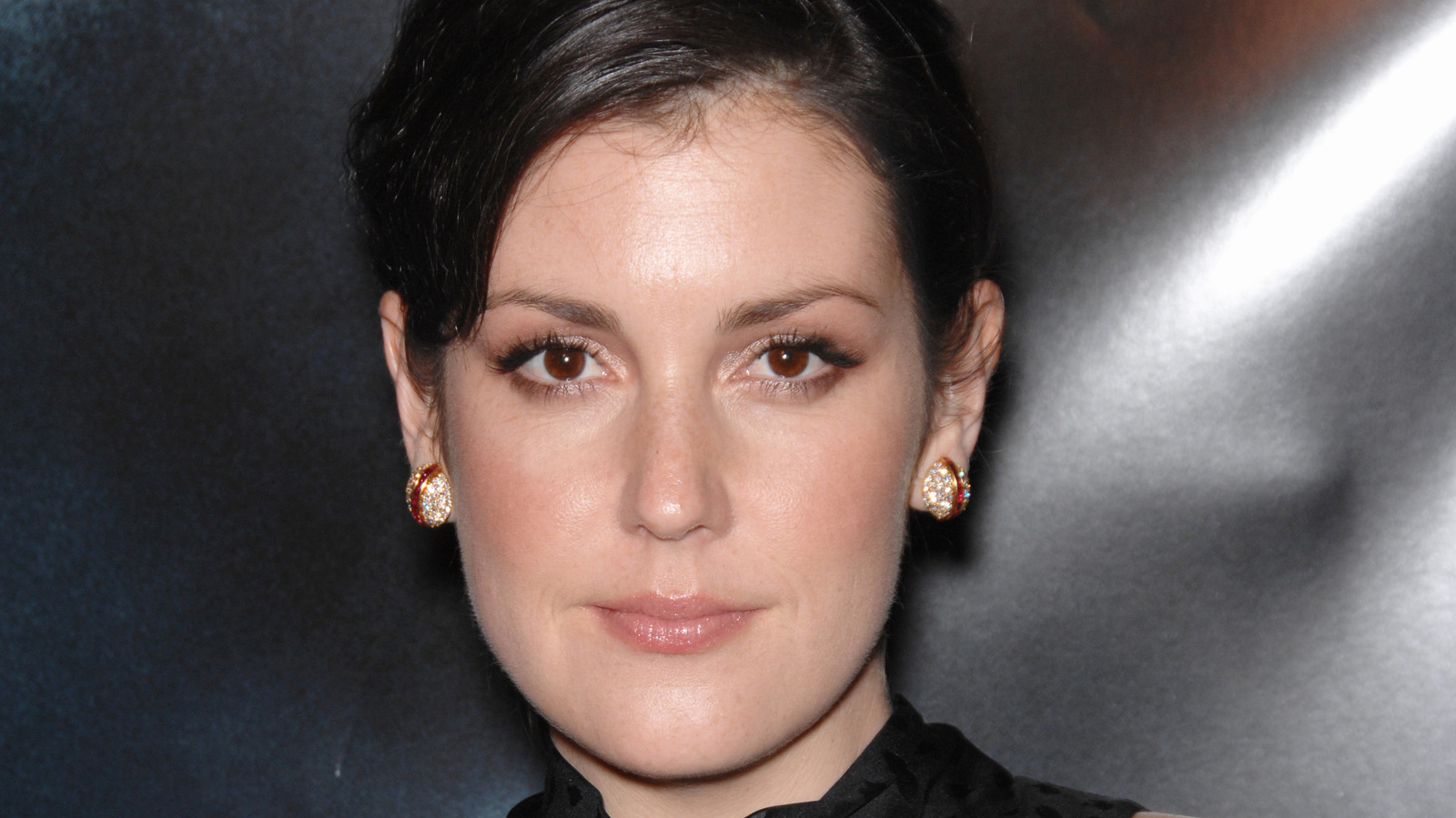
Why Melanie Lynskey’s Voice Acting Works: Vocal Mechanics, Character Depth, and Subversive Delivery
Melanie Lynskey’s voice acting works because she replaces exaggerated cartoon theatricality with naturalistic intimacy, subtle pitch modulations, and complex emotional subversion. By bringing her distinct soft timbre, breathy cadence,...
Melanie Lynskey’s voice acting works because she replaces exaggerated cartoon theatricality with naturalistic intimacy, subtle pitch modulations, and complex emotional subversion. By bringing her distinct soft timbre, breathy cadence, and deadpan comedic timing to animated characters, she creates an authentic, grounded vulnerability that makes dry humor sharper and dramatic stakes significantly higher.
Contents
The Unique Acoustic Profile of Melanie Lynskey’s Voice
To understand why Melanie Lynskey’s performance in animated roles resonates so strongly with audiences, one must first analyze her baseline voice mechanics. Unlike traditional voice actors who often construct hyper-exaggerated acoustic profiles to fit high-energy character designs, Lynskey relies on an intimate, naturalistic delivery anchored by soft vocal placement, light breath control, and understated pitch variations.
Soft Timbre and Near-Mic Intimacy
Lynskey’s voice is characterized by a high degree of breathiness mixed with a light, warm vocal resonance. In acoustic terms, her vocal production relies less on chest-register projection and more on head-voice warmth and gentle airflow over the vocal folds. When captured in a recording studio with standard close-miking techniques (such as using a large-diaphragm condenser microphone with a cardioid pattern), this soft-spoken delivery translates into an immediate sense of proximity for the listener.
Rather than sounding like a character projecting across a stage, Lynskey sounds as though she is speaking directly into the audience's ear. This creates a feeling of psychological intimacy that immediately draws viewers into a character’s inner thoughts.
Subtle Inflections Over Broad Accents
While Lynskey can seamlessly adjust her regional accents—modulating between her natural New Zealand speech patterns, soft American dialects, and regional variants—her true strength lies in micro-inflections. Instead of altering her pitch dramatically to signal emotion, she makes microscopic shifts in key cadence variables:
- Vocal Frying and Glottal Stops: Used sparingly at the ends of sentences to signal weariness, cynicism, or quiet irritation.
- Slight Lingering on Vowels: Giving mundane statements a contemplative or slightly melancholic weight.
- Sudden Terminal Drops: Dropping pitch slightly at the end of a sentence to deliver sharp, deadpan punchlines without relying on broad comedic emphasis.
Case Study: Over the Garden Wall and the Mastery of Understated Animation
The definitive blueprint for Lynskey’s voice acting success is her portrayal of Beatrice the Bluebird in Patrick McHale’s acclaimed 2014 miniseries Over the Garden Wall. Placed alongside theatrical and high-energy voice performances, Lynskey’s quiet, grounded approach serves as the emotional baseline for the entire narrative.
[Character Dynamic in Over the Garden Wall] Wirt (Elijah Wood) --> High Anxiety, Neurotic Energy Greg (Collin Dean) --> Pure Innocence, Unfiltered Optimism Beatrice (Melanie Lynskey) --> Grounded Realism, Cynical Warmth, Hidden Guilt
Balancing Irritation with Vulnerability
Beatrice is a complex character: a human girl transformed into a bluebird who harbors immense guilt over her family's curse while attempting to navigate two lost boys through a dangerous fantasy realm. A standard animation approach might present Beatrice as a caricature of a nag or an over-the-top sarcastic sidekick.
Lynskey avoids this trap by anchoring Beatrice’s annoyance in genuine tiredness rather than anger. Her delivery conveys a character who is emotionally exhausted by her burden. When Beatrice snaps at Wirt, Lynskey does not raise her volume significantly; instead, she tightens her articulation and sharpens her consonant stops. This subtle adjustment keeps the character sympathetic even when she is being sharp or deceitful.
The Power of the Pause
Animation acting often suffers from a fear of silence, with actors filling every frame with vocalizations, gasps, or energetic reactions. Lynskey excels at using breath and deliberate pauses in the booth. In Over the Garden Wall, her beat drops—a quiet sigh before answering a absurd question or a hesitation before admitting a truth—give her animated bird the weight of a living, breathing human being carrying real psychological baggage.
The Subversion of Pitch: Sweetness as a Mask for Cynicism and Threat
A major reason Lynskey’s vocal work is so effective—both in animation and live-action roles that rely heavily on vocal performance, such as Yellowjackets and The Last of Us—is her mastery of pitch subversion. Audiences instinctively associate soft, high-pitched, or gentle voices with innocence, helplessness, or passive sweetness. Lynskey intentionally leverages this expectation to subvert viewer assumptions.
Expected Vocal Profile: Soft Timbre + High Pitch = Passive / Sweet Character Lynskey's Subversion: Soft Timbre + High Pitch = Sharp Irony / Latent Threat
Contrast Between Tone and Text
When Lynskey delivers dark, sarcastic, or morbid dialogue, she rarely changes her soft tone to sound "evil" or "gritty." Instead, she maintains her gentle, conversational pitch while delivering deadpan observations. This cognitive dissonance between how she sounds (gentle, warm) and what she is saying (cynical, blunt, or threatening) creates a layered performance that operates on multiple psychological levels:
- Comedic Subversion: In comedy, the contrast between a soft, polite voice and an abrupt, rude statement creates instant comedic tension without feeling forced.
- Dramatic Threat: In dramatic contexts, delivering harsh declarations in a calm, gentle whisper feels far more unpredictable and unsettling than shouting.
Voice Booth Technique: Live-Action Realism vs. Animated Over-Acting
To understand why Lynskey’s voice work stands out, it helps to compare traditional animation vocal techniques with the grounded, live-action approach she brings to the recording booth.
| Performance Metric | Traditional Animation Voice Acting | Melanie Lynskey’s Grounded Technique |
|---|---|---|
| Vocal Projection | High output, chest-voice projection designed to match bright visuals. | Low output, conversational mic technique focused on detail and intimacy. |
| Pacing & Rhythm | Rapid, rhythmic, designed to keep pace with fast-moving action. | Naturalistic, incorporating organic pauses, sighs, and hesitations. |
| Emotional Delivery | Broad, clear emotional markers (bright joy, loud anger, weeping sorrow). | Subtle, layered emotions where conflicting feelings coexist in a single line. |
| Comedic Timing | Vocal punchiness, sudden pitch spikes, theatrical emphasis on punchlines. | Dry, deadpan delivery relying on pitch drops and understated dead-air beats. |
| Character Voice Masking | Extreme vocal manipulation (pitch shifts, raspy filters, exaggerated accents). | Natural voice register with subtle shifts in cadence, articulation, and accent focus. |
Traditional voice actors are trained to project outward to fill the visual space of an animated character. Because Lynskey built her career as a live-action film and television actress known for psychological realism, she approaches the voice booth as an extension of the camera. She treats the microphone like a close-up camera lens, capturing minor vocal shifts that traditional voice acting might gloss over.
Broader Impact on Modern Animation and Voice Casting
Lynskey’s voice work highlights a growing movement within animated television and independent animation: the shift away from broad, radio-style voice acting toward grounded, conversational realism.
Elevating Narrative Stakes
When animated characters speak like real people rather than caricatures, the emotional stakes of the narrative rise. Viewers stop watching the character as merely a drawing and start experiencing them as a conscious entity. By refusing to over-act, Lynskey forces the audience to lean in and listen closely. This technique is particularly effective in prestige animated miniseries, surreal indie projects, and adult animated comedies where the humor relies on psychological nuance rather than slapstick physical gags.
Actionable Takeaways for Voice Actors and Audio Directors
Melanie Lynskey’s approach offers practical lessons for performers, audio directors, and writers looking to create grounded, memorable animated characters:
- Trust the Microphone Distance: Do not project as if performing on a stage unless the scene explicitly demands it. Position the actor close to the microphone and allow soft, quiet vocal nuances to carry the performance.
- Embrace Vocal Contrast: If a character is cynical, dangerous, or tragic, try delivering lines in a soft, gentle tone rather than putting on a heavy or aggressive vocal mask. The contrast between tone and content is often far more compelling.
- Use Organic Breathing and Silence: Allow natural breaths, minor hesitations, and micro-pauses to remain in the final edit. Removing every gap creates a clinical, robotic pace that destroys emotional realism.
- Prioritize Emotional Truth Over Vocal Tricks: Focus on the character’s internal motivation and underlying emotional burden rather than trying to invent a completely artificial voice pitch or gimmick.
Frequently Asked Questions
What is Melanie Lynskey’s most famous voice acting role?
Melanie Lynskey’s most famous and critically acclaimed voice role is Beatrice the Bluebird in Cartoon Network’s 2014 Emmy-winning animated miniseries Over the Garden Wall.
Why does Melanie Lynskey sound different from traditional cartoon voice actors?
Unlike traditional animation actors who often use high projection, theatrical pitch shifts, and exaggerated accents, Lynskey uses a conversational, soft-spoken approach derived from live-action film acting, emphasizing micro-inflections, natural breath, and deadpan timing.
Has Melanie Lynskey voiced characters in other animated projects?
Yes, in addition to Over the Garden Wall, Lynskey has lent her voice to animated series such as The Mighty Ones, Summer Camp Island, HouseBroken, American Dad!, and Robot Chicken.
How does her live-action acting influence her voice acting?
Lynskey treats the voice recording microphone like a close-up camera lens. Instead of exaggerating her vocal presence, she focuses on emotional realism, subtle pitch subversion, and naturalistic pauses that bring live-action intimacy to animated characters.
What vocal qualities make Melanie Lynskey’s delivery so distinct?
Her voice is defined by a soft, breathy timbre, gentle head-voice resonance, precise conversational cadence, and a masterclass in deadpan delivery where sweet vocal tones contrast sharply with dark or cynical dialogue.
Summary Recommendation
For audio producers, animators, and voice actors aiming to create memorable, emotionally resonant performances, studying Melanie Lynskey’s work provides a clear roadmap. Rather than relying on exaggerated vocal effects or over-the-top comedic energy, focus on psychological contrast, close-mic intimacy, and the courageous use of silence. True vocal impact often comes not from how loudly a line is delivered, but from the emotional depth hidden beneath a quiet, well-timed delivery.
Image Gallery