Carnival in New Orleans for 2021: Parades, House Floats, and Public Health Modifications
During the 2021 Carnival season in New Orleans, traditional street parades were cancelled due to municipal public health restrictions during the COVID-19 pandemic. In response, residents created the "Krewe of House Floats" (Yardi Gras)...
During the 2021 Carnival season in New Orleans, traditional street parades were cancelled due to municipal public health restrictions during the COVID-19 pandemic. In response, residents created the "Krewe of House Floats" (Yardi Gras), transforming thousands of homes into static parade floats, alongside drive-thru exhibits like Floats in the Oaks and strict French Quarter enforcement.
Contents
Public Health Orders and the Cancellation of Traditional Parades
The 2021 New Orleans Carnival season, which ran from Twelfth Night on January 6, 2021, through Fat Tuesday on February 16, 2021, was marked by unprecedented modifications to public gatherings. Following high transmission rates linked to the previous year’s festivities, city officials, led by Mayor LaToya Cantrell, announced that traditional parade permits would not be issued for the 2021 season.
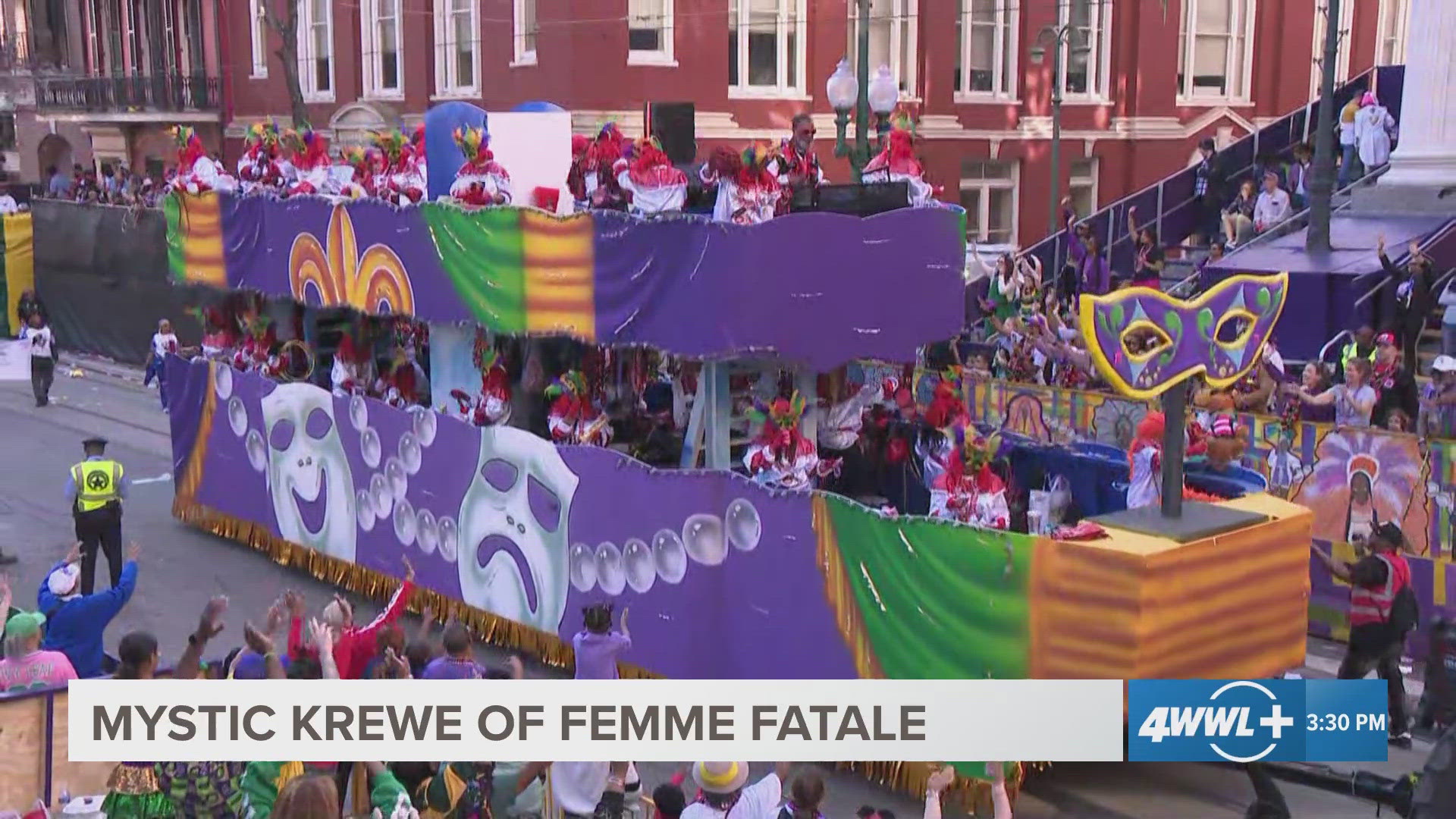
Because standard Mardi Gras parades draw hundreds of thousands of spectators shoulder-to-shoulder along route corridors such as St. Charles Avenue and Canal Street, municipal health authorities deemed shoulder-to-shoulder crowds unmanageable under prevailing social distancing protocols. The cancellation affected major parading krewes (social organizations that design, fund, and execute annual parades), including Rex, Zulu, Endymion, Bacchus, and Orpheus.
To prevent spontaneous crowd gatherings during the peak weekend preceding Fat Tuesday, the City of New Orleans issued emergency operational orders:
- Complete Bar Closures: All city bars—including those operating with temporary restaurant permits—were ordered closed from Friday, February 12, through Fat Tuesday, February 16, 2021.
- French Quarter Pedestrian Restrictions: Bourbon Street, Decatur Street, and Frenchmen Street were subjected to strict pedestrian volume caps and vehicle barricades maintained by the New Orleans Police Department (NOPD) and state law enforcement.
- Prohibition of To-Go Alcohol: The city temporarily banned the sale of packaged alcohol and to-go drinks in the French Quarter and surrounding entertainment districts to limit public consumption.
- Prohibition of Sound Systems: Stationary loudspeakers and public sound amplification systems along public right-of-ways were banned to prevent crowd assembly.
These measures fundamentally shifted how the city commemorated its signature cultural tradition, prompting grassroots organizers and arts organizations to develop non-traditional celebration formats.
The Krewe of House Floats and "Yardi Gras"
The most prominent adaptation of the 2021 Carnival season was the emergence of the Krewe of House Floats (popularly known as Yardi Gras). Originating as an informal suggestion by New Orleans resident Megan Boudreaux on social media, the initiative expanded into a citywide community arts movement.
Instead of mounting floats on tractor-pulled trailers, residents decorated the exterior facades, porches, yards, and balconies of their homes to resemble traditional parade floats. The initiative was structured into geographic "sub-krewes" representing distinct New Orleans neighborhoods, including Mid-City, Uptown, the Bywater, Algiers Point, Lakeview, and the French Quarter.
- Krewe of House Floats Structure
- Centralized Organization (Safety Guidelines, Maps, Merchant Support)
- Sub-Krewes by Neighborhood
- Uptown & Garden District
- Mid-City & City Park
- Bywater & Marigny
- Algiers & West Bank
- Economic & Arts Impact
- Hired Float Builders & Artists
- Commissioned Local Painters
- Supported Local Hardware Stores
- Raised Funds for Local Food Banks
- Sub-Krewes by Neighborhood
- Centralized Organization (Safety Guidelines, Maps, Merchant Support)
Community and Economic Impact of House Floats
The Krewe of House Floats created a vital economic bridge for artists, prop builders, and float painters who lost employment due to parade cancellations. Professional float-building companies, such as Kern Studios, along with independent local artists, were commissioned by homeowners to build large-scale papier-mâché sculptures, thematic backdrops, and custom signage.
Key outcomes of the House Float movement included:
- Artisan Employment: Dozens of float artists, sculptors, and carpenters secured contract work designing private home installations, preserving specialized craftsmanship skills within the local economy.
- Interactive Mapping: An official digital map was released allowing locals and regional visitors to undertake self-guided walking or driving tours while maintaining physical distance.
- Charitable Contributions: Sub-krewes raised hundreds of thousands of dollars for local non-profit organizations, including Second Harvest Food Bank and community assistance funds for hospitality workers.
Themes for house floats ranged from tributes to historic Mardi Gras traditions and local music icons (such as Irma Thomas and Allen Toussaint) to satire addressing political and pandemic-era life.
Alternative Celebrations: Drive-Thru Exhibits and Digital Initiatives
In addition to neighborhood house floats, institutional organizers created controlled environments where residents could experience Mardi Gras imagery without violating public assembly restrictions.
Floats in the Oaks
Hosted by the New Orleans City Park Improvement Association in partnership with major parading krewes, Floats in the Oaks transformed City Park’s oak canopy into a static drive-thru exhibition. Stationary floats, giant props, and iconic krewe elements from organizations such as Rex, Bacchus, Endymion, and Zulu were positioned along a car route. Attendees purchased timed-entry vehicle tickets to view the illuminated displays from inside their automobiles, preventing foot-traffic congestion.
Virtual Parades and Digital Media
Several krewes leveraged digital platforms to maintain traditions:
- Mobile Applications: The Krewe of Bacchus updated its custom mobile app, allowing users to play interactive games and virtually "catch" digital throws (beads, doubloons, and plush toys).
- Broadcast Retrospectives: Local television networks (such as WWL-TV and WDSU) aired archival footage of historic parades from past decades on Fat Tuesday, delivering traditional music and visuals to residents staying at home.
- Virtual Roll-Outs: Science-fiction and satirical krewes, such as the Krewe of Chewbacchus and the Intergalactic Krewe of Chewbacchus, produced online video showcases highlighting handmade costumes, miniature floats, and craft projects.
Culinary Traditions and King Cake Logistics
While public gatherings were restricted, private consumption of traditional Carnival foods remained high. Local bakeries—including Manny Randazzo King Cakes, Haydel's Bakery, Dong Phuong Bakery, and Gambino's—adapted operations to handle unprecedented online and shipping demand.
Bakeries implemented outdoor pick-up lines with marked social distancing grid lines, contactless payment systems, and expanded nationwide shipping logistics to serve displaced celebrants across the United States.
Comparison: Traditional New Orleans Carnival vs. 2021 Season
The structural alterations enforced during the 2021 season altered every standard operational pillar of New Orleans Carnival.
| Operational Aspect | Traditional Carnival (Standard Years) | 2021 Modified Carnival |
|---|---|---|
| Parade Format | Tractor-pulled floating displays moving along designated city routes. | Static home displays (Krewe of House Floats) and ticketed drive-thru exhibits (Floats in the Oaks). |
| Crowd Gathering | Dense packing of hundreds of thousands along parade corridors and French Quarter. | Prohibited mass gatherings; strict police enforcement on French Quarter streets. |
| French Quarter Venues | Bars, music clubs, and restaurants open continuously with heavy foot traffic. | Complete mandatory bar closures (Feb 12–16); restricted pedestrian access on Bourbon Street. |
| Throws (Beads, Cups, Toys) | Thrown directly from float riders to spectators along streets. | Distributed virtually via apps, purchased at retail, or decorative static setups; no physical throws from moving floats. |
| Economic Beneficiaries | Hotels, tourism operators, parade vendors, and hospitality venues. | Local float artisans, prop sculptors, bakeries (king cake shipping), and hardware suppliers. |
| Primary Navigation Method | On-foot crowd tracking, parade tracker apps for route progress. | Digital GPS maps for neighborhood driving or walking house-float tours. |
Economic and Cultural Legacy of the 2021 Season
The cancellation of conventional parades during the 2021 season caused a significant short-term contraction in New Orleans' tourism economy, which typically generates over $1 billion in economic impact during a standard Mardi Gras period. Hotels experienced historically low occupancy rates over Mardi Gras weekend, and the service sector suffered severe losses due to bar shutdowns and restricted restaurant operations.
However, the creative solutions implemented in 2021 left a lasting mark on the cultural infrastructure of New Orleans:
- Permanent Integration of House Floats: While full-scale parades returned in subsequent years (subject to evolving municipal protocols), the practice of decorating homes as house floats became an enduring secondary tradition. Many neighborhoods continue to host localized house float displays alongside traditional parade schedules.
- Diversification of Artisan Revenue: Float builders and artists established direct consumer service models, expanding their businesses from relying solely on krewe contracts to accepting residential and commercial commissions year-round.
- Crowd Management and Safety Protocols: The logistics developed by municipal agencies during 2021 influenced updated crowd safety and traffic control protocols for major citywide public events in subsequent years.
Frequently Asked Questions
Were there any street parades in New Orleans during Mardi Gras 2021?
No. All permits for traditional street parades on public roadways were suspended by the City of New Orleans for the 2021 season to comply with public health guidelines and prevent crowd gatherings.
What was the Krewe of House Floats?
The Krewe of House Floats was a grassroots community initiative where over 3,000 residents decorated their homes, yards, and porches to look like traditional Mardi Gras parade floats, allowing people to celebrate safely via neighborhood walking or driving tours.
Why were French Quarter bars closed during Mardi Gras weekend 2021?
Mayor LaToya Cantrell issued an emergency order closing all city bars from February 12 through February 16, 2021, to prevent dense crowds from gathering in popular nightspot districts like Bourbon Street and Frenchmen Street.
How did float artists earn money without traditional parades in 2021?
Many float artists, sculptors, and prop painters were hired directly by homeowners and businesses through the Krewe of House Floats movement to design custom papier-mâché decorations and house backdrops.
What was "Floats in the Oaks"?
Floats in the Oaks was a ticketed, drive-thru event held in New Orleans City Park where major krewes displayed stationary parade floats along a driving route so attendees could view them safely from inside their vehicles.
Was King Cake available during the 2021 New Orleans Carnival season?
Yes. Local bakeries operated throughout the season by shifting heavily toward online orders, curbside contactless pick-up, and nationwide direct shipping to handle high demand.
Recommended Next Steps for Carnival Historians and Travelers
When researching or planning around historic Carnival modifications in New Orleans:
- Review Official Archives: Consult public records from the City of New Orleans Mayor’s Office and the New Orleans Public Library Digital Collection for official executive orders and neighborhood map archives from the 2021 season.
- Support Local Arts Organizations: Explore civic groups such as the Music Box Village or the New Orleans International House Float Archive, which preserve photographs, design schematics, and oral histories of the 2021 house floats.
- Verify Current Season Schedules: For current Carnival planning, always check the official parade schedules issued by the New Orleans City Council and local krewe captains, as routes and city safety regulations are subject to annual municipal updates.
Image Gallery