How to Clear a Clogged Toilet Safely: A Complete Plumbing Guide
To clear a clogged toilet safely, turn off the water supply valve, wear rubber gloves, and use a flange plunger to create a tight seal over the drain. For stubborn organic blockages, use hot tap water and liquid dish soap. Avoid chemic...
To clear a clogged toilet safely, turn off the water supply valve, wear rubber gloves, and use a flange plunger to create a tight seal over the drain. For stubborn organic blockages, use hot tap water and liquid dish soap. Avoid chemical drain openers and boiling water, which can damage plumbing and porcelain.
Contents
Safety First: Essential Preparations Before Unclogging
Clearing a toilet blockage requires a method that addresses the obstruction without causing water damage to flooring, cracking the fixture, or exposing you to hazardous materials. Taking proper safety precautions before attempting any mechanical or thermal remedy prevents accidental overflows and structural damage.
1. Shut Off the Water Supply
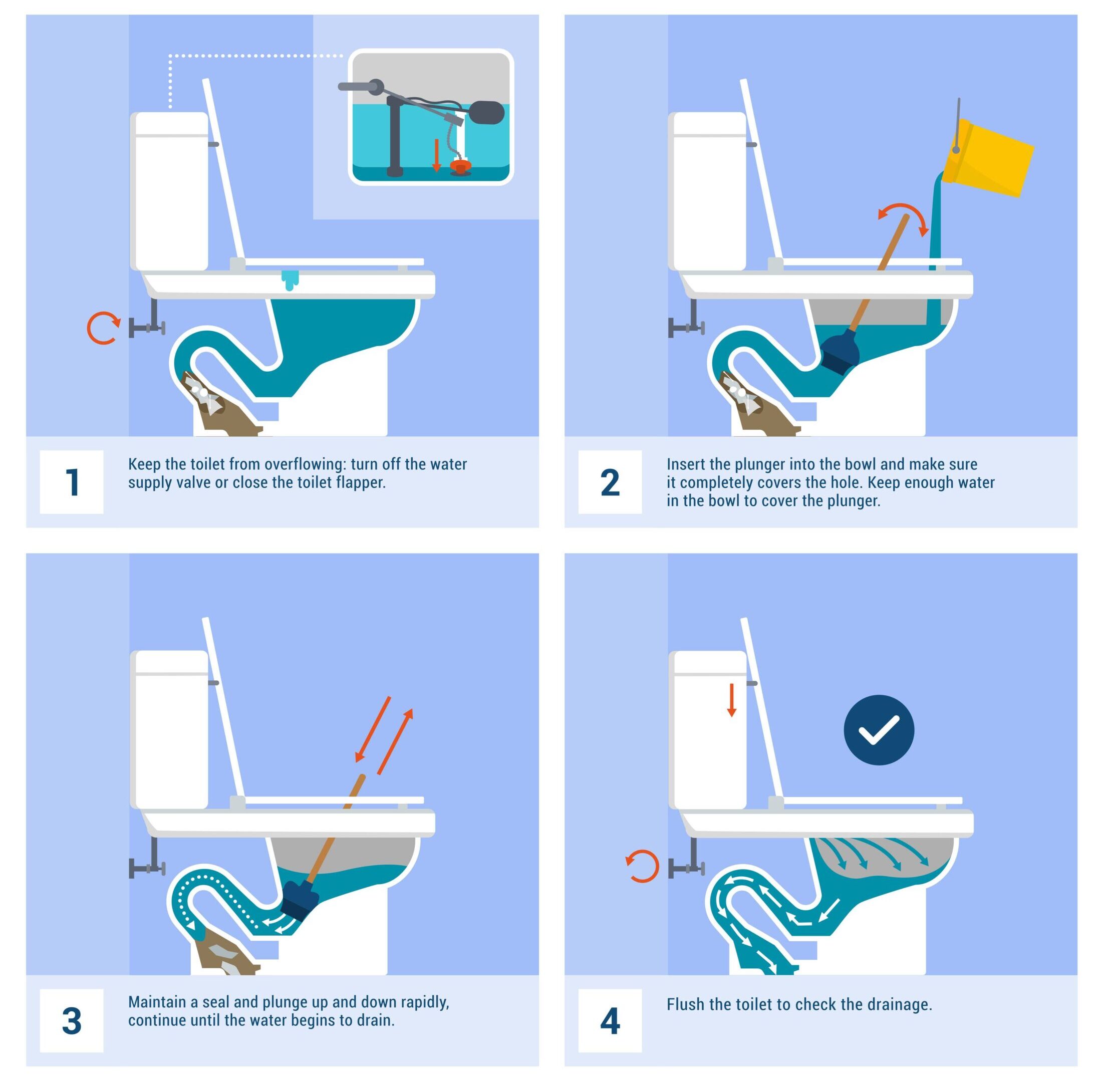
Before touching the blockage, stop additional water from filling the bowl. Locate the shut-off valve (also known as the stop valve) on the wall behind the toilet, typically near the floor. Turn the oval handle clockwise until it stops turning.
If the valve is stuck or painted over, lift the tank lid, reach inside the toilet tank, and manually push down the flapper valve (the rubber disc covering the drain hole at the bottom of the tank). Then, secure the float arm upward using a small prop or tape to prevent the fill valve from refilling the tank while you work.
- Wall
- Shut-off Valve (Turn Clockwise to Close)
- Water Line
- Toilet
- Water Line
- Shut-off Valve (Turn Clockwise to Close)
2. Protect the Surrounding Area
Toilet water contains bacteria and organic waste. Protect your bathroom floor by laying down old towels, absorbent mats, or thick plastic sheeting around the base of the toilet fixture. Keep a small bucket nearby to catch any drips from tools once they are removed from the bowl.
3. Wear Personal Protective Equipment (PPE)
Always wear heavy-duty rubber gloves that extend past your wrists to protect against wastewater and potential skin irritants. Eye protection, such as safety glasses, is strongly recommended to shield against splashes when plunging or using mechanical tools.
4. Manage Bowl Water Volume
The ideal water level for unclogging a toilet is roughly half-full. If the bowl is filled to the brim, use a disposable plastic cup or a small bucket to bail out excess water into a separate bucket before plunging. Conversely, if the bowl is completely empty, plunge efficiency drops significantly; add warm tap water manually using a bucket until the drain opening is fully submerged.
Method 1: The Flange Plunger Technique
The most reliable, non-destructive tool for clearing a standard toilet clog is a flange plunger (also called a toilet plunger). Unlike a flat cup plunger designed for flat sink drains, a flange plunger features an extended rubber sleeve or fold-out cone underneath the main cup. This sleeve fits directly into the curved drain opening of a toilet bowl to form an airtight seal.
- Flat Cup Plunger (Sinks)
- Flange Plunger (Toilets)
- Fold-out Flange
Step-by-Step Plunging Procedure
- Warm the Plunger Rubber: Stiff rubber cannot form an effective seal against vitreous china. Run the head of the plunger under hot tap water in a sink or bucket for 30 to 60 seconds to soften the rubber flange.
- Position the Flange: Insert the plunger into the bowl at a 45-degree angle to fill the cup with water rather than trapping air. Press the extended flange directly into the drain outlet to achieve a complete seal.
- Establish the Vacuum: Push down gently on the initial stroke to expel trapped air. A hard initial stroke can cause contaminated water to splash out of the bowl.
- Execute Rhythmic Thrusts: Maintain the seal and push down and pull up forcefully in a rhythmic motion for 15 to 20 seconds. The downward force pushes water against the blockage, while the upward pull loosens the obstruction so water pressure can clear it.
- Break the Seal and Verify: Pull the plunger back sharply to break the seal. If the water drains out of the bowl naturally, the clog is clear.
- Test the Flush: Open the water shut-off valve slightly and perform a trial flush while keeping your hand on the valve handle to turn it off immediately if the water rises again.
Method 2: Natural Lubrication with Dish Soap and Hot Water
When a plunge fails or a plunger is unavailable, liquid dish soap combined with hot tap water can dissolve organic waste and toilet paper blockages without physical force or toxic chemicals.
WARNING: NEVER USE BOILING WATER IN A TOILETPorcelain and vitreous china are susceptible to thermal shock. Pouring boiling water (212°F / 100°C) into a cold bowl can instantly crack the ceramic, causing leaks and requiring complete toilet replacement.
How Dish Soap Breaks Down Clogs
Dish soap contains surfactants that lower the surface tension of water and lubricate organic material trapped inside the trapway. This allows the weight of warm water to push the obstruction through the S-bend fixture into the waste pipe.
Step-by-Step Soap and Hot Water Procedure
- Add Liquid Soap: Pour approximately 1/2 cup (120 mL) of concentrated liquid dish soap directly into the standing water of the toilet bowl. Allow it to sink to the bottom for 10 to 15 minutes.
- Prepare Hot Tap Water: Fill a bucket with 1 gallon of hot tap water from a bathtub or sink faucet. Target a temperature between 120°F and 140°F (49°C to 60°C)—roughly the maximum temperature produced by residential water heaters.
- Pour from Waist Height: Hold the bucket at waist level and pour the hot water directly into the toilet drain. The elevated height creates moderate gravity pressure that aids the lubricating action of the dish soap.
- Allow Dwell Time: Let the solution sit undisturbed for 20 to 30 minutes. As the surfactants penetrate the clog, the water level in the bowl should gradually drop.
- Clear with Warm Water: Once the water level recedes, pour another bucket of warm water to flush the remaining debris through the pipe before restoring the main water supply valve.
Method 3: Using a Closet Auger (Toilet Snake)
When obstructions lie deeper in the fixture's internal trapway or involve non-dissolvable items, mechanical extraction using a closet auger (toilet auger) is the safest physical method.
Unlike standard drain snakes used for sink pipes, a toilet closet auger features a rigid steel tube with a protective vinyl or rubber sleeve at the bend. This sleeve shields the visible porcelain bowl from metallic scratches and gouges.
- Crank Handle
- Steel Tube
- Rubber Protective Sleeve (Rest against porcelain drain opening)
- Flexible Cable (Extends into trapway)
- Rubber Protective Sleeve (Rest against porcelain drain opening)
- Steel Tube
Step-by-Step Auger Operation
- Retract the Cable: Pull the auger handle fully upward so the flexible spring cable retracts inside the rigid tube, leaving only the bulbous corkscrew tip exposed at the end of the rubber sleeve.
- Insert the Protective Sleeve: Place the curved end of the auger into the bottom of the toilet bowl, positioning the rubber sleeve firmly against the drain opening to protect the ceramic surface.
- Feed and Crank the Cable: Push the handle downward while rotating the crank handle clockwise. This rotates the flexible spring cable through the S-shaped internal trapway of the toilet.
- Engage the Blockage: When you feel resistance, continue cranking steadily to hook into soft waste or entangle solid obstructions (such as wipes or small items). Avoid forcing the cable aggressively, which can kink the spring or damage plastic internal components.
- Retrieve or Push Through: If the material is a solid foreign object, slowly pull the auger upward while rotating counter-clockwise to pull the item back into the bowl for manual disposal. If the material is soft organic waste, push the auger back and forth to break it up.
- Flush and Clean: Retract the cable entirely, remove the tool from the toilet, and test the line with a bucket flush. Clean the auger cable with a disinfectant solution before storing it.
Safety & Efficiency Comparison of Unclogging Methods
The following table summarizes the primary safe unclogging methods, evaluating their recommended usage, physical safety profile, and equipment needs.
| Method | Best Used For | Safe for Porcelain & PVC? | Risk Level | Primary Equipment Needed |
|---|---|---|---|---|
| Flange Plunger | Soft waste, paper build-up, immediate blockages | Yes (100% safe when used correctly) | Very Low | Toilet Flange Plunger, PPE |
| Dish Soap & Hot Water | Minor organic blockages, grease, soap scum | Yes (Safe if tap water is under 140°F) | Low | Liquid Dish Soap, Hot Tap Water Bucket |
| Toilet Closet Auger | Deep trapway clogs, dense paper, foreign items | Yes (Safe when protective sleeve is used) | Low to Moderate | 3ft to 6ft Closet Auger, PPE |
| Baking Soda & Vinegar | Mild buildup, routine maintenance | Yes (Non-destructive chemical reaction) | Very Low | Baking Soda, Household White Vinegar |
| Chemical Drain Cleaners | Not Recommended for Toilets | No (Generates extreme heat; damages PVC/wax) | High | Chemical Solvents (Avoid) |
High-Risk Unclogging Methods to Avoid
Certain common DIY techniques pose significant risks of chemical exposure, structural damage to homes, or permanent destruction of plumbing fixtures.
DANGER: WHY CHEMICAL DRAIN CLEANERS ARE UNSAFE FOR TOILETS
- EXOTHERMIC REACTION: Chemical cleaners containing lye or sulfuric acid generate high heat that melts PVC pipes and degrades wax rings.
- CHEMICAL SPLASH BACK: Direct plunging on a chemically treated bowl can splash caustic liquids into your eyes or onto your skin.
- TRAPPED FUMES: Toxic fumes settle in stagnant bowl water and breach bathroom ventilation thresholds quickly.
Chemical Drain Cleaners
Pouring commercial drain openers (such as lye, caustic soda, or sulfuric acid formulations) into a toilet bowl is unsafe. Because toilet trapways hold stagnant water, chemicals dilute rapidly, rendering them ineffective while creating a pool of caustic solution.
The heat generated by the chemical reaction (an exothermic reaction) can warp PVC plastic pipes, break down the rubber and wax rings sealing the toilet to the floor, and crack cold porcelain bowls. Furthermore, if the chemical fails to clear the clog, any subsequent plunging or mechanical auger work risks splashing hazardous acid back onto the operator.
Wire Coat Hangers Without Protection
Unwinding an unprotected metal wire coat hanger and inserting it into the bowl almost always leaves gray metallic scuff marks on the vitreous china surface. Metal wire can also scratch or puncture plastic internal components within low-flow toilet trapways. If you must use a wire hanger in an emergency, wrap the tip and shaft securely in thick electrical tape or duct tape.
High-Pressure Compressed Air Blasters
Handheld pressure-blasting tools use compressed air to blast blockages free. If used incorrectly or applied to a toilet with aging plumbing, the sudden pressure spike can blow out the wax ring underneath the toilet base, resulting in hidden water leaks into the subfloor every time the toilet is flushed.
Troubleshooting & When to Call a Licensed Plumber
While most standard toilet blockages resolve with a plunger or closet auger, certain structural issues require professional intervention.
- Main Sewer Line
- Toilet 1 (Gurgling)
- Bathtub/Sink (Water Backs Up)
Indicators of Main Sewer Line Blockages
If you observe any of the following symptoms, the issue extends beyond the toilet fixture into your home's main drain line or sewer lateral. Stop plunging immediately and call a licensed plumber:
- Multiple Fixture Backups: Water backs up into the shower, bathtub, or floor drain when you flush the toilet.
- Gurgling Fixtures: The bathroom sink or shower drain makes loud gurgling noises when the toilet flushes.
- Sewer Gas Odors: Strong foul smells originate from floor drains or around the base of the toilet fixture.
- Water Rising in Adjacent Drains: Running water in the bathroom sink causes the water level in the toilet bowl to rise.
Hard Object Obstructions
If a hard plastic item, child's toy, sanitary product, or toilet drop-in freshener frame drops into the toilet bowl and is flushed, plunging usually worsens the problem by wedge-jamming the object deeper into the trapway. In these cases, pull the object back out using a closet auger or contact a plumber to unbolt and pull the toilet fixture off the floor ring to access the underside of the trapway.
Preventative Practices to Protect Toilet Plumbing
Preventing future clogs extends the operational lifespan of your home's plumbing system and protects against sudden overflows.
- Adhere to the "Three Ps" Rule: Flush only human waste (Pee and Poop) and toilet Paper down the drain.
- Dispose of "Flushable" Wipes in the Trash: According to tests conducted by water utilities worldwide, wipes labeled as "flushable" do not disintegrate at the speed of standard toilet paper. They remain intact inside household pipes and collect fat, oil, and grease (FOG), forming severe blockages in main sewer lines.
- Select Rapid-Dissolve Toilet Paper: If your home utilizes a residential septic tank system or older cast-iron waste piping, select rapid-dissolve or single-ply toilet paper that disintegrates quickly upon contact with water.
- Perform Dual Flushes for Heavy Load: When using larger amounts of toilet paper, perform an initial flush midway through usage to reduce the total volume of paper passing through the trapway at one time.
Frequently Asked Questions
Can chemical drain openers damage toilet porcelain or pipes?
Yes. Commercial chemical drain openers containing sodium hydroxide (lye) or sulfuric acid generate high heat during chemical reactions. This thermal energy can crack cold porcelain bowls, warp PVC plastic drain pipes, and melt the wax ring seal at the base of the toilet, leading to subfloor leaks.
How do I clear a toilet clog if the bowl is full to the brim?
Do not attempt to plunge or pour hot water into a toilet bowl filled to the brim, as this will cause contaminated water to spill over onto the floor. Wear rubber gloves and use a disposable plastic cup to bail excess water into a separate bucket until the bowl is roughly half-full. Then, apply a flange plunger to clear the drain.
Why is boiling water dangerous for clearing a toilet blockage?
Boiling water (212°F / 100°C) subjects the ceramic material of the toilet bowl to extreme thermal shock. Sudden temperature swings cause the vitreous china to expand unevenly, which can instantly crack the bowl structure and create leaks. Always use hot tap water under 140°F (60°C).
How can I tell if the blockage is in the toilet or the main sewer line?
If only one toilet is overflowing while all other sinks, showers, and toilets in the home drain normally, the clog is localized to that specific toilet fixture. If flushing the toilet causes water to back up into nearby shower drains, or if multiple fixtures gurgle simultaneously, the blockage resides in the home's main sewer line.
Can baking soda and vinegar clear a stubborn toilet clog?
Baking soda and vinegar produce a foaming carbon dioxide reaction that can break up very minor organic residue or loosen light toilet paper buildup. However, this fizzing action creates negligible hydraulic pressure and is generally ineffective against dense organic clogs, wet wipes, or hard foreign objects.
Final Recommendations
To resolve a toilet clog safely without damaging your home's plumbing:
- Start with non-destructive tools: Always attempt to clear the blockage using a softened flange plunger first. Ensure the water valve is turned off if the bowl threatens to overflow.
- Transition to a closet auger for persistent clogs: If plunging does not clear the obstruction within two minutes, use a closet auger featuring a protective rubber sleeve to hook or displace the obstruction safely.
- Avoid hazardous shortcuts: Avoid pouring chemical drain openers or boiling water into your toilet fixture. These methods risk severe chemical burns, cracked porcelain, and broken floor seals.
- Know when to call a professional: If water backs up into surrounding tubs or sinks, or if a hard object is lodged inside the porcelain trapway, contact a licensed plumbing contractor to evaluate the waste stack safely.
Image Gallery