First Female Governor of Virginia: History, Executive Office Milestones, and Political Legacy
As of 2026, Virginia has never elected a female governor in its more than 240-year history since establishing the office in 1776. While a woman has not yet served as chief executive, female political leaders have broken major statewide...
As of 2026, Virginia has never elected a female governor in its more than 240-year history since establishing the office in 1776. While a woman has not yet served as chief executive, female political leaders have broken major statewide barriers in the Commonwealth, including Attorney General Mary Sue Terry in 1985 and Lieutenant Governor Winsome Earle-Sears in 2021.
Contents
Historical Overview: Female Executive Leadership in Virginia
Virginia holds a unique position in American political history. As one of the original Thirteen Colonies and the home of the oldest continuous lawmaking body in the Western Hemisphere—the Virginia General Assembly—the Commonwealth has maintained distinct institutional traditions surrounding its executive branch. Across 74 governors serving from Patrick Henry’s initial term during the Revolutionary War through modern administrations, every chief executive of Virginia has been male.
This historical pattern is not unique to Virginia, though the Commonwealth remains among a shrinking group of U.S. states that have not yet elected a woman to their highest executive office. Nationwide, executive leadership at the state level developed slowly for women throughout the twentieth century. The first female governor in American history, Nellie Tayloe Ross of Wyoming, took office in 1925, followed shortly by Miriam "Ma" Ferguson of Texas. Over subsequent decades, dozens of states elected female governors, yet Virginia's constitutional and political landscape created a distinct historical timeline.
Understanding why Virginia has not yet elected a female governor requires examining both the electoral system of the Commonwealth and the specific trajectories of the women who broke barriers in secondary executive offices. Virginia’s executive branch consists of three independently elected constitutional officers: the Governor, the Lieutenant Governor, and the Attorney General. Historically, serving as Lieutenant Governor or Attorney General has provided the primary springboard for gubernatorial candidacies.
| Virginia Executive Branch Milestones |
|---|
| 1985: Mary Sue Terry elected Attorney General (First woman elected statewide) |
| 1993: Mary Sue Terry earns Democratic nomination (First female gubernatorial nominee) |
| 2021: Winsome Earle-Sears elected Lieutenant Governor (First female Lt. Governor) |
Female Trailblazers in Virginia Constitutional Offices
Although the governor's office has remained exclusively male, women have achieved historic victories in Virginia’s other constitutional offices and major-party nominations. These milestones established vital precedents for female executive leadership in the Commonwealth.
Mary Sue Terry: First Female Attorney General and Gubernatorial Nominee
The barrier for female executive leadership at the statewide level in Virginia was first broken in 1985 by Mary Sue Terry. A native of Patrick County and a former member of the Virginia House of Delegates, Terry ran for Attorney General of Virginia on the Democratic ticket alongside gubernatorial candidate Gerald L. Baliles and lieutenant gubernatorial candidate L. Douglas Wilder.
Terry won the election decisively, taking office in January 1986 as the first woman elected to statewide constitutional office in Virginia history. She was re-elected in 1989 by a wide margin, serving two full terms through 1993. During her tenure as Attorney General, Terry focused heavily on domestic violence statutes, criminal justice reform, consumer protection laws, and capital punishment litigation, building a robust public record as a statewide executive administrator.
In 1993, Mary Sue Terry made history again by securing the Democratic nomination for Governor of Virginia. She became the first woman nominated by a major political party for the state's highest office. Although Terry was ultimately defeated in the general election by Republican nominee George Allen, her campaign marked a major structural turning point, demonstrating that a woman could assemble statewide primary coalitions, raise competitive campaign capital, and head a major party ticket in Virginia.
Winsome Earle-Sears: First Female Lieutenant Governor
Nearly three decades after Mary Sue Terry's gubernatorial candidacy, Virginia achieved another major landmark in female executive representation. In November 2021, Winsome Earle-Sears was elected Lieutenant Governor of Virginia, becoming the first woman ever elected to the post and the first Black woman elected to statewide office in the Commonwealth's history.
Earle-Sears, a Marine Corps veteran, former member of the Virginia House of Delegates, and businesswoman, was inaugurated on January 15, 2022. As Lieutenant Governor, she serves as the presiding officer of the Senate of Virginia, casting tie-breaking votes when the 40-member chamber is divided, and stands first in the line of gubernatorial succession under Article V, Section 16 of the Constitution of Virginia. Her election significantly reshaped the executive bench, placing a woman directly next in line to the governorship.
- Governor of Virginia (Highest Executive Office - No woman elected to date)
- Line of Executive Succession (Article V)
- Lieutenant Governor of Virginia (First Female: Winsome Earle-Sears (2022))
- Line of Executive Succession (Article V)
Other Key Female Candidates and Legislative Leaders
- Leslie Byrne: In 1992, Byrne became the first woman elected to represent Virginia in the U.S. House of Representatives. She later won the Democratic nomination for Lieutenant Governor in 2005, coming within narrow margins of winning the general election.
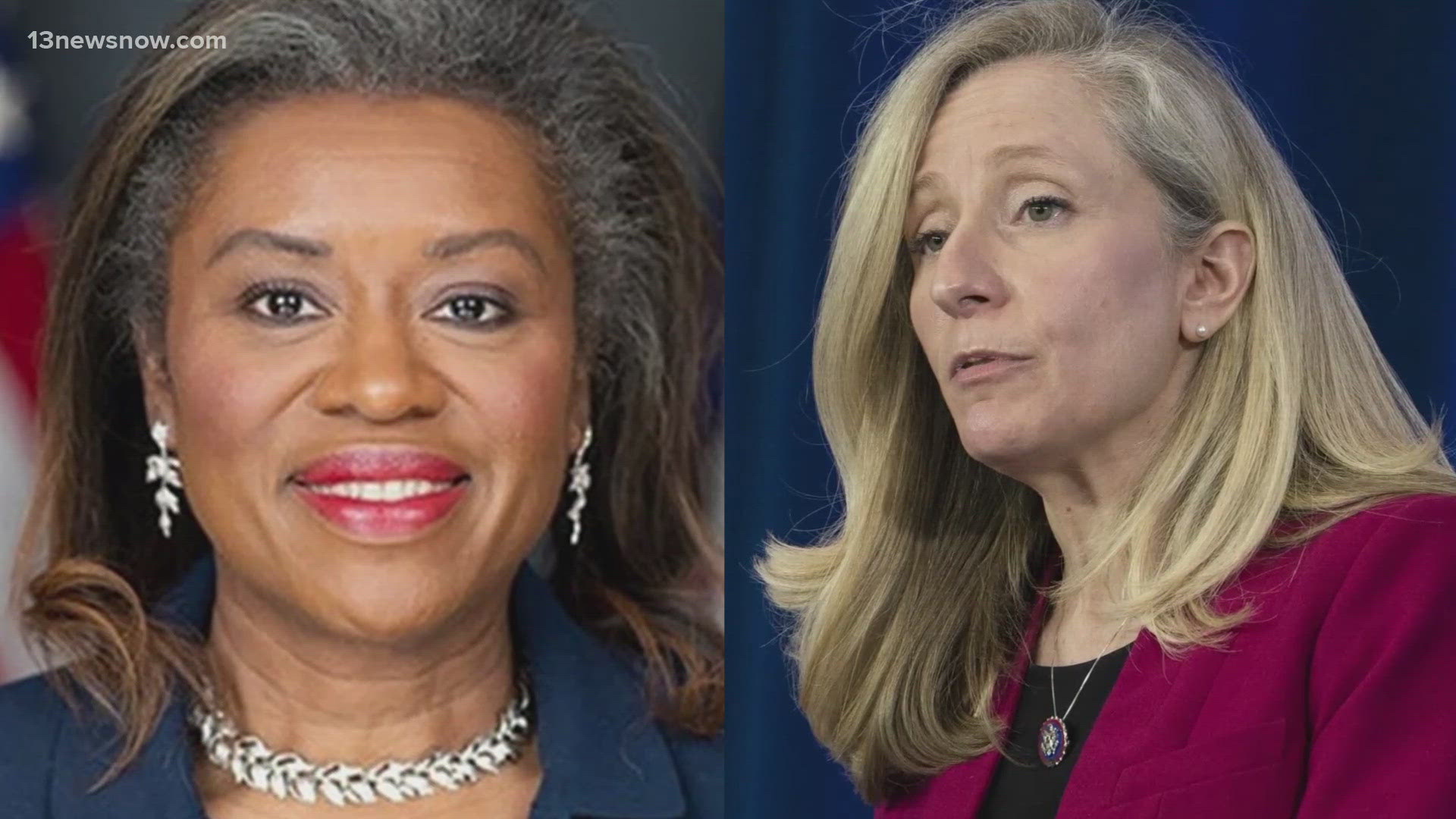
- Jennifer Carroll Foy and Jennifer McClellan: During the 2021 Democratic gubernatorial primary, former Delegate Jennifer Carroll Foy and State Senator Jennifer McClellan ran prominent campaigns for governor. Their candidacies marked the first time multiple Black women competed simultaneously for a major party’s gubernatorial nomination in Virginia. McClellan was subsequently elected to the U.S. House of Representatives in 2023.
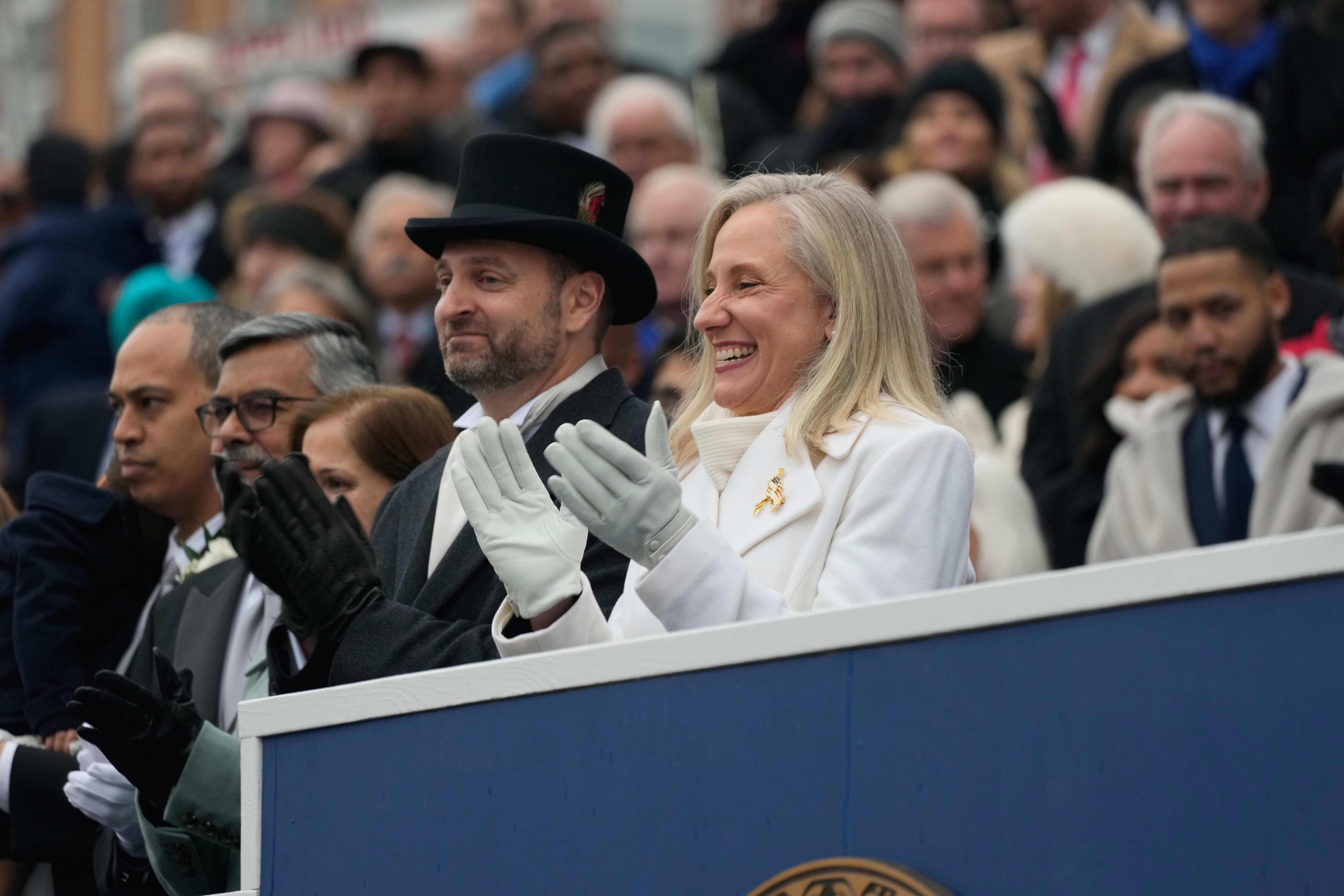
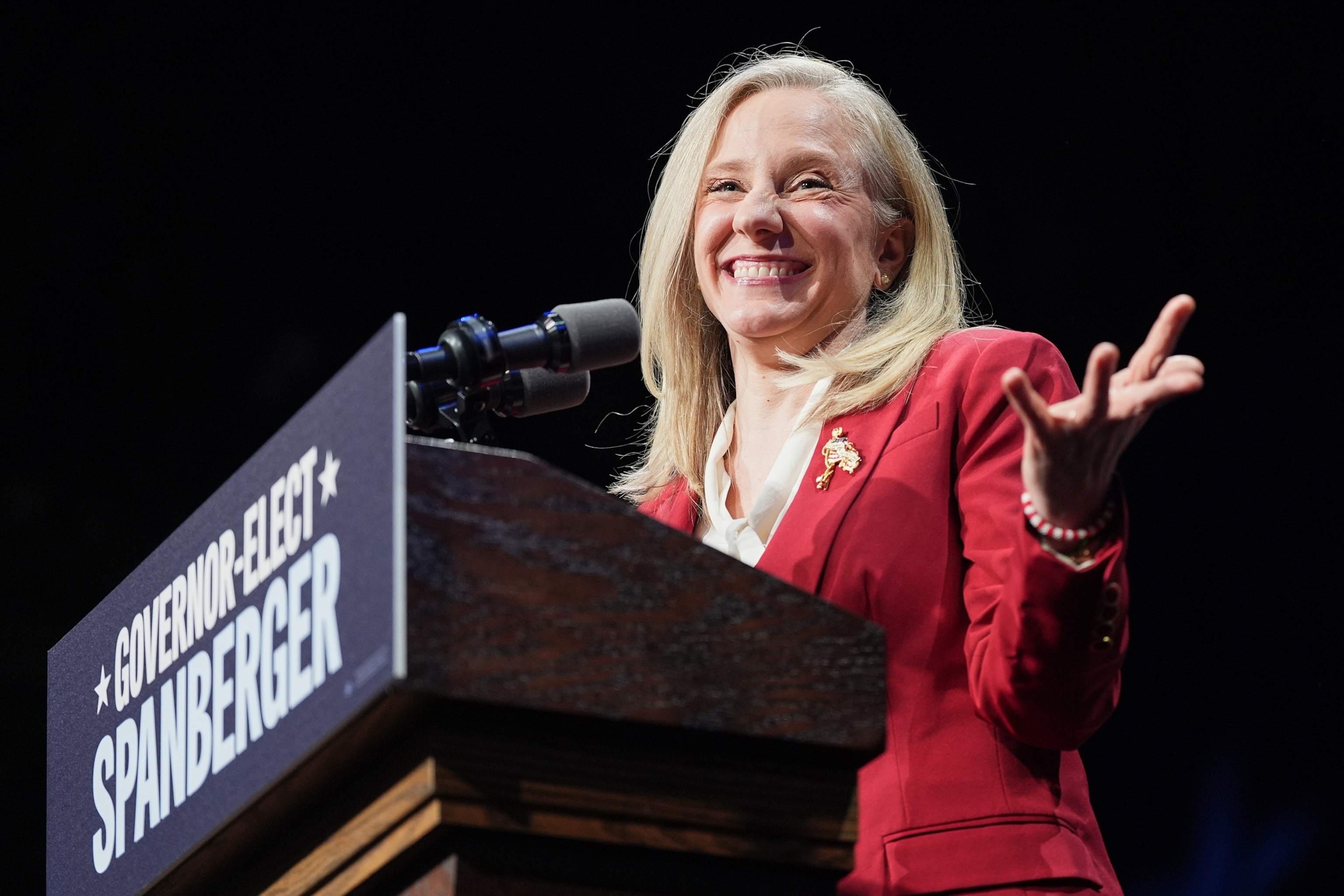
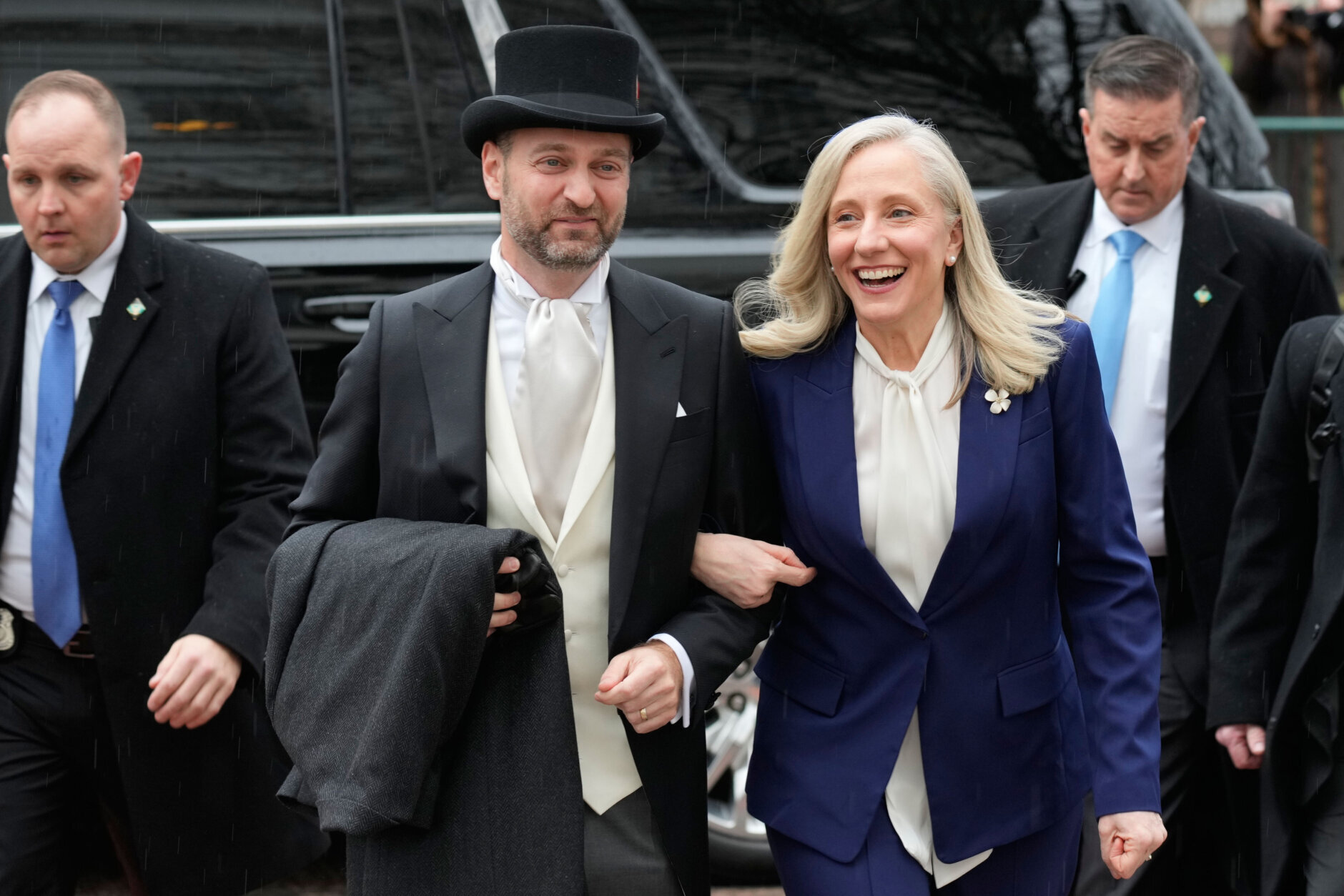
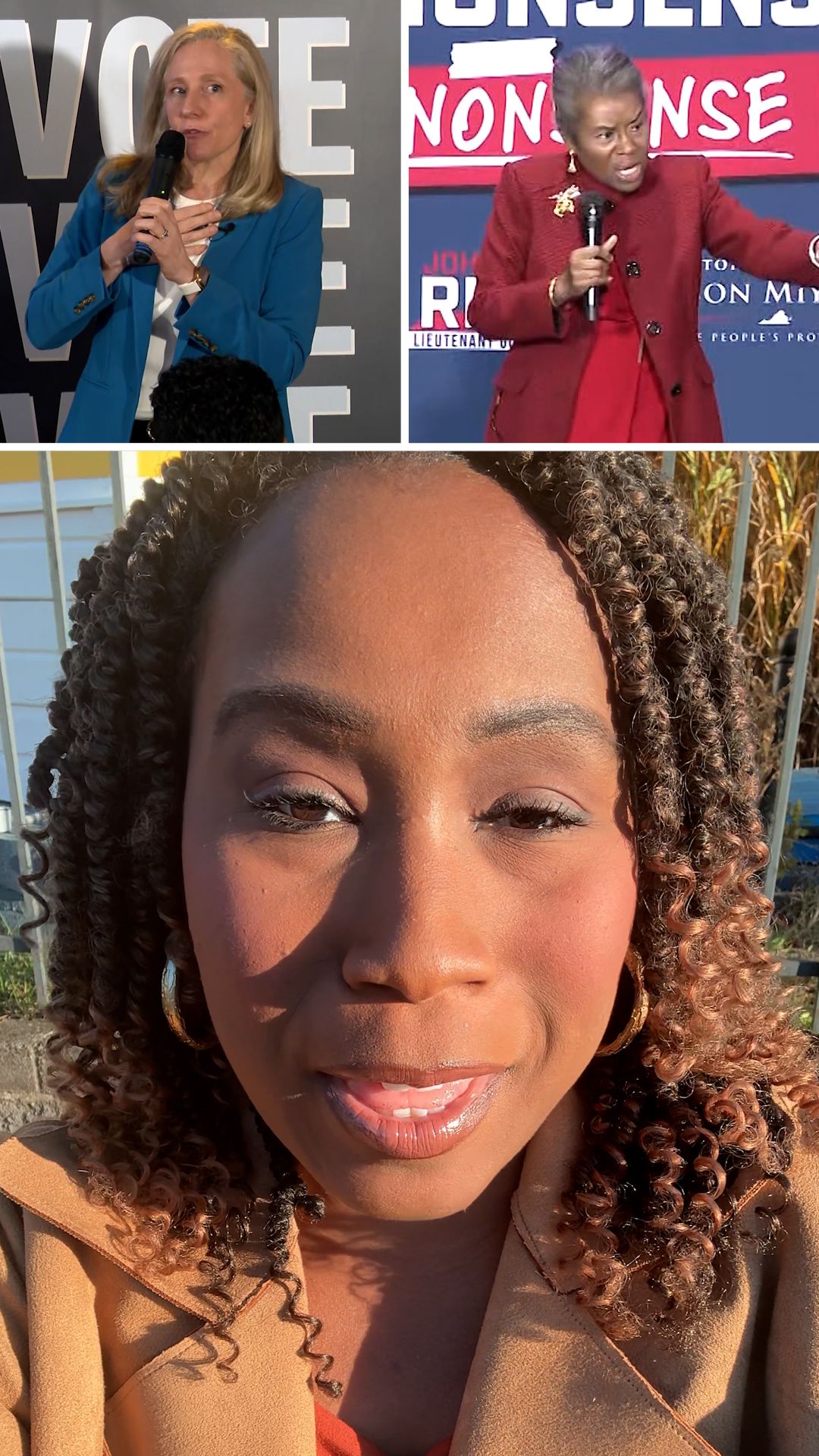
- Abigail Spanberger: A former U.S. Representative from Virginia's 7th Congressional District, Spanberger launched a major campaign for Governor of Virginia in the 2025 election cycle, drawing national attention to the state's historical leadership gap.
Institutional Factors Shaping Virginia Executive Politics
Several institutional rules unique to Virginia influence how executive candidates build campaigns and how quickly political benches evolve.
The Single Four-Year Term Constraint
Virginia is the only state in the United States that prohibits its governor from serving consecutive terms. Under Article V, Section 1 of the Constitution of Virginia, an incumbent governor cannot run for immediate re-election. Once a four-year term concludes, the sitting governor must step down, though they may run again in non-consecutive years (a path taken successfully by Mills Godwin in 1965 and 1973, and attempted by Terry McAuliffe in 2021).
This constitutional restriction affects female executive candidates in several distinct ways:
- Accelerated Bench Turnover: Because incumbents cannot run for re-election, Virginia holds an open-seat gubernatorial race every four years. This creates frequent electoral opportunities compared to states where long-serving incumbents hold office for twelve to sixteen years.
- Shortened Pipeline Development: Potential gubernatorial candidates must quickly build statewide name recognition and fundraising networks during a single four-year window. For non-traditional candidates or legislative leaders transitioning to executive campaigns, this compressed timeline demands immediate capital and organization.
- High-Stakes Succession: Because the sitting governor cannot seek re-election, the sitting Lieutenant Governor and Attorney General often enter the gubernatorial primary pipeline immediately upon taking office, making initial access to those secondary statewide offices exceptionally critical.
Off-Year Election Timing
Virginia conducts its gubernatorial elections in odd-numbered years immediately following U.S. presidential elections (e.g., 2017, 2021, 2025). This off-year schedule means Virginia gubernatorial races operate under intense national media scrutiny and voter mobilization efforts. However, voter turnout in off-year state elections is historically lower than in presidential election years, placing a premium on established party infrastructure and turnout operations.
Executive Office Milestones in Virginia History
The following table outlines key constitutional and legislative executive milestones achieved by women in Virginia state government compared to the governorship:
| Office / Position | First Female Official | Year Elected / Appointed | Political Party | Key Historical Significance |
|---|---|---|---|---|
| Attorney General of Virginia | Mary Sue Terry | 1985 | Democratic | First woman elected to any statewide executive office in Virginia history. |
| Gubernatorial Major-Party Nominee | Mary Sue Terry | 1993 | Democratic | First woman to win a major political party nomination for Governor of Virginia. |
| U.S. House of Representatives (VA) | Leslie Byrne | 1992 | Democratic | First woman elected to represent Virginia in the United States Congress. |
| Lieutenant Governor of Virginia | Winsome Earle-Sears | 2021 | Republican | First woman elected Lieutenant Governor and first Black woman elected statewide. |
| Speaker of the Virginia House | Eileen Filler-Corn | 2020 | Democratic | First female Speaker of the House of Delegates in Virginia’s 400-year legislative history. |
| President Pro Tempore of VA Senate | Louise Lucas | 2024 | Democratic | Highest-ranking female legislative leader in the Senate of Virginia. |
| Governor of Virginia | None to date | N/A | N/A | Virginia remains one of 18 U.S. states that has not yet elected a female governor. |
Comparative Analysis: Virginia vs. National Female Gubernatorial Representation
Across the United States, female executive representation at the state level has expanded steadily over the past several decades. To evaluate Virginia’s position, it is helpful to look at broader historical context across American states.
| National Gubernatorial Context |
|---|
| States with Female Governors Historically: 32 States |
| States Never Electing a Female Governor: 18 States (Including Virginia) |
States neighboring Virginia have experienced differing timelines regarding female executive leadership:
- North Carolina: Elected its first female governor, Bev Perdue (Democrat), in 2008. Perdue previously served as Lieutenant Governor.
- Maryland: Has not yet elected a female governor, though women have served as Lieutenant Governor (such as Kathleen Kennedy Townsend and Boyd Rutherford's successor, Aruna Miller).
- West Virginia: Has never elected a female governor.
- Kentucky: Elected Martha Layne Collins (Democrat) as governor in 1983.
Nationally, the primary pathway to the governorship for women has historically been through secondary executive offices (Lieutenant Governor or Secretary of State), member of Congress, or statewide legal offices (Attorney General). As Virginia's legislative and executive benches diversify—demonstrated by female leadership in both the House of Delegates and the Senate of Virginia—the structural prerequisites for electing a female chief executive have drawn closer alignment with national trends.
Legislative and Judicial Benchmarks for Women in Virginia
Executive political pipelines rely heavily on legislative experience. Before women were elected to statewide constitutional offices in Virginia, they had to establish a presence within the Virginia General Assembly.
- Early Legislative Entry: The first women elected to the Virginia General Assembly were Sarah Lee Fain and Helen Timmons Henderson, both elected to the House of Delegates in 1923, shortly after the ratification of the 19th Amendment.
- Senate of Virginia: The first woman elected to the Senate of Virginia was Evelyn Thomas Butts, followed by Elizabeth Andrews, who won a special election in 1975.
- Speakership and Senate Leadership: In 2020, Delegate Eileen Filler-Corn became the first female Speaker of the House of Delegates in Virginia history. In 2024, Senator L. Louise Lucas assumed the post of President Pro Tempore of the Senate of Virginia and Chair of the Senate Finance and Appropriations Committee, placing women in primary control of state budgetary negotiations.
- Judicial Branch: In 2002, Justice Elizabeth B. Lacy became a leading senior voice on the Supreme Court of Virginia, which appointed its first female Chief Justice, Cynthia D. Kinser, in 2011.
These legislative and judicial roles serve as critical feeder mechanisms for future executive candidacies, offering policy oversight, legislative records, and state network development.
Actionable Steps for Researching Virginia Executive History
For researchers, students, and citizens tracking Virginia's executive leadership records, official primary sources provide direct access to election statistics, biographical registers, and constitutional documents:
- Review Official Election Records: Access the Virginia Department of Elections Official Results Archive to examine certified vote tallies, precinct breakdowns, and historical ballot access records for gubernatorial, lieutenant gubernatorial, and attorney general contests dating back decades.
- Examine State Archives and Executive Papers: Consult the Library of Virginia Digital Collections for executive orders, gubernatorial correspondence, speeches, and legal opinions rendered by former state executives and attorneys general.
- Study Constitutional Mandates: Read Article V of the Constitution of Virginia via the Virginia General Assembly Legislative Information System to understand the precise legal powers, succession rules, and term limit provisions governing the Governor, Lieutenant Governor, and Attorney General.
- Track Current Legislative and Executive Roster: Monitor ongoing executive appointments and legislative committee assignments through the official portal of the Governor of Virginia.
Frequently Asked Questions
Has Virginia ever had a female governor?
No. Virginia has not elected a female governor in its history. Every individual elected to serve as Governor of the Commonwealth of Virginia since the creation of the office in 1776 has been male.
Who was the first woman elected to statewide office in Virginia?
Mary Sue Terry was the first woman elected to a statewide constitutional office in Virginia. She was elected Attorney General of Virginia in November 1985, took office in January 1986, and served two consecutive terms until 1993.
Who is the first female Lieutenant Governor of Virginia?
Winsome Earle-Sears is the first female Lieutenant Governor of Virginia. Elected in November 2021 and sworn into office on January 15, 2022, she also became the first Black woman elected to any statewide office in Virginia history.
Who was the first woman to run for governor on a major party ticket in Virginia?
Mary Sue Terry was the first woman to earn a major political party's nomination for Governor of Virginia. After serving two terms as Attorney General, she won the Democratic nomination for governor in 1993 but lost in the general election to Republican George Allen.
Can a Virginia governor serve consecutive terms?
No. Article V, Section 1 of the Constitution of Virginia explicitly prohibits a sitting governor from serving consecutive terms. A governor who completes a four-year term must step down, though they remain eligible to run again in non-consecutive future elections.
How many U.S. states have never elected a female governor?
As of 2026, 18 U.S. states have never elected a female governor, while 32 states have elected at least one woman to serve as their chief executive. Virginia is among the 18 states that have not yet had a female governor.
Image Gallery