How the Opening Ceremony in Milan Showcased Harmony Across Culture, Sport, and Art
The opening ceremony in Milan showcased harmony by integrating Italy's historic artistic tradition, cutting-edge fashion design, and modern sustainable technology into a unified global narrative. Held at the iconic San Siro Stadium, th...
The opening ceremony in Milan showcased harmony by integrating Italy's historic artistic tradition, cutting-edge fashion design, and modern sustainable technology into a unified global narrative. Held at the iconic San Siro Stadium, the ceremony bridged urban sophistication with alpine heritage, bringing athletes, performers, and international spectators together through a shared celebration of human connection and creative balance.
Contents
The Concept of Harmony in Milan’s Ceremonial Vision
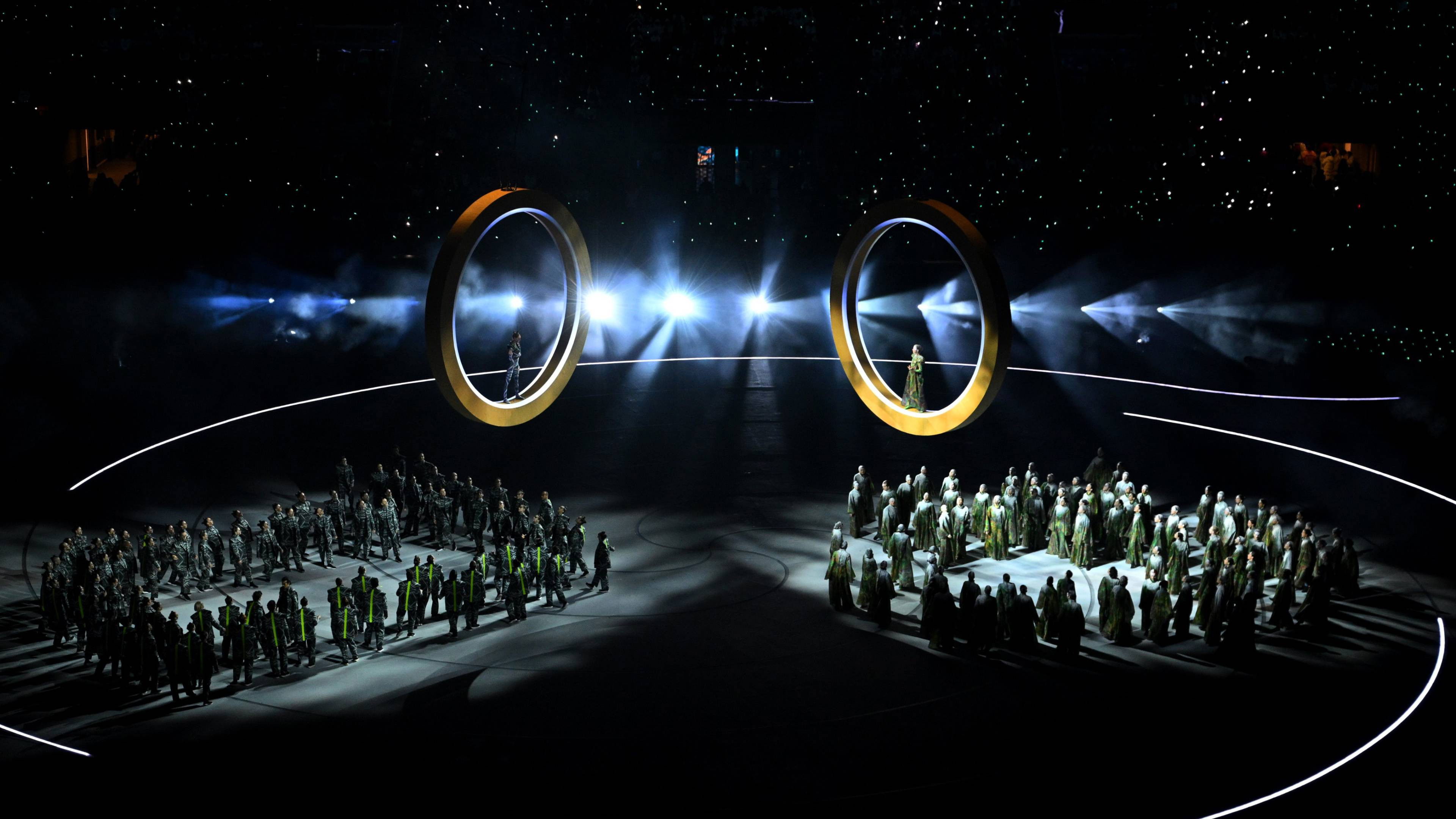
The organizing committee engineered the ceremonial concept around the principle of structural and artistic equilibrium. Milan, long recognized as a global capital for design, industrial innovation, and high fashion, presented a visual narrative that seamlessly linked contemporary urban life with natural ecological landscapes. Rather than relying solely on grand historical re-enactments, the production prioritized fluid transitions between classical music, digital light choreography, and physical theater.
The overarching design philosophy centered on bringing contrasting elements into alignment:
- Urbanity and Nature: Synthesizing Milan's dense metropole with the surrounding alpine terrain of northern Italy.
- Tradition and Innovation: Juxtaposing classical renaissance aesthetics with modern augmented reality, laser technology, and sustainable stage construction.
- Individual Athletic Endeavor and Collective Unity: Balancing personal sporting excellence with international cooperation under the Olympic charter.
By structuring the event around these complementary forces, the production team demonstrated how technical staging, acoustic engineering, and narrative pacing can create an immersive experience of unity. The ceremony highlighted how modern international gatherings can respect local cultural identity while offering a universal message of peaceful collaboration.
Core Thematic Pillars: Blending Heritage, Modernity, and Nature
| Pillar | Components |
|---|---|
| Artistic & Cultural Heritage | • Opera, Sculpture & Architecture• High Fashion & Industrial Design |
| Environmental Ecology & Nature | • Alpine-Urban Connections• Sustainable Stage Engineering |
| International Athletic Community | • Shared Ceremonial Protocols• Unified Artistic Expression |
Italian Cultural Heritage and High Design
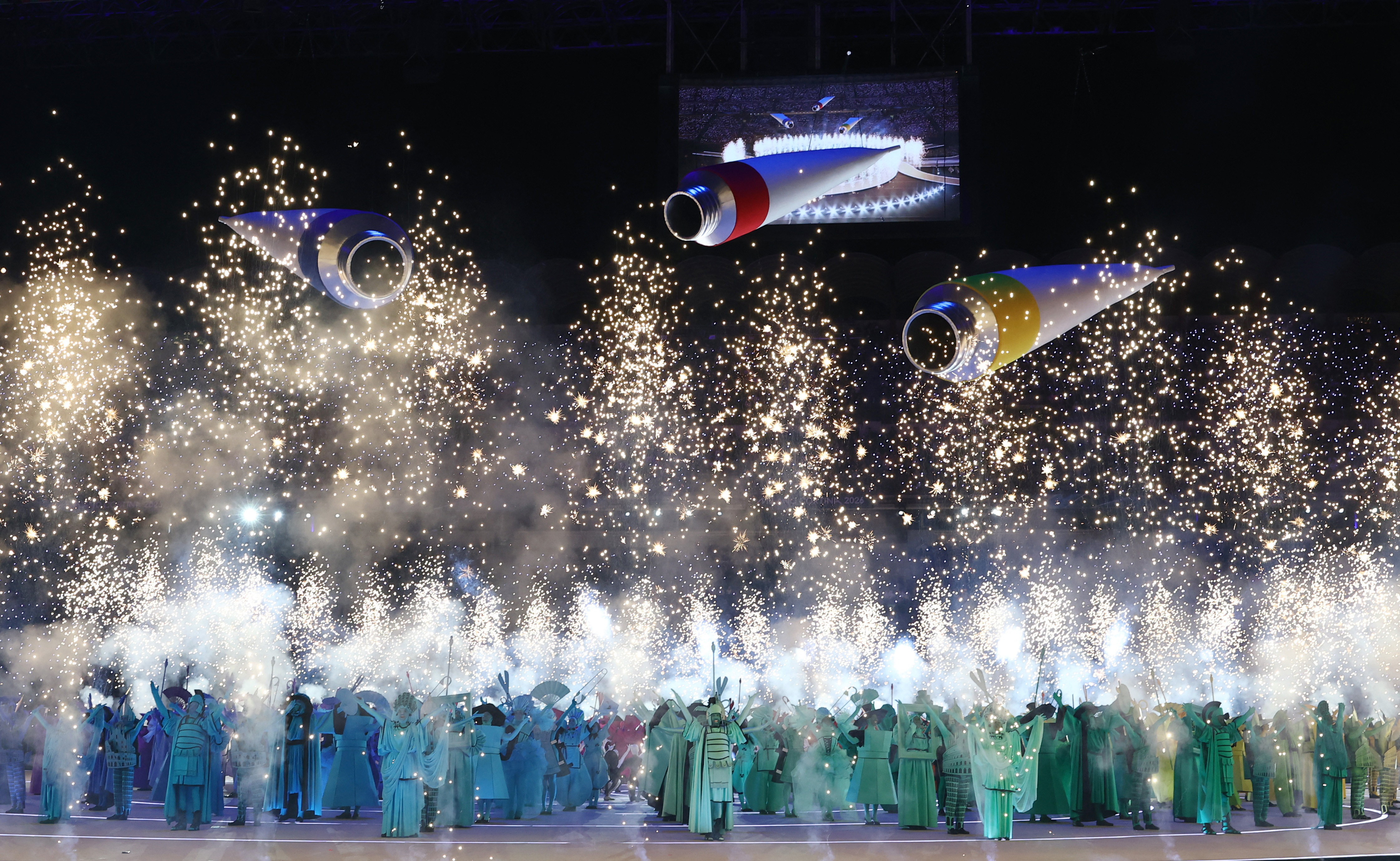
Italy’s deep cultural history served as the visual foundation for the opening production. The ceremony paid homage to centuries of artistic mastery, referencing classical architecture, Renaissance painting, and iconic Italian cinema. Choreographers utilized dynamic stage geometry to mirror the proportions of classical architecture, creating visual symmetry across the stadium floor.
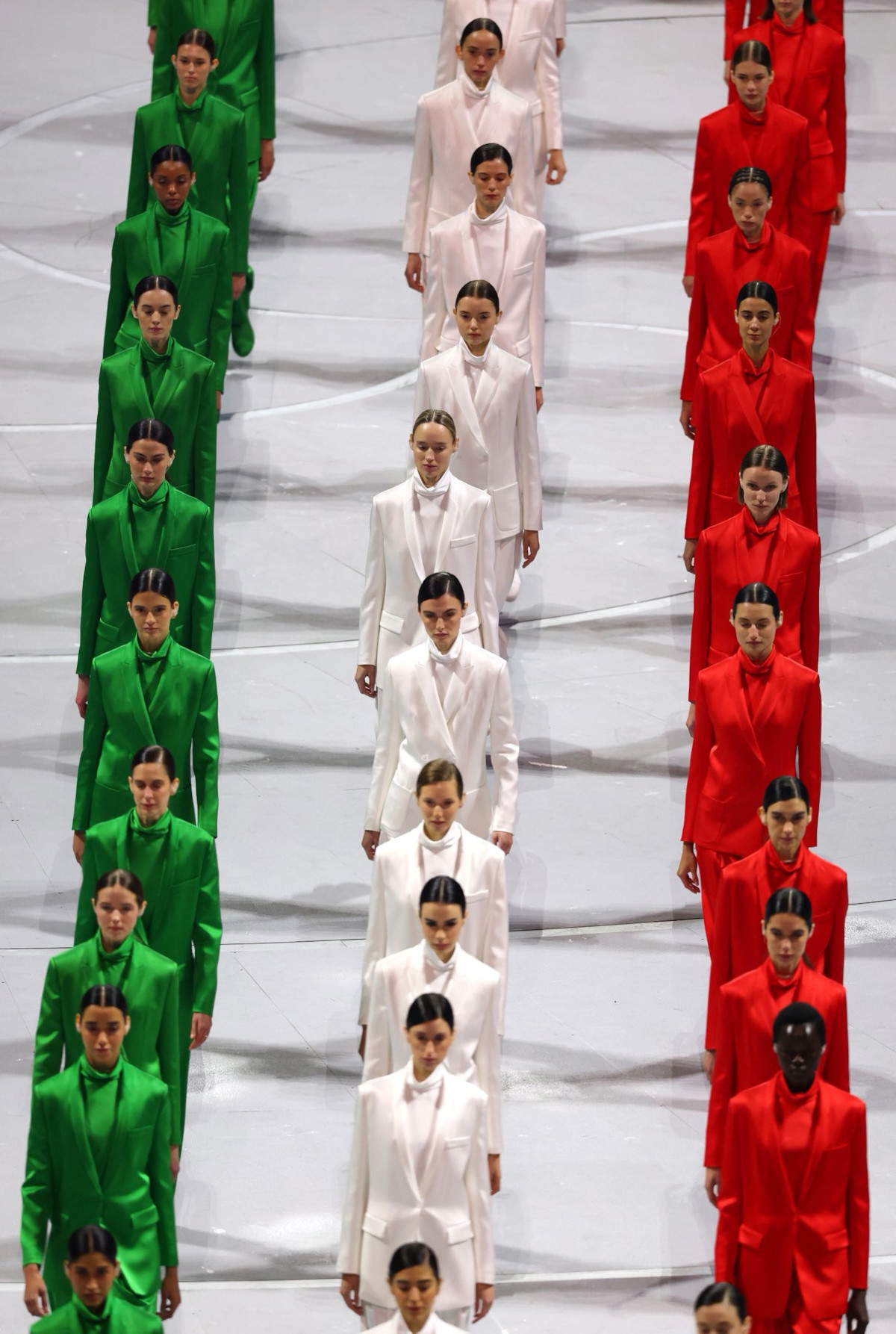
Fashion played an indispensable operational and visual role. World-renowned Italian fashion houses contributed custom wardrobe designs for performers, flag bearers, and dignitaries. These garments incorporated recycled textiles and ethical production methods, illustrating that aesthetic luxury can coexist with modern environmental standards.
Environmental Sustainability and Mountain Ecology
A central narrative thread focused on the environmental symbiosis between human cities and natural ecosystems. The production highlighted the geographic relationship between the Lombardy region's urban infrastructure and the surrounding Alpine mountain ranges. Visual displays utilized high-definition projection mapping to simulate flowing water, glacial formations, and forest landscapes across the stadium pitch.
Stage designers implemented strict eco-design standards, prioritizing modular staging components manufactured from non-toxic, locally sourced, and recyclable materials. Energy consumption was optimized through energy-efficient LED lighting systems powered by certified renewable energy credits, reflecting a tangible commitment to minimizing the carbon footprint of large-scale public events.
International Athletic Unity and Ceremonial Protocol
The traditional parade of delegations formed the structural centerpiece of the program. Protocol elements—including the entrance of the host country’s flag, the Olympic anthem, and the lighting of the ceremonial cauldron—were carefully integrated to maintain narrative momentum. The staging allowed athletes to remain central participants throughout the artistic sequences rather than passive spectators.
To read official guidelines regarding ceremonial protocols and international Olympic standards, consult the International Olympic Committee.
Key Venues and Production Architecture
Executing a multi-faceted ceremony required complex technical adaptation of existing civic infrastructure. The primary production took place at the Stadio Giuseppe Meazza (San Siro), one of Europe's largest and most historic sporting venues. Converting a traditional football stadium into an advanced performance arena required extensive structural, acoustic, and logistical modifications.
- San Siro Stadium Hub
- Parade of Nations
- Primary Artistic Choreography
- Central Cauldron & Opening Acts
- Integrated Broadcast & Synchronized Cueing
- Complementary Regional Hubs
- Arena di Verona (Closing/Culture)
- Alpine Venues (Cortina Hubs)
- Complementary Regional Hubs
Technical Modifications at San Siro Stadium
- Field Protection and Modular Staging: Engineers installed temporary heavy-duty flooring systems over the pitch to support heavy camera rigs, temporary set pieces, and thousands of performers without damaging the underlying surface.
- Acoustic and Rigging Infrastructure: Technical teams suspended centralized loudspeaker arrays and intricate aerial wire systems from the stadium’s massive roof structure, allowing performers and dynamic props to travel safely above the stadium field.
- Projection Mapping: Dozens of ultra-high-lumen laser projectors were calibrated around the upper tier of the stadium to transform the pitch into a seamless visual canvas.
- Broadcast and Connectivity: Ultra-low-latency fiber networks were deployed throughout the venue to synchronize live audio feeds, lighting cues, broadcast graphics, and international transmission feeds worldwide.
Integration with Regional Hubs
The ceremonial concept extended beyond the walls of San Siro. Through synchronized live satellite broadcasts, the ceremony established real-time visual links with historical sites such as the Arena di Verona and mountain venues across northern Italy. This decentralized approach physically and visually connected urban fans with alpine sports communities, reinforcing the message of regional harmony.
Detailed Breakdown of Ceremonial Elements
The opening ceremony followed a carefully timed sequence designed to build emotional resonance while maintaining strict protocol compliance.
| Segment Name | Primary Focus Area | Artistic & Technical Execution | Symbolic Meaning |
|---|---|---|---|
| Overture of Light | Architectural Visuals | Projection mapping, aerial acrobatics, dynamic soundscapes | Waking up the spirit of innovation and culture. |
| The Alpine Stream | Ecology & Environment | Fluid choreography, LED floor arrays, choir arrangements | The flow of life connecting high mountains to urban valleys. |
| Parade of Nations | Athletic Delegation | Uniform presentation, interactive athlete lighting tags | Global diversity gathering under unified sportsmanship. |
| Symphony of Design | Fashion & Craftsmanship | High-fashion runway displays, sculptural set movement | Human creativity as a bridge between utility and beauty. |
| The Protocol & Oaths | Official Ceremonial | Flag raising, formal declarations, choral anthems | Commitment to fairness, peace, and mutual respect. |
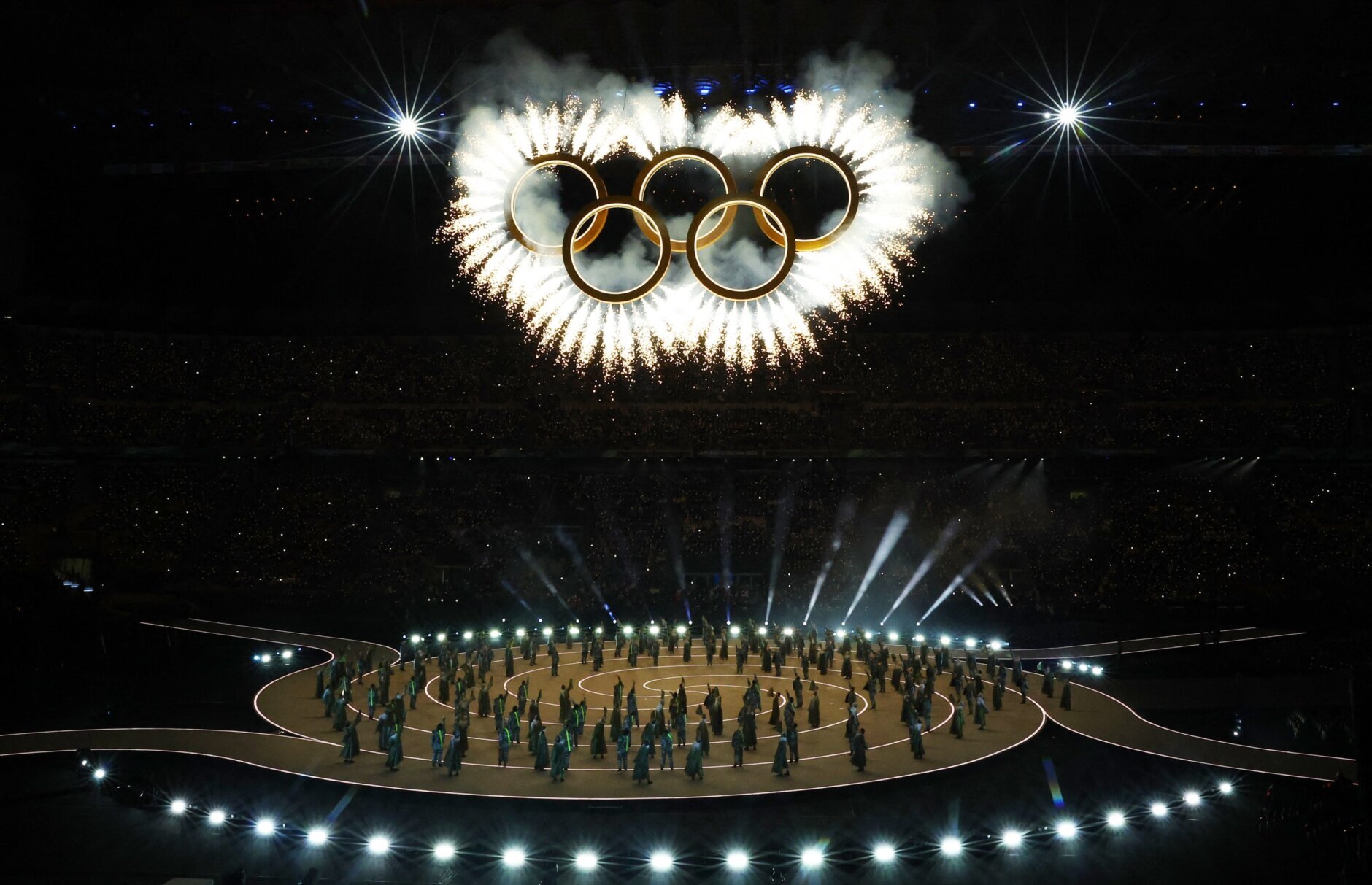
| Lighting of the Cauldron | Climax & Symbolism | Kinetic sculpture, pyrotechnics, lighting convergence | Eternal hope, energy, and shared human purpose. |
Narrative Flow and Musical Cues
Music served as the emotional spine of the production. The soundtrack blended classical Italian opera—featuring works by Puccini and Verdi—with modern electronic rhythms and orchestral arrangements. Live vocalists were accompanied by a full symphony orchestra positioned on an elevated stage module, ensuring acoustic clarity throughout the open-air stadium.
The lighting of the ceremonial cauldron represented the culmination of the ceremony's visual theme. Designed as a kinetic sculpture, the cauldron integrated dynamic mechanical arms with clean-burning fuel technology, symbolizing the union of artistic expression, mechanical engineering, and environmental stewardship.
Strategic and Economic Impact of the Presentation
A successful opening ceremony delivers benefits far beyond immediate entertainment value. For Milan and the wider Lombardy region, demonstrating operational excellence and cultural creativity yields long-term economic, strategic, and reputational advantages.
Global Broadcast and Digital Engagement
The live production reached hundreds of millions of viewers across broadcast television and streaming platforms. By presenting a cohesive message of harmony, the organizers strengthened the international brand of Milan as a modern, welcoming, and technologically capable global hub. High engagement metrics across digital platforms demonstrated that traditional ceremonial formats remain highly relevant when updated with contemporary storytelling techniques.
Tourism, Urban Legacy, and Infrastructure Upgrades
The temporary adaptations made for the ceremony leave a lasting legacy for local event infrastructure:
- Transport Efficiency: Transit authorities optimized high-capacity regional transport lines, metro connections, and accessibility services around the San Siro district.
- Sustainability Standards: The strict environmental standards enforced during the event established new operational benchmarks for future large-scale events in Italy.
- Cultural Diplomacy: The successful execution reinforced Italy's reputation as a premier destination for international sports conferences, trade expos, and cultural festivals.
For additional analysis of global event management and sustainable urban development, explore guidance from the United Nations Environment Programme.
Frequently Asked Questions
What was the central theme of the opening ceremony in Milan?
The central theme was harmony, specifically emphasizing the balance between human creativity and nature, historical tradition and technological innovation, and individual nations within a unified global community.
Where was the opening ceremony primarily held?
The primary live ceremony took place at the historic Stadio Giuseppe Meazza (San Siro) in Milan, Italy, with live broadcast integration linking iconic regional sites such as the Arena di Verona.
How did the ceremony demonstrate environmental sustainability?
The production incorporated energy-efficient LED systems, clean-burning fuel technology for the cauldron, stage components made from recycled and recyclable materials, and strict waste-diversion management protocols.
What role did fashion and design play in the ceremony?
Fashion was a core narrative element. Prominent Italian fashion houses designed wardrobes for performers and officials using sustainable textiles, highlighting Milan's legacy as a world capital of style and design.
How did the event bridge the city of Milan with alpine regions?
Through dynamic projection mapping, physical choreography, and real-time broadcast links to mountain clusters, the production showcased the ecological and cultural connection between Lombardy's urban center and the surrounding Alps.
Key Takeaways and Next Actions
The opening ceremony in Milan demonstrated how large-scale international events can successfully convey complex thematic messages like harmony without sacrificing technical precision or entertainment value. By balancing heritage with technology and local identity with global unity, the event established a modern benchmark for major ceremonial productions.
Recommended Next Steps for Event Planning and Research Professionals
- Review Sustainable Production Frameworks: Analyze the eco-design and energy management protocols used in major ceremonies to apply green event practices to corporate or civic gatherings.
- Study Technical Integration: Examine how dynamic projection mapping, low-latency fiber networking, and spatial audio systems can be combined in large open-air venues.
- Explore Urban-Regional Synergy Models: Investigate how co-hosting major events across urban and rural/mountain hubs can distribute economic benefits and boost regional tourism infrastructure.
Image Gallery