Flu Shot While Sick: When to Get It, When to Wait, and What to Expect
If you have a mild illness without a fever—such as a minor cold, runny nose, or slight sore throat—you can safely receive your flu shot. However, if you are experiencing moderate to severe illness, particularly with a fever, healthcare...
If you have a mild illness without a fever—such as a minor cold, runny nose, or slight sore throat—you can safely receive your flu shot. However, if you are experiencing moderate to severe illness, particularly with a fever, healthcare providers recommend waiting until your acute symptoms improve before getting vaccinated.
Contents
Disclaimer: This article is for informational purposes only and does not substitute for professional medical advice, diagnosis, or treatment. Always consult a qualified healthcare provider regarding your specific medical condition or vaccination timing.
Understanding the General Rule: Mild vs. Moderate or Severe Illness
Deciding whether to get a flu shot while sick depends primarily on the severity of your current symptoms rather than the mere presence of a virus. Public health agencies, including the Centers for Disease Control and Prevention (CDC), establish clear distinction thresholds between mild infections and moderate-to-severe acute illnesses.
The primary objective of these guidelines is twofold: ensuring your body mounts a robust immune response and preventing confusion between vaccine side effects and worsening underlying illness.
| MILD (No Fever) | MODERATE TO SEVERE (Fever Present) |
|---|---|
| - Minor runny nose- Mild scratchy throat- Low-grade congestionAction: GET FLU SHOT NOW | - Temperature over 100.4°F (38°C)- Chills, body aches, severe fatigue- Severe bronchitis or pneumoniaAction: DEFER UNTIL SYMPTOMS IMPROVE |
Mild Illnesses (Safe for Immediate Vaccination)
A mild illness typically involves localized symptoms restricted to the upper respiratory tract without systemic involvement. If you are experiencing any of the following without a fever, you do not need to postpone your annual influenza vaccination:
- A mild common cold or low-grade sinus congestion
- A slight scratchy throat or minor cough
- Mild allergic rhinitis (seasonal allergies)
- A mild ear infection (otitis media) without systemic fever
Studies demonstrate that minor illnesses do not impair the body’s ability to develop protective antibodies from an inactivated influenza vaccine. Furthermore, receiving the shot while experiencing a mild cold does not make your cold worse or increase your risk of adverse vaccine reactions.
Moderate to Severe Illnesses (Reason to Postpone)
If your body is battling a systemic infection or a high-grade fever, medical guidelines advise deferring vaccination until the acute phase passes. Conditions requiring a delay include:
- A fever exceeding 100.4°F (38°C)
- Severe respiratory conditions such as pneumonia, acute bronchitis, or severe asthma exacerbations
- Systemic viral or bacterial infections causing significant fatigue, muscle aches, or shivering
- Acute gastrointestinal illness involving active vomiting, severe diarrhea, or dehydration
Deffering vaccination during a moderate or severe illness is a temporary precaution. Once your fever subsides for at least 24 hours without fever-reducing medication and your primary symptoms begin resolving, you can safely reschedule your appointment.
Why Doctors Recommend Delaying the Vaccine During Severe Illness
Patients often wonder if getting a flu shot while sick will "overload" their immune system. While the human immune system handles millions of antigens daily and is easily capable of processing a vaccine while fighting off a bug, doctors recommend waiting during significant illnesses for two key practical reasons:
1. Diagnostic Clarity Regarding Side Effects
Common flu shot side effects include localized soreness at the injection site, low-grade fever, mild headache, fatigue, and muscle aches. If you receive a vaccine while already suffering from a moderate-to-severe illness:
- Symptom Overlap: It becomes difficult for clinicians to determine whether a spike in fever or increased lethargy is a normal vaccine reaction or a sign that your underlying infection is worsening.
- Adverse Event Identification: In rare instances where an adverse medical event occurs, pre-existing acute illness confounds the medical evaluation.
2. Patient Comfort and Clinical Evaluation
Sitting in a pharmacy or waiting room while feverish, nausea-ridden, or experiencing severe chills is uncomfortable for the patient and poses unnecessary infection risks to healthcare workers and vulnerable individuals in public spaces. Delaying the appointment allows you to rest and recover at home.
Specific Illness Scenarios and Guidance
To help you determine whether to keep or reschedule your vaccination appointment, consider how common medical conditions line up with current immunization practices.
Common Cold or Sinus Congestion
If you have a head cold, stuffed-up nose, or minor sinus pressure, you should proceed with your flu shot. Millions of people successfully receive their flu shot every year while managing minor autumn and winter colds.
High Fever or Bacterial Infection
If you are currently running a fever or taking an active course of prescription antibiotics for a severe bacterial infection (such as strep throat, kidney infection, or severe sinusitis), you should wait. Wait until your fever has fully resolved and you have completed the acute phase of your treatment before getting vaccinated. Note that taking antibiotics does not interact directly with the flu shot, as the shot contains inactivated viral proteins rather than bacteria, but the underlying illness dictates the delay.
Active COVID-19 Infection
If you test positive for COVID-19 or suspect you have an active SARS-CoV-2 infection, postpone your flu shot regardless of symptom severity. According to guidance on immunization safety and best practices, patients with confirmed or suspected COVID-19 should remain in isolation and wait to get vaccinated until:
- They meet the criteria to discontinue isolation.
- Their acute symptoms have significantly improved.
- They are no longer running a fever.
This precaution prevents exposing healthcare staff and other patients to COVID-19 during your visit.
Stomach Bug (Gastroenteritis)
If you are recovering from a stomach flu involving nausea, vomiting, or diarrhea, wait until symptoms subside. Acute gastrointestinal distress leads to dehydration and systemic weakness. Once you are rehydrated and keeping foods down normally, it is safe to receive your injection.
Vaccine Types Matter: Injectable Shots vs. Nasal Spray
When evaluating whether to get vaccinated while sick, the specific type of influenza vaccine you plan to receive plays an important role in the decision.
| Feature | Injectable Flu Shot (IIV4/RIV4) | Nasal Spray (LAIV4) |
|---|---|---|
| Vaccine Mechanism | Inactivated or Recombinant | Live Attenuated Virus |
| Administration Route | Intramuscular Injection | Intranasal Spray |
| Severe Congestion Impact | No effect on absorption | May block delivery |
| Mild Cold Permissible? | Yes | Precaution if congested |
| Approved Age Range | 6 months and older | Ages 2 through 49 |
| Safe for Immunocompromised | Yes | No |
1. Inactivated Injectable Vaccines (IIV4 or RIV4)
Standard flu shots are delivered via intramuscular injection (typically in the deltoid muscle of the arm). They contain killed (inactivated) viral particles or recombinant proteins. Because these vaccines do not contain live virus, they cannot cause the flu and can be safely administered even if you have mild upper respiratory symptoms or minor nasal blockages.
2. Live Attenuated Influenza Vaccine (LAIV4) Nasal Spray
The nasal spray vaccine contains weakened (attenuated) live influenza viruses and is approved for healthy, non-pregnant individuals aged 2 through 49.
- Nasal Congestion Precaution: If you have severe nasal congestion from a cold, allergies, or sinus infection, the physical blockage can prevent the vaccine mist from reaching the mucosal lining of your nasal passages, potentially compromising its effectiveness.
- Action Required: If your nose is heavily congested, healthcare providers recommend switching to an injectable flu shot or waiting until your nasal passages clear before receiving the nasal spray.
Comprehensive Decision Table: When to Get Your Flu Vaccine
Use this reference table to evaluate your current health status and determine the appropriate action:
| Current Health Status / Symptoms | Fever Present? | Recommended Action | Suggested Timeframe |
|---|---|---|---|
| Mild cold (runny nose, throat tickle) | No | Get Vaccinated | Keep your scheduled appointment today. |
| Seasonal allergies / Mild congestion | No | Get Vaccinated | Keep your scheduled appointment today. |
| High fever (> 100.4°F / 38°C) | Yes | Postpone | Wait 24–48 hours after fever resolves without medication. |
| Active COVID-19 infection | Optional | Postpone | Wait until isolation ends and symptoms improve. |
| Severe bronchitis or pneumonia | Yes/No | Postpone | Defer until acute respiratory illness completely resolves. |
| Active vomiting or severe diarrhea | No | Postpone | Wait 24–48 hours after GI symptoms fully clear. |
| Taking routine oral antibiotics | No | Get Vaccinated | Safe to get immediately if overall feeling fine. |
| Chronic illness flare-up (e.g., asthma) | No | Consult Doctor | Schedule once condition is stabilized. |
What to Do If You Develop Symptoms After Getting a Flu Shot
It is common to experience mild side effects within 12 to 48 hours after receiving an influenza vaccination. Knowing how to distinguish normal vaccine side effects from an actual illness ensures peace of mind:
Expected Vaccine Reactions
- Soreness, redness, or swelling at the injection site
- Low-grade fever (under 100.4°F)
- Mild fatigue or headache
- Minor muscle aches
These symptoms indicate that your immune system is responding to the vaccine and building protective antibodies. They typically resolve on their own within 1 to 3 days. Rest, hydration, and over-the-counter pain relievers (such as acetaminophen or ibuprofen) can help manage discomfort.
Signs You Might Have an Underlying Illness or Infection
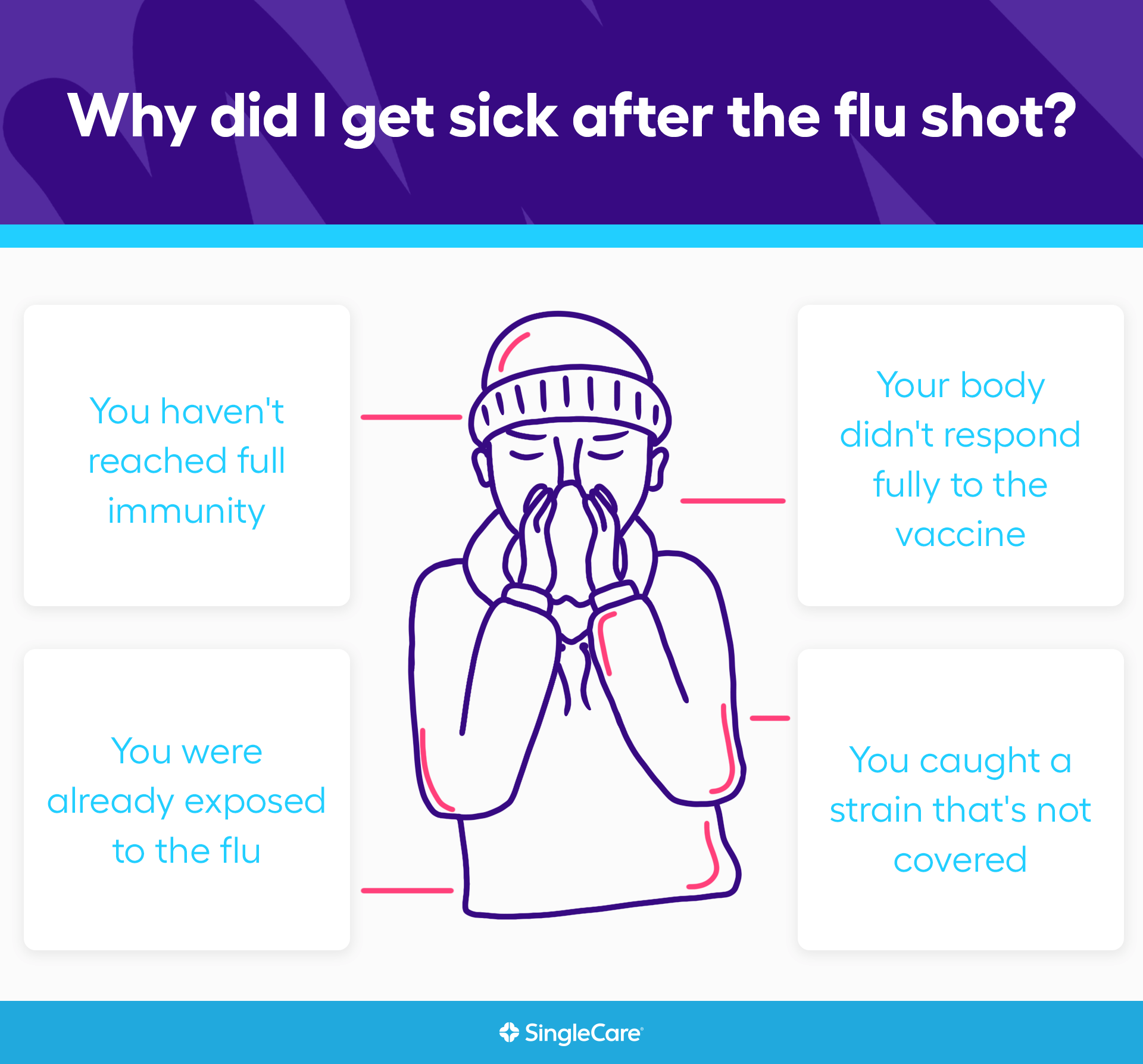
The flu shot cannot cause influenza because standard shots contain no live virus. If you develop high fever, severe respiratory symptoms, cough, loss of taste or smell, or symptoms lasting longer than 3 days shortly after getting vaccinated, you likely contracted a viral infection (such as a cold, COVID-19, or flu) right before or around the time of your vaccination.
It takes approximately two weeks after vaccination for your body to build full antibody protection against the influenza virus. If exposed to the flu shortly before or during that two-week window, you can still fall ill.
Common Mistakes to Avoid When Scheduling Your Vaccination
- Waiting Too Long in the Season: Delaying your flu shot unnecessarily for a minor, week-long runny nose can leave you unprotected during peak flu activity. If your symptoms are mild, do not postpone.
- Canceling Without Rescheduling: If you must cancel an appointment due to moderate or severe illness, set a calendar reminder to reschedule as soon as you recover.
- Hiding Fever with Medication: Taking fever reducers (like paracetamol or ibuprofen) right before your vaccine appointment to pass a temperature screening does not change the fact that your body is fighting a moderate infection. Be honest about your symptoms with your pharmacist or doctor.
- Ignoring Nasal Obstruction for Spray Vaccines: If choosing the nasal spray (LAIV), failing to mention severe nasal congestion can reduce the vaccine's delivery efficiency. Request the standard injectable option if your nasal passages are blocked.
Frequently Asked Questions
Can getting a flu shot while sick make my cold worse?
No. Studies show that receiving an inactivated flu shot while experiencing a mild cold does not worsen cold symptoms or prolong the duration of your illness. Your immune system can easily process the vaccine while managing a minor viral infection.
Will the flu shot work as well if I am sick when I get it?
Yes, for mild illnesses. Research demonstrates that a mild illness without fever does not reduce the immune system's ability to produce protective antibodies in response to the flu vaccine. However, for severe illnesses, doctors recommend waiting to ensure optimal clinical monitoring and patient comfort.
How long should I wait after recovering from a fever to get the flu shot?
You should wait until your fever has been gone for at least 24 hours without the use of fever-reducing medications (such as acetaminophen or ibuprofen), and your general acute symptoms have begun to improve.
Can I get a flu shot while taking antibiotics?
Yes, provided you do not have a high fever or severe acute illness. Antibiotics target bacterial infections, whereas flu vaccines trigger an immune response to viral proteins. Antibiotics do not interfere with the effectiveness of inactivated flu shots.
What happens if I get the flu shot while I have asymptomatic COVID-19?
If you are unaware that you have an asymptomatic COVID-19 infection and receive a flu shot, your body will still develop antibodies to the flu vaccine. However, if you know or suspect you have COVID-19, you should isolate and wait until your isolation period ends to avoid spreading the virus to healthcare workers and others.
Summary and Practical Next Steps
Deciding when to get your flu shot while feeling under the weather comes down to evaluating symptom severity:
- Assess Your Symptoms: If you have no fever and only minor symptoms (such as a runny nose or scratchy throat), keep your appointment.
- Defer if Feverish or Severely Ill: If you have a fever over 100.4°F, severe body aches, acute respiratory distress, or COVID-19, reschedule your shot for a few days after your fever and acute symptoms resolve.
- Choose the Right Vaccine Format: If your nose is severely congested, opt for an intramuscular flu shot rather than the nasal spray.
- Stay Protected: Ensure you get your flu shot before flu activity peaks in your community, as antibody protection takes about two weeks to fully develop.
If you are unsure whether your specific symptoms warrant delaying your flu vaccine, call your primary care doctor or local pharmacist for personalized guidance before your appointment.
Image Gallery