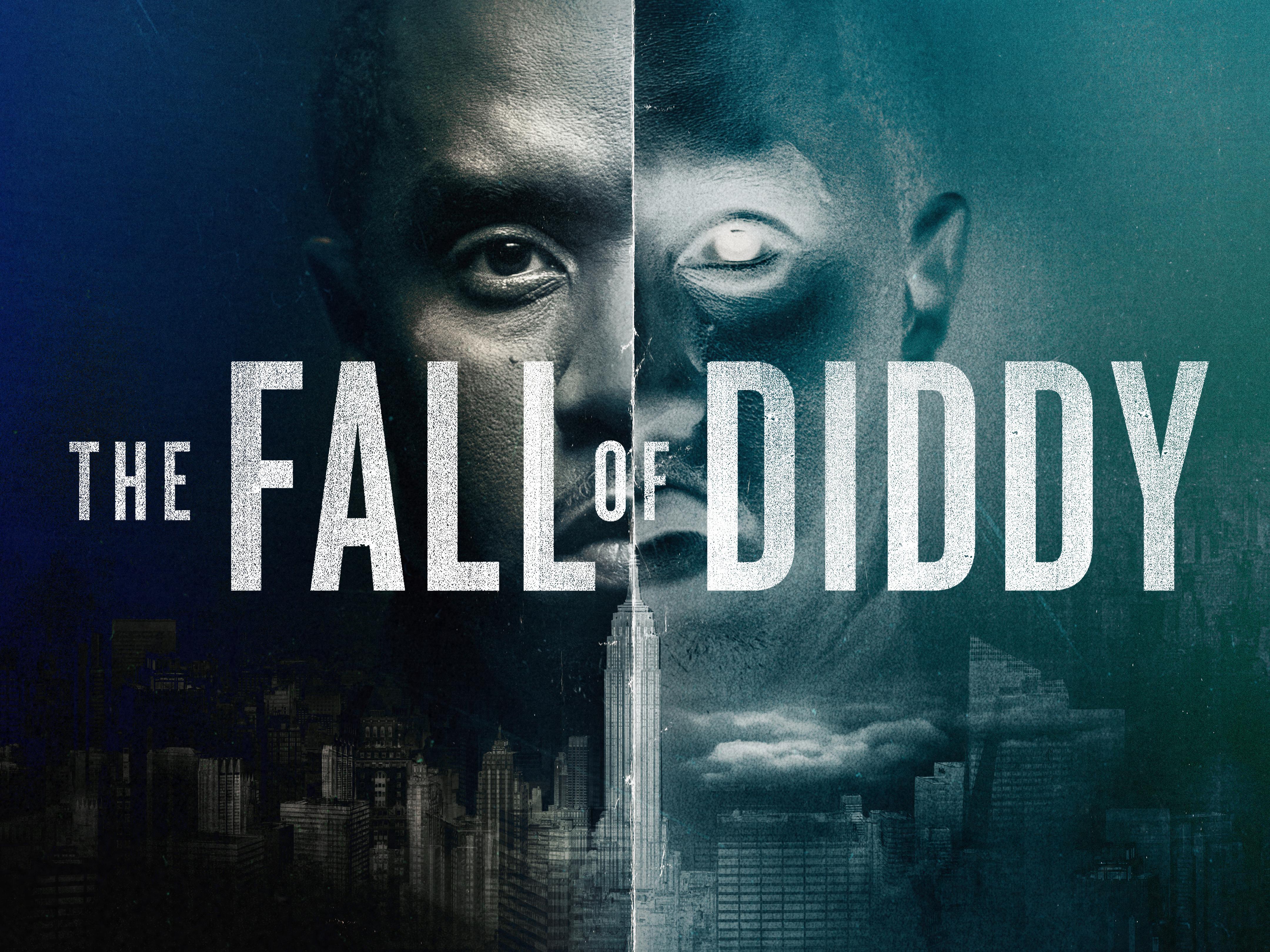
The Diddy The Reckoning Documentary Overview: Inside the Downfall, Allegations, and Streaming Specials
Investigative docuseries examining Sean "Diddy" Combs chronicle the music mogul's swift transition from influential hip-hop executive to defendant in high-profile federal criminal proceedings. Led by projects such as Netflix's multi-pa...
Investigative docuseries examining Sean "Diddy" Combs chronicle the music mogul's swift transition from influential hip-hop executive to defendant in high-profile federal criminal proceedings. Led by projects such as Netflix's multi-part docuseries produced by Curtis "50 Cent" Jackson, these productions analyze decades of civil allegations, law enforcement raids, federal racketeering charges, and systemic power dynamics across the entertainment industry.
Contents
Background and Context of the Cultural Reckoning
For nearly three decades, Sean Combs operated as one of the most visible figures in global hip-hop, fashion, and commercial branding. As the founder of Bad Boy Entertainment, he built an empire that defined 1990s hip-hop culture, launched multi-platinum artists, and expanded into luxury clothing, spirits, and television networks. However, the public narrative shifted dramatically in late 2023 following a series of detailed legal filings that precipitated federal law enforcement scrutiny.
The modern documentary coverage focuses on how decades of reported industry dominance masked severe allegations of physical abuse, sexual misconduct, financial coercion, and organized racketeering. What began as individual civil lawsuits rapidly escalated into a comprehensive federal law enforcement investigation conducted by Homeland Security Investigations (HSI) and federal prosecutors in the U.S. District Court for the Southern District of New York (SDNY).
Documentaries addressing this subject pull back the curtain on the mechanics of high-level entertainment operations. They explore how non-disclosure agreements (NDAs), private security teams, financial retainers, and industry isolation strategies prevented allegations from coming to light for years. By compiling archival footage, sealed court records, investigative journalism, and on-camera interviews, these productions provide a comprehensive timeline of how the executive's public image unraveled.
Key Focus Areas and Narrative Pillars
Investigative documentaries analyzing Sean Combs' legal challenges typically structure their narrative around three distinct phases: the rise of Bad Boy Entertainment, the escalation of civil litigation, and the subsequent federal criminal indictment.
- Bad Boy Era (1990s–2010s)
- Rise of Hip-Hop Empire & Cultural Dominance
- Corporate Expansion, Nightlife Influence & Executive Power
- Civil Litigation Wave (Late 2023–2024)
- Cassie Ventura Lawsuit & Rapid Out-of-Court Settlement
- Subsequent Civil Complaints (Rodney Jones, Joi Dickerson-Neal, others)
- Federal Law Enforcement & Criminal Prosecution (2024–Present)
- HSI Federal Search Warrants Executed in Miami & Los Angeles
- SDNY Federal Indictment: Sex Trafficking, Racketeering & Transportation
The Bad Boy Era and Power Dynamics
The initial phase of these documentaries contextualizes Combs' immense leverage within the music business. During the 1990s and 2000s, Bad Boy Entertainment held significant cultural authority. Former label executives, sound engineers, journalists, and industry insiders describe an environment where corporate influence was interwoven with personal loyalty.
Documentaries highlight how this concentration of power created significant imbalances. Aspiring artists, producers, and staff members often depended entirely on Combs for career advancement, financial stability, and industry protection. Analysts in these specials demonstrate how this dynamic made it exceptionally difficult for individuals to challenge conduct or report grievances without risking their livelihoods and professional reputations.
The 2023 Civil Lawsuits as the Catalyst
The critical tipping point occurred in November 2023, when singer Casandra "Cassie" Ventura filed a federal civil complaint under the New York Adult Survivors Act. The lawsuit alleged years of physical abuse, domestic violence, human trafficking, and coercive control. Although the lawsuit was settled out of court within 24 hours of filing, its public release uncorked a wave of additional legal filings.
Subsequent civil suits were filed by former staff members, producers such as Rodney "Lil Rod" Jones, and multiple anonymous plaintiffs alleging sexual assault, battery, and drugging. Documentaries systematically break down these complaints, illustrating how recurring patterns in independent filings established a broader pattern of alleged predatory conduct rather than isolated incidents.
Federal Indictment and Law Enforcement Action
The investigative narrative culminates in the spring and fall of 2024. In March 2024, federal agents from Homeland Security Investigations executed coordinated, highly public search warrants on Combs' residential properties in Los Angeles, California, and Star Island, Miami.
By September 2024, federal prosecutors unsealed a three-count criminal indictment charging Combs with:
- Racketeering Conspiracy (18 U.S.C. § 1962(d)): Alleging the operation of an enterprise engaged in sex trafficking, forced labor, kidnapping, arson, and obstruction of justice.
- Sex Trafficking by Force, Fraud, or Coercion (18 U.S.C. § 1591): Focusing on coerced sexual performances referred to in court documents as "Freak Offs."
- Transportation to Engage in Prostitution (18 U.S.C. § 2421): Charges related to interstate transport of individuals for commercial sex operations.
Overview of Key Streaming Documentaries and Media Specials
Multiple media organizations, streaming platforms, and independent production companies have developed documentary projects to examine the case. Each production approaches the material through a distinct editorial lens, ranging from true-crime investigative reporting to executive industry critiques.
| Documentary Title / Production | Lead Platform / Studio | Key Investigative Focus | Primary Sources & Expert Interviews |
|---|---|---|---|
| Sean Combs: The Reckoning / Untitled G-Unit Docuseries | Netflix / G-Unit Film & Television (Prod. Curtis "50 Cent" Jackson) | Decades-long systemic power, industry complicity, and chronicling victim stories | Industry insiders, former staff, legal analysts, and archival witnesses |
| The Downfall of Diddy: The Indictment | Investigation Discovery (ID) / Max | Breakdown of the SDNY federal indictment, law enforcement raids, and legal charges | Former prosecutors, law enforcement agents, and legal journalists |
| TMZ Presents: The Downfall of Diddy | Tubi / Fox Alternative Entertainment | Rapid-response chronology of civil lawsuits, 2024 property searches, and public arrest | Legal commentators, media analysts, and eyewitness sources |
| BBC Select / Investigative Specials | BBC / International Networks | Global corporate partnerships, branding fallouts, and systemic entertainment accountability | Music historians, corporate risk analysts, and legal experts |
Netflix's G-Unit Production
Announced during the height of the federal investigation, the Netflix docuseries executive-produced by Curtis "50 Cent" Jackson and directed by Alexandria Stapleton attracted significant attention. The series focuses heavily on humanizing victims while examining the broader ecosystem of the hip-hop industry. Proceeds from the production were reportedly directed to support survivors of sexual assault and domestic violence.
This project distinguishes itself by analyzing how corporate structures, talent agencies, and media platforms enabled abusive behavior by prioritizing commercial profit over safety and compliance. It offers a macro-level critique of music industry practices throughout the late 1990s and 2000s.
Investigation Discovery (ID) & Max Docuseries
The docuseries produced by Investigation Discovery concentrates on the forensic legal evidence and procedural history of the federal indictment. Featuring insights from former federal prosecutors and civil rights attorneys, these episodes dissect the legal threshold required to secure federal racketeering and sex trafficking charges.
The series provides detailed breakdowns of search warrant executions, seized physical evidence—including firearms, modified electronics, and controlled substances—and the testimony of confidential witnesses used by the grand jury to return the indictment.
Critical Evidence and Legal Mechanics Explained
Understanding the documentary narratives requires familiarizing oneself with the primary legal concepts and evidentiary pillars detailed in court filings.
- A. Coercive Control & Surveillance
- Secret electronic recordings used to maintain compliance
- Withholding financial compensation, travel documents, and career advancement
- B. Logistics of "Freak Offs"
- Multi-day scheduled events requiring heavy logistical coordination
- Distribution of controlled substances (narcotics, IV drips)
- Transporting commercial sex workers across state lines
- C. Corporate Enterprise Infrastructure
- Utilization of Bad Boy Entertainment staff for personal logistics
- Engagement of private security detailing to enforce isolation
Coercive Control and Electronic Surveillance
Federal prosecutors and civil complaints emphasize the use of coercive control. Prosecutors allege that Combs utilized covert electronic surveillance—recording intimate encounters without the consent of participants—to establish leverage over victims and associates. Documentaries feature legal experts who explain how possessing compromise material (often referred to as "blackmail" or "collateral") functions as an effective tool to enforce silence and prevent victims from contacting law enforcement.
The Mechanics of "Freak Offs"
A core component of the federal indictment involves multi-day events termed "Freak Offs." According to court documents referenced throughout these documentaries, these sessions involved coerced, drug-fueled sexual performances that lasted for extended periods.
Documentary analyses detail the extensive logistical support required to execute these events, including:
- Arrangements for interstate and international travel for participants and commercial sex workers.
- Procurement and administration of controlled substances (such as ketamine, ecstasy, and GHB) to keep participants compliant and incapacitated.
- Delivery of medical supplies, including intravenous (IV) fluids, to recover from physical exhaustion post-event.
- Cleaning and repairs executed by personal staff to conceal evidence at commercial hotels and private residences.
Corporate Complicity and Third-Party Liability
A major thematic element across these documentaries is the question of corporate liability. Documentaries examine how executives, personal assistants, security personnel, and event planners within the Combs Enterprises umbrella may have facilitated unlawful conduct. Under federal racketeering statutes (RICO), an organization can be classified as a criminal enterprise if its legitimate business operations are routinely deployed to further illegal acts.
Industry Impact and Legal Precedents
The media coverage and streaming documentaries examining Sean Combs reflect a broader shift in how the entertainment industry manages executive accountability, non-disclosure agreements, and corporate compliance.
- Re-Evaluation of Executive NDAs & Non-Disparagement Clauses
- Invalidating NDAs that attempt to conceal criminal acts or abuse
- Heightened Corporate Due Diligence & Brand Liability
- Rapid termination of corporate sponsorships and brand partnerships
- Increased scrutiny from institutional investors and distribution partners
- Evolution of Victim Advocacy & Civil Statute Extension
- Impact of lookback windows (e.g., NY Adult Survivors Act)
- Expanded legal avenues for historic sexual misconduct claims
Re-Evaluating Non-Disclosure Agreements (NDAs)
Historically, high-profile entertainment figures utilized restrictive non-disclosure agreements to prevent employees, contractors, and romantic partners from speaking publicly about private events. Documentaries point out that legal protections surrounding NDAs have evolved; agreements cannot legally enforce the concealment of criminal acts. Current legal commentary emphasized in these specials advises victims that signing an NDA does not prohibit reporting crimes to law enforcement authorities.
Corporate Restructuring and Severance of Partnerships
Following the initial civil complaints and search warrant executions, major corporate partners systematically severed ties with Combs and his brand portfolio. Major commercial retailers, spirit distributors, and media outlets dissolved joint ventures. Documentaries analyze this rapid unwinding as a case study in corporate risk mitigation, demonstrating how institutional partners react when executive liability threatens enterprise value.
Viewer Guidance and How to Process Coverage
When engaging with documentaries and media specials covering Sean Combs' legal proceedings, viewers should consider several critical analytical frameworks:
- Distinguish Civil Filings from Criminal Indictments: Civil lawsuits require a lower burden of proof ("preponderance of the evidence") and seek monetary damages. Federal criminal indictments require proof "beyond a reasonable doubt" and carry potential prison sentences. Documentaries often blend these two distinct categories, so viewers should pay attention to which court system is being cited.
- Evaluate Source Material and Attribution: High-quality documentaries explicitly distinguish between sworn grand jury testimony, police reports, verified flight logs, independent investigative reporting, and unverified tabloid claims.
- Recognize Ongoing Judicial Proceedings: Criminal cases move through strict statutory phases, including arraignment, bail hearings, discovery motions, and jury trials. Documentaries produced prior to final trial verdicts reflect the state of evidence at their production cutoff date and should be evaluated alongside updated court filings.
Disclaimer: This overview summarizes public media coverage, documented civil pleadings, and unsealed federal indictments. All criminal defendants are presumed innocent until proven guilty in a court of law.
Frequently Asked Questions
What is the primary focus of "Diddy: The Reckoning" style documentaries?
These documentaries focus on chronicling Sean "Diddy" Combs' transition from hip-hop music executive to federal defendant. They examine civil lawsuits, federal search warrants executed by Homeland Security Investigations, the SDNY indictment on racketeering and sex trafficking charges, and the broader institutional structures of the music industry.
Who produced the Netflix docuseries about Sean Combs?
The multi-part docuseries for Netflix was executive-produced by Curtis "50 Cent" Jackson through G-Unit Film & Television, with direction by Alexandria Stapleton. The project focuses on systemic industry dynamics and survivor testimonies, with reported commitments to direct project proceeds toward sexual assault victim advocacy organizations.
What are the main criminal charges outlined in the federal indictment?
The federal indictment unsealed in the Southern District of New York (SDNY) includes three primary criminal counts: Racketeering Conspiracy (18 U.S.C. § 1962(d)), Sex Trafficking by Force, Fraud, or Coercion (18 U.S.C. § 1591), and Transportation to Engage in Prostitution (18 U.S.C. § 2421).
How did Cassie Ventura's lawsuit impact the broader investigation?
Casandra "Cassie" Ventura's November 2023 civil lawsuit filed under the New York Adult Survivors Act acted as the primary catalyst for public legal scrutiny. Although settled within 24 hours, the detailed allegations led to subsequent civil claims by other victims, increased public reporting, and intensified federal law enforcement scrutiny.
Are non-disclosure agreements (NDAs) legally binding if they involve criminal acts?
No. Under federal and state law, non-disclosure agreements cannot legally prevent an individual from reporting criminal conduct, testifying under subpoena, or cooperating with law enforcement investigations. Documentaries highlight how legal teams routinely clarify this limitation to encourage witnesses to speak with prosecutors.
Where can viewers find official updates regarding the legal proceedings?
Official court orders, docket updates, and court transcripts are available through the Public Access to Court Electronic Records (PACER) system for the U.S. District Court for the Southern District of New York (SDNY), as well as official press releases published by the U.S. Attorney's Office for the Southern District of New York.
Next Actions and Further Reading
To stay accurately informed regarding the ongoing legal proceedings and related documentary analyses:
- Review Primary Legal Documents: Read the unsealed federal indictment available through the U.S. Department of Justice (SDNY) public repository to understand the exact charges and underlying statutory provisions.
- Track Procedural Developments: Monitor court dockets via PACER for official motions, evidentiary rulings, bail appeals, and trial scheduling dates rather than relying solely on social media commentary.
- Evaluate Media Outlets Critically: Cross-reference documentary claims with reputable investigative news organizations, official legal filings, and certified trial transcripts.
Image Gallery