Understanding the Duramax 6.6L V8 Turbodiesel Engine: Architecture, Evolution, and Technical Assessment
The Duramax 6.6L V8 turbodiesel is a heavy-duty powertrain manufactured by DMAX Ltd., a long-standing joint venture between General Motors and Isuzu Motors. Introduced for the 2001 model year, the engine utilizes a cast-iron block, alu...
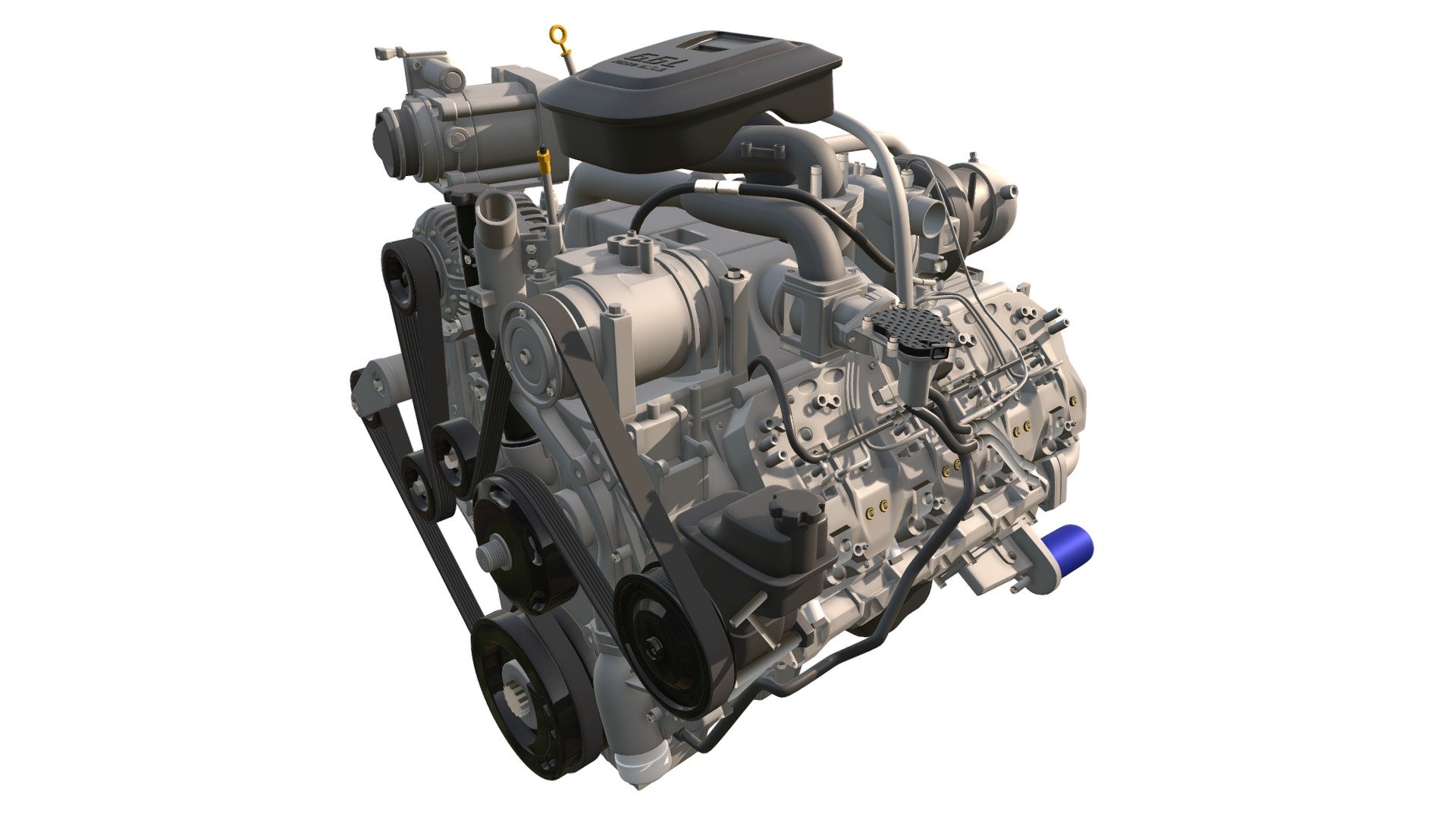
The Duramax 6.6L V8 turbodiesel is a heavy-duty powertrain manufactured by DMAX Ltd., a long-standing joint venture between General Motors and Isuzu Motors. Introduced for the 2001 model year, the engine utilizes a cast-iron block, aluminum cylinder heads, high-pressure common-rail fuel injection, and an overhead-valve design. Paired with Allison transmissions, it delivers high torque output and thermal efficiency across multiple vehicle platforms.
Contents
Architectural Engineering of the Duramax 6.6L V8
The Duramax 6.6L (403 cubic inches) engine was engineered to deliver heavy-duty towing capacity while maintaining lower overall weight compared to all-cast-iron inline-six competitors.
Block and Head Design
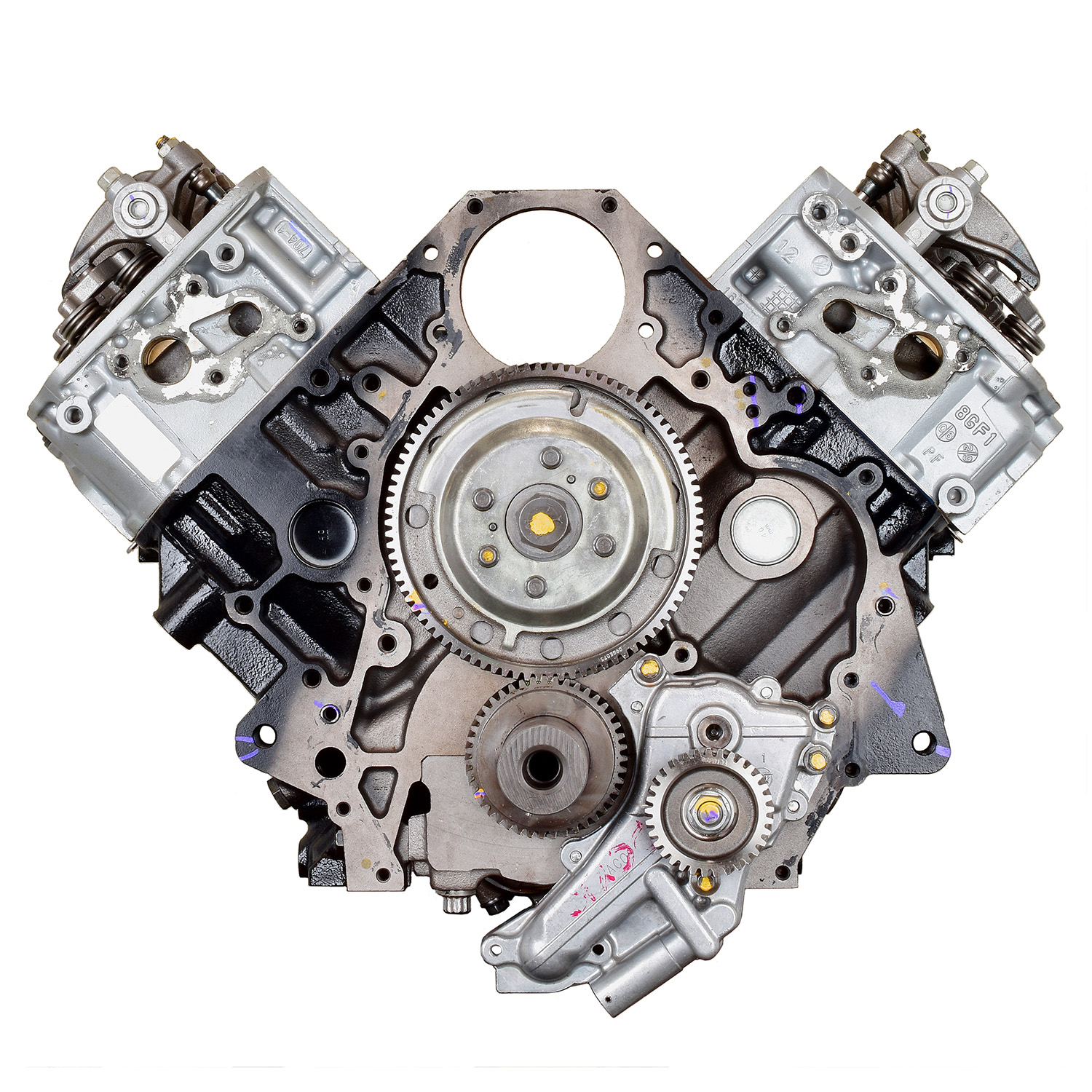
The engine utilizes a 90-degree V8 configuration built on a deep-skirt cast-iron block. This structure provides the rigidity required to withstand cylinder pressures that exceed 2,000 psi in modern variants.
Unlike traditional heavy-duty diesel engines of its era, the Duramax introduced die-cast aluminum cylinder heads featuring four valves per cylinder (32 valves total). This design choice significantly reduced engine weight—saving over 100 pounds compared to conventional iron-head engines—while optimizing heat dissipation across the combustion chambers.
Induction and Forced Air Systems
Forced induction across the Duramax family relies on wastegate or variable geometry turbochargers (VGT). Beginning with the 2004.5 LLY generation, GM implemented electronically controlled VGT technology. The turbocharger adjusts the angle of internal vanes based on engine load and engine speed:
- Low RPM: The vanes narrow to increase exhaust velocity, spinning the turbine faster and eliminating turbo lag.
- High RPM: The vanes open to reduce backpressure, maximizing airflow and thermal efficiency.
- Exhaust Braking: Modern variants utilize VGT vane closure during deceleration to create exhaust backpressure, aiding braking performance on steep downgrades.
Fuel Delivery Infrastructure
The Duramax was an early pioneer of common-rail direct fuel injection in the North American light-duty pickup market. By maintaining continuous high pressure within a shared fuel rail, the system enables multiple injection events per combustion cycle:
- Pilot Injection: A small charge of fuel lowers peak combustion temperatures and reduces mechanical engine noise.
- Main Injection: Delivers the primary energy payload for power output.
- Post Injection: Used in modern emissions-equipped models to elevate exhaust temperatures for Diesel Particulate Filter (DPF) thermal regeneration.
Generational Evolution of the Duramax 6.6L Engine
Since its debut, the Duramax 6.6L V8 has undergone six major design revisions (RPOs) to enhance output, satisfy strict federal emissions standards, and resolve structural vulnerabilities.
| Engine Code | Production Years | Peak Horsepower (hp @ RPM) | Peak Torque (lb-ft @ RPM) | Primary Fuel System Hardware |
|---|---|---|---|---|
| LB7 | 2001–2004 | 300 @ 3,100 | 520 @ 1,800 | Bosch CP3 |
| LLY | 2004.5–2005 | 310 @ 3,000 | 605 @ 1,600 | Bosch CP3 |
| LBZ | 2006–2007 | 360 @ 3,200 | 650 @ 1,600 | Bosch CP3 |
| LMM | 2007.5–2010 | 365 @ 3,200 | 660 @ 1,600 | Bosch CP3 |
| LML | 2011–2016 | 397 @ 3,000 | 765 @ 1,600 | Bosch CP4.2 |
| L5P | 2017–Present | 445–470 @ 2,800 | 910–975 @ 1,600 | Denso Solenoid |
LB7 (2001–2004)
The original LB7 introduced high-pressure common-rail injection (Bosch CP3 operating at up to 23,000 psi) and a fixed-geometry IHI turbocharger. Free from EGR valves or DPF systems, the LB7 offered strong fuel economy.
However, its fuel injectors were located internally under the valve covers. Internal seal leaks often caused fuel to leak directly into the engine oil, risking severe crankcase dilution and bearing damage if left unaddressed.
LLY (2004.5–2005)
To comply with updated emissions standards, the LLY introduced Exhaust Gas Recirculation (EGR) and a Garrett variable geometry turbocharger. GM also moved the fuel injectors to the outside of the valve covers, making replacement far easier.
The primary drawback of the LLY was thermal stress: under heavy towing in warm climates, restrictive intake plumbing (the inlet mouthpiece) restricted airflow, causing engine temperatures to spike.
LBZ (2006–2007)
The LBZ is widely regarded by diesel technicians as a peak mechanical variant. GM strengthened the engine block by deepening the main bearing cap bolt holes, redesigned the pistons with a lower 16.8:1 compression ratio, thickened the wrist pins, and upgraded the connecting rods.
Paired with a revised Bosch CP3 pump and upgraded internal components, the LBZ produced 360 horsepower while operating without complex downstream diesel emissions hardware.
LMM (2007.5–2010)
The LMM introduced the Diesel Particulate Filter (DPF) to meet 2007 EPA standards. To clear accumulated soot from the DPF, the ECM used late-post fuel injection directly into the exhaust cylinders during active regeneration cycles.
While core internal engine components were largely carried over from the robust LBZ, active exhaust regeneration slightly reduced fuel economy compared to earlier models.
LML (2011–2016)
The LML brought substantial performance increases to 397 horsepower and 765 lb-ft of torque, incorporating high-pressure piezoceramic injectors and standard Selective Catalytic Reduction (SCR) requiring Diesel Exhaust Fluid (DEF).
To achieve higher fuel rail pressures (up to 30,000 psi), GM replaced the reliable Bosch CP3 pump with the Bosch CP4.2 twin-piston high-pressure pump.
L5P (2017–Present)
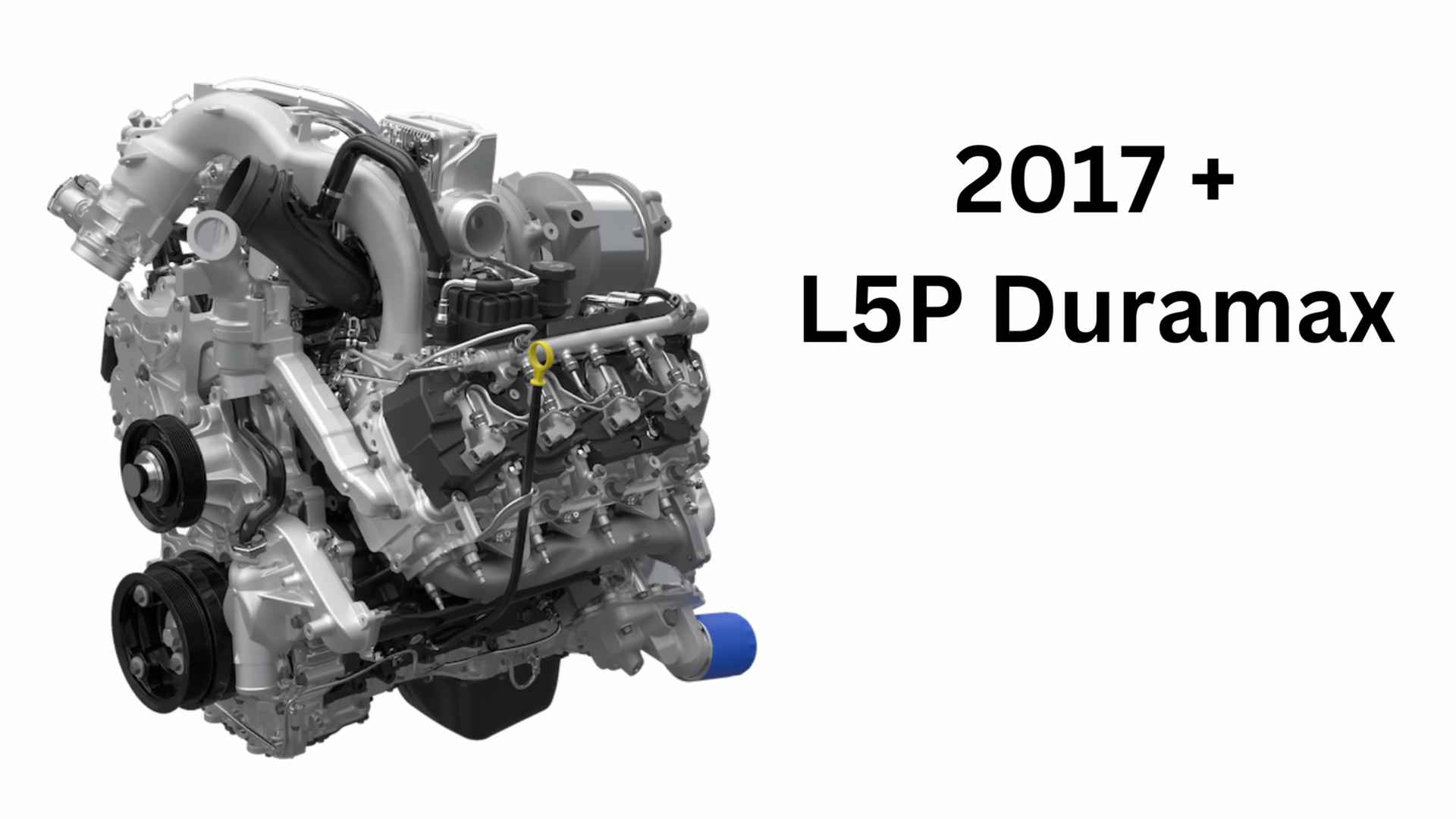
The L5P represents a ground-up redesign of the 6.6L platform. GM retained only the bore and stroke dimensions, replacing the block with a cast-iron design featuring a cast-steel crankshaft, forged connecting rods, and high-strength aluminum cylinder heads.
Crucially, GM abandoned the Bosch CP4.2 pump in favor of a heavy-duty Denso common-rail fuel system capable of operating up to 36,000 psi. An electronically controlled BorgWarner variable geometry turbocharger was mounted in the engine valley, featuring an integrated variable-vane actuator.
Output was raised to 445 hp and 910 lb-ft of torque at launch, and later tuned up to 470 hp and 975 lb-ft of torque for updated heavy-duty truck platforms.
Known Vulnerabilities and Mechanical Diagnostics
Understanding the failure points of specific Duramax generations is essential for accurate diagnostics, preventive maintenance, and fleet management.
| Engine | Primary Vulnerability | Root Cause / Symptom |
|---|---|---|
| LB7 | Internal Injector Failure | Fuel-in-oil dilution; high balance rates; white exhaust smoke at idle. |
| LLY | Engine Overheating | Restrictive turbo inlet mouthpiece; high thermal load during heavy towing. |
| LBZ/LMM | Piston Cracking (High Power) | Wrist pin offset design creating thermal stress cracks under heavy load. |
| LML | Bosch CP4.2 Pump Failure | Lack of fuel lubricity causes internal roller metal shedding; ruins fuel system. |
| L5P | MAP Sensor Soot Clogging | Exhaust recirculation soot buildup causing pressure signal errors. |
Bosch CP4.2 High-Pressure Pump Grenading (LML)
The Bosch CP4.2 high-pressure pump utilized in 2011–2016 LML engines relies entirely on ultra-low sulfur diesel (ULSD) for internal lubrication.
If fuel contains water, air, or insufficient lubricity, the pump's internal steel roller cam can rotate 90 degrees out of alignment with the drive shaft lobe.
When this occurs, metal-on-metal grinding sheds micro-fine steel shavings directly into the fuel rails, lines, and injectors. Resolving a CP4.2 failure requires replacing the high-pressure pump, all eight injectors, fuel rails, return lines, and thoroughly flushing the fuel tank. Many operators install an aftermarket CP3 conversion kit or a lift pump with fine filtration to mitigate this risk.
LB7 Injector Body Cracking and Balance Rates
The original injectors installed in the LB7 engine suffered from erosion of the internal ball-seat valve and cracking of the injector body interface.
When internal valves fail, excess fuel passes back into the fuel return gallery under the valve covers, or leaks directly into the combustion chamber.
- Diagnostic Signal: Injector balance rates measured via a scan tool that exceed +/- 4.0 in Park or +/- 6.0 in Drive indicate compromised fuel delivery.
- Physical Symptom: Rising oil level on the dipstick accompanied by a distinct diesel fuel odor signals dangerous oil dilution that compromises main bearing lubrication.
LLY Thermal Management and Intake Bottlenecks
During heavy towing under high ambient temperatures, LLY engines often exhibit severe coolant and oil temperature elevation.
The primary contributor is the tight 2.4-inch factory turbo intake mouthpiece, which creates high air restriction at the inlet of the variable-vane turbo. This restriction forces the turbocharger to work outside its thermal efficiency island, elevating intake air temperatures (IATs) and overall thermal load.
Replacing the factory LLY mouthpiece with an aftermarket inlet horn or an intake tube from an LBZ engine significantly improves airflow dynamics and stabilizes thermal operating ranges.
The Transmission Integration: Allison 1000 and 10-Speed 10L100
A critical factor in the real-world performance of the Duramax 6.6L V8 is its integration with heavy-duty transmissions.
Allison 1000 Series (5-Speed and 6-Speed)
From 2001 through 2019, GM paired the Duramax with the Allison 1000 automatic transmission.
Unlike conventional passenger-truck automatics, the Allison 1000 uses continuous helical planetary gearsets, a heavy-duty torque converter clutch, and a dedicated Transmission Control Module (TCM) that communicates continuously with the engine control unit.
- 5-Speed (2001–2005): Features a 0.71:1 overdrive top gear ratio.
- 6-Speed (2006–2019): Added a double-overdrive sixth gear (0.61:1 ratio) to drop engine speed at highway cruise, reducing cabin noise and improving fuel economy.
The TCM monitors engine torque output, fluid temperature, and shaft speeds to execute adaptive shift timing and prevent gear hunting. Under high aftermarket engine tuning, the Allison 1000's stock clutch packs can slip, causing the TCM to enter a protective "limp mode" that locks the transmission in 3rd gear to prevent hardware destruction.
Allison-Branded 10L100 10-Speed Transmission
Beginning with the 2020 model year, GM introduced a 10-speed heavy-duty automatic transmission (10L100) paired with the L5P Duramax engine. Jointly designed and manufactured by GM under licensing and joint-validation standards with Allison Transmission, this unit features:
- Tighter Gear Steps: Smaller gear step ratios keep the engine within its peak torque band (1,600–2,800 RPM) under heavy towing conditions.
- Integrated PTO: Provides Power Take-Off capability for vocational applications.
- Thermal Control System: Utilizes dual fluid circuits to bring transmission fluid to optimal operating temperature quickly while preventing overheating under maximum towing loads.
Maintenance Protocols for Long-Term Durability
Extending the operational lifespan of a Duramax 6.6L engine beyond 300,000 miles requires strict adherence to fluid maintenance, filtration standards, and operational warm-up cycles.
| Maintenance Task | Normal Service | Severe Duty / Towing |
|---|---|---|
| Engine Oil & Filter Change | 7,500 Miles | 5,000 Miles |
| Primary Fuel Filter Replacement | 15,000 Miles | 10,000 Miles |
| Transmission Fluid & Spin-On Filter | 45,000 Miles | 25,000 Miles |
| Engine Coolant Flush | 150,000 Miles | 75,000 Miles |
| Clean MAP / MAF Sensor | 30,000 Miles | 15,000 Miles |
Fuel Filtration and Lubricity
Modern high-pressure fuel systems operate under extreme mechanical tolerances. Standard ultra-low sulfur diesel (ULSD) fuel sold in North America often lacks sufficient lubricity to protect high-pressure fuel pumps over high mileage.
- Filter Quality: Always use OEM-spec fuel filters rated at 4 microns or lower. Water separation is critical to prevent corrosion within high-pressure injectors.
- Additives: Adding a dedicated diesel fuel additive at fill-ups improves fuel lubricity, restores cetane values, and prevents moisture emulsification.
- Lift Pumps: Installing an aftermarket auxiliary fuel lift pump system ensures continuous positive fuel pressure (8–10 psi) to the high-pressure injection pump, preventing air cavitation and reducing mechanical wear.
Oil Viscosity and Soot Management
Duramax engines require high-duty diesel engine oil rated API CK-4 or higher.
- Viscosity Selection: 15W-40 is standard for warm climates, while 5W-40 full synthetic oil is mandatory in sub-zero environments to protect cold turbocharger bearings.
- EGR Soot Accumulation: Emissions-equipped models (LMM, LML, L5P) recirculate exhaust gases into the engine intake manifold. This soot degrades engine oil over time. regular oil analysis testing helps monitor soot percentage and metal wear particles to set custom oil drain intervals.
Frequently Asked Questions
Which Duramax 6.6L engine generation is considered the most reliable?
The LBZ generation (2006–2007) is widely regarded as the most reliable mechanical platform. It combined structural engine block enhancements, low compression ratios, and a robust Bosch CP3 fuel pump without requiring complex exhaust emissions control systems such as DPFs or DEF fluids.
Why did General Motors switch fuel injection systems from Bosch to Denso on the L5P?
GM replaced the Bosch CP4.2 high-pressure fuel pump with a Denso solenoid-based injection system on the L5P engine to eliminate metal-shedding failures caused by low-lubricity US fuel. The Denso fuel system provides higher injection pressures (up to 36,000 psi) while offering superior tolerance to fuel contamination and moisture.
Does the use of aluminum cylinder heads compromise durability in a heavy-duty diesel?
No. DMAX engineered the 6.6L aluminum cylinder heads with thick decks, robust combustion bowl sealing, and precise cooling passages. The aluminum design reduces engine weight while dissipating heat more efficiently than cast iron, preventing localized hot spots that can cause head gasket failure under sustained heavy loads.
How can an owner tell if an LML Bosch CP4.2 fuel pump is failing?
Early signs of CP4 pump degradation include hesitation under load, extended engine cranking times, low fuel rail pressure codes (such as DTC P0087), and rough idling. Physical verification involves removing the fuel pressure regulator (FPR) from the top of the pump and checking its fine screen for shiny metallic debris.
What causes MAP sensor issues on L5P Duramax engines?
The Manifold Absolute Pressure (MAP) sensor on the L5P is mounted directly in the intake airflow path downstream of the EGR valve. Over time, soot from recirculated exhaust gas combines with crankcase oil vapors to clog the sensor port. Cleaning the MAP sensor every 15,000 to 30,000 miles prevents erratic boost readings and false engine fault codes.
Strategic Recommendations for Owners and Technicians
When operating or maintaining a Duramax 6.6L V8 turbodiesel engine, follow these technical guidelines:
- Verify Platform Constraints Before Modification: If tuning or increasing output on an LB7, LLY, or LML engine, address structural weak points first. Install an aftermarket fuel lift pump on LML engines, replace the intake horn on LLY variants, and monitor balance rates closely on LB7 injectors.
- Enforce Strict Fuel Hygiene: Always buy high-volume diesel fuel, change fuel filters ahead of scheduled intervals, and use lubricity additives to safeguard high-pressure pump internals against premature wear.
- Monitor Thermal Dynamics Under Load: When towing heavy loads with pre-L5P models, install digital gauges to track Exhaust Gas Temperatures (EGTs) directly at the manifold. Keep peak continuous EGTs below 1,200°F (650°C) to prevent piston crown damage and turbo housing cracking.
Image Gallery