2019 Tucson Review: A Comprehensive Assessment of Hyundai’s Compact SUV
The 2019 Hyundai Tucson represents a mid-cycle refresh of the third-generation compact SUV, introducing significant refinements in styling, safety technology, and infotainment integration. Positioned as a value-driven, reliable family...
The 2019 Hyundai Tucson represents a mid-cycle refresh of the third-generation compact SUV, introducing significant refinements in styling, safety technology, and infotainment integration. Positioned as a value-driven, reliable family hauler, it balances practicality with a comfortable ride, remaining a competitive option in the pre-owned market for those prioritizing longevity and standard equipment.
Contents
Evolution of the 2019 Hyundai Tucson
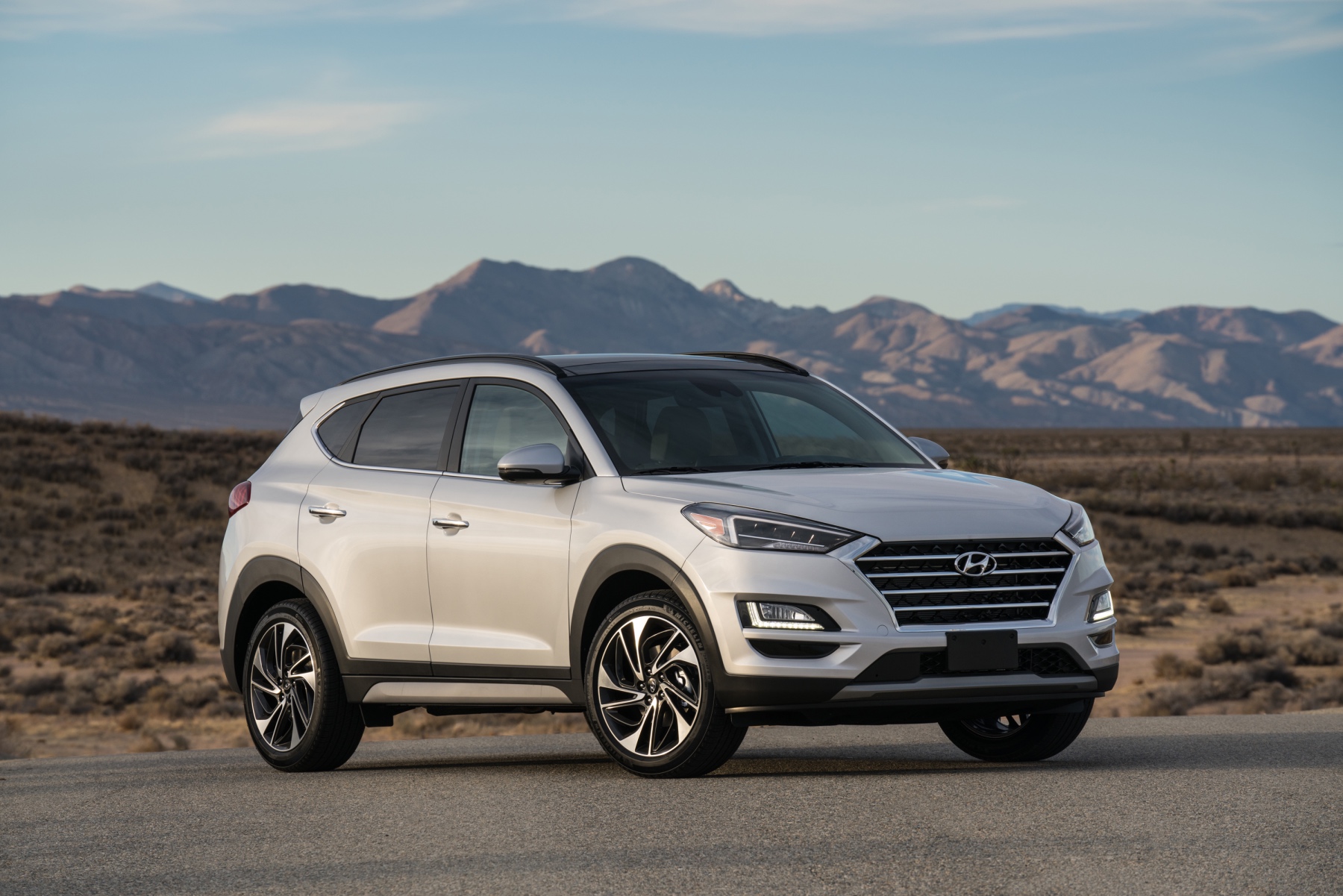
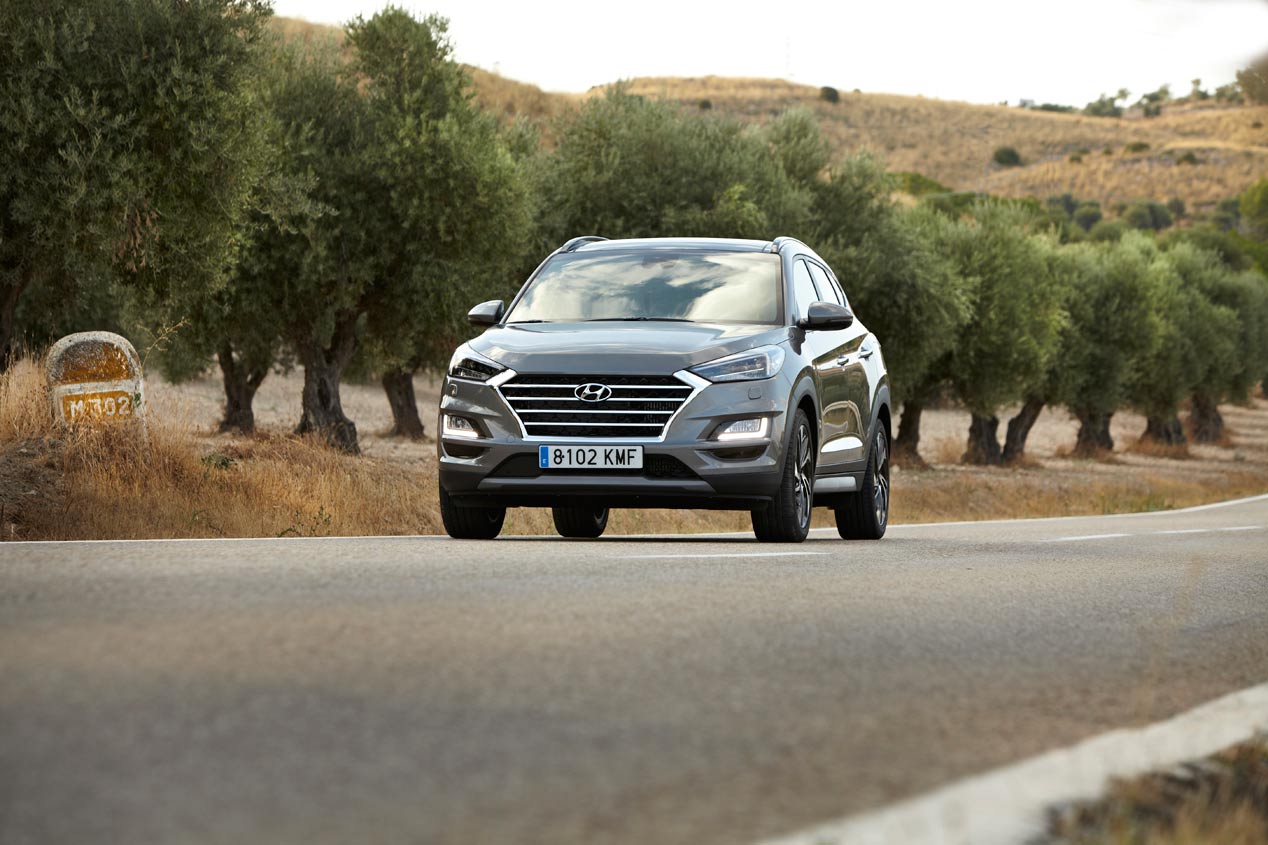
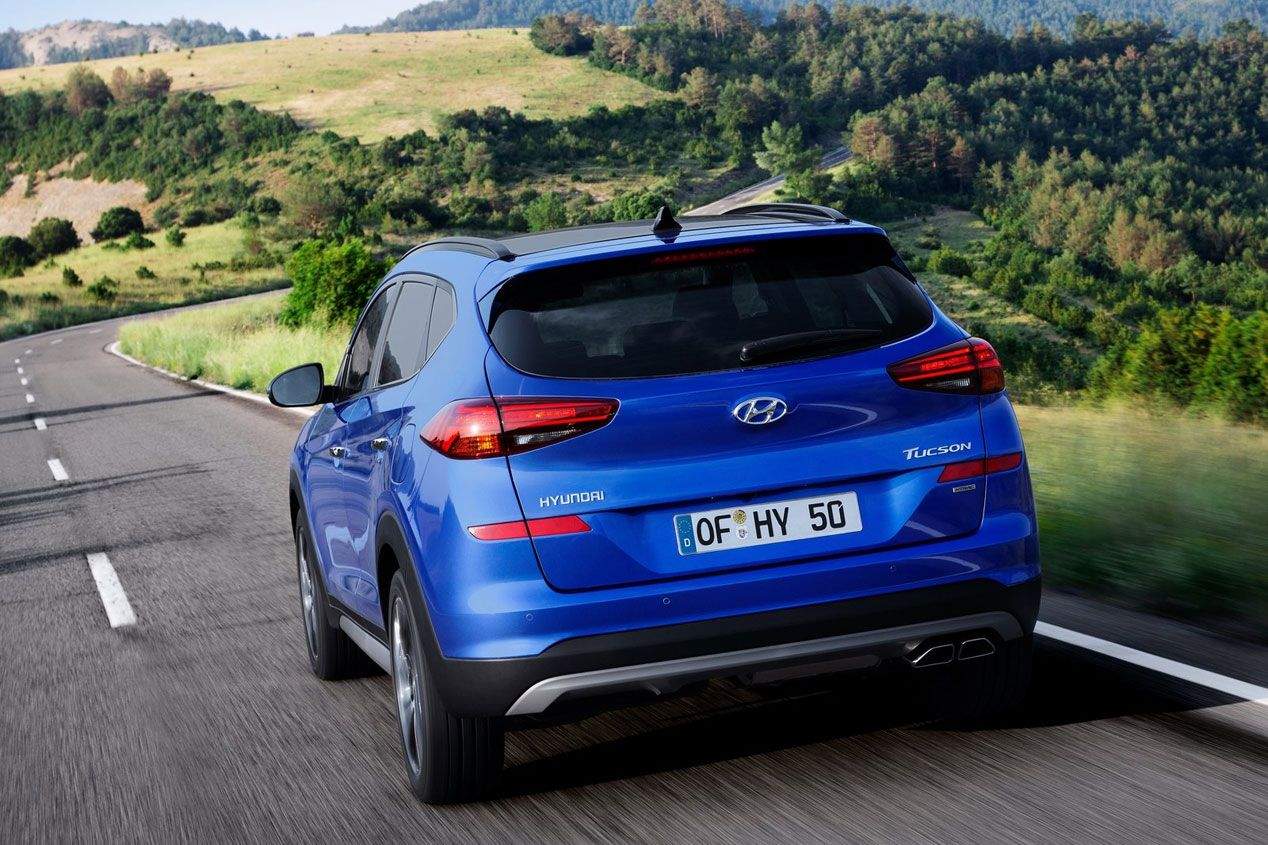
By 2019, Hyundai had established the Tucson as a pivotal pillar in its SUV lineup, sitting squarely between the subcompact Kona and the midsize Santa Fe. The 2019 model year served as a comprehensive "facelift," distinguishing itself from the 2016–2018 versions through a redesigned cascading front grille, updated LED headlight signatures, and a restructured rear fascia.
For the prospective buyer in 2026, understanding this transition is essential. The 2019 model moved away from the more rounded aesthetic of its predecessors toward a sharper, more mature design language that aligned better with the brand's evolving corporate identity. More importantly, this year marked a significant pivot toward standardizing active safety features, a move that keeps the vehicle relevant even by today's modern automotive standards.
Powertrain and Performance Dynamics
The 2019 Tucson offered two distinct four-cylinder engine configurations, each tailored to different driving requirements.
- 2.0-liter GDI Engine: Found in the SE and Value trims, this naturally aspirated engine produces 161 horsepower and 150 lb-ft of torque. It is paired with a six-speed automatic transmission. This powertrain is optimized for urban efficiency and fuel economy rather than raw acceleration.
- 2.4-liter GDI Engine: Standard on SEL, Sport, Limited, and Ultimate trims, this engine provides a noticeable performance bump with 181 horsepower and 175 lb-ft of torque. The additional power makes the 2.4-liter variant significantly more capable for highway merging and driving with a full vehicle load.
Both engines utilize the Shiftronic manual shifting mode, allowing drivers to take more direct control of the transmission. However, it is important to note that the 2019 Tucson is front-wheel drive (FWD) by default, with an optional HTRAC All-Wheel Drive (AWD) system available across all trim levels. The HTRAC system is electronically controlled, providing a variable torque split between the front and rear axles, which provides enhanced stability in inclement weather conditions.
Interior Quality and Technology Integration
The cabin of the 2019 Tucson received a major overhaul compared to previous iterations. The "floating" infotainment screen moved from the center stack to a more prominent position atop the dashboard, mirroring contemporary luxury design trends.
Standard across all 2019 trims was a 7-inch color touchscreen display, which included Apple CarPlay and Android Auto compatibility. This was a critical update, as it allowed owners to bypass proprietary navigation interfaces in favor of familiar smartphone-based mapping and media services. For those seeking premium features, the top-tier Ultimate trim provided an 8-inch screen, integrated navigation, a panoramic sunroof, and ventilated front seats.
Material quality also saw a marked improvement. Soft-touch materials are prevalent on the dashboard and upper door panels, reducing the "plasticky" feel common in budget-oriented SUVs of that era. Ergonomics were prioritized, with logical button placement for HVAC and audio controls, ensuring that the driver remains focused on the road.
Safety Features and Insurance Considerations
One of the strongest arguments for choosing the 2019 Tucson remains its robust suite of driver-assistance technology. Hyundai introduced the "SmartSense" safety package, which became standard on all models from the SEL trim and up. This suite includes:
- Forward Collision-Avoidance Assist (FCA): Uses cameras to detect potential frontal impacts and can apply brakes automatically.
- Lane Keeping Assist (LKA): Provides steering inputs to keep the vehicle within its lane markers.
- Driver Attention Warning (DAW): Monitors driving patterns to detect drowsy or distracted driving.
For families or safety-conscious buyers, these features provide a level of security that was often locked behind expensive luxury packages in competing vehicles during the 2019 model year. From an insurance perspective, the high safety ratings from the Insurance Institute for Highway Safety (IIHS) and the National Highway Traffic Safety Administration (NHTSA) often result in favorable premiums for the 2019 model.
Comparative Market Positioning
When evaluating the 2019 Tucson against its contemporaries, such as the 2019 Toyota RAV4 or the 2019 Honda CR-V, the Tucson’s primary advantage is its "value-to-feature" ratio. While the RAV4 and CR-V are often praised for their resale value and interior volume, the Tucson frequently offers more standard technological creature comforts and a longer remaining powertrain warranty duration for second-hand buyers.
| Feature | 2019 Hyundai Tucson | 2019 Toyota RAV4 | 2019 Honda CR-V |
|---|---|---|---|
| Base HP | 161 (2.0L) | 203 | 184 |
| Infotainment | 7-inch Std (w/ CP/AA) | 7-inch Std (w/ CP) | 5-inch (LX) / 7-inch |
| Cargo Space | 61.9 cu. ft. (max) | 69.8 cu. ft. (max) | 75.8 cu. ft. (max) |
| Warranty | 10yr/100k Powertrain | 5yr/60k Powertrain | 5yr/60k Powertrain |
Maintenance and Long-term Reliability
As the 2019 Tucson enters its seventh year on the road, routine maintenance becomes the primary factor in its longevity. The GDI (Gasoline Direct Injection) engines used by Hyundai require high-quality synthetic oil changes at specified intervals to prevent carbon buildup on the intake valves.
Common maintenance items to monitor include:
- Transmission Fluid: Though often described as "sealed for life," fluid flushes every 60,000 to 90,000 miles can significantly extend the life of the six-speed automatic transmission.
- Suspension Components: The MacPherson strut front suspension and multi-link rear suspension are durable, but bushings and sway bar links may show wear around the 80,000-mile mark, especially in regions with harsh winters and salted roads.
- Electrical Systems: Ensure the battery is properly maintained, as the increased use of electronic safety sensors places a higher demand on the vehicle’s electrical charging system.
Troubleshooting Common Issues
Owners occasionally report issues with the infotainment system software or specific sensor calibration errors. If the touchscreen becomes unresponsive, a hard reset via the small pinhole button near the display usually resolves software glitches. For driver-assistance sensors, ensure the front grille and windshield-mounted camera area are free from mud, ice, or debris, as these obstructions can trigger false alerts or temporary deactivation of the safety systems.
Final Verdict: Is it Right for You?
The 2019 Hyundai Tucson is an excellent candidate for those seeking a reliable, tech-forward daily driver that does not command a luxury price tag. It excels in safety and ease-of-use, though it falls slightly short of its Japanese rivals in raw cargo capacity and ultimate fuel efficiency. For the most balanced experience, aim for the SEL or Sport trims equipped with the 2.4-liter engine, as these provide the best combination of power, standard safety, and creature comforts. Always request a full service history and ensure any outstanding recalls have been addressed through an authorized Hyundai service center.
Frequently Asked Questions
Does the 2019 Hyundai Tucson have Apple CarPlay and Android Auto? Yes, both Apple CarPlay and Android Auto are standard equipment on all 2019 Tucson trim levels. This allows for seamless integration of navigation, streaming services, and voice-to-text messaging through the vehicle's central touchscreen.
How does the 2019 Tucson handle in snow? When equipped with the optional HTRAC All-Wheel Drive system, the Tucson performs capably in light-to-moderate snow. The system can distribute torque to the rear wheels when it detects slippage, and when paired with dedicated winter tires, it provides stable traction for most commuting needs.
Are there major mechanical concerns with the 2019 Tucson? Generally, the 2019 Tucson is considered reliable. However, the direct-injection engines require disciplined maintenance. Prospective buyers should look for records of regular oil changes and ensure there are no active recalls; Hyundai has occasionally issued technical service bulletins for software updates related to engine management, which should be verified via a VIN check.
What is the fuel economy of the 2019 Tucson? The 2.0-liter engine is rated for approximately 23 mpg in the city and 30 mpg on the highway. The larger 2.4-liter engine is slightly less efficient, typically returning around 22 mpg city and 28 mpg highway. AWD models will see a reduction of 1–2 mpg compared to their FWD counterparts.
Is the 2019 Tucson suitable for a small family? Yes, it is highly suitable for small families. It includes LATCH anchors for child safety seats in the outboard rear positions and offers enough legroom to comfortably accommodate passengers in the second row for medium-length trips.
Image Gallery