The Religion of James Van Der Beek: Inside His Faith, Spiritual Journey, and Beliefs
James Van Der Beek does not adhere to a single rigid religious denomination, though he was raised in a Christian environment. Over his decades-long career as an actor, he has transitioned from his traditional Protestant roots toward a...
James Van Der Beek does not adhere to a single rigid religious denomination, though he was raised in a Christian environment. Over his decades-long career as an actor, he has transitioned from his traditional Protestant roots toward a broad, holistic spiritual philosophy that incorporates elements of Kabbalah, mindfulness, prayer, and a deep personal connection to God and nature.
Contents
Early Life and Christian Foundations
Born in Cheshire, Connecticut, in 1977, James Van Der Beek was raised in a supportive, suburban household with traditional Christian roots, specifically within the Lutheran church tradition. His early exposure to organized religion established a foundational belief in God, moral ethics, and community service. During his childhood and adolescence, church attendance and community activities provided a structured framework for understanding morality, faith, and duty.
However, as Van Der Beek transitioned into young adulthood and moved into the competitive world of professional acting, his relationship with traditional organized religion began to evolve. While he maintained respect for his Christian upbringing, he began asking broader existential questions that led him to look beyond the parameters of a single church denomination. He often noted in interviews that while traditional religious institutions provided essential moral grounding during his formative years, his adult life called for a more expansive understanding of the divine.
The Hollywood Years and Exploration of Kabbalah
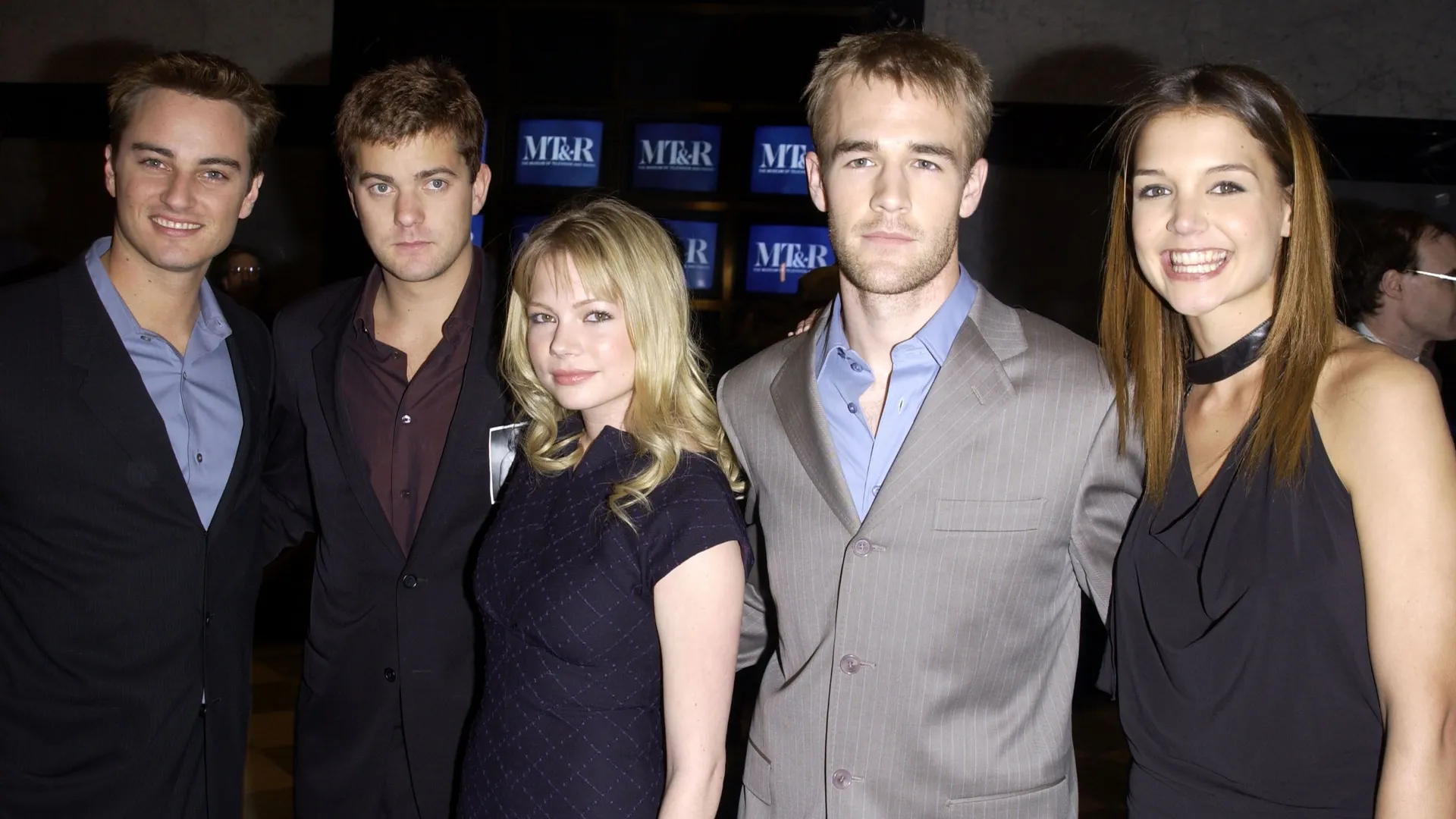
During the height of his early stardom on the hit television series Dawson's Creek and film projects such as Varsity Blues, Van Der Beek found himself searching for grounding amid rapid fame and public scrutiny. In the late 1990s and 2000s, like several other prominent actors in Los Angeles, he began exploring Kabbalah—the ancient tradition of Jewish mysticism—primarily through classes at the Kabbalah Centre in Los Angeles.
- Christian / Lutheran Roots (Moral & Ethical Baseline)
- Exploration of Kabbalah (Mysticism & Universal Laws)
- Holistic & Personal Faith (Surrender, Nature, & Mindful)
Van Der Beek was drawn to Kabbalah not as a replacement for his faith, but as a set of spiritual tools designed to understand universal energy, cause and effect, and personal responsibility. Key aspects of this period in his spiritual search included:
- Universal Spiritual Laws: Learning about concepts like the law of cause and effect (often understood as spiritual cause-and-effect or karma), which emphasized taking full accountability for one's consciousness and actions.
- Ego Reduction: Studying mystical texts that encourage overcoming self-centeredness and vanity—challenges particularly acute for young Hollywood stars.
- Meditation and Textual Study: Engaging in regular quiet reflection, scanning ancient Hebrew mystical manuscripts, and attending study groups aimed at applying ancient wisdom to modern personal challenges.
Rather than formally converting to Judaism, Van Der Beek viewed Kabbalah as a universal philosophical framework compatible with a belief in God, using its teachings to navigate the emotional demands of early celebrity life.
Evolving Philosophy: From Organized Religion to Holistic Spirituality
In the years following his initial exploration of mystical traditions, James Van Der Beek’s perspective shifted away from formal religious organizations altogether. Instead, he embraced a non-denominational, holistic spiritual worldview. This approach emphasizes direct personal relationship with the divine, conscious living, and an intuitive alignment with natural order.
Core Tenants of His Personal Faith
- Direct Connection with the Divine: Van Der Beek frequently speaks about God, prayer, and divine providence, but he emphasizes that individuals do not require an institutional intermediary to access spiritual grace.
- Surrender and Trust: A recurring theme in his public statements and social writings is the concept of surrendering control to a higher intelligence. Rather than attempting to force outcomes, he practices trusting the timing and path set out by God or the Universe.
- Consciousness and Mindfulness: Incorporating daily reflection, intentional breathwork, and time spent in nature as primary methods of maintaining mental, physical, and spiritual alignment.
- Gratitude as a Daily Practice: Viewing gratitude not merely as an emotion, but as a active spiritual discipline that alters perspective during difficult circumstances.
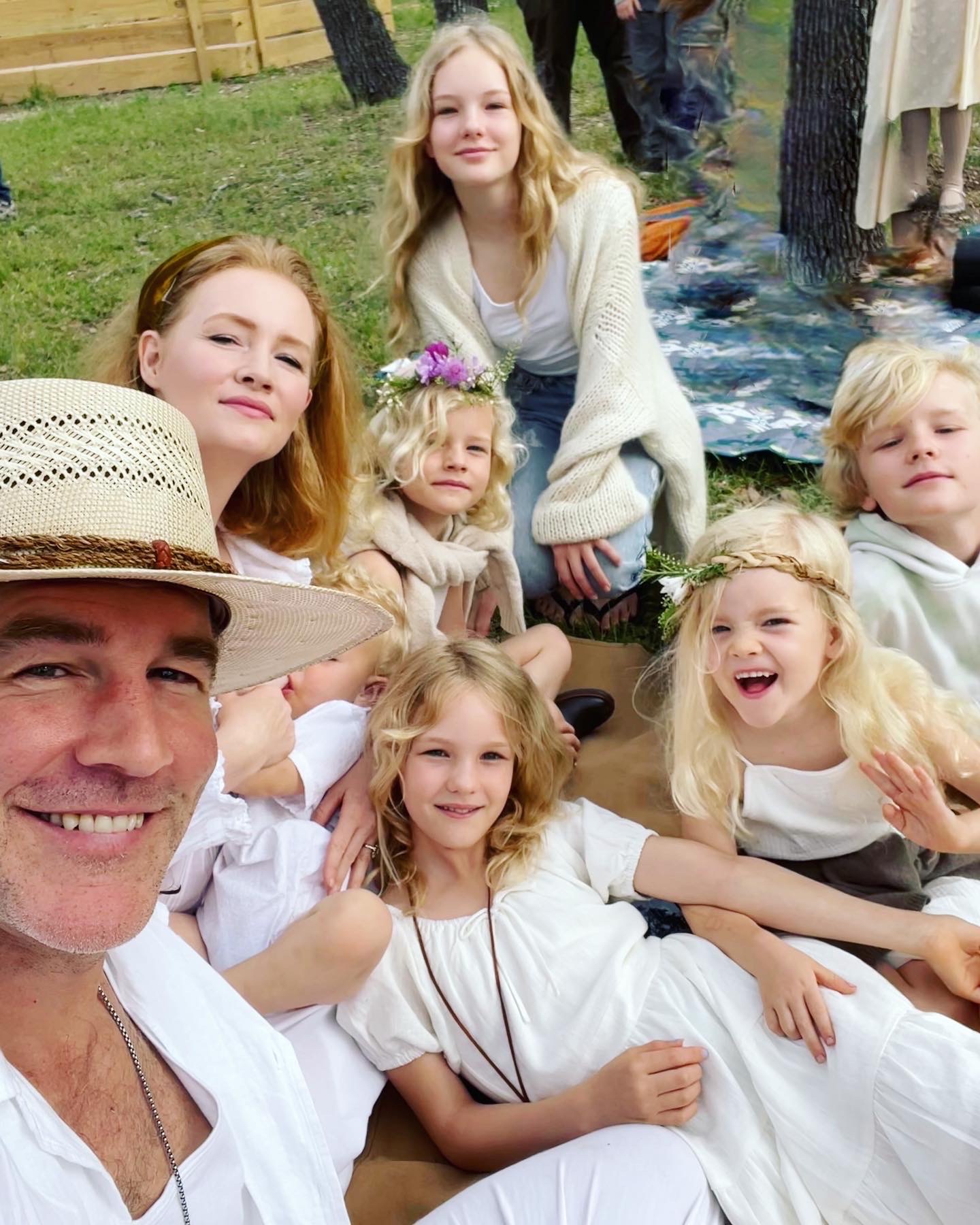
Along with his wife, Kimberly Van Der Beek (née Brook), whom he married in 2010, the actor integrated these practices into their family life. Together, the couple has consistently prioritized holistic health, alternative wellness practices, home births for their children, and a parenting style grounded in intentionality and emotional presence.
Faith Through Adversity: Family, Relocation, and Health Challenges
A person's spiritual framework is often tested most clearly during periods of crisis. For Van Der Beek and his family, faith played a central role in navigating significant personal challenges, including severe family losses, a major lifestyle change, and serious health diagnoses.
Coping with Loss and Miscarriage
Over the course of their marriage, James and Kimberly experienced several painful pregnancy losses. Van Der Beek spoke publicly about these tragedies, using his platform to dismantle the shame and silence often surrounding miscarriage. In his statements, he frequently referenced spiritual resilience, expressing trust that souls enter and exit life according to a higher divine plan, even when human understanding falls short.
The Move to Texas and Connection to Creation
In late 2020, the Van Der Beek family decided to relocate from Los Angeles to a ranch in Texas. This move was explicitly described by the couple as a spiritually guided decision to ground their children, live closer to the earth, and step away from the fast-paced environment of Southern California. Van Der Beek has frequently noted that working the land, spending time outdoors, and living in a more spacious environment deepened his connection to God’s creation.
Navigating Health Challenges
When facing major personal health challenges—including his public disclosure of a colorectal cancer diagnosis in late 2024—Van Der Beek leaned heavily on his spiritual beliefs alongside conventional and integrative medical care. Rather than framing illness through despair, his public messages emphasized hope, medical diligence, deep gratitude for life, and quiet trust in God's overarching purpose for his path.
Overview of James Van Der Beek’s Spiritual Evolution
The following table summarizes the different phases of James Van Der Beek’s spiritual journey, illustrating how his beliefs have evolved over time.
| Phase / Era | Primary Tradition or Focus | Key Practices & Beliefs | Impact on Life & Career |
|---|---|---|---|
| Youth & Upbringing | Christian (Lutheran) | Church attendance, moral foundations, community ethics | Provided an early baseline of faith, discipline, and belief in God. |
| Early Career (2000s) | Kabbalah & Mysticism | Meditation, study of universal laws, ego reduction | Offered tools to handle rapid fame, stress, and Hollywood scrutiny. |
| Adulthood & Family Life | Holistic Spirituality & Mindfulness | Prayer, home birth, nature connection, conscious parenting | Shaped family dynamics, lifestyle choices, and personal wellness focus. |
| Recent Years (2020s–Present) | Integrative Faith & Surrender | Daily gratitude, spiritual trust during health/family trials | Prompted move to Texas, guided handling of personal grief and illness. |
How His Faith Shapes His Public Voice and Work
Unlike public figures who use their platform to evangelize a specific religious doctrine, Van Der Beek uses his platform to encourage general self-reflection, compassion, and emotional openness. His writings on social media, podcast appearances, and public interviews often feature themes of:
- Vulnerability as Strength: Encouraging men, in particular, to speak openly about fear, grief, and physical health rather than internalizing struggle.
- Ecumenical Respect: Showing deep appreciation for diverse spiritual paths, acknowledging truth and beauty across Christian, Jewish, Eastern, and indigenous traditions.
- Intentional Community: Emphasizing the importance of surrounding oneself with people who prioritize integrity, healing, and mutual support.
Frequently Asked Questions
Is James Van Der Beek Jewish?
No, James Van Der Beek is not Jewish by heritage or formal conversion. He was raised in a Christian home. However, he studied Kabbalah (Jewish mysticism) extensively during the 2000s as part of his personal spiritual exploration.
What church does James Van Der Beek attend?
Van Der Beek does not publicly belong to a specific church or formal religious institution. He practices a personalized, non-denominational spirituality centered on prayer, meditation, nature, and daily gratitude rather than attending weekly services at a single church.
Does James Van Der Beek believe in God?
Yes. Van Der Beek frequently references God in his interviews and personal posts. He describes a strong belief in a loving, divine creator and emphasizes the importance of prayer, trust, and surrendering one's ego to divine will.
How has his spirituality influenced his health journey?
Van Der Beek views health through an integrative lens that connects mind, body, and spirit. When dealing with health issues such as his cancer diagnosis, he has combined modern medical care with mindset practices, prayer, nutritional wellness, and holistic support.
What are the main spiritual influences in his life?
His primary influences include his early Christian upbringing, lessons from Kabbalah, practices of mindfulness and breathwork, and a naturalistic, family-centered philosophy shared with his wife, Kimberly.
Summary and Key Takeaways
James Van Der Beek’s approach to faith demonstrates that spirituality can be dynamic, evolving as a person matures and faces new life experiences. His journey offers several practical takeaways for those navigating their own beliefs:
- Faith Beyond Labels: It is possible to maintain a deep relationship with God without strictly adhering to institutional dogmas or specific labels.
- Spiritual Tools for Real-Life Trials: Practices like prayer, meditation, and conscious surrender provide tangible emotional support during times of crisis, grief, and illness.
- Integration of Mind, Body, and Spirit: Personal well-being flourishes when spiritual values align with daily lifestyle choices, family life, and connection to nature.
Image Gallery