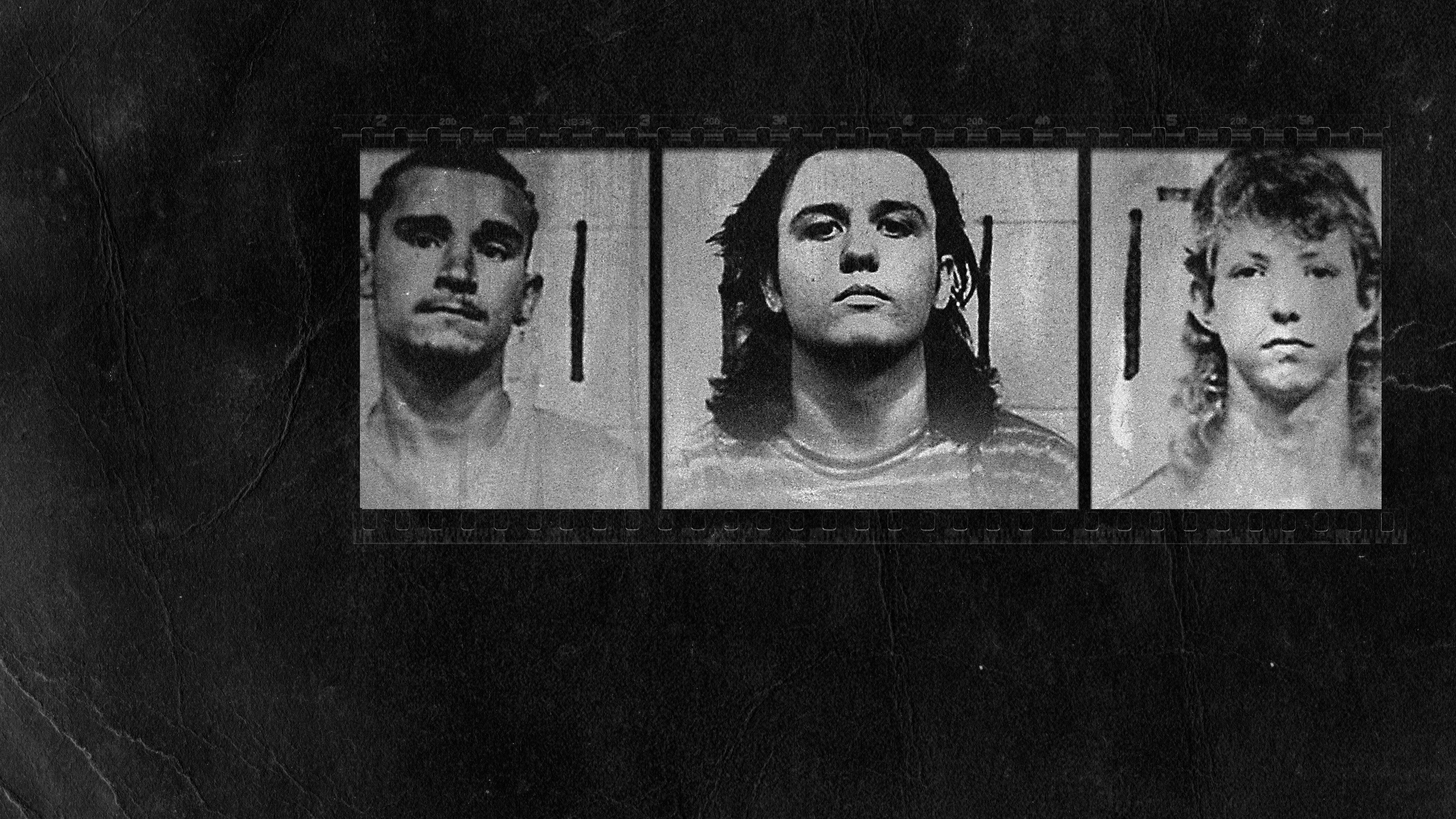
West Memphis 3 Net Worth: Financial Realities After the Alford Plea in 2026
As of 2026, the individual net worth of the West Memphis Three varies significantly, reflecting their diverging paths since their 2011 release. Damien Echols has the highest estimated net worth at approximately $1.5 million, primarily...
As of 2026, the individual net worth of the West Memphis Three varies significantly, reflecting their diverging paths since their 2011 release. Damien Echols has the highest estimated net worth at approximately $1.5 million, primarily through book royalties, art sales, and media projects. Jason Baldwin holds an estimated net worth of $500,000, largely through advocacy work and documentary contributions, while Jessie Misskelley Jr. maintains a private life with an estimated net worth below $50,000.
Contents
The financial status of these three men—Damien Echols, Jason Baldwin, and Jessie Misskelley Jr.—is a subject of intense public interest, not merely for the figures themselves but for what those figures represent: the economic aftermath of nearly two decades of wrongful imprisonment. Unlike many high-profile exonerees, the West Memphis Three did not receive a multi-million dollar settlement from the State of Arkansas. Their freedom was predicated on a specific legal maneuver that carried heavy financial consequences, shaping their economic reality for the last fifteen years.
The Alford Plea: The Legal Barrier to State Compensation
To understand the net worth of the West Memphis Three in 2026, one must first understand the "Alford Plea" they entered in August 2011. This rare legal arrangement allowed them to assert their innocence while acknowledging that the prosecution had enough evidence to potentially convict them. While it secured their immediate release after 18 years on death row and in high-security prison, it created a permanent barrier to financial restitution.
In the State of Arkansas, as in many jurisdictions, wrongful conviction compensation is typically reserved for those who are fully exonerated—meaning their convictions are vacated and the charges are dismissed based on actual innocence, often via DNA evidence. Because the Alford Plea resulted in a legal status where the conviction technically stands (though the sentence was reduced to "time served"), the Three were effectively barred from suing the state for damages.
This legal technicality saved the State of Arkansas tens of millions of dollars in potential civil liability. For Echols, Baldwin, and Misskelley, it meant they walked out of prison with no "startup" capital, no retirement savings, and no compensation for the 18 years of wages lost during their peak earning years. Their current net worths are entirely the result of private efforts, media deals, and the support of a global community of advocates.
Damien Echols: Creative Ventures and Media Revenue
Damien Echols was the most visible member of the group during the trial and remained the primary focus of the "Free the West Memphis Three" movement. In 2026, his financial standing reflects his transition from a condemned prisoner to a successful author, artist, and public intellectual.
Literary Success and Royalty Streams
Echols has leveraged his experiences into a prolific writing career. His memoir, Life After Death (2012), became a New York Times bestseller, providing a significant initial influx of capital. Unlike most true-crime subjects, Echols’ writing extends into the esoteric and spiritual. His subsequent books, including High Magick: A Guide to the Spiritual Practices That Saved My Life on Death Row and Ritual: Finding Magic in the Everyday, have found a dedicated niche audience.
In 2026, these titles continue to generate passive income through royalties. While a single book rarely makes an author wealthy, a catalog of five or more active titles, combined with audiobook narrations and international translation rights, creates a stable financial foundation. Industry estimates suggest his literary earnings account for roughly 40% of his total net worth.
Visual Arts and Public Speaking
Echols has also established himself in the contemporary art world. His work—often incorporating sigils, meditation symbols, and "prison folk art" techniques—has been featured in galleries in New York, Los Angeles, and Salem, Massachusetts. Original pieces by Echols can fetch between $5,000 and $20,000, depending on the medium and scale.
Furthermore, his public speaking engagements provide a high-value income stream. As a sought-after voice on judicial reform and mindfulness, Echols can command speaking fees ranging from $10,000 to $25,000 per event. These appearances often coincide with his art shows or book tours, maximizing the revenue potential of his public profile.
Jason Baldwin: Advocacy and "Proclaim Justice"
Jason Baldwin’s financial trajectory has been more focused on institutional change and legal advocacy. Upon his release, Baldwin expressed a desire to help others trapped in the same system that had failed him. This focus led to the co-founding of Proclaim Justice, a non-profit organization dedicated to advocating for the wrongfully convicted.
Career Earnings and Advocacy
While non-profit work is rarely a path to significant wealth, Baldwin’s role in the organization and his involvement in various documentary follow-ups have provided a comfortable, middle-class income. His net worth in 2026 is estimated at $500,000, which includes assets gained through smart financial management of the initial donations and media fees he received in the years immediately following 2011.
Baldwin also pursued higher education after his release, which enhanced his earning potential in the legal and advocacy sectors. His story remains a cornerstone of documentaries like West of Memphis (produced by Peter Jackson and Fran Walsh), and residuals or "consulting fees" from these productions have contributed to his financial stability over the years.
Jessie Misskelley Jr.: The Private Path
Of the three, Jessie Misskelley Jr. has maintained the lowest public profile. Since his release, he has returned to Arkansas and largely avoided the media spotlight that followed Echols and Baldwin. This choice, while beneficial for his mental health and privacy, has resulted in the lowest net worth of the group.
The Difficulty of Reintegration
Misskelley’s financial situation highlights the grim reality for many former inmates who do not have a "marketable" media persona. Without the book deals or the high-profile art career, Misskelley has relied on manual labor and local employment. In 2026, his net worth is estimated to be minimal—likely under $50,000—comprised of personal savings and modest assets.
His story serves as a reminder that the "net worth" of the West Memphis Three is not a monolith. While the group is linked by a shared tragedy, the economic outcomes of that tragedy are deeply influenced by personality, location, and the willingness to remain a public figure.
External Financial Support: The Role of Celebrity Benefactors
The West Memphis Three net worth would likely be near zero were it not for the significant intervention of high-profile supporters. During their incarceration and the immediate aftermath of their release, several celebrities provided the "seed money" necessary for them to rebuild their lives.
- Peter Jackson and Fran Walsh: The Lord of the Rings filmmakers were instrumental in funding the private investigators and DNA testing that eventually led to the 2011 plea. They also provided significant financial support to the men upon their release to ensure they had housing and basic necessities.
- Johnny Depp: A close friend of Damien Echols, Depp provided not only public visibility but also financial assistance and career networking opportunities that helped Echols establish his art and writing career.
- Eddie Vedder and Natalie Maines: These musicians contributed heavily to the legal defense funds and personal transition funds that allowed the three to survive the first few years of freedom without a state settlement.
Comparative Financial Overview 2026
The following table breaks down the estimated financial components of each individual's net worth as of 2026. These figures are based on reported earnings, asset estimates, and career trajectories.
| Individual | Estimated Net Worth | Primary Income Sources | Home Base |
|---|---|---|---|
| Damien Echols | $1.5 Million | Book Royalties, Art Sales, Speaking Fees | New York / Massachusetts |
| Jason Baldwin | $500,000 | Non-Profit Leadership, Media Consulting | Texas |
| Jessie Misskelley Jr. | < $50,000 | Private Employment, Local Labor | Arkansas |
| The Group (Total) | ~$2.05 Million | Combined Media & Private Efforts | N/A |
The Economic Legacy of 18 Years Lost
When discussing the net worth of the West Memphis Three, it is essential to consider the opportunity cost of their incarceration. Economists studying wrongful conviction note that the "wealth" of an exoneree is rarely commensurate with what they would have earned had they been free.
Between 1993 and 2011, the Three missed the entire "dot-com" boom, the rise of the modern housing market, and 18 years of compound interest on potential savings. Furthermore, the psychological trauma of death row often necessitates ongoing medical and therapeutic expenses, which act as a constant "tax" on their net worth.
In 2026, while Damien Echols and Jason Baldwin have achieved a level of financial security, it is a security built on the ruins of their youth. Their "net worth" is a testament to their resilience, but it remains a fraction of what a civil jury might have awarded them had they not been forced into the Alford Plea.
Frequently Asked Questions
Did the West Memphis 3 ever receive a settlement from Arkansas? No. Because they entered an Alford Plea, which is technically a guilty plea despite the assertion of innocence, they are legally ineligible for the State of Arkansas’s wrongful conviction compensation. They also waived their right to sue the state for civil damages as part of the release agreement.
How does Damien Echols make money today? In 2026, Echols earns income through three primary channels: royalties from his several published books, sales of his original artwork and talismans, and fees from public speaking engagements and workshops focused on meditation and ritual.
Is Jason Baldwin still involved in legal work? Yes. Baldwin continues to work with "Proclaim Justice," the organization he co-founded. While he is not a practicing attorney, he works as a legal advocate and consultant, helping to bring attention to other potential cases of wrongful conviction.
Why is Jessie Misskelley's net worth so much lower? Misskelley chose to exit the public eye almost immediately after his release. He did not pursue a career in media, writing, or art, which are the primary drivers of wealth for the other two members. His financial status reflects a standard private life in a rural area.
Who paid for the DNA testing that led to their release? The significant costs of new DNA testing and private investigations were largely covered by private donors, most notably filmmaker Peter Jackson and his partner Fran Walsh, as well as through public donations to the "Damien Echols Defense Fund."
Final Practical Consideration
For those following the financial and legal aftermath of the West Memphis Three, the most important takeaway is the impact of the Alford Plea on civil rights. While the plea is a tool for freedom, it often serves as a financial "shield" for the state. If you are researching wrongful conviction cases, always check the specific legal nature of the release; an "exoneration" usually leads to wealth, while a "plea" usually leads to a difficult, self-funded path to recovery.
Image Gallery