Lauren Bacall Height Explained: A Study of Hollywood Stature and Perception
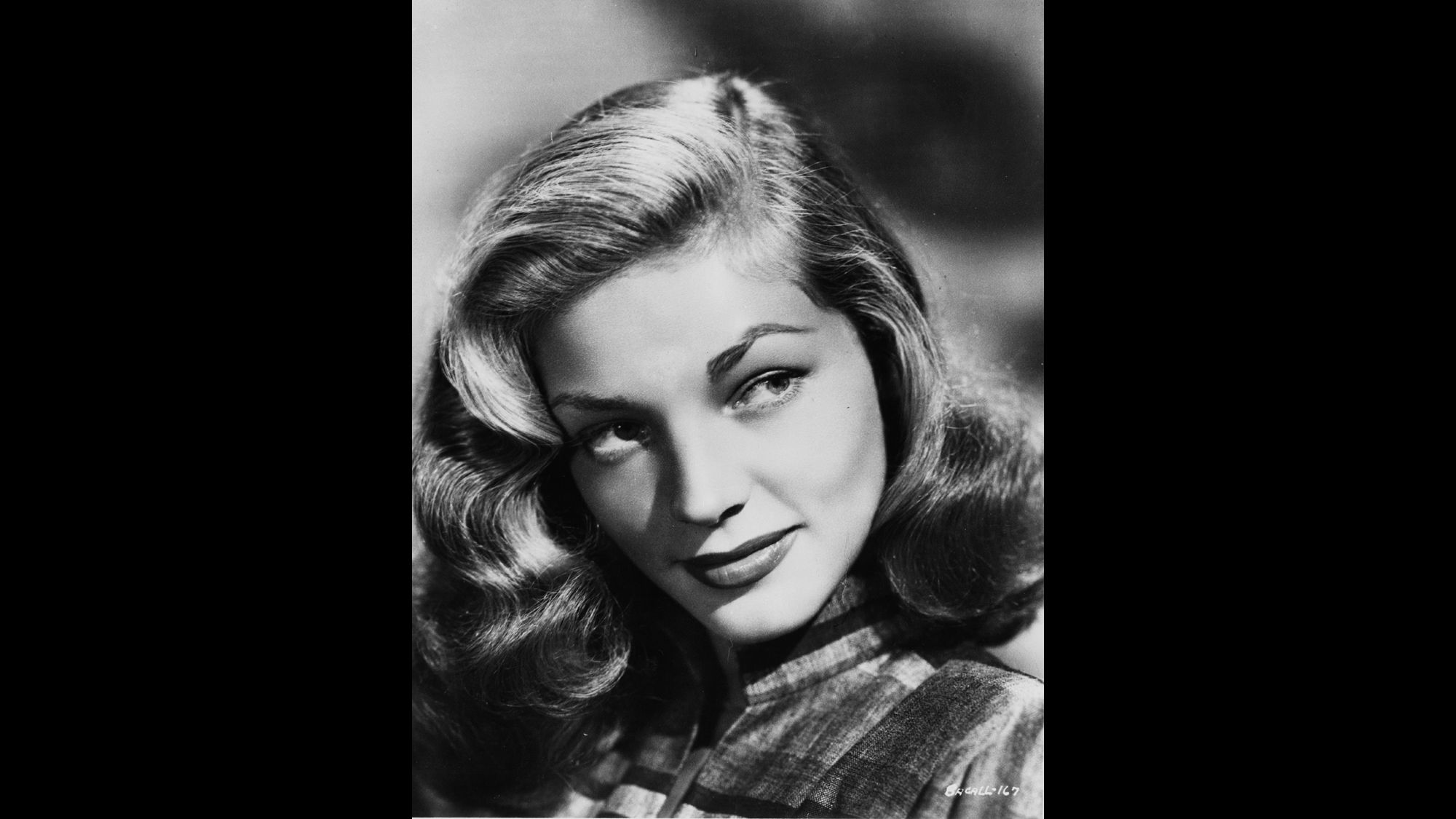
Lauren Bacall, the legendary star of To Have and Have Not and The Big Sleep, was widely cited during the Golden Age of Hollywood as being approximately 5 feet 8.5 inches (174 cm) tall. In an era where leading men often preferred to be...
Lauren Bacall, the legendary star of To Have and Have Not and The Big Sleep, was widely cited during the Golden Age of Hollywood as being approximately 5 feet 8.5 inches (174 cm) tall. In an era where leading men often preferred to be the tallest individuals on set, Bacall’s stature was a defining characteristic of her on-screen presence, contributing to the "tall and statuesque" persona that complemented her iconic, deep voice and sharp, sophisticated wit.
Contents
The Context of Stature in 1940s Cinema
To understand why the height of an actress like Lauren Bacall became a subject of public fascination, one must look at the conventions of mid-20th-century filmmaking. During the 1940s and 1950s, the "ideal" Hollywood leading lady was often expected to appear smaller or at least no taller than her male co-star. This created a recurring technical challenge for cinematographers and directors at Warner Bros. and other major studios.
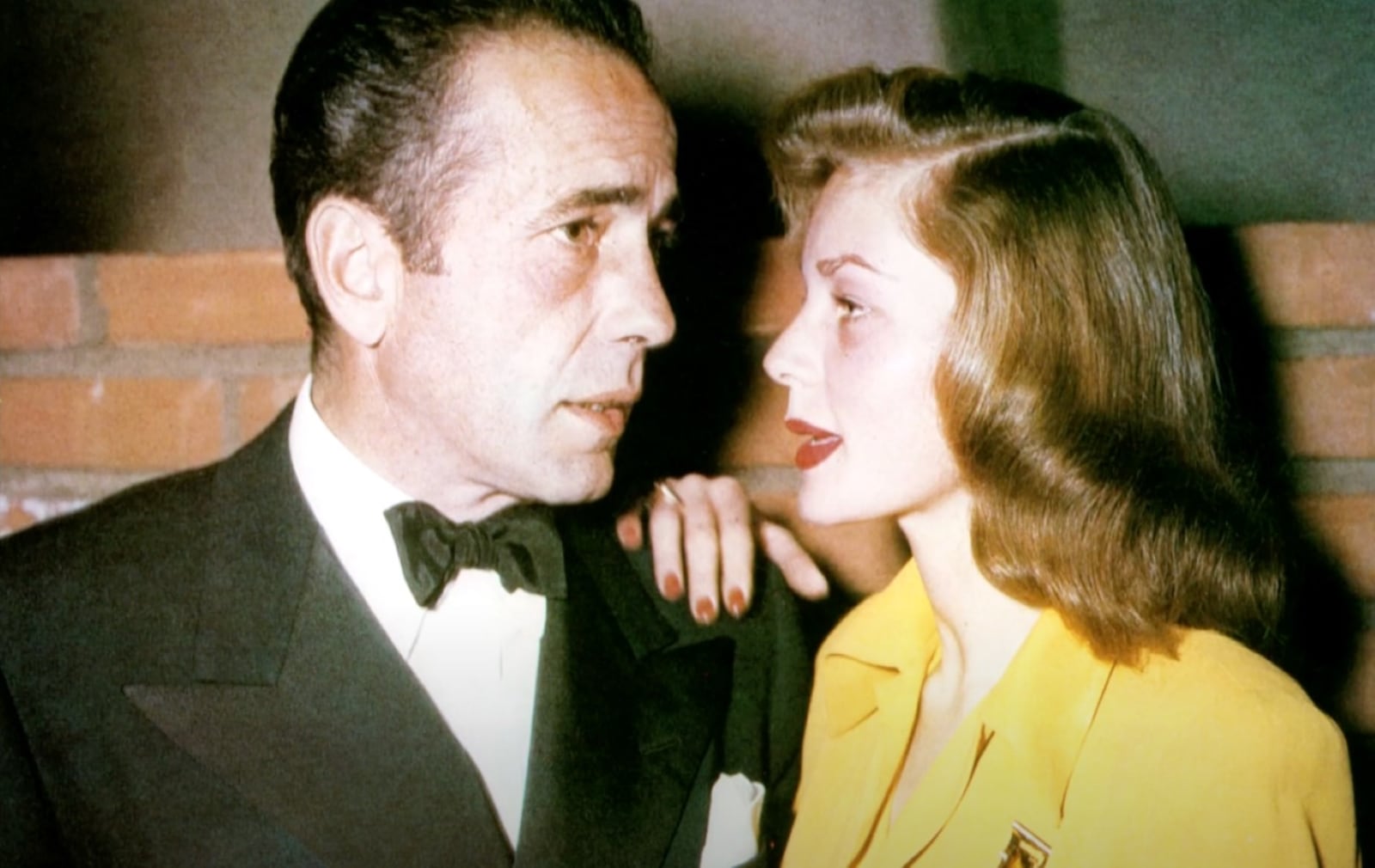
When Bacall began her career, she was paired frequently with Humphrey Bogart. Bogart, listed at approximately 5 feet 8 inches, was notably shorter than Bacall when she wore heels. This discrepancy required deliberate blocking, the use of camera angles, and sometimes physical adjustments—such as Bacall needing to "slouch" or stand with her legs apart—to maintain the visual illusion that the male protagonist was the towering authority figure. This necessity of "managing" Bacall's height became a form of movie magic, where perspective was manipulated to adhere to the rigid social norms of the time.
Verification of Physical Measurements
The discrepancy between a performer’s "official" studio biography and their actual height is a well-documented phenomenon in film history. Studios frequently exaggerated the heights of leading men and minimized the heights of tall leading women to prevent the audience from noticing height differences that might threaten the perceived "alpha" status of the male lead.
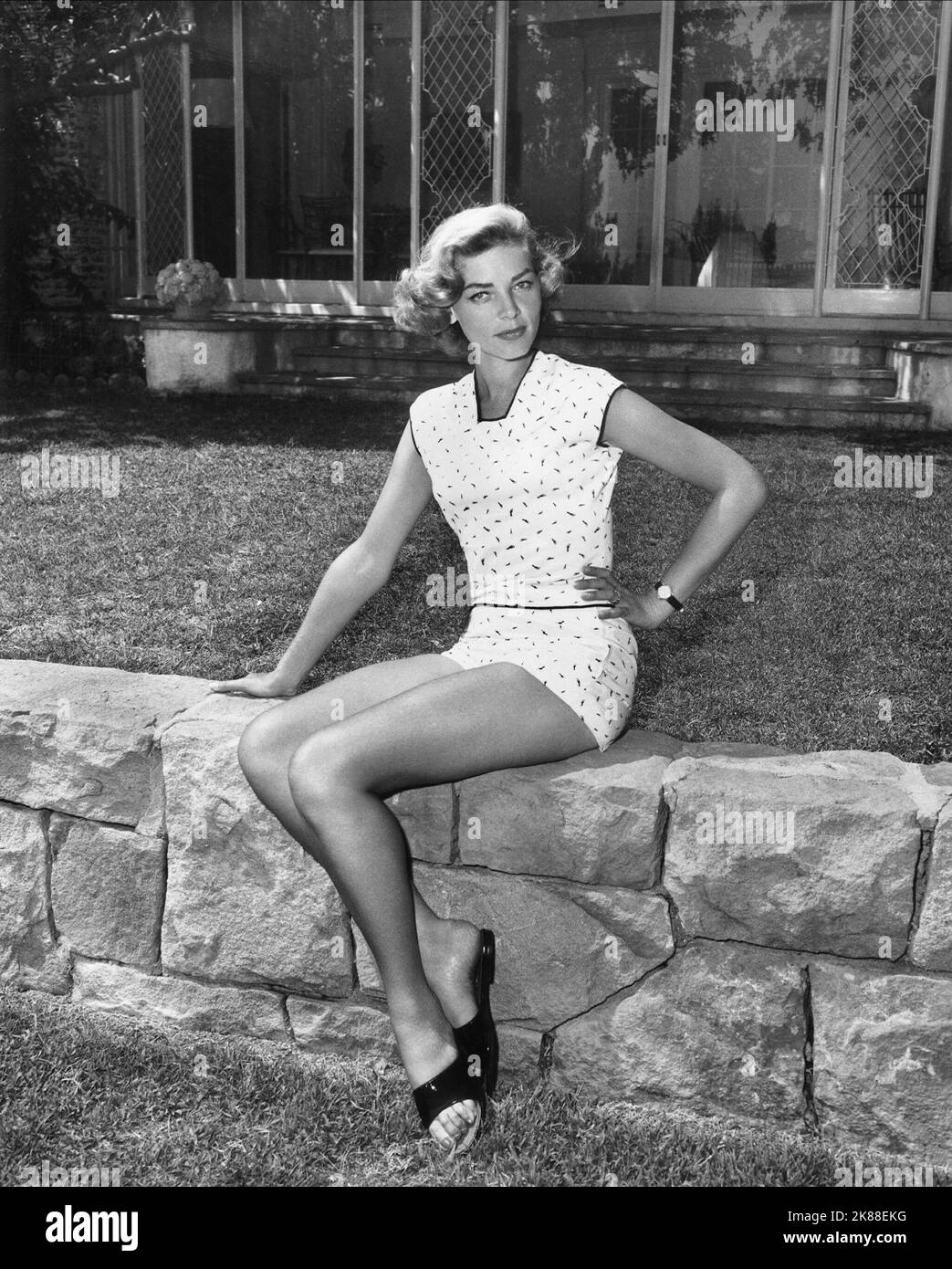
For Lauren Bacall, reports have consistently placed her height between 5 feet 8 inches and 5 feet 9 inches. In her own writings and interviews, Bacall never expressed a desire to hide her height; rather, she often spoke of how it informed her movement and confidence. Because she was a former fashion model, she possessed a natural grace and carriage that made her appear even taller than her measurements suggested. In the context of her stature, the "explained" aspect of her height is essentially a narrative of how Hollywood struggled to box in a woman who physically commanded the room.
Comparison of Hollywood Stature
The following table illustrates the approximate heights of some of Bacall’s most frequent co-stars and contemporaries, providing context for why her height was considered "towering" within that specific production environment.
| Performer | Reported Height (Approx.) | Note on On-Screen Presence |
|---|---|---|
| Lauren Bacall | 5' 8.5" | Known for statuesque posture and model-like grace. |
| Humphrey Bogart | 5' 8" | Often required camera elevation to match Bacall. |
| Gregory Peck | 6' 3" | One of the few co-stars who stood taller than Bacall. |
| Kirk Douglas | 5' 9" | Frequently paired with taller actresses; modest height. |
| John Wayne | 6' 4" | A rare instance where the leading man dwarfed everyone. |
Technical Challenges in Cinematography
The challenge of photographing a tall actress like Bacall was not merely a matter of vanity but a technical constraint of the era's lens technology and composition rules. In the 1940s, standard framing for a "two-shot" (a shot featuring two actors) often aimed for a balanced composition. If a significant height difference existed, the camera operator would have to utilize "low-angle" shots for the shorter actor or have the taller actor stand on a box or in a slight pit.
Bacall’s height meant that directors like Howard Hawks had to be particularly careful with staging. In To Have and Have Not, you will notice that scenes often utilize seated positions or props like bar counters to effectively "level" the playing field. This is a classic example of visual storytelling overcoming the physical reality of the actors' heights to serve the narrative needs of the script.
The Cultural Significance of the "Tall Woman" Archetype
Beyond the logistics of the film set, Bacall’s height was an intrinsic part of her brand. In the post-war era, the tall, slender, and poised woman became a symbol of modern elegance. By refusing to shrink herself to fit a diminutive ideal, Bacall helped pave the way for other tall actresses to embrace their physicality.
Her height contributed to her "The Look" phenomenon—the way she would tilt her head down and look up through her lashes. Because she was taller than many of her peers, this action was not just a sultry pose; it was a physical adjustment that allowed her to maintain eye contact with co-stars without looming over them. This practical necessity was transformed into one of the most recognizable acting signatures in cinema history.
Common Misconceptions Regarding Celebrity Stature
Public interest in celebrity height often leads to significant misinformation, frequently amplified by internet databases that conflate "shoe-lift" heights with true standing measurements. When analyzing the height of a historical figure like Bacall, it is important to distinguish between:
- Studio-Provided Stats: Often inflated or deflated for marketing purposes.
- Post-Career Records: Biographical data that often reflects the individual's mature or elderly height, which may be shorter due to natural aging.
- Photographic Comparison: The most unreliable method, as camera angles, lens distortion, and footwear (such as high heels vs. flats) heavily influence the viewer's perception of size.
For Bacall, the consensus remains consistent. She was objectively tall by the standards of her time, and her height was an asset that the industry learned to manage rather than hide.
Frequently Asked Questions
Was Lauren Bacall actually 6 feet tall? No, there is no verified evidence to suggest she reached 6 feet. Her height is consistently recorded at approximately 5 feet 8.5 inches. Rumors regarding her being 6 feet tall are common hyperbolic exaggerations often attached to any tall female celebrity from the mid-century era.
Did Humphrey Bogart wear lifts to match Lauren Bacall’s height? It is widely documented in Hollywood lore that many male stars, including Bogart, utilized shoe lifts or platforms to mitigate height differences with taller co-stars. While specific production logs for their films are rare, the visual evidence in their films often shows the use of "camera boxes" or strategic blocking to ensure Bogart appeared to be the dominant figure.
How did her height affect her career in modeling? Her height was a significant advantage in her early career as a model for Harper’s Bazaar. Her statuesque frame was ideal for the fashion trends of the early 1940s, which favored elongated silhouettes. This background in modeling is precisely what gave her the poise and posture that made her appear taller and more commanding than her contemporaries.
Are there any movies where her height was not an issue? In later films, such as The Shootist (1976), the concern over "hiding" her height had largely disappeared. By then, the cultural expectations of Hollywood had shifted, and her stature was viewed as a sign of maturity and dignity rather than a production liability.
Recommendations for Further Research
If you are analyzing the impact of physical presence in classic cinema, it is recommended to review the original production stills and behind-the-scenes photographs from To Have and Have Not. These images often reveal the "tricks of the trade," such as the platforms used on set and the specific angles employed by cinematographers to frame the actors. For those interested in the history of studio-era physical requirements, the Academy of Motion Picture Arts and Sciences’ Margaret Herrick Library holds extensive records on production blocking and technical camera notes that detail how these visual illusions were achieved.
Image Gallery