The Surprising Truth Behind Photos of Jackie Onassis
The truth behind the pervasive imagery of Jacqueline Kennedy Onassis lies in the calculated intersection of mid-century celebrity journalism and her strategic use of privacy as a protective barrier. While her portraits often signaled p...
The truth behind the pervasive imagery of Jacqueline Kennedy Onassis lies in the calculated intersection of mid-century celebrity journalism and her strategic use of privacy as a protective barrier. While her portraits often signaled poise and grace, these images were frequently the product of a high-stakes, adversarial relationship between the former First Lady and the aggressive paparazzi culture that defined the 1970s.
Contents
The Invention of the Paparazzi Target
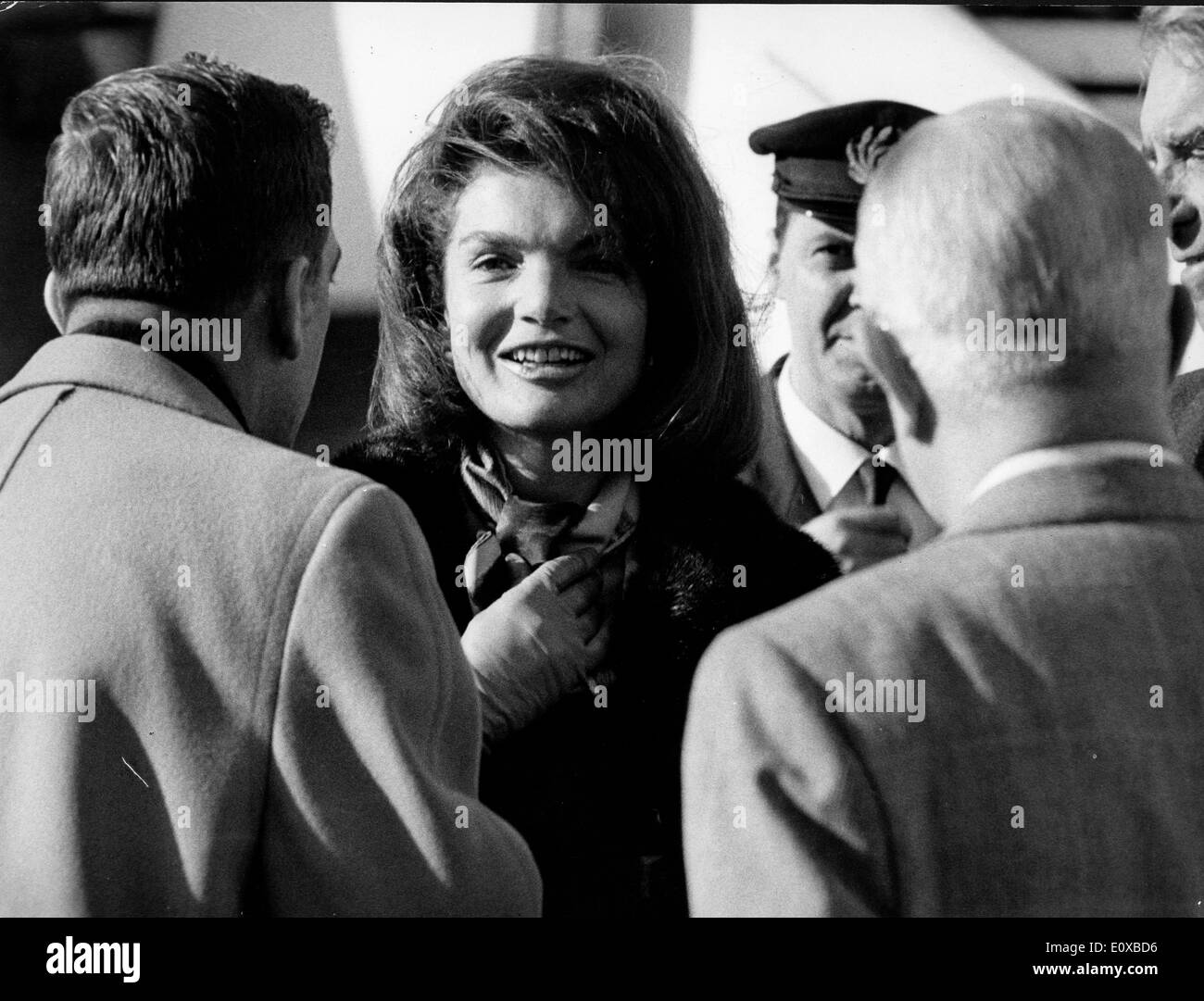
To understand the images of Jacqueline Kennedy Onassis, one must first recognize the shift in global media during the late 1960s. Following the assassination of President John F. Kennedy, Jackie’s transition into private life was anything but private. The term "paparazzi"—derived from the buzzing of a fly—became synonymous with the photographers who stalked her every move in New York City and on the Greek island of Skorpios.
The "truth" behind these photos is that they were rarely candid in the traditional, unintentional sense. For years, photographers like Ron Galella turned the pursuit of Jackie into a commercial sport. Galella, arguably the most notorious of her stalkers, utilized a high-speed lens and aggressive tactics to capture her in moments of vulnerability. The public saw a woman who was "caught" unawares, but the technical reality was a game of cat-and-mouse. Her stoic expressions in these photos were often the result of immense psychological discipline required to avoid giving the photographers the "reaction shot" they were paid thousands of dollars to obtain.
The Power Dynamic: Control vs. Exploitation
The photography industry of the 1970s operated under few legal constraints regarding personal privacy. In the United States and abroad, the legal framework for "reasonable expectation of privacy" in public spaces was still being refined. Jackie Onassis was a primary catalyst for this shift. She recognized that her image was an asset, and by allowing herself to be photographed by curated, trusted professionals like Richard Avedon or Cecil Beaton, she maintained a level of control over her public narrative.
Conversely, the unauthorized photos served a different purpose: they humanized a woman the public perceived as an untouchable icon. However, this humanization came at a personal cost. The intrusion was so severe that it led to landmark legal battles. When Onassis sued Ron Galella in Galella v. Onassis (1972), the court’s decision was instrumental in defining the boundaries between freedom of the press and the right to privacy. The court eventually ordered Galella to stay a specific number of feet away from her and her children, a ruling that remains a foundational reference point for privacy law today.
Technical and Aesthetic Evolution
The aesthetic of these photos evolved alongside camera technology. In the early 1960s, photos were primarily shot on film with standard lenses, resulting in the polished, magazine-quality portraits associated with her time in the White House. By the 1970s, the rise of the motorized 35mm camera allowed paparazzi to "spray and pray"—taking dozens of shots in seconds to ensure at least one contained a compelling expression.
| Feature | Polished Portraits | Paparazzi Candid Photography |
|---|---|---|
| Photographer Intent | Artistic documentation | Commercial exploitation |
| Subject Participation | Fully consenting/directed | Non-consenting/resistant |
| Technical Focus | Lighting, composition, posing | High-speed shutter, telephoto zoom |
| Common Outcome | Icon-making | Narrative framing |
This technical shift meant that the public began to consume "flawed" images—blur, harsh flash, and candid, unflattering angles—which, ironically, became more valuable than staged portraits because they promised an "authentic" look at the subject.
The Psychological Cost of Constant Surveillance
The psychological burden of being the most photographed woman in the world cannot be overstated. Jackie’s frequent use of large, oversized sunglasses—an accessory that became her trademark—was not merely a fashion choice. It was a functional, tactical tool designed to obscure her gaze and create a barrier between her and the lenses. By hiding her eyes, she denied the camera the ability to capture the "soul" or the raw reaction that tabloids sought.
This visual armor was part of a broader strategy to maintain a semblance of agency in an environment where her image was constantly being harvested for profit. The truth behind the photos is that they documented a long-term struggle for ownership of one's own likeness. Every time she walked out of her 1040 Fifth Avenue apartment, she was entering a theater of observation.
Legal Precedents and Industry Impact
The legal fallout from the obsession with photographing Jackie Onassis changed the business of celebrity journalism permanently. The Galella case did more than just provide a distance buffer; it established a precedent that celebrities—even high-profile public figures—could demonstrate that "harassment" was distinct from "reporting." This forced magazines and news syndicates to become more cautious about the methods used to secure images.
By the 1980s and into the 1990s, the rise of stricter ethical guidelines in journalism meant that the most invasive of the old paparazzi tactics became stigmatized. While the paparazzi industry did not vanish, it became more professionalized, shifting toward more controlled "set-up" shots where the celebrity and the photographer strike a mutually beneficial deal, a far cry from the hostile environment Jackie navigated.
Frequently Asked Questions
Why were paparazzi so obsessed with photographing Jackie Onassis? She was the center of a global cultural fascination following the death of JFK and her marriage to Aristotle Onassis. Her status as a fashion icon and her perceived detachment from the public made her the most profitable subject for tabloids, which could sell magazines based on the "scandal" or "mystery" implied by her candid photos.
Did Jackie Onassis ever win her legal battles against photographers? Yes, most notably in the federal case Galella v. Onassis. The court granted a permanent injunction against photographer Ron Galella, limiting his ability to approach her and her children. This set a legal standard for the limits of the First Amendment when it encroaches on the privacy and safety of an individual.
Was the "Jackie look" with sunglasses a purposeful choice to avoid cameras? While Jackie Onassis had a distinct sense of style, the oversized sunglasses served a dual purpose. They protected her eyes from camera flashes and helped her maintain a degree of privacy, allowing her to observe her surroundings without being fully "seen" or identified immediately by the paparazzi.
How did the photography of Jackie Onassis change the media landscape? The intrusion she faced led to stricter standards regarding the harassment of public figures. It forced a conversation about the difference between news reporting and the commercial exploitation of an individual's private life, influencing future tort laws regarding harassment and stalking.
Are most of the iconic photos of her considered "candid"? A distinction must be made between "candid" (unplanned) and "stolen" (non-consensual). Many of the most famous photos were not candid in the sense of being natural; they were "stolen" moments. They captured her in states of distress or annoyance, which were the exact emotions the photographers were targeting.
Practical Next Steps for Researchers
If you are interested in exploring this period further, the best approach is to examine primary archives of the publications from that era, such as Life, Look, and The New York Times, while contrasting them with the rulings found in the Galella v. Onassis court transcripts. These documents provide the clearest evidence of how the industry operated and how the legal system began to categorize, and eventually limit, the behavior of the press. Observing the shift in the style of portraiture throughout the 1970s will offer further insight into how public figures began to reclaim control over their own images through calculated cooperation with reputable photographers.
Image Gallery