Understanding the Grad Student Loan Changes: A 2026 Overview
As of 2026, graduate student loan changes center on the implementation of updated income-driven repayment (IDR) frameworks and adjusted interest rate structures for federal Direct Unsubsidized and Grad PLUS loans. These shifts primaril...
As of 2026, graduate student loan changes center on the implementation of updated income-driven repayment (IDR) frameworks and adjusted interest rate structures for federal Direct Unsubsidized and Grad PLUS loans. These shifts primarily impact how borrowers calculate monthly payments based on discretionary income, alongside changes in eligibility for specific public service forgiveness programs and consolidation pathways.
Contents
The Landscape of Federal Graduate Lending
For graduate and professional students, federal student loans remain the primary source of educational funding. Unlike undergraduate lending, where the government provides more substantial interest subsidies, graduate loans—specifically Direct Unsubsidized Loans and Direct PLUS Loans—have long operated under a system where interest accrues from the moment of disbursement. As we navigate the 2026 academic landscape, the regulatory environment has tightened, focusing on the sustainability of repayment plans and the integration of new debt-to-income metrics for federal aid.
The most significant change for current and prospective graduate students involves the transition toward more streamlined, income-based repayment models. While older plans such as Pay As You Earn (PAYE) have been phased out for new borrowers, the current iteration of the Saving on a Valuable Education (SAVE) plan—or its legal successor programs currently active in 2026—serves as the cornerstone of federal policy. Understanding these changes requires a clear distinction between loan types and the rules governing their repayment.
Key Loan Categories and Interest Structures
Graduate students typically utilize two main federal loan types. Understanding the nuance between these is critical, as the "changes" often apply differently to each category.
- Direct Unsubsidized Loans: These are federal loans that do not require financial need. Interest begins to accrue immediately upon the disbursement of funds. In 2026, borrowers must be cognizant of the fixed interest rates set annually by the Department of Education, which are influenced by the 10-year Treasury note yield.
- Direct PLUS Loans: These are available to graduate or professional students to help pay for education expenses not covered by other financial aid. These loans require a credit check, though they do not require a demonstration of financial need in the traditional sense. Changes in 2026 have tightened the definition of "adverse credit history," making the application process more scrutinized than in previous decades.
Comparison of Loan Features
| Feature | Direct Unsubsidized Loan | Direct PLUS Loan |
|---|---|---|
| Credit Check Required | No | Yes |
| Loan Fee | Standard Origination Fee | Higher Origination Fee |
| Interest Accrual | During school and grace period | During school and grace period |
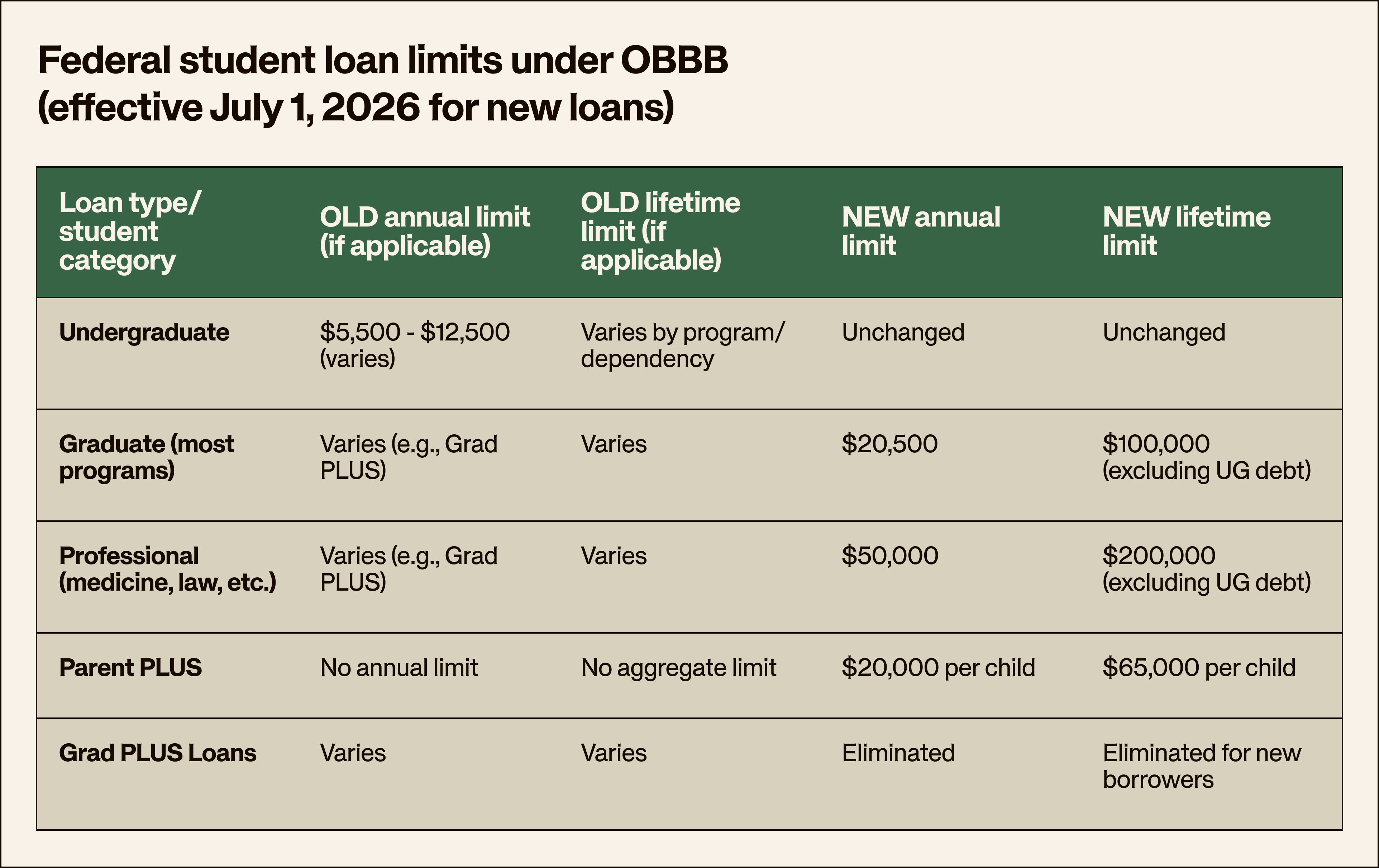
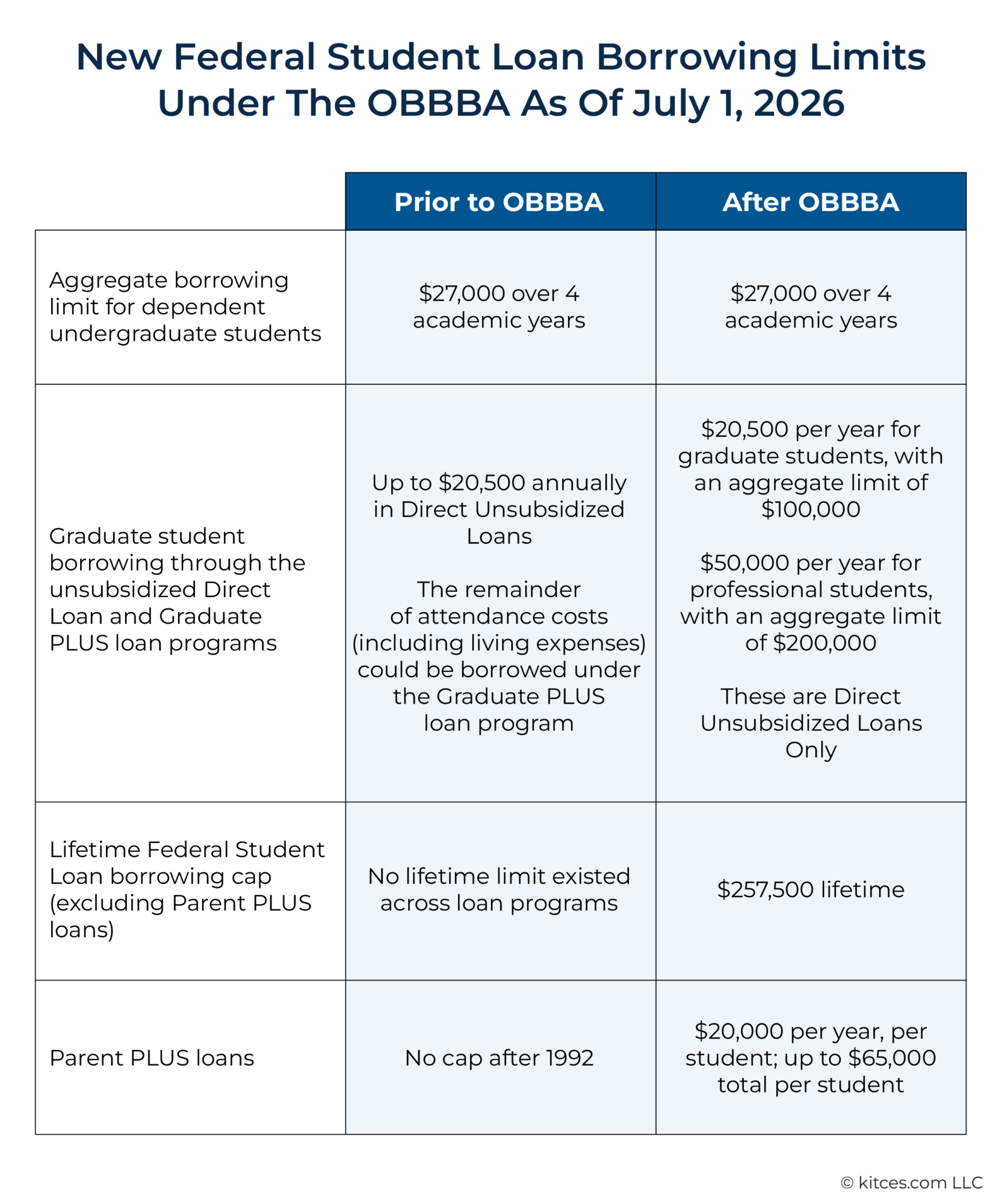
| Aggregate Limits | Yes ($138,500 total) | No (up to cost of attendance) |
Impact of New Repayment Frameworks
The most profound shift affecting graduate borrowers is the recalculation of discretionary income under modern IDR plans. Historically, discretionary income was calculated as the difference between a borrower's adjusted gross income (AGI) and 150% of the federal poverty guideline. Current 2026 regulations have moved toward higher percentages (often 225%), which shields a larger portion of a graduate borrower’s income from being counted toward monthly student loan payments.
This change is designed to lower monthly overhead for professionals early in their careers—such as those completing medical or law school residencies or early-stage doctoral research. However, borrowers should be aware that lower monthly payments can lead to "negative amortization," a scenario where the monthly payment does not cover the accruing interest, causing the total loan balance to grow despite consistent payments.
Public Service Loan Forgiveness (PSLF) and Graduate Debt
For those entering the public sector—including academia, non-profit research, or government roles—the Public Service Loan Forgiveness (PSLF) program remains the most viable path to debt relief. As of 2026, the criteria for qualifying employment remain consistent, but the verification process has been digitized into a centralized portal managed by the U.S. Department of Education.
A crucial change involves the alignment of IDR plans with PSLF eligibility. Previously, borrowers had to navigate a complex matrix of "qualified" versus "non-qualified" plans. Current 2026 guidelines mandate that any enrollment in an income-driven repayment plan counts toward the 120-payment requirement. If you are pursuing a career in public service, ensuring your loan remains on an IDR track is no longer a tactical choice but a default expectation of the program.
Common Pitfalls and Troubleshooting
Graduate students often encounter difficulties due to the high volume of federal lending. Below are the most common challenges reported by borrowers in 2026:
- The "Grad PLUS" Trap: Because Grad PLUS loans are available up to the "Cost of Attendance" (COA) determined by the institution, many students borrow more than is strictly necessary for tuition and books. This leads to substantial interest accumulation that compounds over the life of the loan.
- Consolidation Errors: Some borrowers consolidate their loans to reach a lower monthly payment, inadvertently resetting their PSLF payment count or locking in a higher weighted-average interest rate. Always verify the status of your payment counts before proceeding with consolidation.
- Certification Lags: Income-driven plans require annual recertification of income. Failure to do so can result in an immediate pivot to a standard 10-year repayment plan, which often results in a massive, unmanageable payment spike.
Financial Planning Considerations
If you are currently enrolled in graduate school or planning to enter in the 2026–2027 academic year, consider the following strategic steps:
- Maximize Subsidized Options First: While unsubsidized and PLUS loans are the norm for graduate students, always exhaust all institutional grants, fellowships, and departmental assistantships before taking on federal debt.
- Automate Recertification: Use the Internal Revenue Service (IRS) data retrieval tool during your annual IDR recertification process. This minimizes the risk of human error and ensures your payment is calculated based on the most accurate tax information.
- Maintain Separate Savings: Because graduate interest rates can be high, any surplus income should be directed toward paying down the principal of the loan with the highest interest rate—typically the Grad PLUS loan—rather than relying solely on the minimum IDR payment.
Disclaimer: This information is for educational purposes and does not constitute financial, legal, or tax advice. Borrowers should consult the official Federal Student Aid (FSA) website or a qualified financial advisor to discuss their specific circumstances, as personal financial outcomes vary based on debt load, career path, and interest rate environment.
Frequently Asked Questions
Does the 225% poverty guideline adjustment apply to all graduate loans? The adjustment to the discretionary income calculation applies specifically to federal income-driven repayment plans. It does not change the interest rates of the loans themselves, but it does lower the monthly payment obligation for those enrolled in these specific plans.
Can I still consolidate my graduate loans into a single payment? Yes, federal consolidation remains available. However, in 2026, be aware that consolidating can affect your accrued interest. The new interest rate will be the weighted average of the underlying loans, rounded up to the nearest one-eighth of a percent.
What happens to my PSLF progress if I switch employers? PSLF is tied to the type of employer, not the specific job. As long as your new employer is a 501(c)(3) non-profit or a government entity, your progress toward the 120 payments remains intact. You must submit a new Employment Certification Form (ECF) to update your records.
Are private graduate loans affected by these federal changes? No. Private graduate loans are governed by contracts between the borrower and the lender. They do not qualify for federal IDR plans, federal interest rate caps, or the PSLF program.
What is the best way to track my loan status in 2026? The most reliable way to monitor your federal loan status is through your dashboard on the official Federal Student Aid (StudentAid.gov) website. This remains the definitive record for your balances, loan servicer contact information, and repayment plan status.
Next Steps for Borrowers
If you are concerned about your current graduate loan status, the immediate next action is to log into your account at StudentAid.gov. Verify that your current income data is up to date and check if you are enrolled in the most advantageous repayment plan for your specific financial goals. If you are pursuing public service, generate a current PSLF status report to ensure all eligible payments are correctly accounted for in the federal database.
Image Gallery