Commercial General Liability Insurance: Misconceptions Clarified for Business Owners
Commercial General Liability (CGL) insurance is a foundational risk management tool designed to protect businesses from third-party claims of bodily injury, property damage, and personal or advertising injury. Despite its importance, m...
Commercial General Liability (CGL) insurance is a foundational risk management tool designed to protect businesses from third-party claims of bodily injury, property damage, and personal or advertising injury. Despite its importance, many business owners operate under significant misunderstandings regarding what this coverage includes, how it applies to their operations, and where the limitations of the policy begin.
Contents
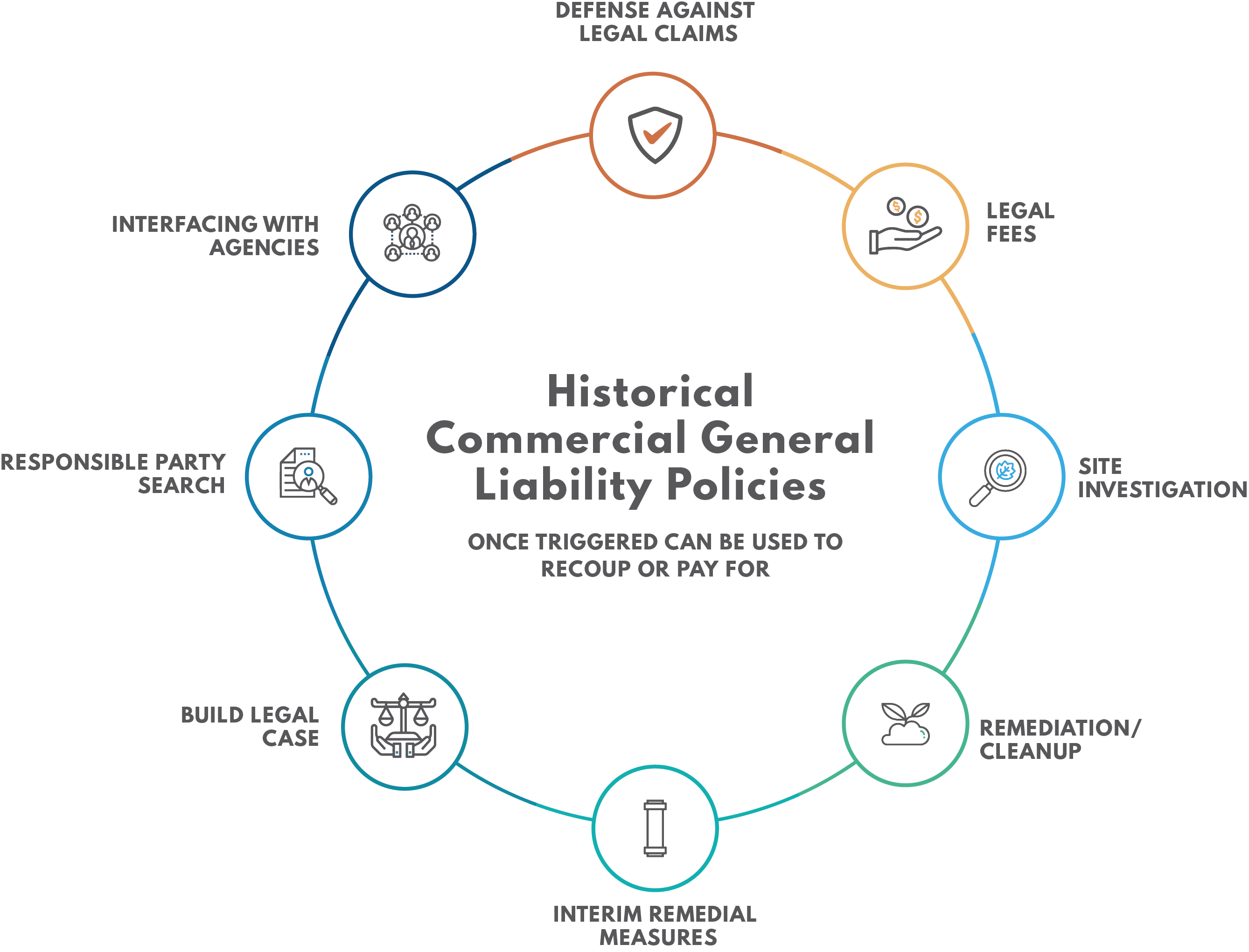
The primary function of a CGL policy is to provide a defense and indemnity against legal liability arising from accidents that occur on your business premises or as a result of your ongoing operations. However, a common fallacy is the belief that CGL acts as an all-encompassing safety net for any financial loss a business might encounter. In reality, CGL is a triggered policy, meaning specific conditions—such as a proven legal liability or a defined "occurrence"—must be met before a claim can be honored. Misinterpreting these boundaries often leads to gaps in coverage that leave organizations exposed to catastrophic litigation costs or denied claims.
Understanding the Scope of CGL Insurance
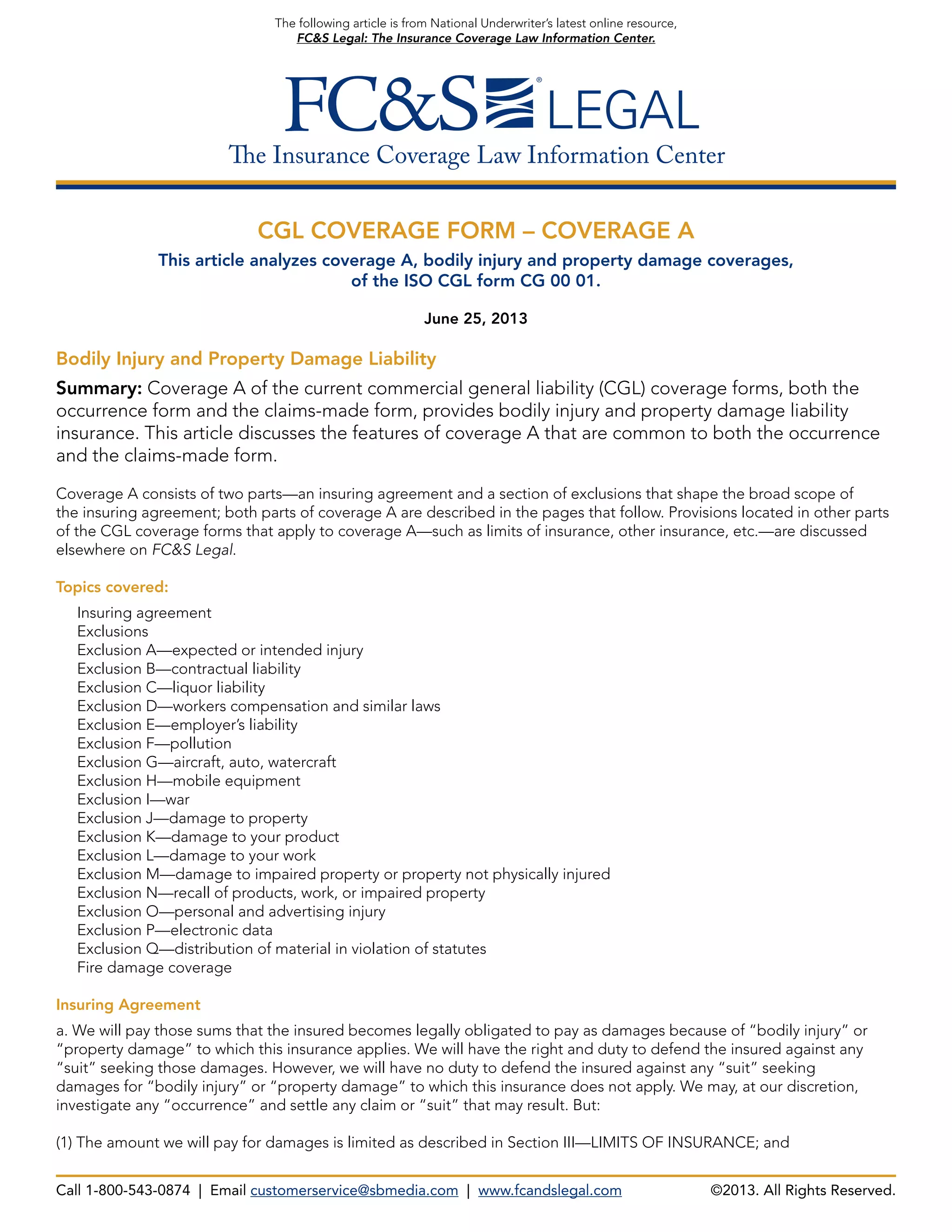
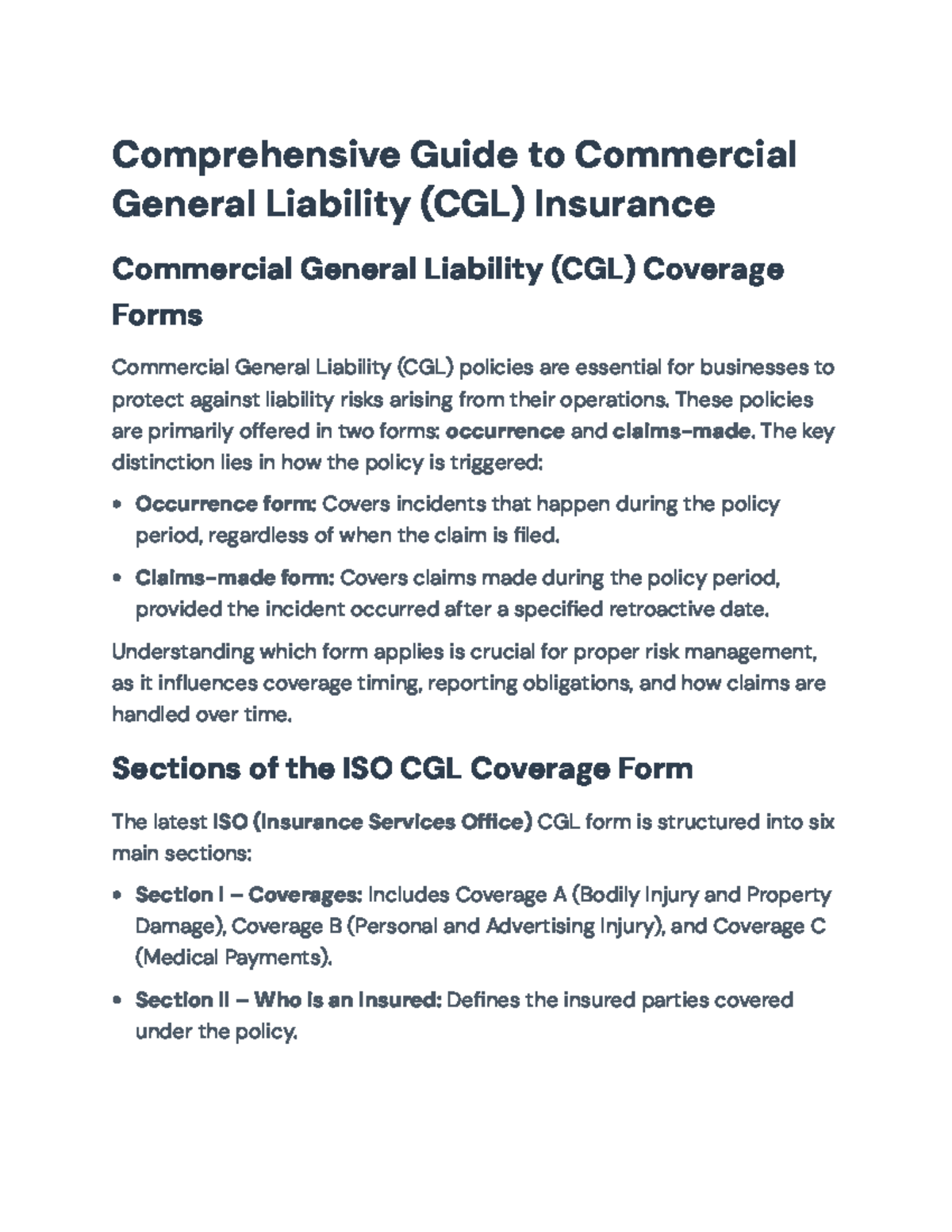
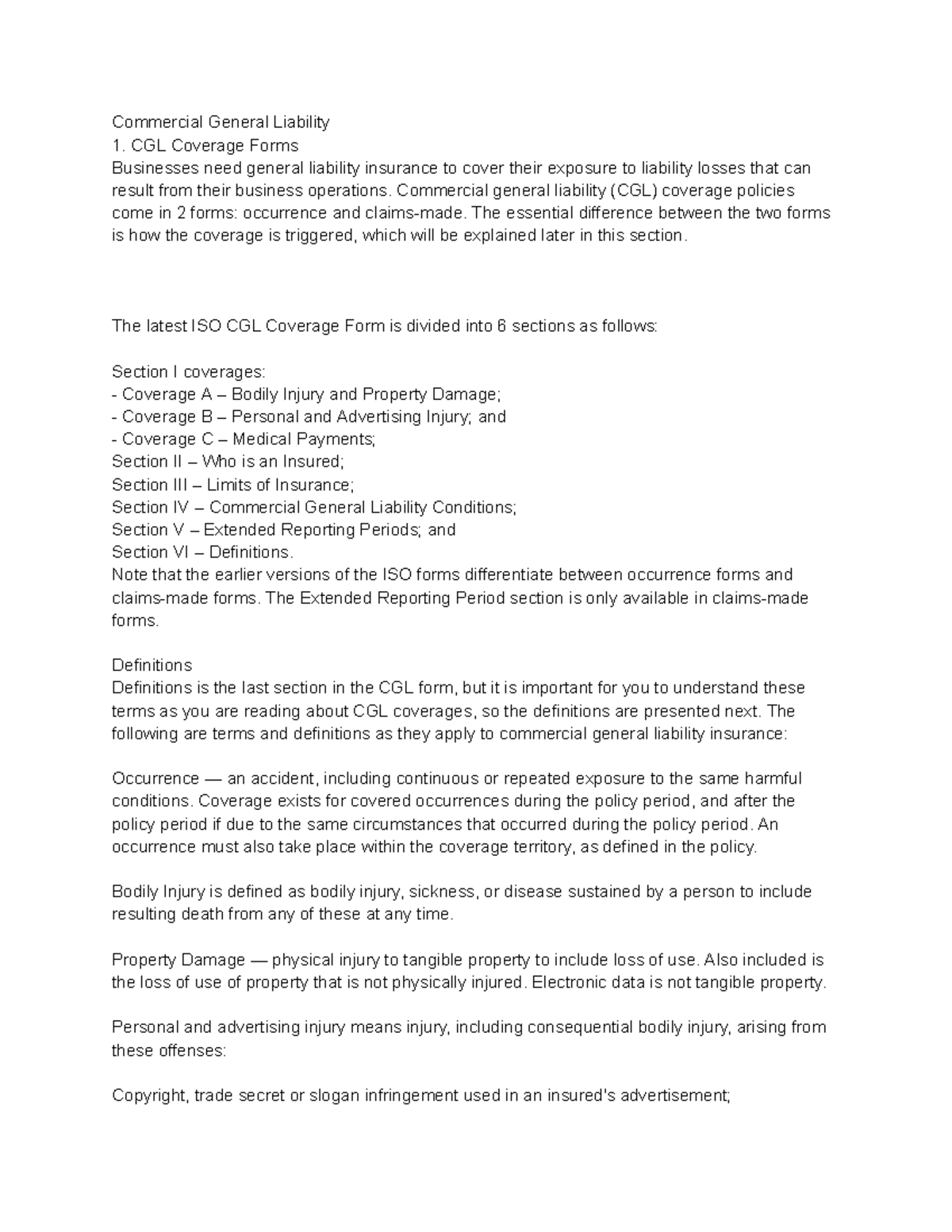
To grasp the misconceptions surrounding CGL, one must first identify exactly what the policy is intended to cover. The Standard Commercial General Liability Coverage Form, widely used in the insurance industry, typically divides coverage into three primary categories:
- Coverage A: Bodily Injury and Property Damage Liability. This covers the cost of defending your business against claims that your operations, products, or premises caused physical harm to a third party or damage to their physical property.
- Coverage B: Personal and Advertising Injury. This addresses non-physical harms, such as libel, slander, copyright infringement in advertisements, or invasion of privacy.
- Coverage C: Medical Payments. This is a smaller, "no-fault" provision that covers minor medical expenses for a third party injured on your premises, intended to prevent small accidents from escalating into full-blown lawsuits.
Misconception 1: "CGL Covers All Business-Related Lawsuits"
One of the most dangerous myths is that CGL covers every lawsuit brought against a business. CGL is strictly limited to third-party claims of physical harm or specific types of injury. It does not provide coverage for breach of contract, professional errors, or internal employment disputes. For example, if a client sues your firm because your software failed to meet contractual performance benchmarks, CGL will not provide a defense. That requires Professional Liability or Errors and Omissions (E&O) insurance.
Misconception 2: "Professional Errors are Covered Under General Liability"
Closely related to contract disputes is the issue of professional negligence. A CGL policy is designed for "accidents"—an unintended event causing damage. It is not designed to cover "professional mistakes"—the failure to provide a service at the expected standard. If you are an architect, accountant, or consultant, your primary risk is the advice you give, not the physical accidents that occur in your office. Relying on a CGL policy to cover professional liability is a common oversight that leaves firms vulnerable to malpractice claims.
Essential Differences Between Liability Types
| Liability Type | Primary Coverage Focus | Common Exclusions |
|---|---|---|
| CGL Insurance | Third-party physical injury and property damage. | Professional errors, employee injuries, contractual breaches. |
| Professional Liability | Financial loss due to negligence or failure to deliver services. | Bodily injury, physical property damage. |
| Workers' Compensation | Work-related injuries to employees. | Injuries to third parties, non-work-related accidents. |
| Cyber Liability | Data breaches, privacy violations, and cyber-extortion. | Physical damage to hardware or equipment. |
The "Employee vs. Third-Party" Distinction
Another major area of confusion involves the relationship between your insurance and your staff. Many business owners mistakenly believe that CGL covers any injury that happens within their walls. However, CGL explicitly excludes injuries sustained by employees in the course of their employment.
If an employee is injured while operating a heavy machine, their medical bills and lost wages are governed by Workers’ Compensation statutes, not your CGL policy. CGL is strictly for members of the general public, clients, or vendors who visit your site. Attempting to claim employee injuries under a CGL policy will result in an immediate denial, and relying on CGL instead of mandatory workers' compensation insurance can result in significant legal penalties and regulatory fines.
Property Damage and The "Care, Custody, or Control" Exclusion
A frequently litigated aspect of CGL policies is the "Care, Custody, or Control" (CCC) exclusion. Business owners often assume that if they are working on a client’s property, their CGL policy will cover any damage they cause to that property.
In many cases, the standard CGL policy excludes property that is in the "care, custody, or control" of the insured. If you are a contractor working on a client’s HVAC unit, and you accidentally drop the unit, the CGL policy may not pay for the unit itself because it was under your temporary control. This necessitates the need for "Bailee’s Coverage" or specific endorsements (such as an Installation Floater) to ensure that the actual assets you are working on are protected. Failing to account for this exclusion is a leading cause of financial dispute between contractors and their clients.
The Misunderstanding of "Occurrence" vs. "Claims-Made"
While most CGL policies are written on an "Occurrence" basis—meaning the policy in effect when the accident happens is the one that pays, regardless of when the claim is filed—some liability policies use a "Claims-Made" format.
In a Claims-Made policy, the claim must be filed while the policy is active. If you cancel your insurance or switch providers, you may find that a claim filed today for an incident that occurred last year is not covered because the original policy has lapsed. Understanding the "Retroactive Date" and the potential need for "Tail Coverage" is vital for businesses transitioning between policies. Assuming that all liability insurance acts the same way regarding timing can lead to catastrophic gaps in protection when switching brokers or providers.
FAQ: Clarifying Common Concerns
Does CGL cover damage to my own business property? No. CGL is strictly for third-party liability. Damage to your own building, equipment, or inventory is covered under a Commercial Property insurance policy.
If I have CGL, do I need umbrella insurance? CGL policies have "per occurrence" and "aggregate" limits. If a massive lawsuit exceeds these limits, your business assets are at risk. An Umbrella or Excess Liability policy provides additional coverage above your primary limits.
Is product liability included in CGL? Yes, standard CGL policies include "Products-Completed Operations" coverage. This protects you if a product you manufactured or a project you completed causes injury or damage after it has left your premises.
What is the difference between "Personal Injury" and "Bodily Injury"? "Bodily Injury" refers to physical sickness, disease, or death (e.g., a customer slipping on a wet floor). "Personal Injury" in insurance terms refers to legal offenses such as libel, slander, false arrest, or wrongful eviction.
Does CGL cover environmental pollution? Most standard CGL policies have a total pollution exclusion. If your business operations involve chemicals or waste, you will likely need a separate Pollution Liability policy to handle environmental cleanup and associated lawsuits.
Recommendation for Next Actions
To ensure your business is adequately protected, conduct a comprehensive audit of your current coverage in 2026. Do not assume your policy covers "everything."
- Review your Dec Page: Locate your Declarations Page and identify the specific limits, exclusions, and the "Occurrence" vs. "Claims-Made" status.
- Audit your operations: List your specific business activities—such as whether you manage client property or provide professional advice—and compare them against the exclusions in your policy.
- Consult a broker: Speak with a licensed commercial insurance agent to identify gaps. Ask specifically, "What scenarios are not covered by my current CGL policy?"
- Documentation: Keep detailed records of your operations and any safety protocols. Proactive risk management is the best way to prevent claims from occurring in the first place, regardless of your insurance limits.
Image Gallery