What Happens After the Final Death in Pixar's Coco? Cosmology, Lore, and Meaning
In Pixar's Coco, when a spirit experiences the "Final Death" (la Última Muerte), they dissolve into glowing golden sparkles and vanish permanently from the Land of the Dead. Within the film's narrative, no spirit knows their ultimate d...
In Pixar's Coco, when a spirit experiences the "Final Death" (la Última Muerte), they dissolve into glowing golden sparkles and vanish permanently from the Land of the Dead. Within the film's narrative, no spirit knows their ultimate destination—they simply fade away once the last living person who remembered them passes away or forgets them entirely.
Contents
Defining the "Final Death" in the Lore of Coco
To understand what occurs after the Final Death, one must first examine the existential framework established by Pixar’s narrative designers. In the world of Coco, human existence is structured around three distinct milestones of passing:
- The First Death: The cessation of biological life in the Land of the Living, when the body dies and the soul transitions into a skeleton-like spirit in the Land of the Dead.
- The Second Death: The physical burial or laying to rest of the body, marking the formal ritual departure from the earthly realm.
- The Final Death (La Última Muerte): The total fading of a spirit from the Land of the Dead, triggered when no living person left on Earth retains a memory of that individual or displays their photograph on an ofrenda.
The rules governing this universe mandate that memory serves as the literal fuel for spirit life. As long as a living person remembers an ancestor—through oral storytelling, shared memories, or displaying their portrait during Día de los Muertos (Day of the Dead)—that spirit maintains a tangible, vibrant existence in the skeletal metropolis of the dead. However, when the final living person who holds that memory dies or succumbs to severe cognitive decline (such as Mamá Coco's advancing dementia), the spirit’s structural integrity collapses.
During this process, the spirit begins to glow with an intense orange light, reminiscent of marigold petals (cempasúchil), floating upward into the air before vanishing into nothingness.
What Happens After a Soul Fades? Examining Movie Lore and Director Intent
The definitive answer to where a soul goes after the Final Death is left intentionally mysterious within the film itself. When the character Chicharrón suffers the Final Death after being forgotten by everyone in the living world, young Miguel asks Héctor where Chicharrón went. Héctor solemnly replies, "Nobody knows."
While the movie leaves the outcome ambiguous to preserve spiritual universality, statements from the film's creative team, including director Lee Unkrich and co-director Adrian Molina, provide key context regarding the narrative design:
1. Cosmic Dissolution and Peace
The visual language of the Final Death—glowing marigold dust drifting into the cosmos—suggests a transformation into basic spiritual energy. Unlike the vibrant, bustling urban environment of the Land of the Dead, the post-Final Death state represents a return to nature or the universe. It is portrayed not as a punishment or damnation, but as a quiet, natural end to individual identity.
2. Parallels to Mictlān and Mesoamerican Mythology
The concept draws heavily from Indigenous Mexican mythologies, specifically Aztec (Mexica) traditions surrounding Mictlān, the ninth and final level of the underworld. In Aztec cosmology, souls navigated nine challenging layers over four years to reach ultimate rest in Mictlān, ruled by Mictlantecuhtli and Mictecacihuatl. Once souls reached this final destination, individual struggle ceased, and they achieved complete spiritual peace or oblivion. The Final Death mirrors this cosmological journey toward final rest.
3. The Absolute End of Identity
Unlike Western theological frameworks that promise an eternal individual soul in heaven or hell regardless of memory, Coco presents an existential boundary. Once a person is entirely forgotten, their distinct personality, memories, and form cease to exist within the accessible realms. This mechanism underscores the central theme of the movie: living people hold the power to grant their ancestors ongoing spiritual survival.
Key Moments: How the Final Death Drives the Plot of Coco
The stakes of the Final Death serve as the primary engine for the emotional and narrative tension throughout Coco. Rather than physical injury or traditional villains, the ultimate threat to the characters is being forgotten.
Living World Memory ---> Sustains Spirit in Land of the Dead | Memory Lost | v Final Death ---> Spirit Dissolves into Marigold Energy (Destination Unknown)
The Passing of Chicharrón
Chicharrón’s fade is one of the most pivotal scenes in the film. Living on the margins of the Land of the Dead in a shantytown populated by forgotten spirits, Chicharrón relies on Héctor to play him one last song on the guitar. As Héctor sings "Everyone Knows Juanita," Chicharrón takes a final sip of mezcal, glows brightly, and dissolves into dust. This scene serves three vital purposes:
- It establishes the factual reality of the Final Death for the audience and Miguel.
- It highlights the tragic socio-cultural divide between well-remembered spirits with magnificent ofrendas and forgotten spirits left to fade.
- It demonstrates that music and shared art are vital conduits of memory.
Héctor’s Race Against Time
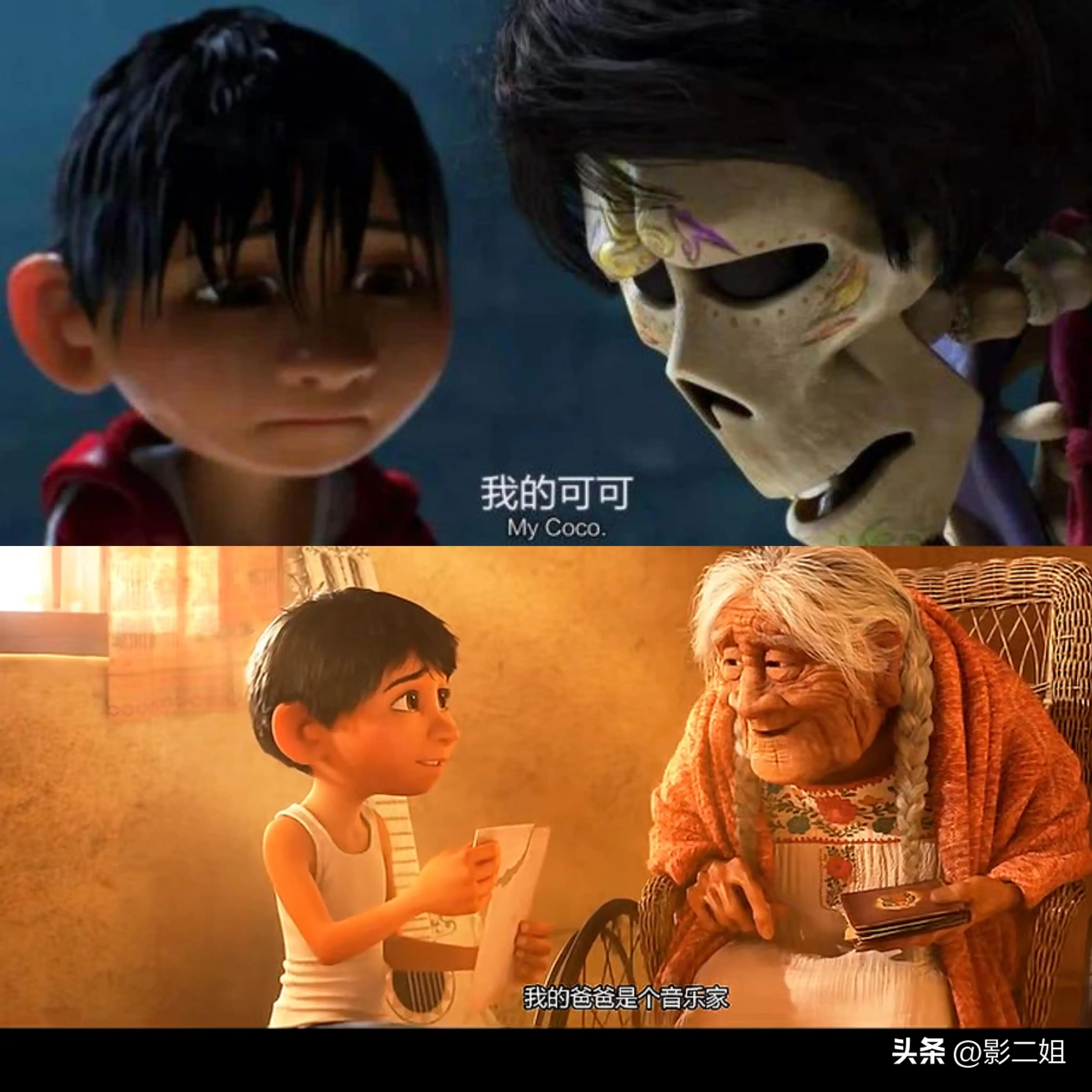
Héctor’s desperate mission to help Miguel return to the living world is motivated entirely by the impending Final Death. His daughter, Mamá Coco, is old and losing her memory. If Coco dies without passing down stories of her father or placing his photo on the family ofrenda, Héctor will experience the Final Death and never see her again. His physical body in the spirit realm visibly weakens, experiencing painful shocks and glowing flickers whenever Coco's memory of him begins to slip.
The Contrast of Ernesto de la Cruz
The film contrasts Héctor’s predicament with the famous musician Ernesto de la Cruz. Because de la Cruz is adored by millions of fans worldwide who play his music and display his picture, he possesses immense wealth and physical stability in the Land of the Dead. This dynamic introduces a subtle critique of public fame versus genuine familial love: public devotion can sustain a spirit’s existence, but true connection comes from being remembered by those who loved you personally.
Comparing Stages of Existence in Pixar's Coco
To visualize how a soul transitions through the universe of Coco, the following table outlines the key characteristics, rules, and outcomes of each phase of existence:
| Stage of Existence | Physical Form | Location | Primary Need / Requirement | Ultimate Outcome |
|---|---|---|---|---|
| Living World | Biological human body | Land of the Living (Earth) | Physical nourishment, air, shelter | Biological death (First Death) |
| Active Spirit World | Animated skeletal body retaining personal style | Land of the Dead (Metropolis) | Being remembered by living people via memories or ofrendas | Transition across the Marigold Bridge on Día de los Muertos |
| Forgotten Spirit Status | Weakened skeletal form, fading glow | Spirit Shantytown (Periphery) | Urgent restoration of memory in the living world | Imminent triggering of the Final Death |
| Post-Final Death | Golden marigold dust / Pure energy | Unknown / Cosmic Realm | None | Complete dissolution of individual consciousness |
The Cultural Roots: Día de los Muertos and Indigenous Heritage
While Pixar dramatized the Final Death for narrative purposes, the concept is deeply rooted in authentic Mexican traditions and pre-Hispanic philosophies.
The Significance of the Ofrenda
In Mexican culture, the ofrenda (altar) built during Día de los Muertos (November 1st and 2nd) is not a object of worship, but a portal of welcome. Families place photographs, favorite foods, pan de muerto, sugar skulls, candles, and marigolds to guide ancestors back home for a temporary annual reunion. The belief is that the dead remain part of the community; as long as their names are spoken and their stories retold, the connection between generations remains unbroken.
Oral Tradition as Existential Preservation
Before written histories, many Indigenous cultures relied exclusively on oral storytelling to keep family lineage alive. In these traditions, a person dies a second death when their name is spoken for the last time. Coco takes this ancient oral principle and turns it into a physical rule of its fantasy world: to keep an ancestor alive in the spirit realm, living generations must keep their stories active in the physical world.
Psychological and Philosophical Themes Behind the Concept
The narrative device of the Final Death resonates strongly with viewers because it taps into universal human anxieties regarding mortality, grief, and legacy.
1. The Fear of Being Forgotten
Psychologically, the Final Death taps into what sociologists refer to as "symbolic immortality"—the desire of human beings to leave a lasting mark on the world through children, art, deeds, or memories. Coco frames true death not as the end of physical breathing, but as the erasure of one's impact on loved ones.
2. Transgenerational Healing and Memory
The resolution of Coco occurs when Miguel sings "Remember Me" (Recuérdame) to his great-grandmother Coco. The song—originally written by Héctor as a soft lullaby for his young daughter rather than the bombastic stadium version performed by de la Cruz—unlocks Coco's deep-seated memories. By reviving her memory of her father, Coco saves Héctor from the Final Death and heals a century-old family trauma caused by misunderstanding and unspoken pain.
3. The Responsibility of the Living
Coco flips the traditional narrative responsibility. In many ghost stories, spirits return to resolve unfinished business for the living. In Coco, the burden of care lies with the living. Young generations are given the active responsibility of listening to elders, preserving family history, and maintaining ancestral records.
Frequently Asked Questions
Does a spirit feel pain during the Final Death in Coco?
No. The film depicts the Final Death as a painless, peaceful transition. When Chicharrón fades, he lies down quietly, enjoys a song, and peacefully dissolves into golden light. The emotional distress spirits feel prior to the event stems from the sadness of being forgotten, not physical pain.
Can a spirit return from the Final Death if someone remembers them later?
Within the lore of the film, the Final Death is permanent and irreversible. Once a spirit dissolves into marigold dust, they cannot be brought back to the Land of the Dead, even if a living person subsequently finds their photograph or remembers their story. This permanence establishes the high stakes of Miguel’s journey.
Do pets and alebrijes suffer the Final Death?
The film does not explicitly state that alebrijes (spirit guides like Dante and Pepita) suffer the Final Death. Alebrijes are magical entities native to the spirit realm rather than former living humans, suggesting they operate under different spiritual laws than human souls.
Why did Ernesto de la Cruz not face the Final Death even after his crimes were exposed?
Ernesto de la Cruz was remembered by millions of fans worldwide who bought his records and watched his movies. Even though his reputation was ruined at the end of the film, public awareness and historical records ensure that he remains remembered in the living world, preventing him from facing the Final Death, even as he loses his honored position in society.
What is the origin of the song "Remember Me" in relation to the Final Death?
"Remember Me" was composed by Héctor specifically as a personal lullaby for his daughter Coco before he left home. Its quiet, intimate lyrics directly address the threat of separation and fading memory, serving as the musical antithesis to the Final Death.
Practical Takeaway: Preserving Family Stories and Legacy
The central message behind the Final Death in Coco is that memory is an active, vital practice. To keep the memory of loved ones alive across generations:
- Document Family Histories: Record stories, oral histories, and family recipes in digital or written journals so future generations retain accurate records of their ancestors.
- Label Historical Photographs: Ensure physical family photos have names, dates, and relationships clearly written on the back or stored in organized digital archives.
- Maintain Cultural Rituals: Participate in memorial traditions—whether building an ofrenda for Día de los Muertos, visiting gravesites, or gathering on anniversaries—to pass ancestral knowledge down to younger children.
Image Gallery