GST Number Meaning: Identifying and Understanding the Tax ID in India
The Goods and Services Tax Identification Number (GSTIN) is a unique 15-digit alphanumeric identifier assigned to every registered business entity under the GST regime in India. It serves as the primary tax identity for businesses, rep...
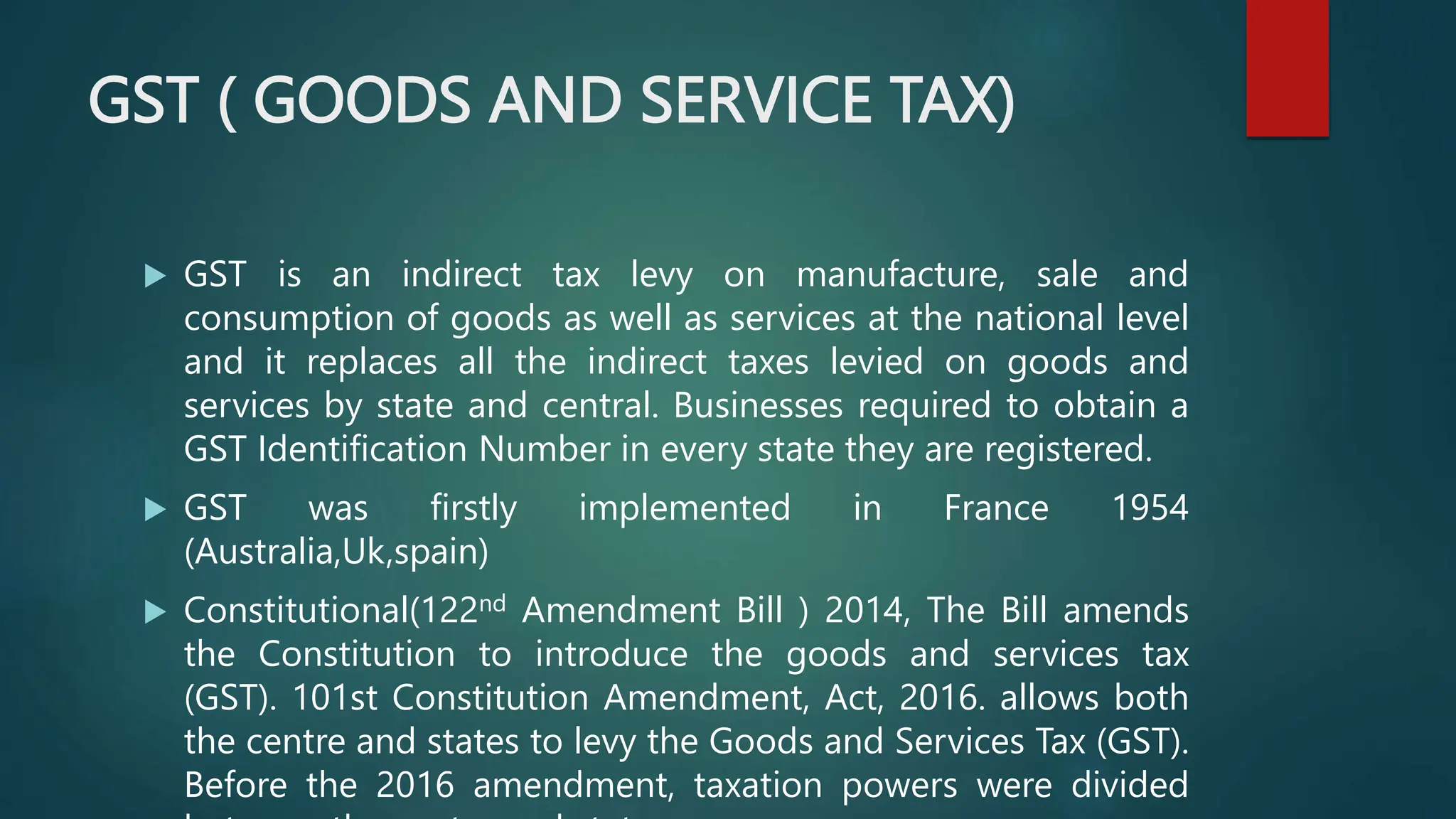
The Goods and Services Tax Identification Number (GSTIN) is a unique 15-digit alphanumeric identifier assigned to every registered business entity under the GST regime in India. It serves as the primary tax identity for businesses, replacing multiple legacy identifiers such as VAT, TIN, and Service Tax registration numbers to streamline indirect tax administration, facilitate compliance, and enable the seamless flow of Input Tax Credit (ITC).
Contents
The implementation of the Goods and Services Tax (GST) represented the most significant tax reform in India’s history, moving the nation toward a "One Nation, One Tax" framework. Central to this system is the GSTIN. Without this identifier, a business cannot legally collect GST from customers or claim credit for taxes paid on its own business purchases. As of 2026, the GST ecosystem has matured into a highly digitized infrastructure where the GSTIN is the cornerstone of every transaction, e-way bill, and tax invoice.
Deconstructing the 15-Digit GST Number Structure
A GST number is not a random sequence of characters. It is a structured code that provides immediate information about the taxpayer's location and legal status. Understanding the components of a GSTIN is essential for verifying the authenticity of a vendor or business partner.
The State Code (Digits 1 and 2)
The first two digits of the GSTIN represent the state code as per the 2011 Indian Census. For example, a business registered in Delhi will have a GSTIN starting with "07," while a business in Maharashtra will start with "27." This allows the tax authorities and the GST portal to automatically categorize transactions as intra-state (subject to CGST and SGST) or inter-state (subject to IGST).
The PAN (Digits 3 to 12)
The next ten digits are the Permanent Account Number (PAN) of the business entity or the individual proprietor. This linkage ensures that the income tax and indirect tax systems are integrated. By including the PAN within the GSTIN, the government can cross-reference the turnover reported in GST returns with the income declared in income tax filings, significantly reducing the scope for tax evasion.
The Entity Code (Digit 13)
The 13th digit indicates the number of registrations a legal entity has within the same state. If a company has only one business vertical or registration in a specific state, this digit will be "1." If they register a second business vertical under the same PAN in the same state, the 13th digit for that second registration will be "2," and so on (up to 9, then moving to alphabetical characters).
The Default Character and Checksum (Digits 14 and 15)
The 14th digit is currently the alphabet "Z" by default for all registrations. The 15th and final digit is a "Checksum" character, which can be a number or an alphabet. This character is used by the GST portal's algorithm to validate the preceding 14 digits, ensuring the GSTIN is typed correctly and is not fraudulent.
Why the GSTIN is Crucial for Business Operations
Possessing a valid GSTIN is more than just a regulatory requirement; it is a fundamental component of modern Indian commerce. The identifier impacts everything from financial liquidity to market reputation.
Claiming Input Tax Credit (ITC)
The primary advantage of the GST system is the removal of the cascading effect of taxes (tax on tax). A business can subtract the GST it has paid on its purchases (Input) from the GST it collects on its sales (Output). However, this "credit" is only available if the business has a valid GSTIN and ensures that its suppliers also have valid GSTINs. If a supplier fails to report a transaction against your GSTIN, the portal will not allow you to claim the ITC, leading to a direct increase in business costs.
Facilitating Inter-State Trade
Under the Indian tax laws, any business engaged in the inter-state supply of goods must be registered under GST, regardless of their annual turnover. The GSTIN acts as the passport for goods moving across state borders. It is a mandatory requirement for generating E-Way bills—the electronic documents required for the movement of goods valued over a certain threshold.
Legal Recognition and Trust
A GSTIN serves as proof of a business's legal existence. Large corporate clients and government agencies generally only deal with GST-registered vendors. Having a GSTIN allows a small business to compete in the formal economy, apply for corporate bank accounts, and participate in formal tendering processes.
Who Must Obtain a GST Number?
Registration requirements are determined by turnover thresholds and the nature of the business activities. As of 2026, the following categories are mandated to have a GSTIN:
- Threshold-Based Registration: Businesses with an aggregate annual turnover exceeding ₹40 lakhs for the supply of goods (or ₹20 lakhs in "Special Category" states) must register. For service providers, the threshold is generally ₹20 lakhs (or ₹10 lakhs in Special Category states).
- Inter-State Suppliers: Any business supplying goods or services from one state to another, regardless of turnover.
- E-commerce Participants: Individuals or companies selling goods through e-commerce operators (like Amazon or Flipkart), as well as the e-commerce platforms themselves.
- Casual Taxable Persons: Individuals who occasionally undertake transactions involving the supply of goods or services in a state where they do not have a fixed place of business.
- Non-Resident Taxable Persons: Non-residents who occasionally supply goods or services in India.
- Reverse Charge Payers: Entities that are required to pay tax under the reverse charge mechanism (where the recipient of the goods/services pays the tax instead of the supplier).
How to Identify and Verify a GST Number
In a digital-first economy, verifying the GSTIN of your vendors is a critical part of due diligence. Dealing with a business using a fake or canceled GSTIN can result in the loss of Input Tax Credit and potential legal scrutiny.
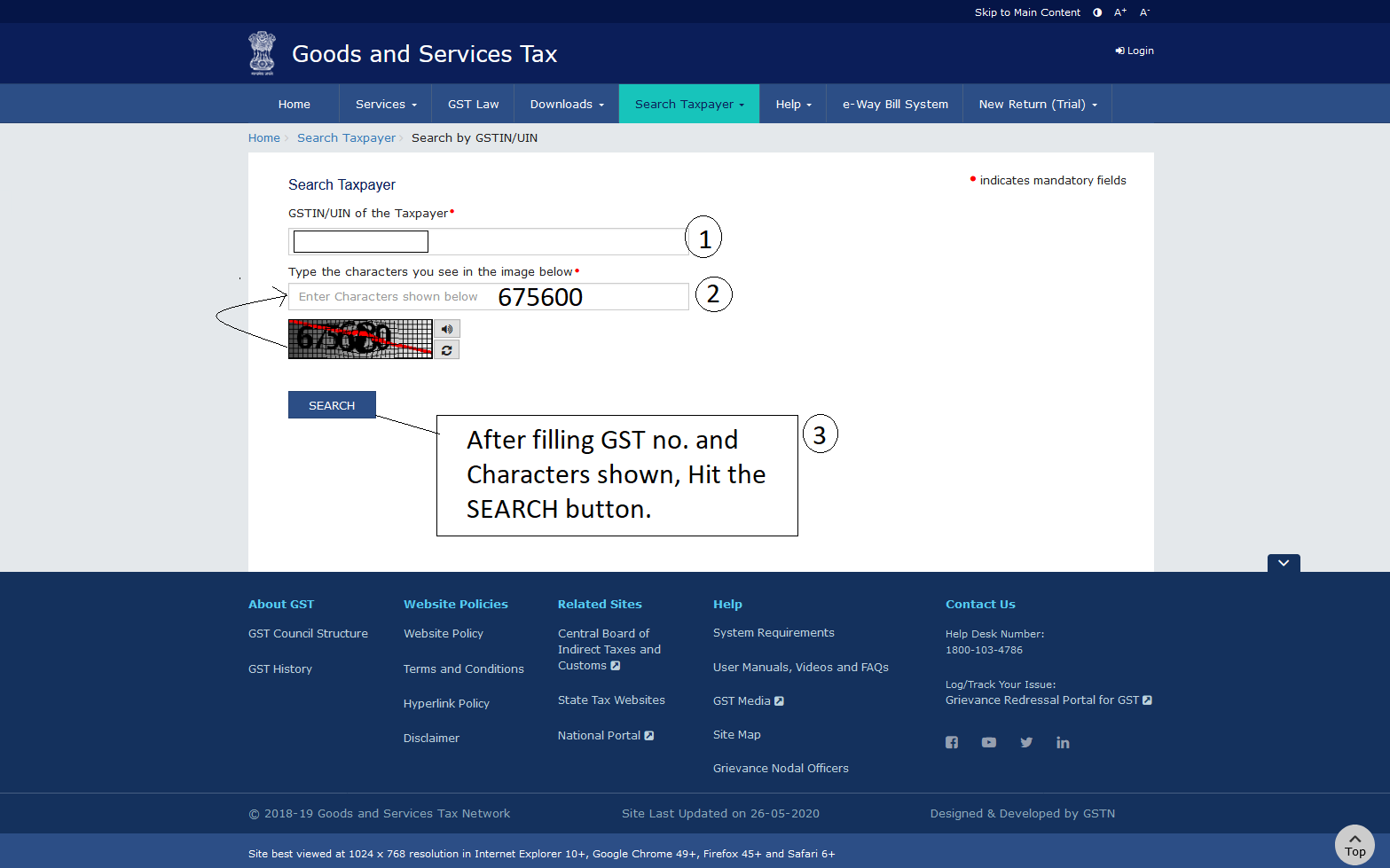
To verify a GSTIN, one should use the official GST Portal (gst.gov.in). The "Search Taxpayer" feature allows anyone to enter a GSTIN and view the following details:
- Legal name of the business.
- State of registration.
- Date of registration.
- Constitution of business (e.g., Partnership, Proprietorship, Public Limited Company).
- Taxpayer type (Regular, Composition, etc.).
- GSTIN Status (Active, Canceled, or Suspended).
If the search returns "Active," the business is compliant. If it shows "Canceled" or "Suspended," any tax paid to that vendor likely cannot be claimed as ITC.
Comparing GSTIN with Other Tax Identifiers
It is common for new entrepreneurs to confuse GSTIN with other tax-related identification numbers. The following table clarifies the distinctions between the three primary tax IDs used in India.
| Feature | GSTIN (GST Identification Number) | PAN (Permanent Account Number) | TAN (Tax Deduction Account Number) |
|---|---|---|---|
| Primary Purpose | Identification for Indirect Taxes (GST) | Identification for Direct Taxes (Income Tax) | Identification for Tax Deduction at Source (TDS) |
| Administering Body | Central/State GST Departments | Income Tax Department | Income Tax Department |
| Structure | 15-digit alphanumeric | 10-digit alphanumeric | 10-digit alphanumeric |
| Mandatory for | Businesses exceeding turnover thresholds or inter-state trade | All taxpayers and entities earning taxable income | Entities required to deduct or collect tax at source |
| Linkage | Contains the PAN as a core component | Basis for GSTIN and TAN | Linked to the entity's PAN |
Practical Challenges and Compliance
Managing a GSTIN requires ongoing maintenance. A common mistake made by businesses is the failure to update their "Principal Place of Business" on the GST portal when moving offices. This can lead to the suspension of the GSTIN during a physical verification drive by tax officers.
Furthermore, businesses operating in multiple states must have a separate GSTIN for each state. For example, if a consulting firm has offices in Bangalore and Mumbai, it must have two distinct GSTINs—one starting with "29" and the other with "27"—and maintain separate accounts and filings for each.
As we progress through 2026, the GST Network (GSTN) has integrated more robust AI and machine learning tools to detect "Circular Trading," where businesses issue invoices without actually moving goods just to pass on ITC. Therefore, ensuring your GSTIN is associated with genuine, documented transactions is more critical than ever to avoid penalties that can reach 100% of the tax amount involved.
Frequently Asked Questions
Can I have more than one GST number?
Yes. If you operate in multiple states, you are required by law to have a separate GSTIN for each state. Additionally, within a single state, you may opt for multiple GSTINs if you have different business verticals (e.g., one for manufacturing and one for retail) for better accounting clarity, though this is optional.
What happens if I use an incorrect GSTIN on an invoice?
Using an incorrect GSTIN on a tax invoice is a serious compliance error. The buyer will not be able to see the transaction in their GSTR-2B (auto-drafted ITC statement), preventing them from claiming Input Tax Credit. In such cases, the supplier must issue a Credit Note to cancel the incorrect invoice and issue a new, corrected invoice.
Is the GSTIN the same as the GST registration certificate?
No. The GSTIN is the identification number itself. The GST registration certificate (Form REG-06) is the official document issued by the government that contains the GSTIN, along with the business name, address, and date of liability. Business owners are legally required to display their GST registration certificate in a prominent location at their place of business.
How much does it cost to get a GST number?
There is no government fee for applying for a GSTIN through the official portal. However, businesses often hire chartered accountants or tax consultants to manage the documentation and filing process, which may involve professional service fees.
Can a GSTIN be canceled?
Yes, a GSTIN can be canceled voluntarily by the taxpayer (if the business closes) or by the tax authorities. Authorities may cancel a GSTIN if the taxpayer fails to file returns for a continuous period (usually six months), obtained registration through fraud, or violates specific provisions of the GST Act.
Professional Recommendation
For any business owner or financial officer in 2026, the GSTIN should be treated as a vital asset. It is recommended to conduct a monthly reconciliation between your purchase register and the GSTR-2B portal to ensure all suppliers are correctly reporting your GSTIN. If a supplier's GSTIN appears as "Suspended" or "Inactive" on the portal, immediately withhold the tax portion of their payment until they regularize their status. Maintaining a "clean" GST profile is not just about avoiding fines; it is essential for maintaining the cash flow and credibility required for long-term growth in the Indian market.
Image Gallery