Is the Philippines Part of Southeast Asia? Geography, Identity, and Geopolitical Status in 2026
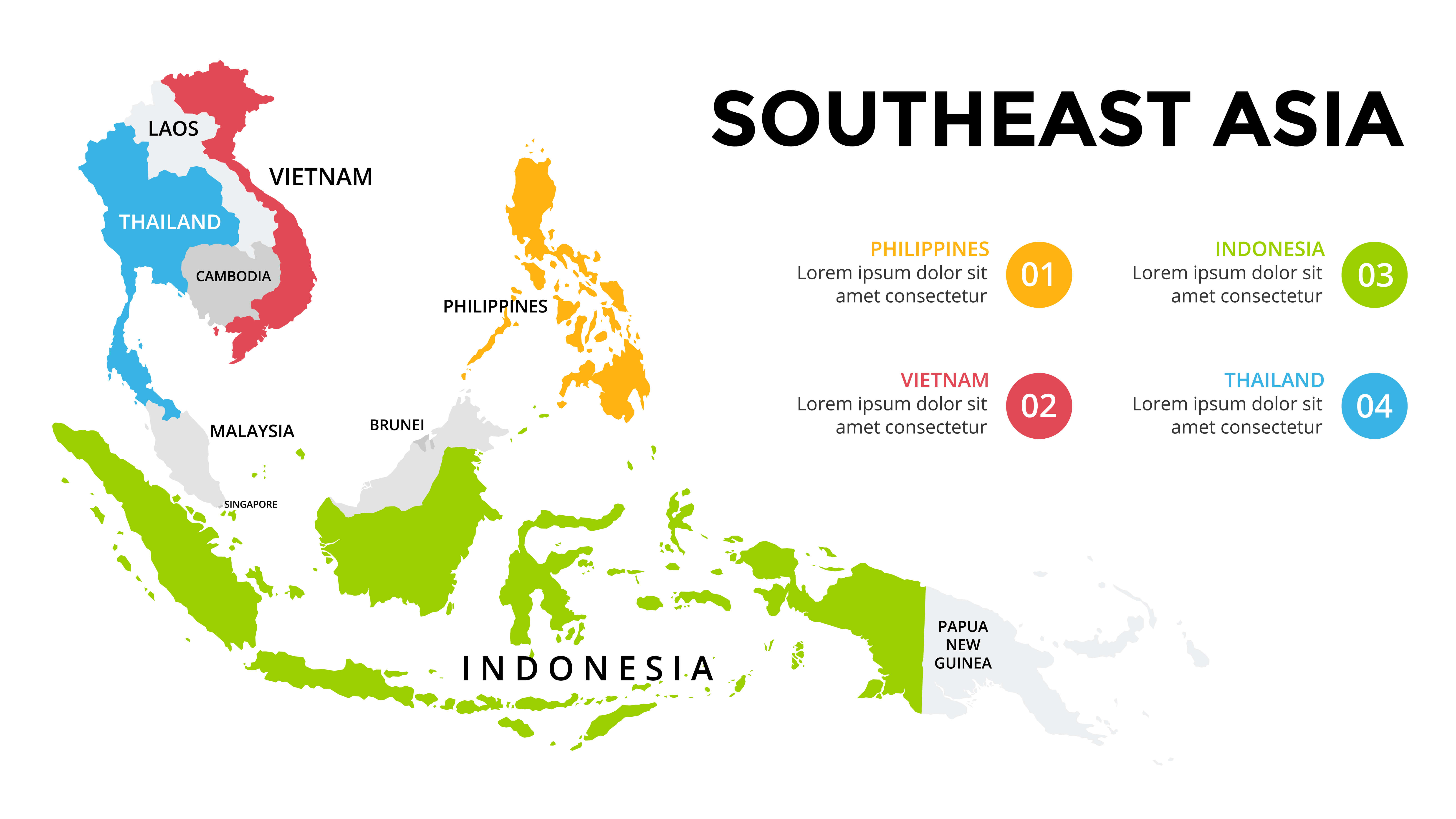
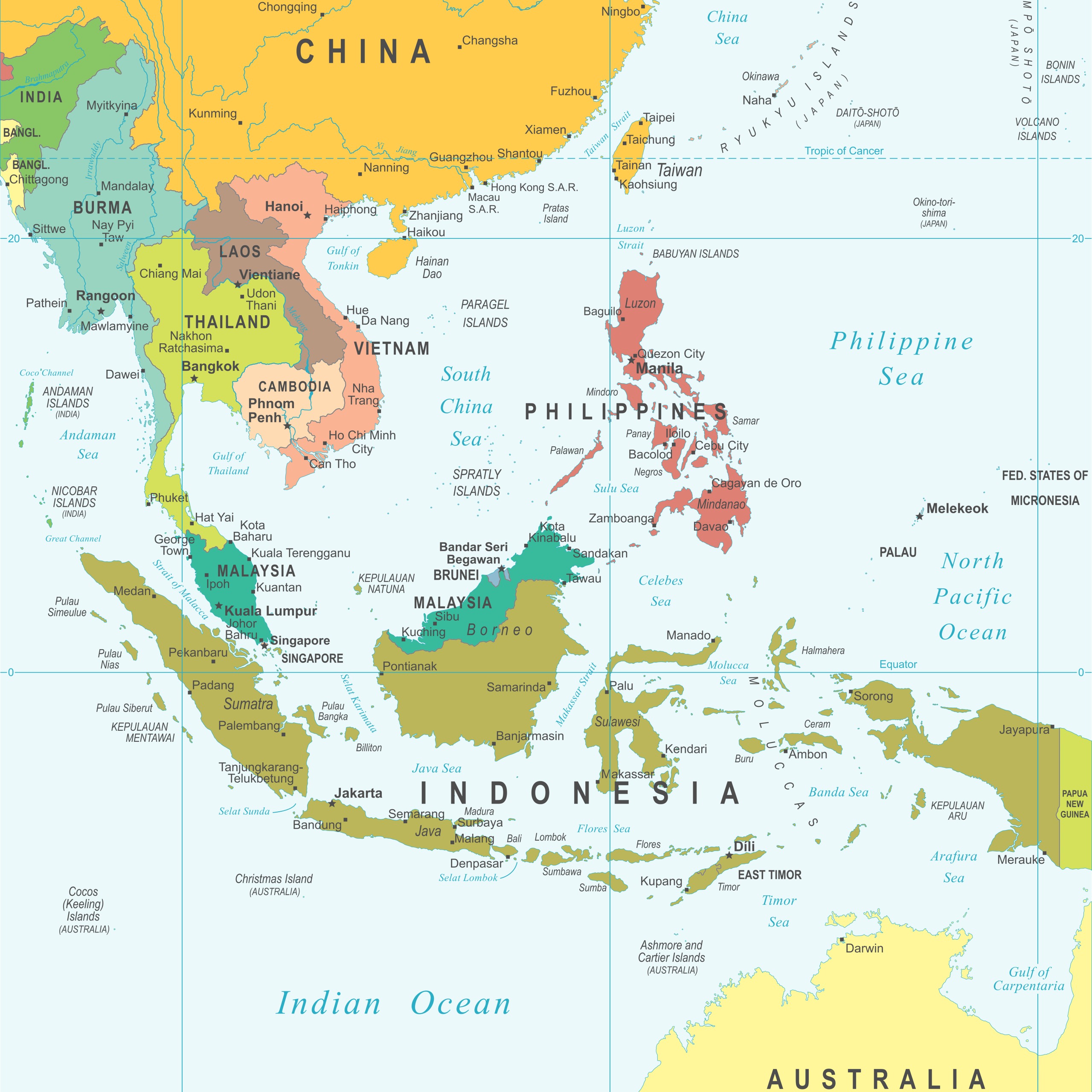
Yes, the Philippines is a sovereign archipelagic nation located entirely within Southeast Asia. It is situated on the eastern edge of the region, serving as a natural boundary between the South China Sea to the west and the Philippine...
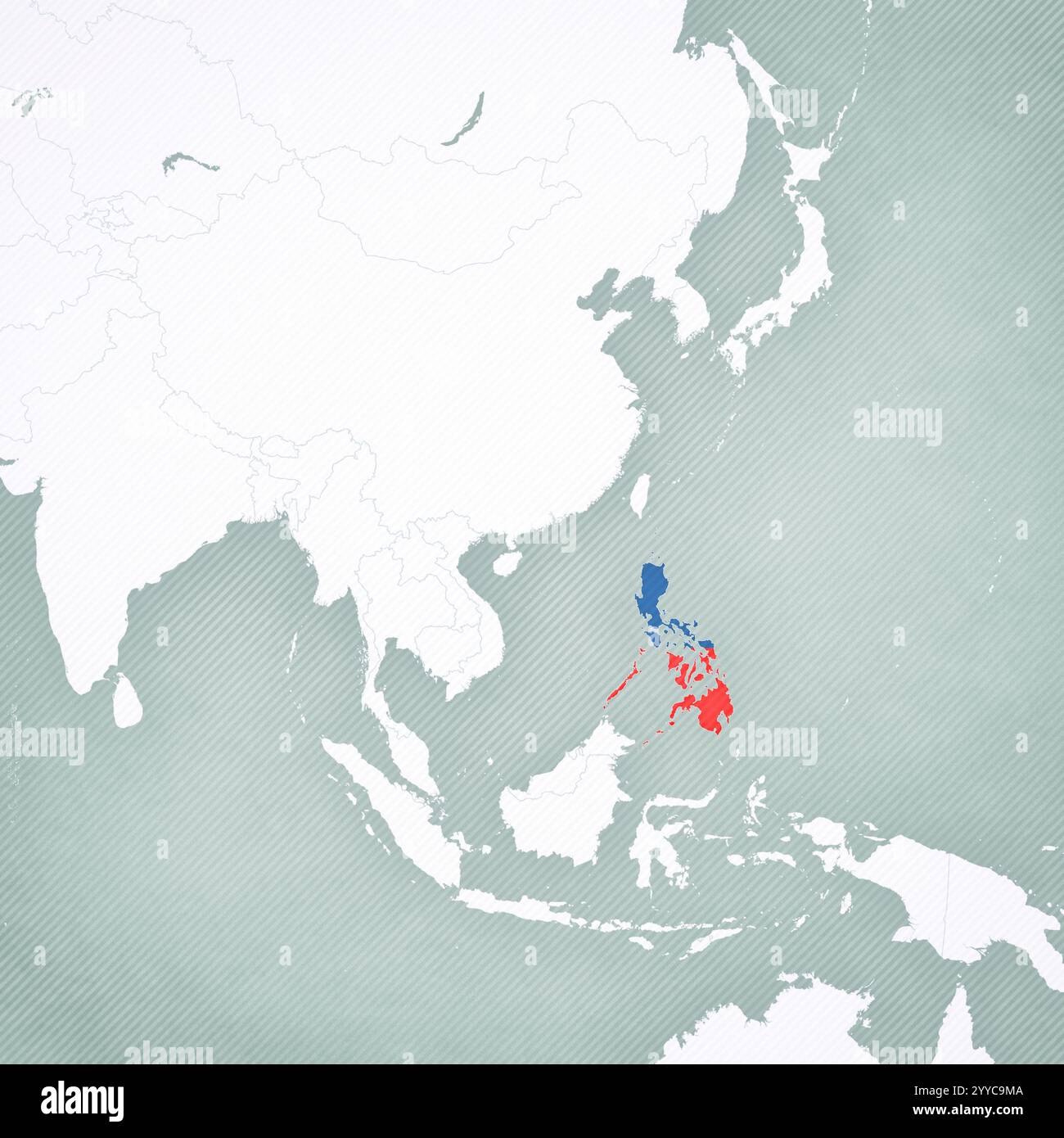
Yes, the Philippines is a sovereign archipelagic nation located entirely within Southeast Asia. It is situated on the eastern edge of the region, serving as a natural boundary between the South China Sea to the west and the Philippine Sea to the east. As a founding member of the Association of Southeast Asian Nations (ASEAN), it is a central pillar of the region's political and economic identity.
Contents
For decades, the question of whether the Philippines belongs to Southeast Asia has occasionally surfaced in academic and travel circles, often due to the country’s unique colonial history and its relative geographic isolation as an archipelago. However, in 2026, the Philippines’ role within the region is more defined than ever. To understand its place in the world, one must look at the intersection of its physical geography, its deep-rooted Austronesian heritage, and its modern strategic positioning within the Indo-Pacific.
The Geographic Definition: Maritime Southeast Asia
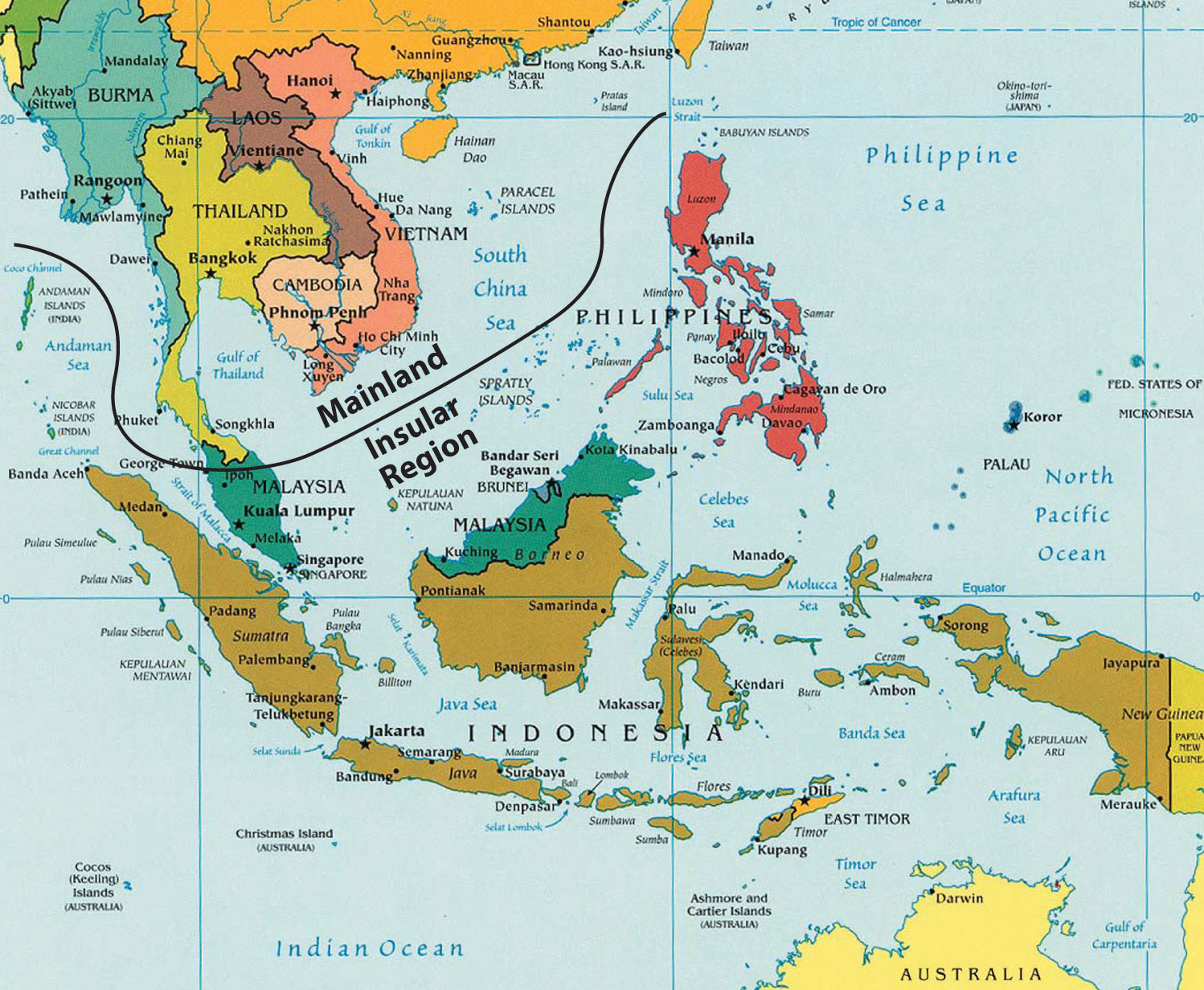
Southeast Asia is traditionally divided into two distinct sub-regions: Mainland Southeast Asia (Indochina) and Maritime Southeast Asia (the Malay Archipelago). The Philippines falls squarely into the latter. Geographically, the country is an archipelago consisting of approximately 7,641 islands, located about 500 miles (800 kilometers) off the coast of Vietnam and north of Indonesia and Malaysia.
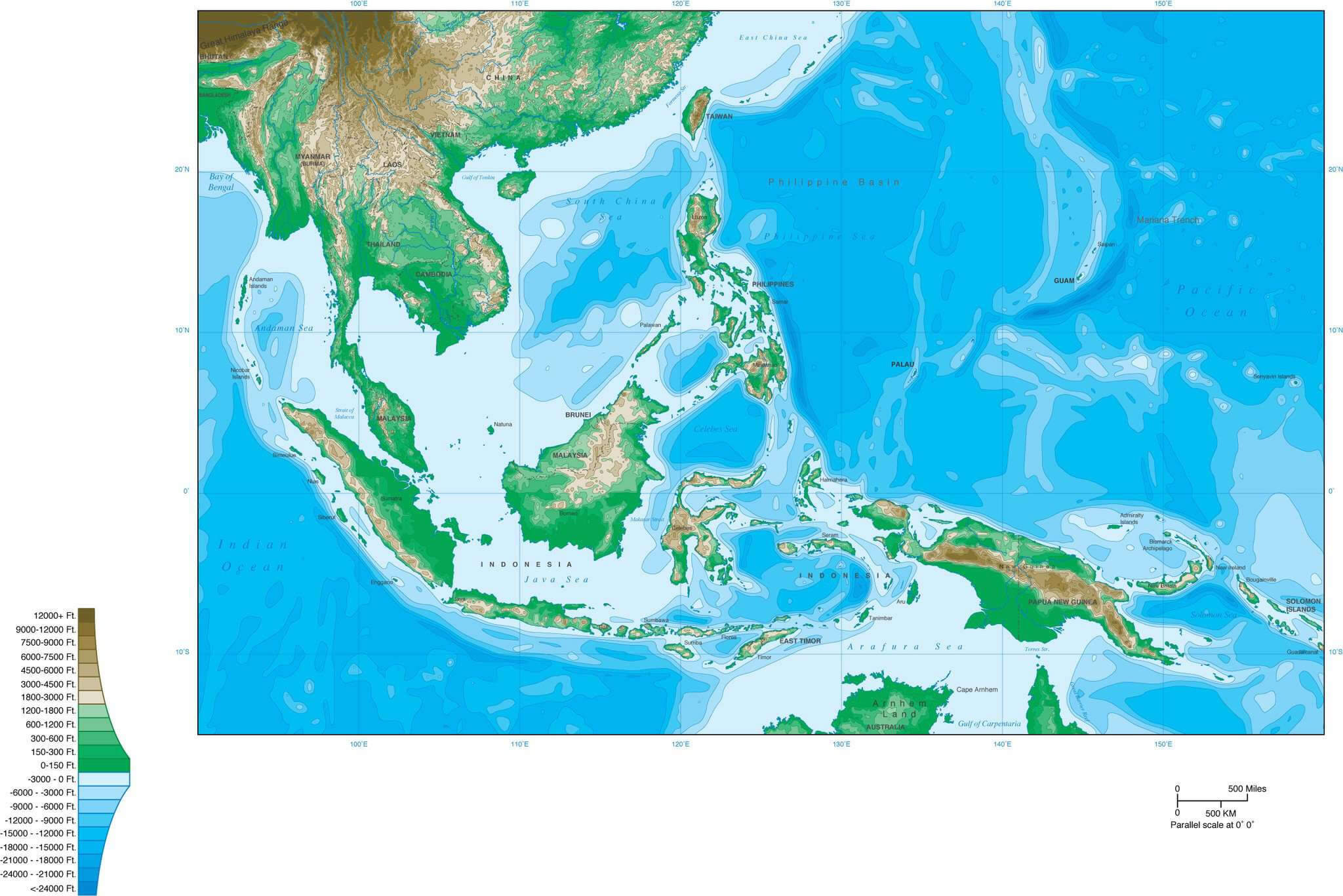
The country’s northernmost islands, the Batanes group, are remarkably close to Taiwan, leading some to mistakenly associate the Philippines with East Asia. However, the tectonic and biological characteristics of the islands align with the broader Southeast Asian region. The Philippines sits on the Pacific Ring of Fire and the Philippine Mobile Belt, a complex plate boundary that shares geological similarities with Indonesia.
Furthermore, the "Wallace Line" and other biogeographical boundaries illustrate that the flora and fauna of the Philippines are intrinsically linked to the Sundaland region, which includes the Malay Peninsula and the larger Sunda Islands. While the Philippines has a high degree of endemism—species found nowhere else—its evolutionary roots are firmly planted in the tropical ecosystems characteristic of Southeast Asia.
Geopolitical Integration: A Founding Member of ASEAN
If geography provides the physical evidence, geopolitics provides the structural confirmation. The Philippines was one of the five original signatories of the Bangkok Declaration on August 8, 1967, which established the Association of Southeast Asian Nations (ASEAN). Alongside Indonesia, Malaysia, Singapore, and Thailand, the Philippines helped create the framework that now defines regional cooperation in this part of the world.
As of 2026, the Philippines remains a proactive leader within ASEAN. Its membership is not merely a formality; it is a core component of its national security and economic strategy. The country participates in the ASEAN Economic Community (AEC), which facilitates the free movement of goods, services, and skilled labor across the ten (and recently expanding) member states. This integration has been vital for the Philippines as it navigates the complexities of the 21st-century global economy.
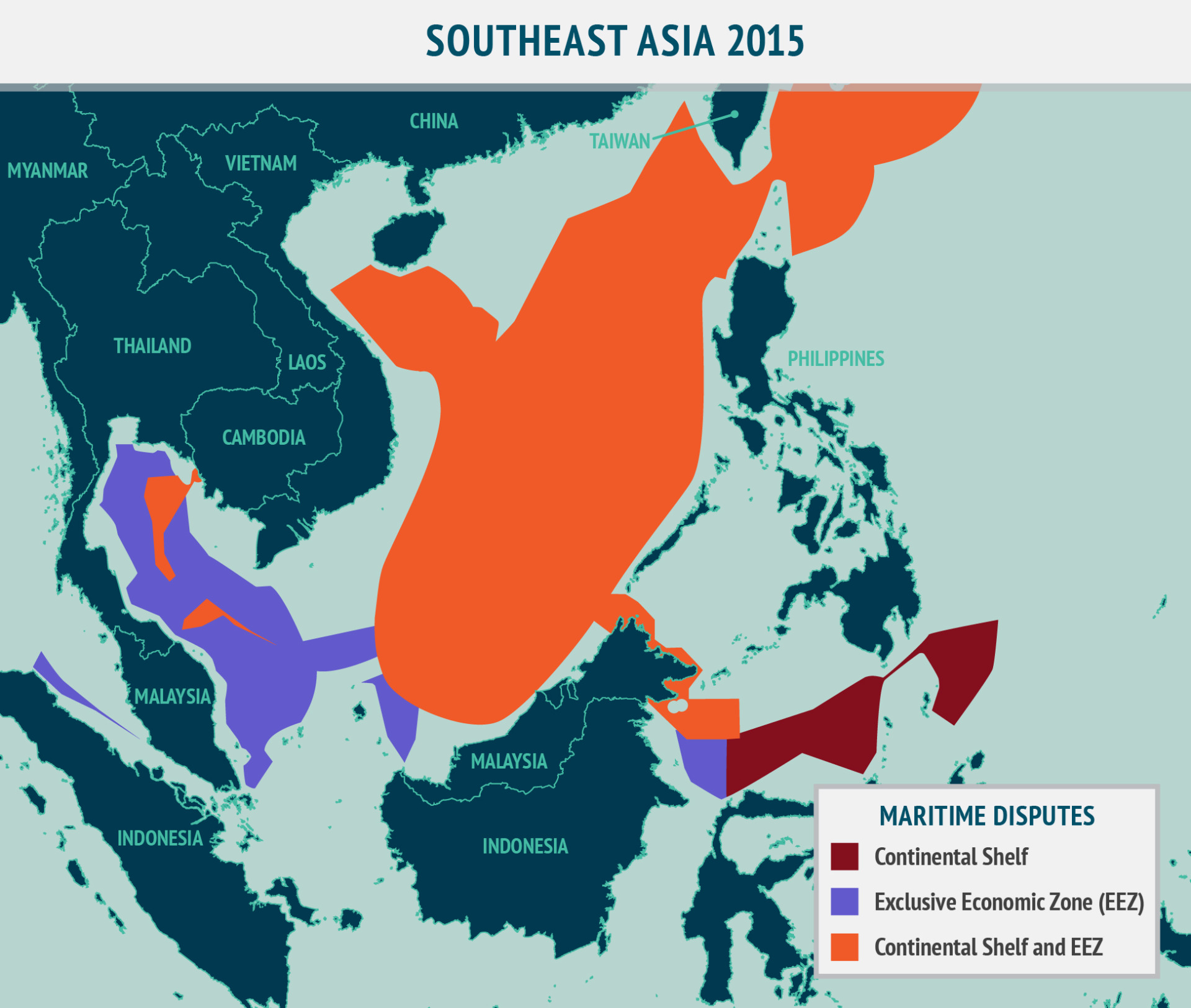
The strategic importance of the Philippines in Southeast Asia is also highlighted by its position in the South China Sea—referred to locally as the West Philippine Sea. As a maritime nation, the Philippines is at the forefront of regional discussions regarding maritime security, freedom of navigation, and the United Nations Convention on the Law of the Sea (UNCLOS). Its actions and policies are central to the collective security interests of all Southeast Asian nations.
Cultural and Ethnic Roots: The Austronesian Connection
A common source of confusion regarding the Philippines' regional identity is its heavy Spanish and American colonial influence, which sets it apart from its predominantly Buddhist or Muslim neighbors. For over 300 years, the Philippines was a colony of Spain, followed by nearly 50 years of American rule. This resulted in a majority Catholic population and the widespread use of English, leading some to view the Philippines as a "Westernized" outlier in Asia.
However, beneath these colonial layers lies a profound Austronesian heritage. The indigenous peoples of the Philippines share the same ancestral roots as the populations of Indonesia, Malaysia, and the Pacific Islands. This is evident in:
- Language: The various Philippine languages, such as Tagalog, Cebuano, and Ilocano, belong to the Malayo-Polynesian branch of the Austronesian language family. Words for basic concepts—like "stone" (bato), "eye" (mata), and "pig" (baboy)—are often nearly identical across the maritime region.
- Social Structure: The pre-colonial "Barangay" system of the Philippines mirrors the "Kampung" structures found in Malaysia and Indonesia, emphasizing community-based leadership and maritime-oriented trade.
- Customs and Traditions: From weaving patterns to agricultural techniques (such as the rice terraces in the Cordilleras), the traditional practices of the Philippines are deeply synchronized with the rhythms of Southeast Asian life.
| Feature | Philippines | Indonesia | Thailand | Vietnam |
|---|---|---|---|---|
| Regional Sub-group | Maritime | Maritime | Mainland | Mainland |
| ASEAN Entry Year | 1967 (Founder) | 1967 (Founder) | 1967 (Founder) | 1995 |
| Primary Religion | Christianity (Catholicism) | Islam | Buddhism | Buddhism/Folk |
| Official Language Family | Austronesian | Austronesian | Kra-Dai | Austroasiatic |
| Currency | Philippine Peso (PHP) | Indonesian Rupiah (IDR) | Thai Baht (THB) | Vietnamese Dong (VND) |
The Philippines' Role in the Regional Economy of 2026
In 2026, the Philippines is no longer seen as the "sick man of Asia" but as one of the region’s most dynamic economies. Its status within Southeast Asia is cemented by its participation in the Regional Comprehensive Economic Partnership (RCEP), the world’s largest free-trade agreement. The Philippines serves as a critical node in regional supply chains, particularly in the electronics, semiconductors, and business process outsourcing (BPO) sectors.
The country’s economic destiny is inseparable from its neighbors. Intra-ASEAN trade accounts for a significant portion of Philippine imports and exports. Furthermore, the "Build Better More" infrastructure initiatives of the mid-2020s have focused on improving connectivity with regional partners through enhanced maritime ports and digital infrastructure. This physical and digital "bridging" ensures that the Philippines remains an integral part of the Southeast Asian economic engine.
Addressing the "Latin American of Asia" Moniker
The Philippines is sometimes jokingly referred to as the "Latin American country that got lost in Asia." While this highlights the cultural similarities—such as the prevalence of Spanish surnames, town plazas, and Catholic festivals—it is an oversimplification. Unlike Latin American nations, the Philippines' proximity to the Asian mainland and its prehistoric migrations have created a unique hybridity.
In the modern era, the Philippines has actively worked to re-embrace its Asian identity. In 2026, educational curricula and cultural diplomacy programs emphasize the "Sama-sama" (togetherness) spirit that aligns with the "ASEAN Way." The country recognizes that while its history is global, its geography and its future are irrevocably Southeast Asian.
Practical Considerations for Travelers and Professionals
Understanding that the Philippines is part of Southeast Asia has practical implications for those moving through the region.
- Visa and Immigration: Citizens of other ASEAN member states enjoy visa-free entry to the Philippines for tourism and short-term business, a reciprocal arrangement that facilitates regional mobility.
- Trade and Logistics: Businesses operating in the Philippines benefit from ASEAN-wide tariffs and trade protocols, making it a strategic entry point for the broader regional market.
- Climate and Preparation: Travelers should expect a tropical maritime climate similar to that of Thailand or Indonesia, characterized by a wet season and a dry season, rather than the four-season cycle found in East Asian neighbors like Japan or Korea.
Frequently Asked Questions
Why do some people think the Philippines is in East Asia?
The misconception often arises due to the Philippines' close proximity to Taiwan and its historical ties to the United States and Spain, which are frequently contrasted with the "typical" Asian experience. Additionally, the Philippines’ northernmost islands are geographically closer to Taipei than to Manila, but the nation’s political, cultural, and tectonic affiliations are firmly Southeast Asian.
Is the Philippines part of the "Indo-Pacific" region?
Yes. The term "Indo-Pacific" is a broader geopolitical construct that encompasses the Indian Ocean and the Pacific Ocean. While the Philippines is a member of Southeast Asia (a sub-region), it is also a key player in the Indo-Pacific strategy due to its location along major international shipping lanes and its alliance with various global powers.
Does the Philippines share land borders with other Southeast Asian countries?
No. The Philippines is an archipelagic nation and does not share a land border with any other country. Its closest maritime neighbors are Taiwan to the north, Malaysia and Indonesia to the south and southwest, and Vietnam to the west.
What is the primary language in the Philippines compared to its neighbors?
Filipino (based on Tagalog) and English are the official languages. While the vocabulary has been influenced by Spanish and English, the grammatical structure of Filipino is Austronesian, making it linguistically related to Bahasa Indonesia and Bahasa Melayu.
Is the Philippines considered a "Maritime" or "Mainland" country?
The Philippines is strictly a "Maritime" Southeast Asian country. This categorization is shared with Indonesia, Malaysia (partially), Singapore, Brunei, and Timor-Leste.
Summary of Regional Status
The Philippines is a cornerstone of Southeast Asia. From its prehistoric Austronesian migrations to its current role as a vocal member of ASEAN in 2026, its identity is inseparable from the region. While it possesses a unique cultural blend of East and West, its geographic location, ethnic heritage, and economic dependencies all confirm its place within the vibrant and diverse tapestry of Southeast Asia.
For those planning to visit, invest, or study the region, recognizing the Philippines as an integral part of the Southeast Asian community is essential for accurate cultural and professional engagement.
Image Gallery