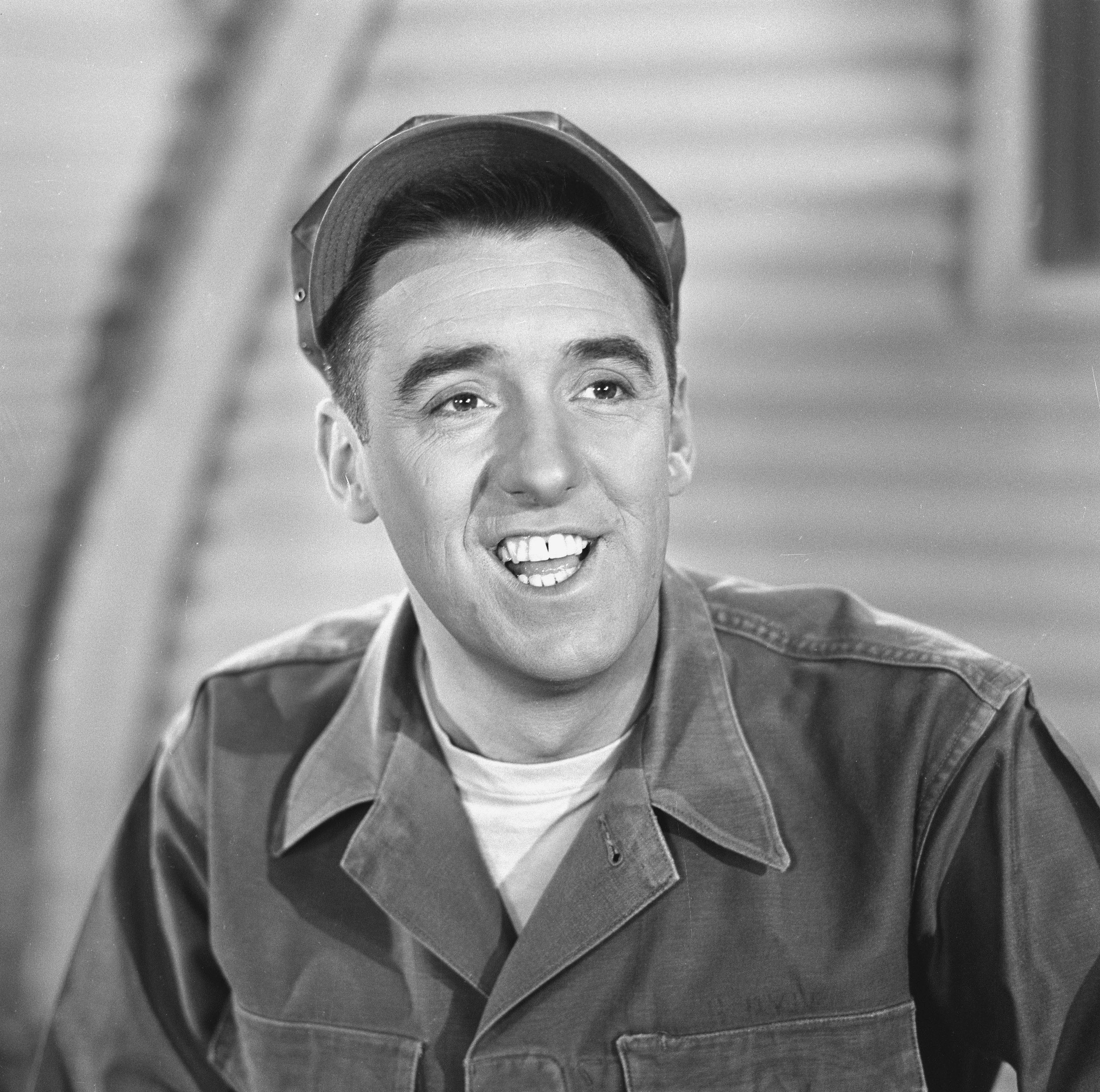
Was Jim Nabors Gay? A Historical Examination of the TV Legend's Life
Jim Nabors was gay, a fact that he officially confirmed to the public in early 2013. Although he maintained a deeply private personal life during the height of his television stardom in the 1960s and 1970s, he eventually married his pa...
Jim Nabors was gay, a fact that he officially confirmed to the public in early 2013. Although he maintained a deeply private personal life during the height of his television stardom in the 1960s and 1970s, he eventually married his partner of 38 years, Stan Cadwallader, shortly after same-sex marriage became legal in Washington state.
Contents
Jim Nabors remains one of the most beloved figures in American television history, best known for his portrayal of the bumbling but gold-hearted Gomer Pyle. For decades, Nabors occupied a unique space in the cultural zeitgeist: a man with a booming, operatic baritone voice who played a high-pitched, naive Marine. While his professional life was lived in the bright lights of Hollywood and the grand arenas of the Indianapolis 500, his personal life was a subject of intense speculation for years. As we look back from 2026, the historical examination of Nabors’ life offers a profound look at the intersection of celebrity, privacy, and the evolution of LGBTQ+ rights in the United States.
The Public Persona vs. The Private Reality
Jim Nabors rose to national prominence in 1962 when he was discovered by Andy Griffith at a cabaret in Santa Monica. Griffith cast him as Gomer Pyle on The Andy Griffith Show, a role so successful it spawned the spin-off Gomer Pyle, U.S.M.C. The character of Gomer was defined by an almost childlike innocence and a distinct lack of romantic entanglements, which suited the conservative broadcasting standards of the era.
During the 1960s, the "closet" was not merely a social preference but a professional necessity for actors. The "Morality Clauses" in studio contracts often allowed networks to terminate performers for any behavior deemed "scandalous" or "immoral" by the standards of the time. For Nabors, whose character was the epitome of wholesome Americana, any public revelation regarding his sexuality could have ended his career instantly. Consequently, Nabors lived what many in Hollywood called an "open secret" existence—well-known to his friends and colleagues, but carefully shielded from the general public.
This shielding was aided by Nabors' move to Hawaii in the 1970s. By relocating to a macadamia nut farm in East Oahu, he effectively stepped away from the relentless scrutiny of the Los Angeles paparazzi. In Hawaii, he was able to live a more authentic life while still maintaining a public-facing career as a singer and occasional actor.
The Infamous Rock Hudson Urban Legend
One of the most persistent and damaging pieces of misinformation regarding Jim Nabors’ personal life was the "Rock Hudson Marriage Hoax." In the early 1970s, a viral rumor—circulated via a typed, photocopied "invitation"—claimed that Nabors and movie star Rock Hudson were planning to marry and change their names to "Rock Pyle" and "Gomer Hudson."
While today such a rumor might be debunked in minutes on social media, in the 1970s it spread through social circles and gossip columns with devastating speed. The rumor was entirely false; while Nabors and Hudson were friends and part of the same social circles, they were never romantically involved. The hoax had a chilling effect on their friendship. Nabors later remarked that the two stars were never able to be seen in public together again for fear of fueling the fires of the tabloid press.
This incident highlights the atmosphere of the era. At the time, Rock Hudson was the ultimate cinematic leading man, and Nabors was the face of military wholesomeness. The rumor was used as a weapon to mock both men, utilizing their supposed secret lives as the punchline of a joke that neither could publicly address without confirming the very thing they were trying to keep private.
The Relationship with Stan Cadwallader
In 1975, Jim Nabors met Stan Cadwallader, a firefighter in Honolulu. The two began a relationship that would last the rest of Nabors’ life. Cadwallader eventually left the fire department to work with Nabors, helping manage his business affairs and personal life.
The longevity of their partnership—spanning nearly 40 years before their marriage—stands as a testament to their commitment. During those four decades, Cadwallader was often referred to as Nabors’ "business associate" or "traveling companion" in public materials. However, within their community in Honolulu and among Nabors' close friends in the entertainment industry, the nature of their relationship was understood and respected.
Key Milestones in Jim Nabors' Life and Relationship
| Year | Event | Significance |
|---|---|---|
| 1930 | Born in Sylacauga, Alabama | Nabors' early life in the segregated South shaped his private nature. |
| 1962 | Debut on The Andy Griffith Show | The birth of the Gomer Pyle persona. |
| 1970s | Move to Hawaii | Nabors seeks privacy and begins a new chapter as a resident of Oahu. |
| 1975 | Meets Stan Cadwallader | The beginning of a 42-year partnership. |
| 1980s | False Rock Hudson Rumors Peak | A period of intense tabloid scrutiny regarding his sexuality. |
| 2013 | Marriage to Stan Cadwallader | Nabors officially comes out and marries his partner in Seattle. |
| 2017 | Death in Honolulu | Nabors passes away at age 87 with Cadwallader by his side. |
The 2013 Marriage and Coming Out
The most significant turning point in the historical record of Nabors’ life occurred on January 15, 2013. At the age of 82, Jim Nabors traveled from Hawaii to Seattle, Washington. Same-sex marriage had been legalized in Washington state just weeks prior, whereas Hawaii’s legislation on the matter was still in flux at that moment.
In a quiet ceremony at the Fairmont Olympic Hotel, Nabors and Cadwallader were married by a judge. Shortly after the ceremony, Nabors spoke with Hawaii News Now, confirming the marriage and his sexual orientation for the first time on the record. His explanation for why he chose that moment to come out was poignant and practical.
"I’m 82, and I want to be able to use my own name on things," Nabors said. "I’m not a shame of it. I just didn't want to talk about it." He emphasized that he had never been a political activist, but that he felt it was important for his partner to have the legal protections and recognition that marriage provided, especially given their advanced ages.
The public reaction to the news was overwhelmingly positive. By 2013, the cultural landscape of America had shifted significantly since the days of Gomer Pyle, U.S.M.C. Fans who had grown up with Nabors' voice and characters celebrated his happiness, seeing the marriage as a long-overdue formalization of a devoted relationship.
Cultural Impact and Legacy
The historical significance of Jim Nabors being a gay man lies in the contrast between his personal identity and his public "brand." For much of his career, Nabors was a favorite of conservative, Middle-American audiences. He was a regular performer at the Indianapolis 500, where his rendition of "Back Home Again in Indiana" became a sacred tradition.
Nabors' ability to maintain his status as a beloved icon of traditional American values while living as a gay man suggests a nuanced reality of the 20th century: the public often "knew" more than they were willing to acknowledge, provided the celebrity maintained a certain level of discretion. However, his decision to marry and speak out in his 80s provided a powerful coda to his life. It served as a reminder that the quest for legal recognition and dignity is not limited to the young.
Nabors' death in November 2017 marked the end of an era. He passed away peacefully at his home in Honolulu, survived by his husband, Stan Cadwallader. In the years following his death, biographical accounts have increasingly focused on his bravery in maintaining a 42-year relationship in an industry that was, for much of that time, hostile to his existence.
Frequently Asked Questions
Did Jim Nabors ever have a wife?
No, Jim Nabors was never married to a woman. Throughout his life, there were occasional "studio-arranged" dates for publicity purposes during the 1960s, but he never entered into a legal marriage until his 2013 wedding to Stan Cadwallader.
How did the Rock Hudson rumors affect Jim Nabors?
The rumors were deeply upsetting to Nabors. In several interviews later in life, he explained that the false story about him marrying Rock Hudson was not only a lie but a mean-spirited joke that damaged his reputation and his friendship with Hudson. Because homosexuality was so stigmatized at the time, neither man felt they could publicly defend themselves without making the situation worse.
Who was Stan Cadwallader?
Stan Cadwallader was a former firefighter who met Jim Nabors in 1975. He became Nabors' life partner and eventually his husband. Cadwallader remained out of the spotlight for most of their relationship but was Nabors' primary caregiver and companion until the actor's death in 2017.
Why did Jim Nabors wait until 2013 to come out?
Nabors was a very private individual who grew up in an era when being gay was both a social taboo and a career-ending revelation. He stated in 2013 that while he had never made a secret of his life among friends and family, he didn't feel the need to have a public "debate" about his sexuality until he reached a point where he wanted the legal rights associated with marriage.
Was Jim Nabors' career affected by his marriage?
By the time Nabors married in 2013, he was largely retired from acting, though he still performed occasionally. The announcement did not negatively impact his legacy; in fact, he continued to be honored by organizations like the Indianapolis Motor Speedway and the Marine Corps until his death.
Recommended Further Actions
For those interested in a deeper historical dive into the life of Jim Nabors and the era of Hollywood he inhabited, the following steps are recommended:
- Review the Archives of Hawaii News Now: Seek out the original 2013 interview where Nabors discusses his marriage; it provides the most direct insight into his personal philosophy on privacy and identity.
- Study the "Lavender Scare" in Hollywood: To understand why Nabors remained private for so long, research the political and social pressures placed on LGBTQ+ entertainers during the mid-20th century.
- Explore Nabors’ Philanthropy in Hawaii: Much of his later life was dedicated to supporting local Hawaiian causes, which offers a broader picture of his character beyond his television roles.
Jim Nabors’ life serves as a historical bridge between two very different Americas—one where his identity had to be hidden to survive, and another where it could finally be celebrated in the eyes of the law.
Image Gallery