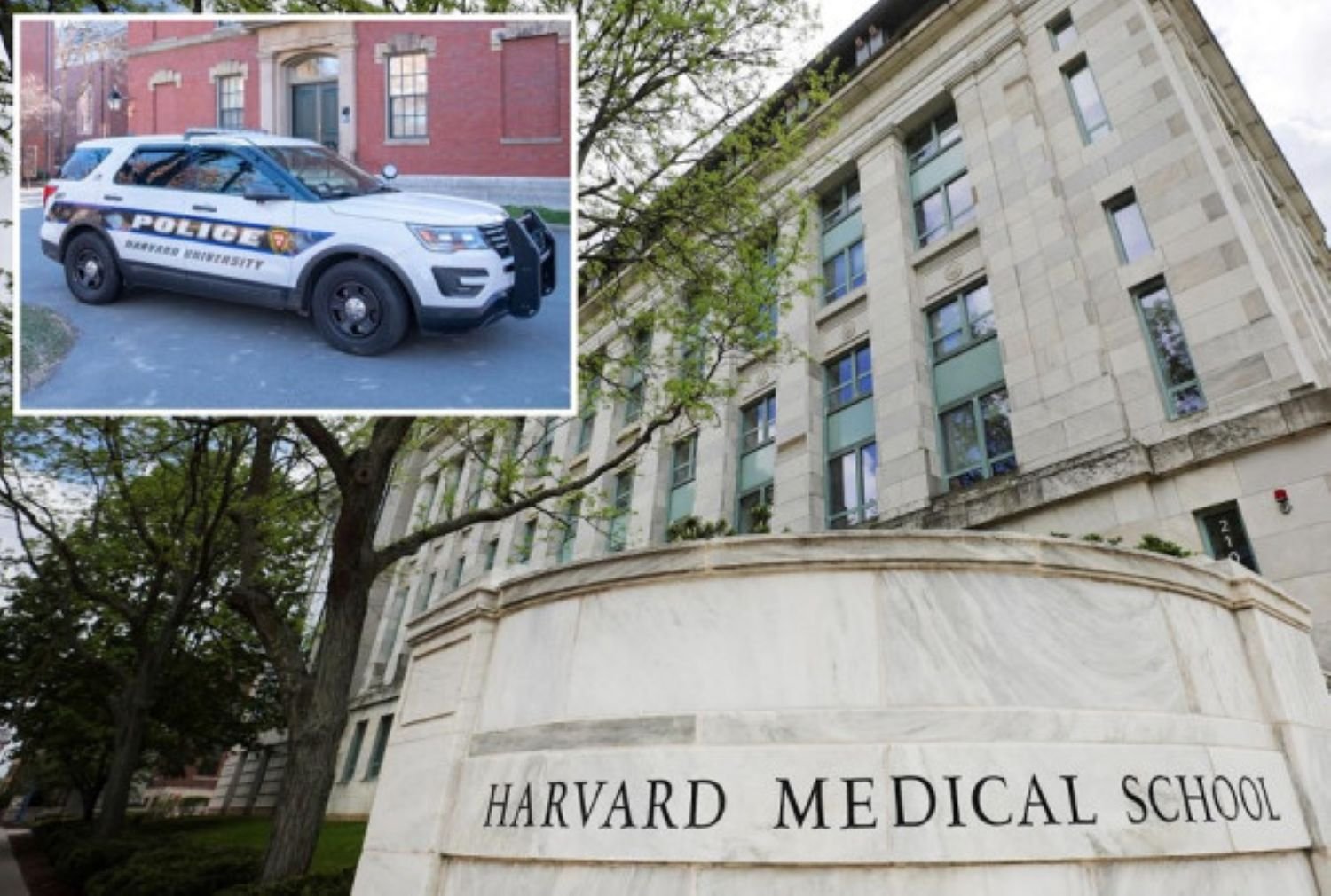
Understanding Safety Protocols and Historical Incidents of Explosions at Harvard University
The term "explosion Harvard University" refers to both historical security incidents and laboratory accidents, notably the 2009 Mallinckrodt chemical explosion. In 2026, Harvard manages these risks through stringent Environmental Healt...
The term "explosion Harvard University" refers to both historical security incidents and laboratory accidents, notably the 2009 Mallinckrodt chemical explosion. In 2026, Harvard manages these risks through stringent Environmental Health and Safety (EHS) protocols, the MessageMe alert system, and rigorous laboratory inspections to ensure student and faculty safety across all campus facilities.
Contents
Historical Context: Notable Explosions and Security Incidents
To understand the current safety landscape at Harvard University, one must look at the historical events that shaped the institution’s approach to emergency management. While Harvard is one of the world's leading research environments, the complexity of its scientific work and its high-profile status have made it the site of various incidents over the decades.
The 2009 Mallinckrodt Laboratory Explosion
One of the most technically significant incidents in recent memory occurred in 2009 at the Mallinckrodt Chemistry Laboratory. A researcher was working with an unstable chemical compound when a pressurized vessel failed, leading to a localized explosion. The blast was powerful enough to shatter glass and cause structural damage to the laboratory hood, though fortunately, injuries were limited.
This event served as a catalyst for a massive overhaul of Harvard’s chemical hygiene plans. Investigators from the Occupational Safety and Health Administration (OSHA) and internal safety boards determined that the explosion was caused by a combination of high-pressure chemical synthesis and a lack of specific blast shielding for the volume of material being used. It highlighted the inherent risks in high-level organic chemistry and led to new mandates for "blast-rated" enclosures for certain reactive experiments.
The 1970 Harvard Semitic Museum Bombing
In a completely different context, the 1970 bombing of the Harvard Semitic Museum (now the Harvard Museum of the Ancient Near East) represents a period of political unrest. An explosive device was detonated on the third floor, which at the time housed the Center for International Affairs. This was an intentional act of violence rather than an accident. The blast caused significant structural damage but occurred at a time when the building was largely empty, preventing loss of life. This event fundamentally changed how Harvard viewed campus security and public access to administrative and research buildings.
Modern Threat Assessments and Hoaxes
In the decade following 2010, Harvard faced several high-profile security scares that, while not involving actual explosions, required the same level of emergency response. The 2013 bomb hoax, where a student sent emailed threats to avoid taking a final exam, led to the evacuation of four major buildings. These events tested the "MessageMe" emergency notification system and demonstrated the university's "abundance of caution" policy regarding explosive threats.
Laboratory Safety and Chemical Hygiene in 2026
As of 2026, Harvard University operates hundreds of laboratories across the Cambridge and Allston campuses. The primary defense against accidental explosions is the Harvard Environmental Health and Safety (EHS) department. Their role is to translate federal regulations into actionable daily procedures for thousands of researchers.
The Chemical Hygiene Plan (CHP)
The cornerstone of lab safety is the Chemical Hygiene Plan. This document is not merely a set of guidelines but a mandatory framework that every Principal Investigator (PI) must implement. The CHP addresses several key areas prone to explosive risks:
- Reactive Chemical Management: High-energy materials, such as azides, perchlorates, and peroxides, are subjected to strict inventory controls.
- Pressure Vessel Integrity: Laboratories using autoclaves or high-pressure reactors must undergo biannual inspections to check for stress fractures or valve failures.
- Hazardous Waste Segregation: Many explosions in academic settings occur when incompatible wastes (like nitric acid and organic solvents) are mixed in a single container. Harvard 2026 protocols require color-coded, secondary containment for all chemical waste.
Engineering Controls: The First Line of Defense
In 2026, Harvard’s laboratory infrastructure utilizes advanced engineering controls to mitigate the impact of a potential explosion. Constant Air Volume (CAV) and Variable Air Volume (VAV) fume hoods are standard, designed not only to exhaust toxic vapors but to act as a physical barrier. The sash of a modern Harvard fume hood is made of reinforced safety glass designed to withstand a specific PSI (pounds per square inch) of explosive force, protecting the researcher from shrapnel.
Emergency Response Infrastructure
When a report of an "explosion" or "suspicious package" is received, the Harvard University Police Department (HUPD) and the Cambridge Fire Department (CFD) execute a coordinated response. The sophistication of this response has evolved significantly as of 2026.
The MessageMe System
Harvard’s primary emergency communication tool is MessageMe. This system allows the University to send critical information to the community via personal cell phones, landlines, and email. In the event of a confirmed explosion or a credible threat, the system provides:
- Initial Alert: Identification of the affected area and immediate "shelter-in-place" or "evacuate" instructions.
- Status Updates: Real-time information as the situation is assessed by first responders.
- All-Clear: Notification when the scene is secured and normal operations can resume.
Comparison of Emergency Response Tiers
The following table outlines how Harvard categorizes and responds to different levels of incidents involving explosive risks or actual blasts.
| Incident Level | Definition | Primary Responders | Communication Protocol |
|---|---|---|---|
| Level 1 (Local) | Minor lab mishap, small chemical flare-up, no structural damage. | Lab PI, EHS, Building Manager. | Internal building notification only. |
| Level 2 (Significant) | Localized explosion in a lab, glass breakage, potential injuries. | HUPD, CFD, EHS Emergency Team. | Building-wide MessageMe alert; evacuation. |
| Level 3 (Major) | Large-scale blast, structural damage, campus-wide threat. | HUPD, CFD, State Police, FBI. | Campus-wide MessageMe alert; Shelter-in-Place. |
| Level 4 (External) | Credible bomb threat or external explosion affecting campus. | HUPD, Bomb Squad, Federal Authorities. | Campus-wide alert; rolling evacuations. |
Preventative Training and Culture
A major focus of the 2026 academic year at Harvard is the "Culture of Safety." Experience has shown that technical controls are only as effective as the people using them. Harvard EHS requires mandatory safety training for all undergraduates, graduate students, and faculty members who enter a laboratory environment.
Specialized High-Hazard Training
For researchers working with pyrophoric (self-igniting in air) or water-reactive chemicals, Harvard offers specialized training modules. These sessions involve hands-on simulations where researchers practice using fire extinguishers and handling "near-miss" scenarios. By de-stigmatizing the reporting of "near-misses," the university can identify patterns of equipment failure or procedural errors before they result in an actual explosion.
The Role of the Fire Marshal
The Harvard University Fire Marshal's office works in tandem with Cambridge city officials to conduct unannounced fire and safety inspections. These inspections focus on:
- Clear egress paths (ensuring hallways are not blocked by equipment).
- Functional fire suppression systems (sprinklers and specialized gas-suppression for electronics).
- Proper storage of compressed gas cylinders, which can become unguided missiles if their valves are sheared off during a small explosion.
What to Do During an Explosion or Blast Event
In the 2026 safety guidelines, Harvard emphasizes the "R.A.C.E." and "P.A.S.S." protocols for fire and immediate blast response, but also provides specific actions for explosive events:
- Immediate Protection: If an explosion occurs, get under a sturdy table or desk if things are falling. If you are in a lab, immediately lower the fume hood sash if it is safe to do so.
- Evacuation: Leave the building immediately using the nearest exit. Do not use elevators, as a blast can cause mechanical failure or trap occupants during a power surge.
- Reporting: Once safe, call the HUPD emergency line at (617) 495-1212. Provide the specific room number and the nature of the chemicals involved if known.
- Decontamination: If the explosion involved chemicals, move to an emergency shower or eyewash station if you were exposed, provided the area is not in immediate danger of a secondary blast.
Frequently Asked Questions
Has there been a recent explosion at Harvard University in 2026?
As of the current 2026 reporting period, there have been no major campus-wide explosions. The university remains in a state of high readiness, with safety protocols focusing on preventing the small-scale laboratory accidents that are statistically more common in research environments.
What is the most common cause of laboratory explosions?
Most academic lab explosions result from chemical incompatibility or equipment failure under pressure. This includes the buildup of pressure in closed systems that were not vented properly or the accidental mixing of oxidizers with flammable solvents. Harvard's EHS department provides "Incompatibility Charts" to all labs to prevent these specific errors.
How does Harvard notify students of a potential bomb threat or explosion?
Harvard utilizes the MessageMe system as its primary emergency alert tool. Students and staff are required to keep their contact information updated in the university database to receive text messages and automated calls during an emergency. Additionally, outdoor sirens and building-specific public address systems may be used.
Are Harvard’s older buildings at higher risk for explosions?
While older buildings in Harvard Yard have historic structures, they have been retrofitted with modern fire suppression and alarm systems. The highest technical risks are actually in the newer, high-tech labs in the Science and Engineering Complex (SEC) in Allston, simply due to the volume and complexity of the chemicals and high-energy physics experiments conducted there.
What should I do if I see a suspicious package on campus?
Do not touch, move, or open the package. Immediately clear the area and notify the Harvard University Police Department. In 2026, HUPD utilizes specialized diagnostic equipment and partners with regional bomb squads to evaluate such items without disrupting campus life unnecessarily.
Can undergraduate students work with explosive chemicals?
Undergraduates are permitted to work with hazardous materials only under the direct supervision of a qualified PI or laboratory manager. They must complete a series of safety certifications through the Harvard Training Portal before gaining badge access to any high-hazard laboratory space.
Final Recommendations for Campus Safety
For students, faculty, and visitors at Harvard University, safety is a shared responsibility. The best way to mitigate the risk of an explosion is through rigorous adherence to laboratory protocols and maintaining situational awareness. Always ensure that you are registered for the MessageMe system and familiarize yourself with the emergency exits of any building you frequent. If you observe a safety violation or a potential hazard, report it immediately to EHS through the confidential reporting lines available in 2026. Proactive reporting is the most effective tool in preventing a minor oversight from becoming a major incident.
Image Gallery