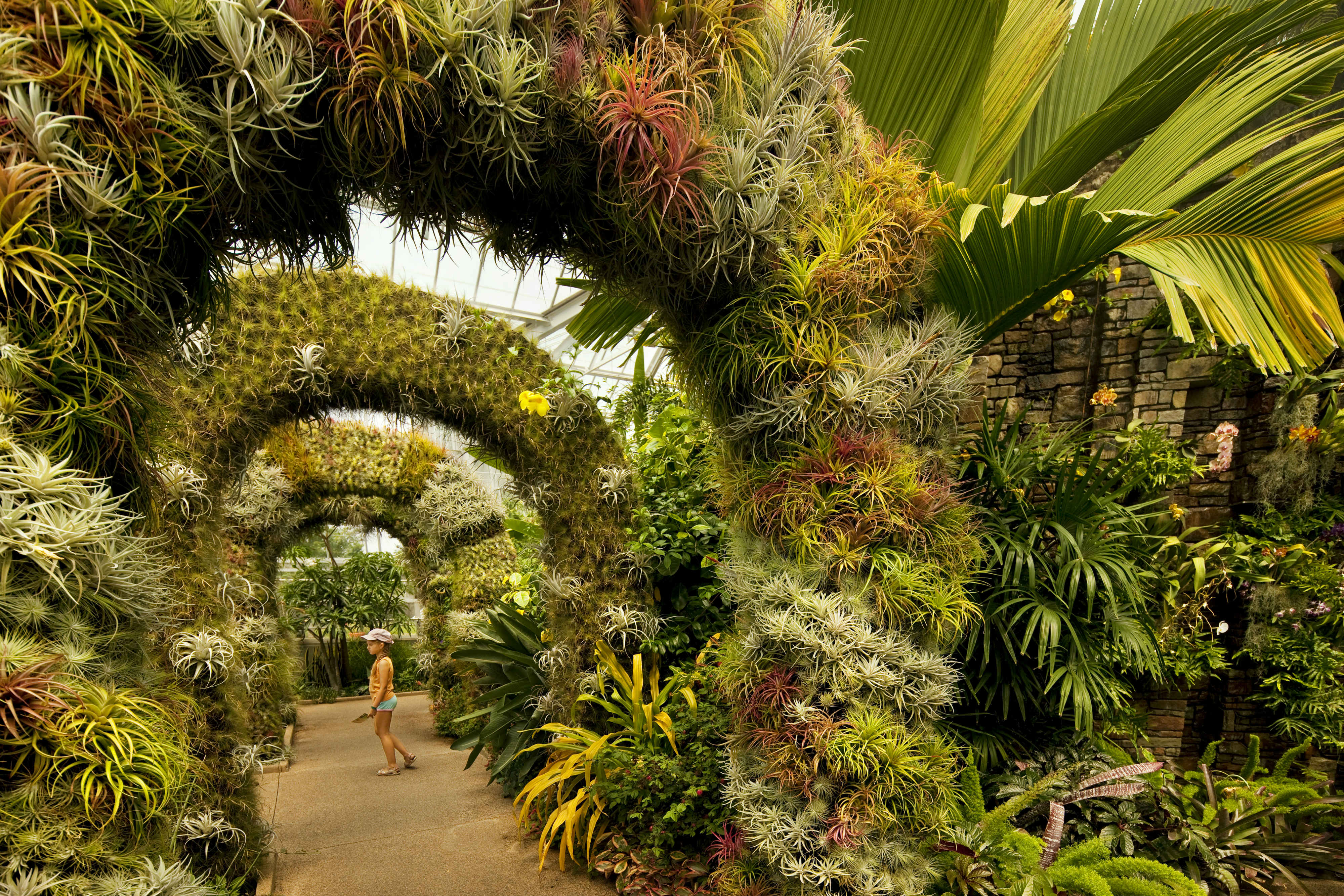
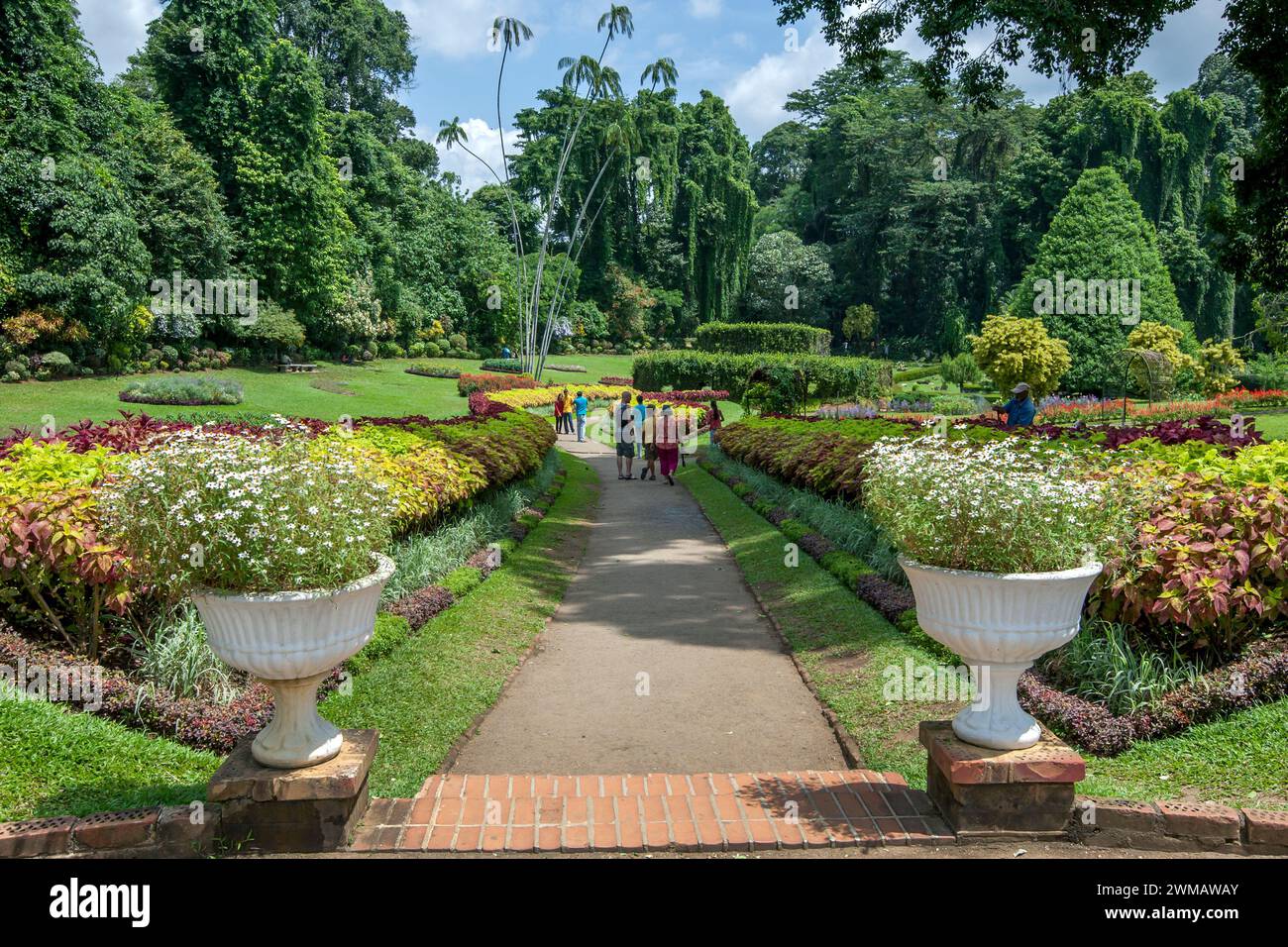
Exploring Public Flower Gardens: A Comprehensive Guide to Finding Floral Sanctuaries Near You
To explore public flower gardens near you, start by searching for botanical gardens, arboretums, or municipal display parks within your region using digital mapping tools or specialized horticultural databases. These spaces range from...
To explore public flower gardens near you, start by searching for botanical gardens, arboretums, or municipal display parks within your region using digital mapping tools or specialized horticultural databases. These spaces range from curated scientific collections to historical estate grounds. Most offer seasonal bloom calendars and accessible pathways, providing a structured way to experience local biodiversity and horticultural artistry throughout the 2026 season.
Contents
Understanding the Landscape of Public Horticulture
The term "public flower garden" encompasses a wide variety of institutions, each with its own mission and level of curation. When you search for gardens "near me," you are likely to encounter several distinct categories of green spaces. Understanding these differences helps you set expectations for your visit regarding entrance fees, plant variety, and educational opportunities.
Botanical gardens are the most formal of these spaces. They are essentially living museums that keep documented collections of living plants for the purposes of scientific research, conservation, and education. In 2026, these institutions remain at the forefront of climate resilience studies, often showcasing how native species can be used in home landscapes to support local pollinators.
Arboretums focus primarily on woody plants, such as trees and shrubs. While they may not have the dense floral beds of a traditional flower garden, they offer spectacular seasonal displays, such as cherry blossoms in the spring or vibrant deciduous foliage in the autumn.
Municipal and community gardens are often managed by city parks departments. While they may lack the scientific rigor of a botanical garden, they provide vital accessible green space. Many cities now use these areas to showcase sustainable gardening practices, including rain gardens and "no-mow" wildflower meadows.
Estate and historical gardens are typically located on the grounds of former private residences. These gardens offer a glimpse into historical landscape design trends, such as the Formal French style or the more naturalistic English Landscape movement. These sites often require a paid ticket but provide a highly curated and aesthetic experience.
How to Find the Best Flower Gardens Near You in 2026
Finding a garden is the first step, but finding the right garden for the current week requires more specific tools. Because flower blooming is highly dependent on local weather patterns and microclimates, a garden that was spectacular last week might be in a "green phase" this week.
Utilizing Digital Databases and Apps
For the most comprehensive search, avoid generic search engines and use specialized horticultural directories. The American Public Gardens Association maintains a robust "Garden Finder" tool that allows users to search by zip code, garden type, and even specific plant collections. This is particularly useful for finding smaller, "hidden gem" gardens that might not rank highly on mainstream travel sites.
Additionally, many gardens have integrated their collection data into apps like IrisBG or Plantsmap. These platforms allow visitors to see exactly what is in bloom before they even leave their homes. In 2026, many major gardens have also introduced augmented reality (AR) features into their mobile apps, allowing visitors to see what a specific bed will look like in full bloom even if they are visiting during the shoulder season.
Checking the Bloom Calendar
Most reputable public gardens publish a seasonal bloom calendar on their official website. Before visiting, check these charts to ensure your primary interest—whether it be tulips, roses, peonies, or dahlias—is currently in peak display. For 2026, many gardens are reporting slightly earlier bloom cycles due to shifting climate zones, so relying on historical dates (e.g., "the roses always peak on June 10th") is less reliable than checking real-time social media updates or official garden "bloom alerts."
Planning Your Visit: Costs, Access, and Requirements
Visiting a public garden in 2026 requires more than just showing up. Depending on the popularity of the site, there may be specific entry requirements or tiered pricing structures.
Membership and Reciprocal Admissions
If you plan to visit multiple gardens throughout the year, the most cost-effective strategy is to join a local garden that participates in the American Public Gardens Association’s Reciprocal Admissions Program. A membership at your "home" garden often grants you free or discounted admission to over 300 other gardens across North America. This is an essential tip for travelers who want to explore gardens while on road trips or vacations.
Entry Fees and Timed Entry
While many municipal gardens are free, larger botanical gardens typically charge an admission fee to cover the high costs of maintenance and conservation. In 2026, many high-traffic gardens (such as the Longwood Gardens in Pennsylvania or the New York Botanical Garden) continue to utilize timed-entry reservations. This practice, which gained popularity in the early 2020s, helps manage crowds and ensures a more peaceful experience for visitors. Always check if pre-booking is required, especially for weekend visits.
Accessibility and ADA Compliance
Public gardens are increasingly focused on universal design. Most major gardens offer paved or highly compacted gravel paths suitable for wheelchairs and strollers. However, historical estate gardens may have sections with stairs or steep inclines. If accessibility is a priority, look for "Accessibility" or "Plan Your Visit" pages on the garden's website, which will detail the availability of sensory-friendly hours, shuttle services, and wheelchair rentals.
Comparing Types of Public Garden Experiences
| Feature | Botanical Gardens | Arboretums | Municipal Parks | Estate Gardens |
|---|---|---|---|---|
| Primary Focus | Scientific Research & Education | Trees and Woody Plants | Public Recreation | History and Aesthetics |
| Plant Labeling | Extensive/Scientific | High (Woody species) | Minimal to Moderate | Moderate/Historical |
| Admission Cost | Usually Paid ($15–$30) | Free to Moderate ($5–$15) | Usually Free | Usually Paid ($20–$40) |
| Best For | Plant Enthusiasts/Students | Fall Foliage/Walkers | Families/Picnics | History Buffs/Photography |
| On-site Amenities | Cafes, Gift Shops, Classes | Walking Trails | Playgrounds, Benches | Guided Tours, Tea Rooms |
Seasonal Highlights: What to Look For Each Month
The "best" garden near you changes every 30 days. To maximize your exploration, align your visits with the natural horticultural cycle of your region.
- March – April: This is the season for spring ephemerals and bulbs. Look for displays of snowdrops, crocuses, and massive tulip installations. Arboretums will showcase early-flowering trees like Magnolias and Serviceberries.
- May – June: Often considered the "peak" of the gardening year. Peonies, irises, and late-spring perennials take center stage. This is also the prime time for visiting rose gardens as the first flush of blooms is typically the most fragrant and robust.
- July – August: High summer focuses on heat-tolerant species. Look for perennial borders filled with Echinacea (coneflowers), Rudbeckia (Black-eyed Susans), and tropical displays. Many gardens also feature aquatic displays, such as giant water lilies, during these months.
- September – October: The late-season garden is dominated by ornamental grasses and asters. This is also the peak time for "harvest" themed displays, including pumpkin patches and ornamental gourds at municipal gardens.
- November – February: In colder climates, focus your search on gardens with conservatories or "glasshouses." These climate-controlled environments allow you to explore tropical rainforests or arid deserts even in the middle of winter. Holiday light displays are also a major draw for public gardens during these months.
Etiquette and Preservation: How to Be a Good Guest
Public gardens are fragile ecosystems and outdoor museums. To ensure these spaces remain available for future generations, visitors must adhere to strict etiquette guidelines.
- Stay on the Paths: Compaction is a silent killer for plant roots. Even if you want the perfect "Instagram shot," never step into the flower beds.
- Leave No Trace: Most gardens do not have trash cans in the middle of the displays to avoid attracting pests. Plan to carry out whatever you bring in.
- Respect Photography Rules: While personal photography is almost always encouraged, the use of tripods, drones, or professional equipment (for weddings or commercial shoots) usually requires a permit and a separate fee.
- No Picking: It may seem harmless to take one flower, but if every visitor did so, the garden would be decimated in a single afternoon. This includes seeds and cuttings, which are the intellectual and physical property of the garden.
Maximizing the Experience: Tools and Tips
To get the most out of your exploration, consider bringing a few essential items. A portable power bank is useful if you plan on using plant identification apps like iNaturalist or PictureThis, which can drain battery life quickly. A small pair of binoculars can help you see high-climbing vines or birds within the canopy.
Furthermore, many gardens offer educational workshops in 2026. From "Photography in the Garden" to "Native Plant Landscaping," these sessions provide a deeper level of engagement than a simple walk-through. Check the garden's event calendar for "Member Only" mornings, which allow you to enjoy the displays before the general public arrives.
Frequently Asked Questions
Can I bring my dog to a public flower garden?
In most cases, pets are not allowed in formal flower gardens or botanical gardens due to the risk of damage to rare plants and local wildlife. However, many arboretums and municipal parks have dog-friendly trails. Some gardens host specific "Dog Days" or "Yappy Hours" throughout the year. Always check the specific pet policy of the garden before traveling.
Are public gardens free to visit?
This depends entirely on the funding model. Many municipal gardens are tax-funded and free to the public. However, non-profit botanical gardens and private estates usually rely on admission fees and memberships to fund their conservation work. In 2026, the average adult ticket price for a major botanical garden ranges from $15 to $35.
What is the best time of day to visit for photography?
The "Golden Hour"—shortly after sunrise or just before sunset—provides the softest, most flattering light for flower photography. Midday sun creates harsh shadows and can "wash out" the vibrant colors of the petals. Additionally, many gardens are less crowded immediately after opening, allowing for clear shots of the landscapes without other visitors in the frame.
How can I find out what is currently in bloom?
The most reliable method is to check the garden’s official social media accounts (Instagram or Facebook) or their website’s "What’s in Bloom" section. These are updated frequently by the horticultural staff. You can also search for the garden's location tag on social media to see recent photos posted by other visitors.
Do public gardens offer food and drink?
Larger botanical gardens and estates often have on-site cafes or tea rooms. However, smaller parks and arboretums may only have vending machines or water fountains. In 2026, many gardens encourage "picnicking" in designated areas but prohibit food within the formal display beds to prevent litter and pest issues.
Practical Recommendation for Your Next Action
To begin your exploration, identify the Hardiness Zone of your current location using the USDA Plant Hardiness Zone Map. Once you know your zone, use the American Public Gardens Association's website to find the nearest "Level II" or higher accredited arboretum or botanical garden. For your first visit in 2026, prioritize a garden that offers a "Reciprocal Admissions" membership; this small investment will effectively unlock hundreds of other floral sanctuaries for the remainder of the year.
Image Gallery