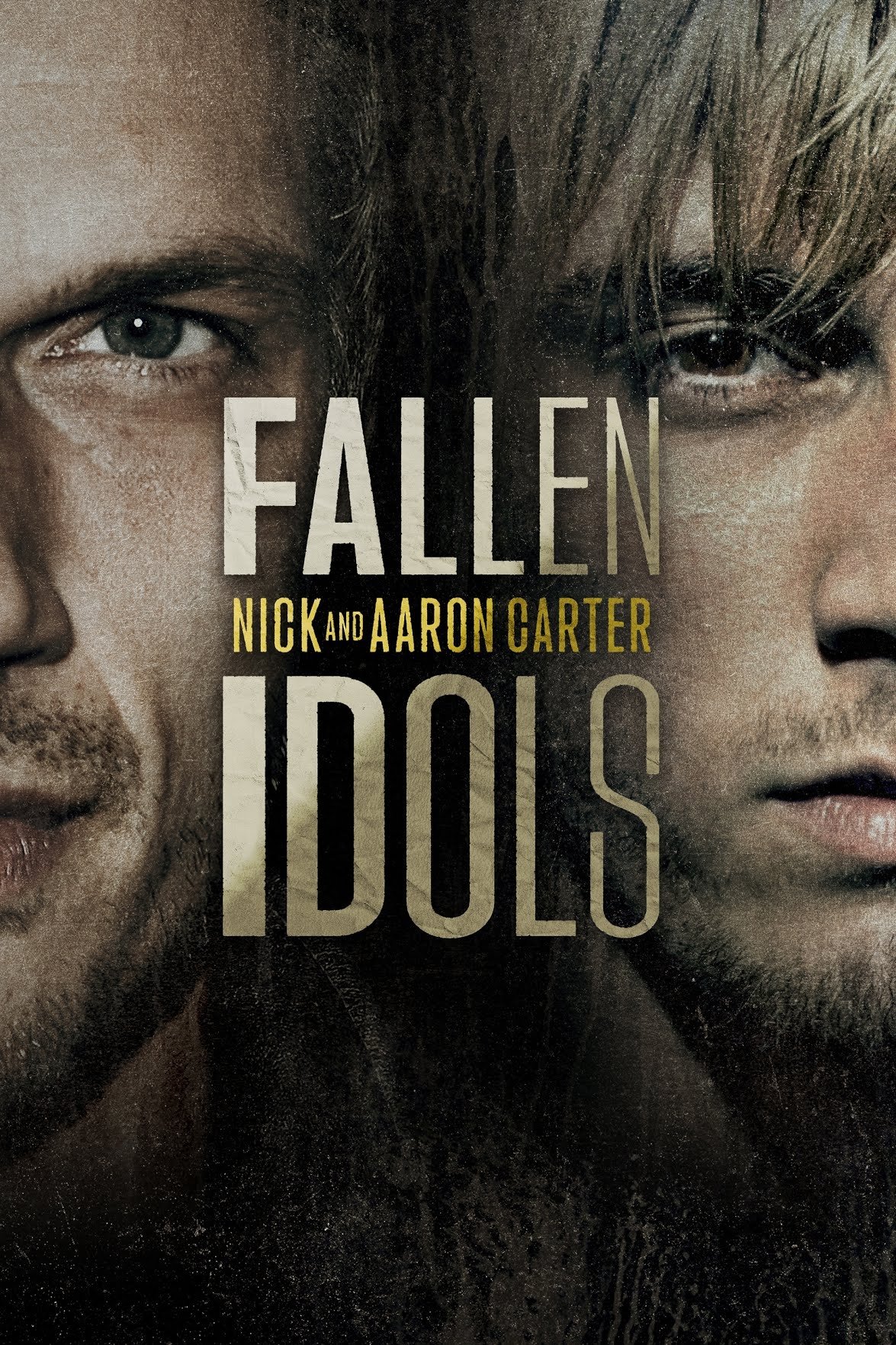
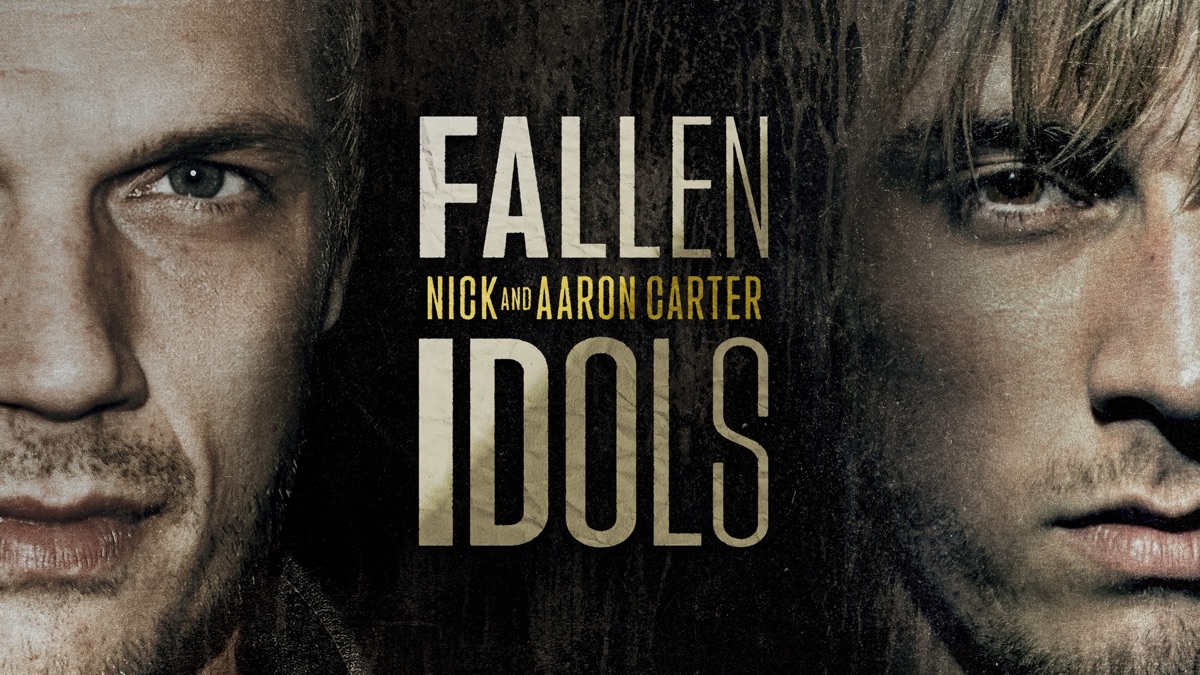
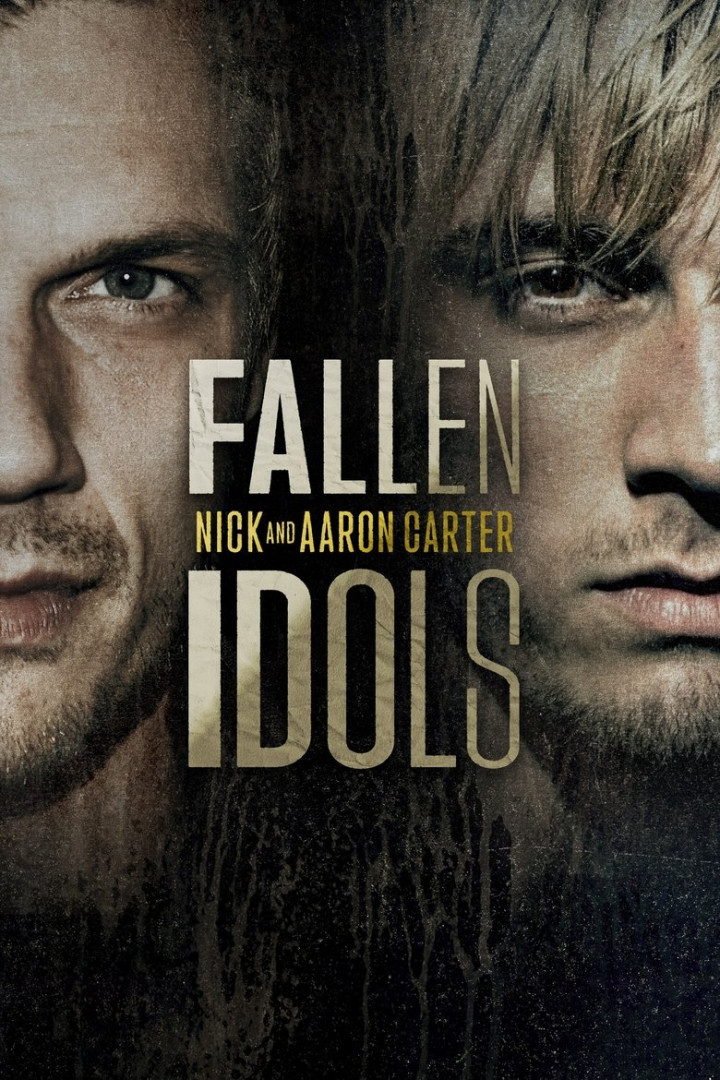
Examining the Cast of Fallen Idols: Nick and Aaron Carter Appearances and Media Context
When examining television and documentary projects exploring the dark side of fame—such as programs frequently cataloged under titles like Fallen Idols or similar celebrity-focused investigative specials—viewers frequently seek clarity...
When examining television and documentary projects exploring the dark side of fame—such as programs frequently cataloged under titles like Fallen Idols or similar celebrity-focused investigative specials—viewers frequently seek clarity on specific appearances, participants, and subject profiles. The media landscape surrounding the Carter family, particularly brothers Nick and Aaron Carter, involves complex television portraits, investigative docuseries, and archival footage that chart both their pop music rise and subsequent personal trials. Understanding how Nick and Aaron Carter are represented within these formats requires separating verified broadcast appearances from broader cultural commentary, internet speculation, and independent documentary projects.
Contents
Understanding Celebrity Investigative Specials and Docuseries
Over the past decade, cable networks and streaming platforms have increasingly turned toward multi-part investigative docuseries that examine child stardom, family dynamics, and the pressures of the entertainment industry. Projects addressing the mechanics of early fame often use terms like "fallen idols" as thematic descriptors rather than official series titles for specific broadcast networks, though individual episodes or distinct investigative features frequently adopt similar monikers to examine tragic trajectories in Hollywood and the music industry.
For the Carter family, television appearances span decades. Nick Carter rose to international prominence as a member of the Backstreet Boys in the mid-1990s, while his younger brother, Aaron Carter, achieved solo pop success as a preteen star in the late 1990s and early 2000s. Because both brothers spent their formative years in the public eye, documentary producers and television news magazines have routinely revisited their archives. When evaluating appearances related to these themes, it is essential to distinguish between participatory interviews given by the subjects themselves and third-party biographical retrospectives assembled after the fact.
The Nature of Nick and Aaron Carter Media Appearances
Media appearances involving Nick and Aaron Carter fall into several distinct categories, ranging from promotional television spots during their peak musical eras to later, more revealing documentary features addressing personal struggles, legal controversies, and family estrangement.
Archival and Historical Appearances
During the height of their musical careers, both brothers appeared extensively on major network television programs, talk shows, and music video countdowns. These historical records provide the primary source material for modern retrospectives.
- Peak Era Television: Programs such as Total Request Live (TRL) on MTV, morning news broadcasts, and special concert features captured the initial wave of their pop success.
- Reality Television: Both brothers participated in structured unscripted programming, most notably House of Carters (2006) on E!, which documented the lives of five Carter siblings attempting to reunite and rebuild their careers under one roof.
Investigative and Retrospective Profiles
Following years of public scrutiny, substance struggles, and Aaron Carter's passing in November 2022, various television networks produced deep-dive specials examining the pressures placed on young artists.
- Documentary Treatment: Projects examining the darker side of child stardom often incorporate archival footage of Nick and Aaron to illustrate systemic industry issues.
- News Magazine Specials: Programs like 20/20, Dateline, and various entertainment news archives have dedicated segments to untangling the complex family history, legal disputes, and public statements made by surviving family members.
Comparative Overview of Carter Family Television Projects
To understand how television framing has evolved, it helps to examine the major broadcast and streaming projects that have featured Nick and Aaron Carter across different phases of their careers.
| Project Title / Series | Year / Era | Format | Focus and Content Summary |
|---|---|---|---|
| House of Carters | 2006 | Reality Docuseries (E!) | Follows Nick, Aaron, Bobbie Jean, Leslie, and Angel Carter as they live together; highlights early family friction and career transitions. |
| Dr. Phil Appearances | 2017–2019 | Talk Show Interviews | Individual and familial appearances addressing mental health, addiction, and personal interventions. |
| Various Investigative Specials | Post-2022 | True Crime / Biography | Retrospective analyses examining the systemic pressures of child stardom and the tragic events surrounding Aaron Carter's death. |
| Dancing with the Stars | 2009 / 2015 | Competition Reality (ABC) | Individual performance platforms where Nick (Season 21) and Aaron (Season 9) competed separately, showcasing their enduring performance backgrounds. |
Addressing Ambiguity in "Fallen Idols" Search Queries
Searches combining phrases like "cast of fallen idols" with "nick and aaron carter appearances" typically stem from viewers conflating various true-crime and celebrity-focused docuseries. While several streaming services and cable networks produce programs with titles touching upon fallen pop stars, child-star curses, or troubled icons, neither Nick nor Aaron Carter starred in a dedicated, multi-episode investigative series officially titled Fallen Idols as a primary credited cast member.
Instead, the association usually arises from one of two scenarios:
- Thematic Categorization: Viewers encountering independent YouTube mini-documentaries, TikTok video essays, or podcast series that use dramatic umbrella titles such as "Fallen Idols" to catalog the lives of 90s and 2000s pop stars.
- Episodic True Crime or Biography: Mentions of the brothers within overarching documentary series that investigate the deaths, legal battles, or mental health struggles of former child stars.
When researching these appearances, it is vital to rely on verified network listings and official broadcast archives rather than unverified third-party video compilations that may sensationalize or misattribute source material.
Practical Guidance for Viewers and Researchers
For researchers, journalists, or fans attempting to locate authentic video footage and verified interviews involving Nick and Aaron Carter, navigating digital archives requires a structured approach.
- Verify Source Networks: Look for clips hosted or distributed by official broadcast networks (such as ABC, E!, MTV, or recognized documentary distributors) rather than re-uploaded files on unverified video platforms.
- Check Production Credits: Examine documentary credits to confirm whether archival subjects participated directly through new interviews or whether the program relies entirely on pre-existing public domain footage and news clips.
- Consult Primary News Archives: For factual reporting regarding legal proceedings, official statements, and verified family milestones, rely on established journalism archives rather than speculative commentary channels.
Frequently Asked Questions
Did Nick and Aaron Carter appear together in a documentary series?
Yes. Their most notable joint television project was the 2006 E! reality series House of Carters, which documented the siblings living together. Later appearances on television were generally separate, consisting of independent talk show interviews, news specials, and reality competition programs.
Is there an official television show titled "Fallen Idols" featuring the Carters?
There is no mainstream, network-produced series officially titled Fallen Idols that features Nick or Aaron Carter as primary cast members. The phrase is frequently used descriptively in online media, independent video essays, and retrospective podcasts that examine the challenges faced by former child stars.
Where can I watch historical interviews of Nick and Aaron Carter?
Official network archives, streaming platforms carrying classic 90s and 2000s programming, and verified broadcaster YouTube channels offer the most reliable access to historical promotional appearances, talk show interviews, and performance clips.
What are the primary themes covered in retrospective specials about the Carter brothers?
Retrospective programming typically focuses on the intense pressure of achieving fame at a young age, the impact of substance abuse within the entertainment industry, complex sibling dynamics, and mental health challenges.
How do modern documentaries obtain footage of the brothers?
Documentary filmmakers license archival footage from television networks, music video distributors, and news archives. Unless a project features newly recorded interview segments with surviving family members, most retrospective programming relies entirely on these previously broadcast materials.
Next Actions for Media Researchers
For those conducting deeper biographical research or verifying specific broadcast dates for Carter family television appearances, the most effective next step is to consult primary database registries such as IMDb Pro for official television credits or university media archives that catalog historical broadcast news transcripts. Always cross-reference unofficial internet summaries against primary network logs to ensure historical accuracy.
Image Gallery