The Founder of Beats Electronics and His Impact on Modern Audio Culture
Beats Electronics, known globally as Beats by Dre, was founded by the legendary hip-hop producer Dr. Dre and music industry executive Jimmy Iovine. Their collaboration transformed headphones from mundane utility accessories into premiu...
Beats Electronics, known globally as Beats by Dre, was founded by the legendary hip-hop producer Dr. Dre and music industry executive Jimmy Iovine. Their collaboration transformed headphones from mundane utility accessories into premium fashion statements and status symbols, fundamentally shifting consumer expectations for audio quality and branding in the personal electronics market.
Contents
The inception of Beats Electronics in 2006 marked a turning point in the consumer electronics landscape. Before the emergence of the brand, high-end audio was largely the domain of audiophiles who prioritized technical specifications and flat frequency responses. Headphones were generally viewed as secondary accessories, often bundled with portable music players, and rarely marketed as lifestyle products. Jimmy Iovine, an industry veteran who led Interscope Records, recognized that while digital music files were becoming increasingly compressed and lower in quality, there was a growing consumer appetite for a more immersive listening experience.
Iovine partnered with Dr. Dre—born Andre Young—to bridge the gap between studio-quality sound and mainstream accessibility. By leveraging the cultural cachet of Dr. Dre, the duo positioned Beats as an authentic extension of the recording process. They successfully argued that listeners should hear music exactly as the artists and producers intended, emphasizing bass-heavy signatures that resonated with the burgeoning hip-hop and pop genres dominating the charts.
The Marketing Strategy of Cultural Integration
The impact of the founders on audio culture cannot be overstated. Their most significant contribution was the integration of music, celebrity, and industrial design. Rather than relying on traditional technical advertising, Beats utilized high-profile athlete and musician endorsements. By placing their headphones on the heads of figures like LeBron James, Kobe Bryant, and various chart-topping artists during high-visibility events, they created a "must-have" aura around their products.
This strategy repositioned headphones as a centerpiece of personal style. The iconic "b" logo became a recognizable symbol, effectively turning headphones into a wearable extension of one's identity. This approach forced competitors to pivot, leading to the rapid saturation of the "lifestyle headphone" market. Many legacy audio brands, which previously ignored the fashion aspect of their products, were compelled to revamp their design languages to compete with the sleek, vibrant, and recognizable aesthetic popularized by Beats.
Technical Evolution and Consumer Expectations
While the brand was initially criticized by some audio purists for its aggressive bass profile, the founders remained committed to the idea that personal audio should be exciting rather than clinical. Over the years, the company refined its sound signatures, integrating digital signal processing (DSP) to maintain clarity even when emphasizing low-end frequencies.
Following the acquisition of Beats by Apple in 2014, the technological integration deepened. The founders' initial focus on user experience—exemplified by easy pairing with smartphones and reliable wireless connectivity—laid the groundwork for the modern TWS (True Wireless Stereo) market. The collaboration led to the development of custom internal chips like the W1 and H1, which prioritized seamless device switching and efficient battery management. These features, now industry standards, were directly influenced by the consumer-centric philosophy established during the early days of the company.
Comparative Landscape: Beats Electronics vs. Legacy Audio Brands
The following table illustrates how the market shifted following the entry of Beats by Dre compared to traditional high-fidelity audio manufacturers.
| Feature | Legacy Audio Brands (Pre-2006) | Beats Electronics (Post-2006) |
|---|---|---|
| Market Focus | Professional studio or audiophile | General consumer and lifestyle |
| Aesthetic | Functional, utilitarian, monochromatic | Bold, vibrant, trend-setting |
| Bass Signature | Flat, neutral, accurate | Enhanced, punchy, dynamic |
| Distribution | Specialty audio shops | Retail fashion outlets, electronics chains |
| Primary Marketing | Technical specifications | Celebrity, sports, and cultural icons |
The Impact on the Music Industry
Beyond hardware, the founders played a pivotal role in changing how music is consumed and valued. Their efforts to promote high-quality playback were instrumental in the shift from low-bitrate digital files to higher-resolution streaming services. By effectively selling the idea that the hardware matters, Iovine and Dr. Dre incentivized a market where consumers were willing to invest more in their audio chains.
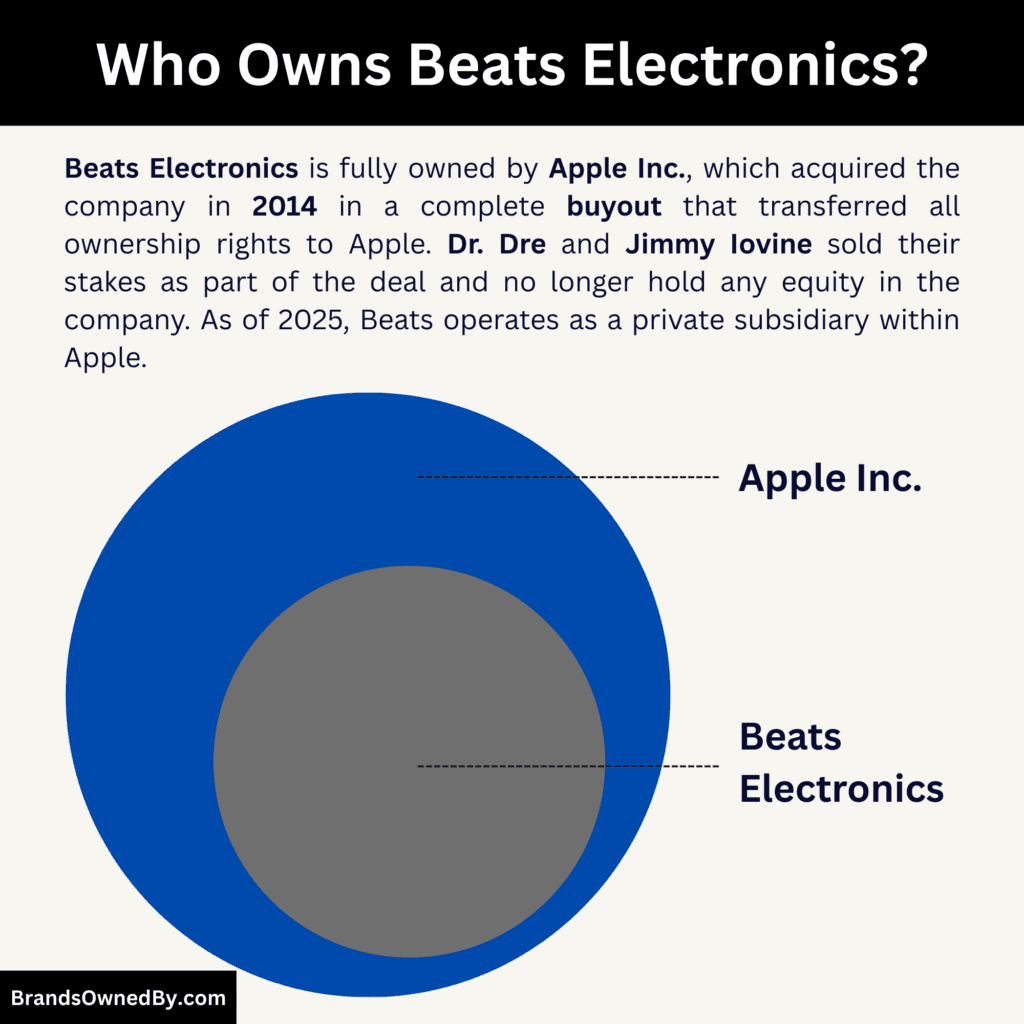
Furthermore, the sale of Beats Electronics to Apple for $3 billion in 2014 remains one of the most significant acquisitions in the history of tech and music. It validated the importance of hardware-software integration and set a precedent for how music streaming services—specifically the development of Apple Music—would interact with dedicated playback devices. Iovine's transition to a leadership role within Apple served to further solidify the influence of these founders, as they steered the direction of global music distribution strategies.
Challenges and Criticisms
Despite the massive success, the influence of the founders has been subject to debate. Critics often pointed to the high price point of early Beats products relative to their build quality, arguing that customers were paying a "brand tax" rather than for internal audio components. There were also concerns regarding the "consumerization" of audio, with some industry experts arguing that the focus on bass led to a generation of listeners becoming accustomed to colored, non-neutral sound.
However, it is precisely this "coloring" that defines the brand’s legacy. By catering to the mainstream preference for a warmer, more visceral sound, they expanded the total addressable market for premium headphones. They essentially democratized the "premium" feeling of listening to music, ensuring that millions of consumers moved away from the included, low-quality earbuds bundled with phones.
Frequently Asked Questions
Did Dr. Dre actually design the headphones? While Dr. Dre did not personally solder circuits or draft the industrial designs, his role was as the creative lead and the sonic architect. He was responsible for testing prototypes against his own professional standards to ensure the headphones delivered the "studio sound" he was known for.
Why was the Apple acquisition of Beats so significant? The 2014 acquisition was historic because it was Apple’s largest purchase at the time. Beyond the physical headphones, Apple gained a curated music streaming platform (Beats Music) and deep industry expertise from Iovine, which were vital in the successful launch and scale of Apple Music.
How did Beats change headphone marketing? Beats shifted the focus from "specs" (frequency response, impedance) to "vibe." They pioneered the use of celebrity influencers and placed their products in music videos, professional sports, and fashion runways, turning headphones into a lifestyle accessory.
Are Beats headphones still considered "lifestyle" products? Yes. In 2026, Beats continues to occupy the intersection of fashion and tech. They maintain a distinct aesthetic that sets them apart from the more utilitarian designs favored by some other manufacturers, while leveraging Apple’s internal tech to remain competitive in features.
What is the legacy of Jimmy Iovine in this partnership? Iovine provided the business acumen and industry connections necessary to scale the company. His ability to bridge the gap between the music industry, retail distribution, and consumer tech giants was the engine that powered the brand's rapid growth and ultimate valuation.
Final Recommendation
For those examining the impact of the founders, it is essential to look beyond the hardware itself. The true legacy of Beats Electronics lies in the successful synthesis of tech, fashion, and cultural influence. If you are a consumer looking to purchase audio equipment, verify your needs: if you prioritize an authentic, "fun" sound signature and brand identity, Beats remains a top-tier choice. However, if you require a flat, reference-grade frequency response for professional mixing and mastering, you may want to compare these offerings against specialized studio-monitoring brands to ensure your specific use case is met.
Image Gallery