Why the 27 Club Myth Misleads You: The Science and Reality Behind Musician Mortality
The "27 Club" myth misleads the public by framing the premature deaths of famous musicians at age 27 as a statistically sinister pattern or tragic artistic destiny. Empirical research demonstrates that age 27 carries no unique risk of...
The "27 Club" myth misleads the public by framing the premature deaths of famous musicians at age 27 as a statistically sinister pattern or tragic artistic destiny. Empirical research demonstrates that age 27 carries no unique risk of death; rather, confirmation bias and media romanticization obscure the systemic occupational hazards and mental health crises prevalent in the music industry.
Contents
The Cultural Origin of the 27 Club Narrative
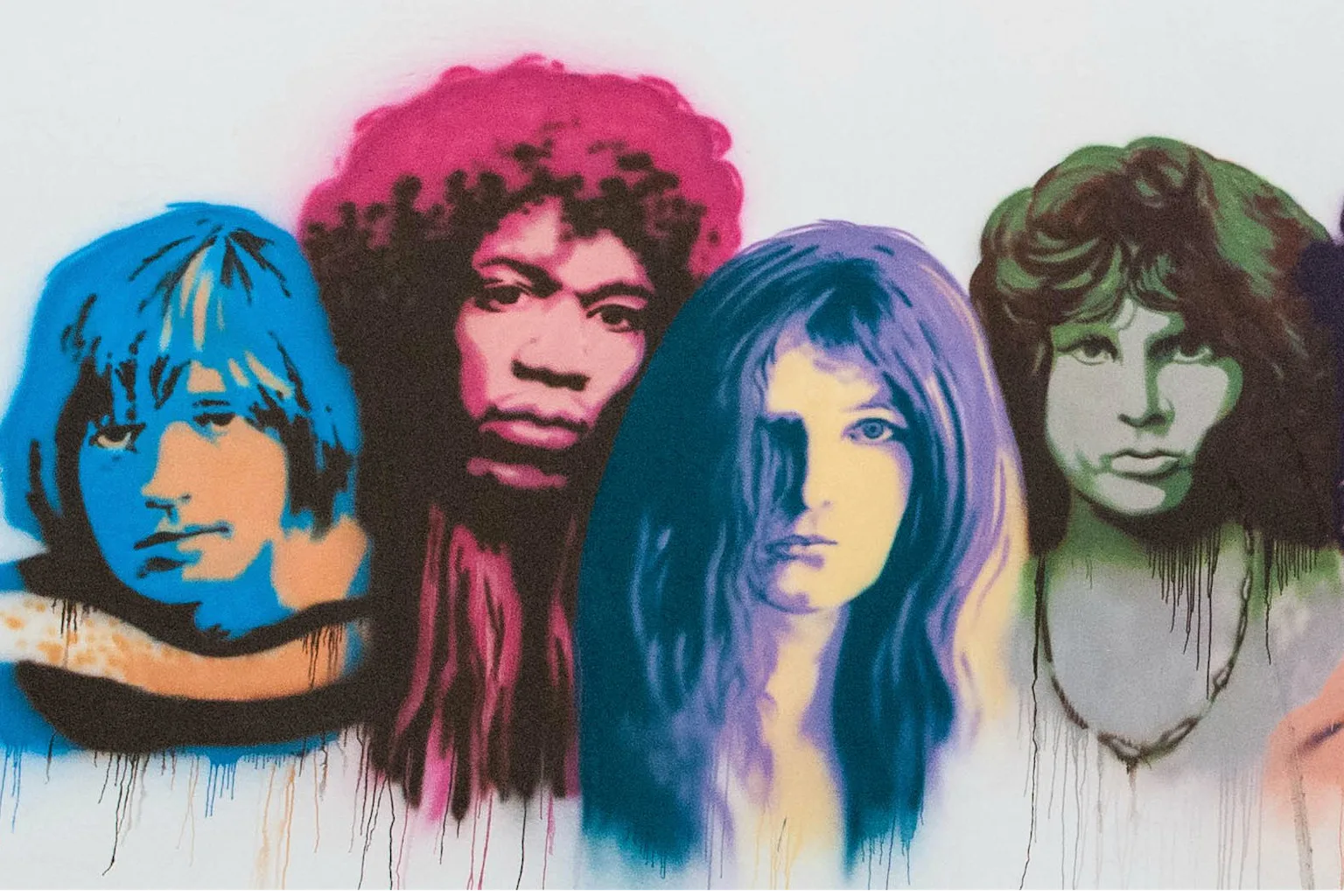
The concept of the 27 Club entered popular culture following the deaths of several iconic musicians in a remarkably brief timeframe between 1969 and 1971. The sequential deaths of Brian Jones, Jimi Hendrix, Janis Joplin, and Jim Morrison—all of whom passed away at age 27—created a compelling pop-culture narrative. However, the phrase itself did not gain widespread media currency until 1994, following the suicide of Nirvana frontman Kurt Cobain at age 27.
When Cobain died, public fascination crystallized around the age milestone. Media coverage frequently highlighted a statement attributed to Cobain's mother, who remarked in press reports that her son had gone and "joined that stupid club." This phrase was swiftly seized upon by music journalists and commentators, creating a convenient, albeit flawed, framework for conceptualizing tragedy in popular music.
The myth gained renewed global attention in 2011 following the death of singer-songwriter Amy Winehouse at age 27. Her death triggered a resurgence of sensationalized headlines that framed her passing as the fulfillment of a dark prophecy. By attributing these deaths to a shared, almost mystic fate, music commentary created an enduring urban legend that continues to misinform public understanding of artist mortality, psychiatric illness, and substance use disorders.
The Epidemiological Debunking: What the Data Reveals
Despite the cultural obsession with the number 27, scientific evaluation of artist mortality demonstrates that the phenomenon is an illusion created by selective memory. Researchers in statistics and epidemiology have repeatedly tested the hypothesis that musicians face an extraordinary mortality risk specifically at age 27, consistently finding no evidence to support the claim.
In 2011, a research team led by statistician Adrian Barnett evaluated this phenomenon in a milestone study published by the British Medical Journal. The study analyzed mortality data from 1,046 musicians who achieved a number-one album on the official UK charts between 1956 and 2007. The cohort included 71 musicians who had died during that 51-year window, representing 7% of the sample.
- UK Chart-Topping Musicians Cohort (1956–2007)
- Surviving Musicians (93% of cohort)
- Deceased Musicians (7% of cohort)
- Deaths Across Ages (Ages 20–39 Range)
- Deaths at Age 27 (No Statistical Spike)
The mathematical findings were unequivocal:
- No Age-Specific Spike: There was no statistical peak in deaths at age 27. The hazard rate for dying at age 27 was statistically indistinguishable from the rates at ages 26 or 28.
- Elevated Risk Across the Decade: Famous musicians do face an increased risk of premature death compared to the general population, but this risk spans their entire 20s and 30s rather than concentrating on a single birthday.
- Cluster Artifacts: The perception of a spike at age 27 is an artifact of mathematical clustering—a natural occurrence in random distributions where events occasionally group together without a underlying causal link.
The study concluded that while famous musicians experience higher rates of premature death overall, the 27 Club is a myth driven by public perception and media framing rather than biological or demographic reality.
Psychological Biases That Sustain the Myth
If the quantitative data clearly disproves the 27 Club, why does the belief remain widespread? The persistence of the myth is rooted in well-documented cognitive biases that shape how humans process, store, and recall dramatic events.
Confirmation Bias
Confirmation bias leads individuals to search for, interpret, and remember information in a way that confirms pre-existing beliefs. When a prominent musician dies at age 27, media outlets and fans immediately reference the 27 Club, reinforcing the perception of a pattern. Conversely, when a famous musician dies at age 26, 28, or 31, the death is treated as an isolated tragedy, and the age is rarely emphasized in headlines.
The Availability Heuristic
The availability heuristic is a mental shortcut where people estimate the probability of an event based on how easily examples come to mind. Because deaths like those of Jimi Hendrix, Kurt Cobain, and Amy Winehouse are heavily documented and culturally celebrated, they are easily recalled. This memory availability creates an exaggerated perception of how frequently 27-year-old musicians pass away relative to artists of other ages.
Romanticization and Narrative Transport
Human culture has long embraced the trope of the "doomed artist"—a romanticized figure whose intense genius allegedly burnt out too quickly. Rooted in 19th-century Romanticism, this narrative frames self-destruction as an inevitable byproduct of extraordinary creativity. Labeling a tragic death as part of a famous "club" transforms a preventable human disaster into a poetic destiny, providing comfort to audiences by offering a grand narrative framework for a senseless loss.
Why the Myth Is Harmful: The Danger of Romanticizing Crisis
Far from being a harmless piece of pop-culture trivia, the 27 Club myth actively misleads the public and distorts health priorities for working artists. By attributing fatal outcomes to an inescapable curse or artistic rite of passage, the narrative produces real-world harms:
- Obscuring Medical Realities: The myth rebrands acute substance toxicity, untreated major depression, and accidental injury as mythic destiny. This obscures the clinical reality that these conditions are medical health crises requiring evidence-based intervention.
- Delaying Prevention: When toxic behaviors and severe distress are framed as expected milestones for young artists, warning signs are often dismissed by peers, management, and fans as part of the creative lifestyle.
- Commodifying Tragedy: The 27 Club narrative generates commercial value through books, documentaries, and merchandise. This commercialization shifts focus away from systemic reforms in the entertainment industry toward the ongoing romanticization of early death.
Examining Premature Musician Mortality Across Ages
To understand how arbitrary the age 27 focus is, one must examine the broader landscape of premature deaths among prominent musical artists. The table below illustrates that fatal health crises and accidents occur across the entire spectrum of young adulthood, showing no preference for age 27.
| Artist Name | Age at Death | Year of Death | Cause of Death / Primary Context |
|---|---|---|---|
| Cliff Burton | 24 | 1986 | Tour bus accident |
| Gram Parsons | 26 | 1973 | Accidental drug overdose |
| Otis Redding | 26 | 1967 | Plane crash |
| Mac Miller | 26 | 2018 | Accidental mixed drug toxicity |
| Nick Drake | 26 | 1974 | Antidepressant overdose |
| Jimi Hendrix | 27 | 1970 | Asphyxiation following drug overdose |
| Janis Joplin | 27 | 1970 | Heroin overdose |
| Jim Morrison | 27 | 1971 | Heart failure (suspected overdose) |
| Kurt Cobain | 27 | 1994 | Suicide by gunshot |
| Amy Winehouse | 27 | 2011 | Alcohol poisoning |
| Shannon Hoon | 28 | 1995 | Cocaine overdose |
| Tim Bergling (Avicii) | 28 | 2018 | Suicide |
| Bradley Nowell | 28 | 1996 | Heroin overdose |
| Marc Bolan | 29 | 1977 | Automobile accident |
| Jeff Buckley | 30 | 1997 | Accidental drowning |
| Cass Elliot | 32 | 1974 | Heart failure |
This broad distribution confirms that early mortality among musical artists is driven by underlying risk factors—such as hazardous travel schedules, extreme lifestyle stress, and substance accessibility—rather than an age-bound milestone.
Structural Factors: The Real Hazards of the Music Industry
Stripping away the myth reveals that the music industry imposes unique operational and environmental pressures on young professionals. Understanding these structural factors is essential for evaluating why artists experience elevated mortality rates across their 20s and 30s.
| Environmental & Lifestyle | Institutional & Financial |
|---|---|
| • Chronic Circadian Shift | • Inconsistent Income Stream |
| • High Substance Access | • Lack of Health Benefits |
| • Intense Social Isolation | • Relentless Tour Demands |
1. Relentless Touring Schedules and Sleep Disruption
Professional musicians, particularly during the early stages of commercial success, are subjected to grueling touring regimens. Irregular hours, frequent travel across time zones, and chronic sleep deprivation severely impair physical health and circadian rhythms. Sleep disruption is directly linked to increased rates of depression, anxiety, and impaired cognitive executive function.
2. Pervasive Substance Accessibility
Performance venues, backstage environments, and promotional events frequently offer unrestricted access to alcohol and controlled substances. In many touring environments, substance use is integrated into the workplace culture, making recovery exceptionally difficult for individuals with underlying dependency disorders.
3. Financial Instability and Inadequate Healthcare Access
Despite public perception of immense wealth, many touring artists operate under precarious economic conditions. Independent and mid-tier artists often lack basic employer-provided health insurance, mental health coverage, or professional support networks capable of providing crisis intervention.
4. Performance Pressure and Public Scrutiny
Rapid shifts from obscurity to public scrutiny create profound psychological stress. Young artists often lack the coping mechanisms or institutional guidance required to process public pressure, intense artistic expectations, and parasocial audience dynamics.
Shifting from Fatalism to Prevention and Support
Overcoming the 27 Club myth requires replacing sensationalized fatalism with actionable harm reduction, institutional accountability, and accessible health resources.
Industry-Wide Initiatives
Record labels, management agencies, and venue operators must treat artist wellness as a non-negotiable professional standard. This includes structuring tour schedules to allow adequate rest, providing access to touring wellness coordinators, and ensuring comprehensive health insurance that covers mental health and addiction treatment.
Support Organizations
For working musicians facing mental health challenges or substance use disorders, specialized non-profit organizations offer direct assistance:
- MusiCares: Established by the Recording Academy, MusiCares provides a safety net of health and human services for music professionals, including emergency financial assistance, addiction recovery resources, and medical care support.
- Backline: A specialized non-profit organization that connects music industry professionals and their families with vetted mental health providers and support groups tailored to the unique demands of the music industry.
- SIMS Foundation: Provides comprehensive mental health and substance use recovery services for musicians, crew members, and their families.
Frequently Asked Questions
Did scientific research prove that the 27 Club is a myth?
Yes. Multiple statistical and epidemiological studies—most notably a 2011 study published in the British Medical Journal—analyzed large cohorts of chart-topping musicians and found no statistical increase in mortality at age 27 compared to adjacent ages such as 26 or 28.
Why did the age 27 specifically become famous?
The myth gained traction due to a notable historical coincidence: four high-profile icons (Jimi Hendrix, Janis Joplin, Jim Morrison, and Brian Jones) died at age 27 between 1969 and 1971. The narrative was solidified in 1994 following Kurt Cobain's death, when media outlets heavily highlighted the age connection.
Are musicians at a higher risk of dying young than the general population?
Yes. Studies indicate that musicians experience higher rates of premature mortality throughout their 20s and 30s compared to the general population. However, this risk is distributed across the entire age range and is driven by occupational stress, irregular lifestyles, mental health challenges, and substance access—not an age-specific anomaly.
How does believing in the 27 Club myth harm artists?
Believing in the myth romanticizes tragic and preventable outcomes, framing severe mental illness and addiction as inevitable aspects of creative genius. This perspective discourages early medical intervention, delays systemic industry reforms, and commodifies personal tragedy into entertainment lore.
What should fans and media outlets do instead of invoking the 27 Club?
Media outlets and fans should focus on accurate, empathetic reporting that treats health crises as treatable medical conditions rather than mystic destinies. Highlighting available support resources and discussing the real occupational hazards of the music industry helps destigmatize mental healthcare for artists.
Next Steps for Supporting Artist Wellness
To dismantle the misleading 27 Club narrative, individuals across the music ecosystem must actively reframe how artist health is discussed and managed.
- For Music Journalists and Content Creators: Refrain from using "27 Club" framing in obituaries or feature articles. Reframe coverage around systemic occupational hazards, health advocacy, and accurate medical realities.
- For Working Musicians: Utilize preventative resources offered by organizations such as MusiCares and Backline before reaching a crisis point. Prioritize rest, boundaries, and mental health care within tour contracts.
- For Industry Leaders and Managers: Audit tour itineraries to ensure adequate recovery periods, provide healthcare stipends, and foster workplace environments where seeking help for addiction or mental health is encouraged without professional penalty.
By replacing mythic fatalism with evidence-based support, the music community can help ensure that young artists survive and thrive well beyond their 20s.
Image Gallery