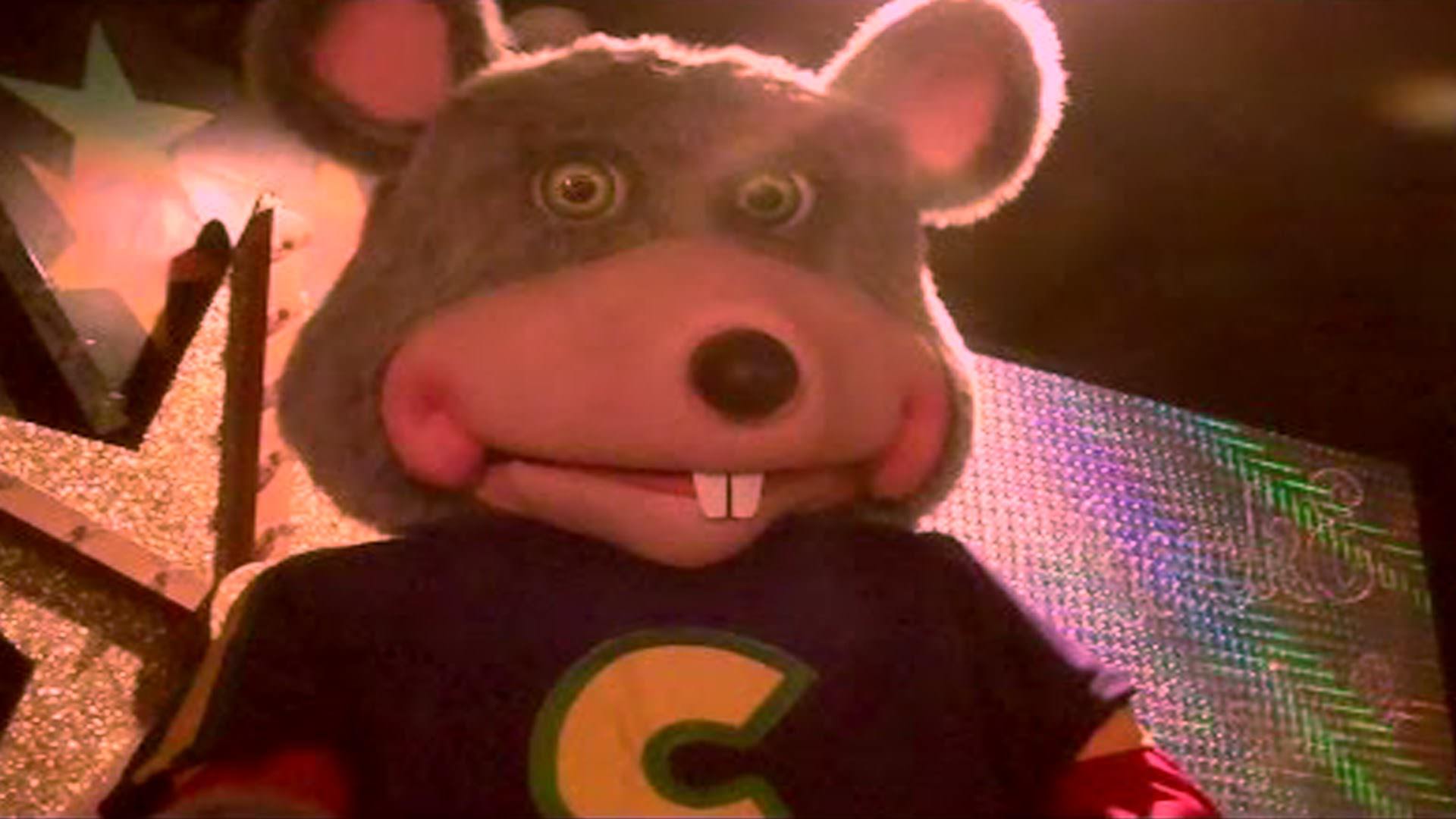
Will Chuck E. Cheese Ever Bring Back the Animatronics?
Chuck E. Cheese has officially pivoted to a digital-first entertainment model, and there are no plans to reintroduce the classic animatronic bands to its venues. The company completed a multi-year effort to remove the majority of its i...
Chuck E. Cheese has officially pivoted to a digital-first entertainment model, and there are no plans to reintroduce the classic animatronic bands to its venues. The company completed a multi-year effort to remove the majority of its iconic "Munch’s Make Believe Band" stages by 2024. While the nostalgic appeal of these robotic characters remains high among fans, the brand has firmly committed to a modern, dance-floor-centric environment for its current and future locations.
Contents
The Operational Shift Away from Animatronics
The transition away from mechanical figures was not a sudden decision but a systematic, years-long operational evolution. For decades, the animatronic bands were the centerpiece of Chuck E. Cheese locations. However, as the brand evolved, several practical, technical, and economic factors forced a shift in strategy.
Maintaining these animatronics required specialized technical knowledge that became increasingly difficult to source. The systems, which relied on complex pneumatic actuators, mechanical linkages, and legacy computer hardware, were prone to wear and tear. Finding spare parts for technology that dates back to the late 1970s and 1980s became a significant logistical hurdle. Furthermore, the daily upkeep required to keep these figures synchronized—repairing torn costumes, fixing mechanical failures, and maintaining the pneumatic compressors—was resource-intensive.
From a business perspective, the floor space occupied by the animatronic stage became a point of contention. Modern Chuck E. Cheese locations prioritize active, physical play, such as expansive arcade areas, trampolines, and interactive dance floors. By removing the stationary stage, the company gained valuable square footage that could be repurposed for more profitable and engaging attractions that encourage guest participation rather than passive observation.
The Current State of the "Dance Floor" Experience
As of 2026, the standard Chuck E. Cheese experience is centered on the "Dance Floor" concept. This model replaces the static stage with a large, wall-to-wall LED-lit dance area. In this environment, the mascot—Chuck E. Cheese—appears in human-suit form or through digital projections to lead interactive games, birthday parties, and dance contests.
This transition reflects a broader trend in family entertainment centers, where the goal is to shift from a "dinner and a show" format to an active, immersive play experience. The current digital signage and projection systems are much easier to maintain, update, and customize than physical animatronics. Content can be refreshed remotely via software updates, allowing the company to tie promotions to new movies, seasonal events, or current pop-culture trends without the need for manual mechanical adjustments.
Preservation Efforts and the "Last One Standing"
While the corporate directive is to remove these stages, a small number of exceptions have persisted due to the sheer logistical complexity of retrofitting older, high-volume venues. For example, the Northridge, California location famously served as a test site and a holdout for the legacy animatronic setup for many years.
However, these remaining stages are increasingly viewed by the company as historical anomalies rather than a permanent part of the business model. Collectors and fans who have expressed interest in the decommissioned animatronics often find that the hardware is either recycled or disposed of due to liability and intellectual property concerns. Chuck E. Cheese (owned by CEC Entertainment) strictly controls the licensing of its characters, which generally precludes the sale of these retired units to private individuals.
Comparative Look at Entertainment Models
The shift from animatronic stages to digital interactive spaces highlights the changing expectations of the modern consumer. The table below outlines the primary differences between the two models.
| Feature | Legacy Animatronic Model | Modern Digital/Dance Floor Model |
|---|---|---|
| Primary Interaction | Passive observation (seated) | Active participation (moving) |
| Maintenance | High (mechanical, pneumatic, manual) | Low (software-based, digital assets) |
| Content Updates | Slow (requires physical prop changes) | Instant (via digital content push) |
| Spatial Requirement | High (requires stage area) | Flexible (integrates into play space) |
| Durability | Fragile (moving parts wear down) | High (solid-state displays) |
The Role of Nostalgia and Cultural Impact
Despite the efficiency of the new model, the cultural impact of the animatronic bands remains significant. For many, the "Pizza Time Theatre" era represents a specific memory of childhood that is inextricably linked to the music and the sight of the robotic band members like Jasper T. Jowls and Pasqually.
There have been numerous fan-led petitions and social media campaigns urging the company to retain at least a few "museum" locations. While these campaigns demonstrate the brand's enduring heritage, they have not swayed the company’s strategic trajectory. The corporate strategy for 2026 and beyond is focused on competitive relevance in the current market, where digital interactivity and active play remain the primary drivers of customer satisfaction and store revenue.
Why Reintroduction Is Unlikely
The barriers to bringing back the animatronics are significant and multi-faceted:
- Legal and Safety Standards: The safety regulations for robotic installations in public spaces have become much more stringent over the last 40 years. Re-engineering antique animatronics to comply with 2026 safety standards would be cost-prohibitive.
- Operational Costs: Even if the company desired to bring them back, the training required to create a new generation of "animatronic technicians" would be an unnecessary expense in a company that has already successfully trained its staff on the digital-first model.
- Brand Identity: The company has spent significant capital rebranding itself as a modern play destination. Reintroducing the animatronics would be viewed by leadership as a step backward in its effort to appeal to a demographic that expects high-fidelity, interactive digital entertainment.
Troubleshooting and Navigating the Current Experience
If you are a parent or an enthusiast looking to maximize your experience at a modern Chuck E. Cheese, it is important to adjust expectations. The focus is no longer on the stage shows. To make the most of your visit:
- Check the Website: Use the store locator to see if a location has been renovated to the latest "Fun Center" format.
- Participate in Events: Engage with the live mascot appearances, which now serve as the primary "show" element of the experience.
- Utilize the App: The Chuck E. Cheese mobile app provides better control over your play credits and can help you track active dance floor events and timing.
Frequently Asked Questions
Are any locations keeping the animatronics for historical reasons?
As of 2026, the company has largely completed its "Stage Remodel" initiative. While some locations may have delayed their updates, there is no official commitment to maintaining a "museum" location with functional animatronics as a permanent feature.
Can I buy a retired animatronic character from the company?
No. CEC Entertainment does not sell its decommissioned animatronic assets to the public. These units are typically dismantled and discarded to protect the company's intellectual property and avoid potential liability associated with aging machinery.
Where can I see the old animatronics today?
While they are no longer in active duty at most Chuck E. Cheese locations, you can find videos and archives of the performances online via fan-archiving sites. Some privately owned museums or dedicated entertainment collectors may possess restored units, but these are independent of the official company.
Is the quality of entertainment better without the robots?
"Better" is subjective. If you value active play, video-synced games, and cleaner, more modern play environments, the current model is significantly improved. If you value the specific, uncanny aesthetic of 1980s animatronics, the removal represents a loss of a unique, niche entertainment medium.
Will the company ever use new, modern animatronics?
There is no evidence to suggest this is in the pipeline. Current research and development are focused on augmented reality, improved LED projection, and gamification of the play space, which offer a higher return on investment than physical robotics.
Next Steps for Enthusiasts
If you have a strong affinity for the legacy of the band, the best course of action is to document what remains before the last vestiges of the stage era disappear completely. The community of "Pizza Time Theatre" researchers continues to catalog the history of these machines through photography and digital archival. For a regular guest, the best advice is to embrace the current interactive play model, which offers a more hands-on experience for children than the original, passive-observation stage format.
Image Gallery