The World’s Most Expensive Men’s Suit Brands: A 2026 Guide to Luxury Tailoring
The most expensive men’s suit brands, such as Kiton, Brioni, and Cesare Attolini, distinguish themselves through extensive hand-tailoring, proprietary rare fabrics, and heritage-driven construction methods. In 2026, these garments repr...
The most expensive men’s suit brands, such as Kiton, Brioni, and Cesare Attolini, distinguish themselves through extensive hand-tailoring, proprietary rare fabrics, and heritage-driven construction methods. In 2026, these garments represent the apex of sartorial investment, with ready-to-wear prices typically starting at $5,000 and bespoke commissions often exceeding $20,000.
Contents
Understanding the landscape of high-end tailoring requires a distinction between brand prestige and technical construction. While many fashion houses charge premiums for a label, the most expensive brands in the world justify their price points through labor-intensive processes that cannot be replicated by machines. From the soft, deconstructed shoulders of Naples to the structured architectural silhouettes of London’s Savile Row, the elite tier of suiting is defined by a commitment to the "golden age" of tailoring adapted for the modern climate.
The Pillars of High-End Suit Pricing
When evaluating why a suit costs as much as a mid-sized sedan, three primary factors dictate the final invoice: construction method, fabric rarity, and labor hours.
Construction: Full Canvas and Hand-Stitching
Every brand in the ultra-luxury tier utilizes full canvas construction. Unlike mass-produced suits that use heat-activated glue (fusing) to attach the inner lining to the wool, luxury suits use a floating layer of horsehair and camel hair. This canvas is hand-stitched to the fabric, allowing the suit to breathe and mold to the wearer’s body shape over time. In 2026, the cost of skilled labor capable of performing this task has risen, further separating the "half-canvas" premium brands from the "full-canvas" elite.
Fabric Rarity: Beyond Super 100s
The "Super" number refers to the fineness of the wool fibers. While a standard high-quality suit might use Super 120s or 150s, brands like Stefano Ricci and Kiton often utilize Super 200s, Super 250s, or even rarer materials like Vicuña. Known as the "fiber of the gods," Vicuña is harvested from wild South American camelids and is legally protected and strictly rationed. A Vicuña suit in 2026 remains one of the rarest commodities in menswear, often carrying a price tag north of $50,000.
The Neapolitan Masters: Kiton and Cesare Attolini
Naples is widely considered the spiritual home of the world’s most expensive ready-to-wear suits. The Neapolitan style is characterized by a "soft" construction—minimal padding in the shoulders, high armholes for mobility, and a lightweight feel suitable for warmer climates.
Kiton
Founded by Ciro Paone, Kiton is often cited as the most expensive ready-to-wear brand globally. The brand employs over 300 tailors in Arzano, Italy. A single Kiton suit takes approximately 25 hours of labor, with at least 45 different people contributing to its creation. One of Kiton’s most significant advantages is its ownership of its wool mills. By controlling the production of fabrics like the "Cerea" wool, they ensure exclusivity that other brands cannot purchase on the open market.
Cesare Attolini
The Attolini family is credited with inventing the Neapolitan jacket as we know it. Their suits are identifiable by the "barchetta" (little boat) breast pocket, which is curved rather than straight, and the "manica a camicia" (shirt-like sleeve) which features natural puckering at the shoulder. Cesare Attolini suits are almost entirely handmade, with a focus on traditional silhouettes that bypass temporary fashion trends.
The Roman Power Suit: Brioni
While Naples is about ease, Rome is about power. Brioni rose to international fame in the mid-20th century and became the definitive choice for heads of state and the cinematic portrayal of James Bond.
The Brioni silhouette is more structured than its Neapolitan counterparts. It features a squared, padded shoulder and a more rigorous internal architecture. In 2026, Brioni continues to emphasize its "Master Tailor" program, where craftsmen undergo four years of training before they are permitted to work on a customer's garment. Each Brioni suit requires approximately 6,000 hand-stitches, ensuring that the garment retains its shape for decades rather than years.
The Savile Row Tradition: Huntsman and Anderson & Sheppard
No discussion of expensive suiting is complete without the bespoke houses of London’s Savile Row. Unlike the Italian brands which focus on "ready-to-wear" or "made-to-measure," the Row is the bastion of Pure Bespoke.
- Huntsman: Known for its "one-button" house style and structured, equestrian-inspired silhouette, Huntsman is one of the most expensive houses on the Row. A bespoke suit here involves multiple fittings over several months, with a unique paper pattern drawn specifically for the client.
- Anderson & Sheppard: The masters of the "English Drape" style. They favor a softer, more comfortable fit with extra room in the chest and shoulders, popularized by the likes of Fred Astaire and King Charles III.
In 2026, a bespoke suit from these houses requires a minimum of 50 to 80 hours of manual labor, involving a cutter, a coat maker, a trouser maker, and a waistcoat maker.
Comparison of Elite Suit Brands (2026 Estimates)
The following table compares the leading luxury brands based on their construction philosophy and estimated entry-level pricing for the 2026 season.
| Brand | Origin | Construction | Est. Entry Price (RTW/Bespoke) | Signature Detail |
|---|---|---|---|---|
| Kiton | Naples, Italy | Soft, Unstructured | $8,500+ | Proprietary rare wools/silk blends |
| Brioni | Rome, Italy | Structured, Formal | $6,500+ | Architectural Roman shoulder |
| Huntsman | London, UK | Bespoke Only | $10,000+ | One-button fastening, high armholes |
| Stefano Ricci | Florence, Italy | Ultra-Luxury | $9,000+ | Exotic linings, gold/diamond hardware |
| Cesare Attolini | Naples, Italy | Handmade Soft | $7,000+ | Barchetta pocket, shirt-sleeve shoulder |
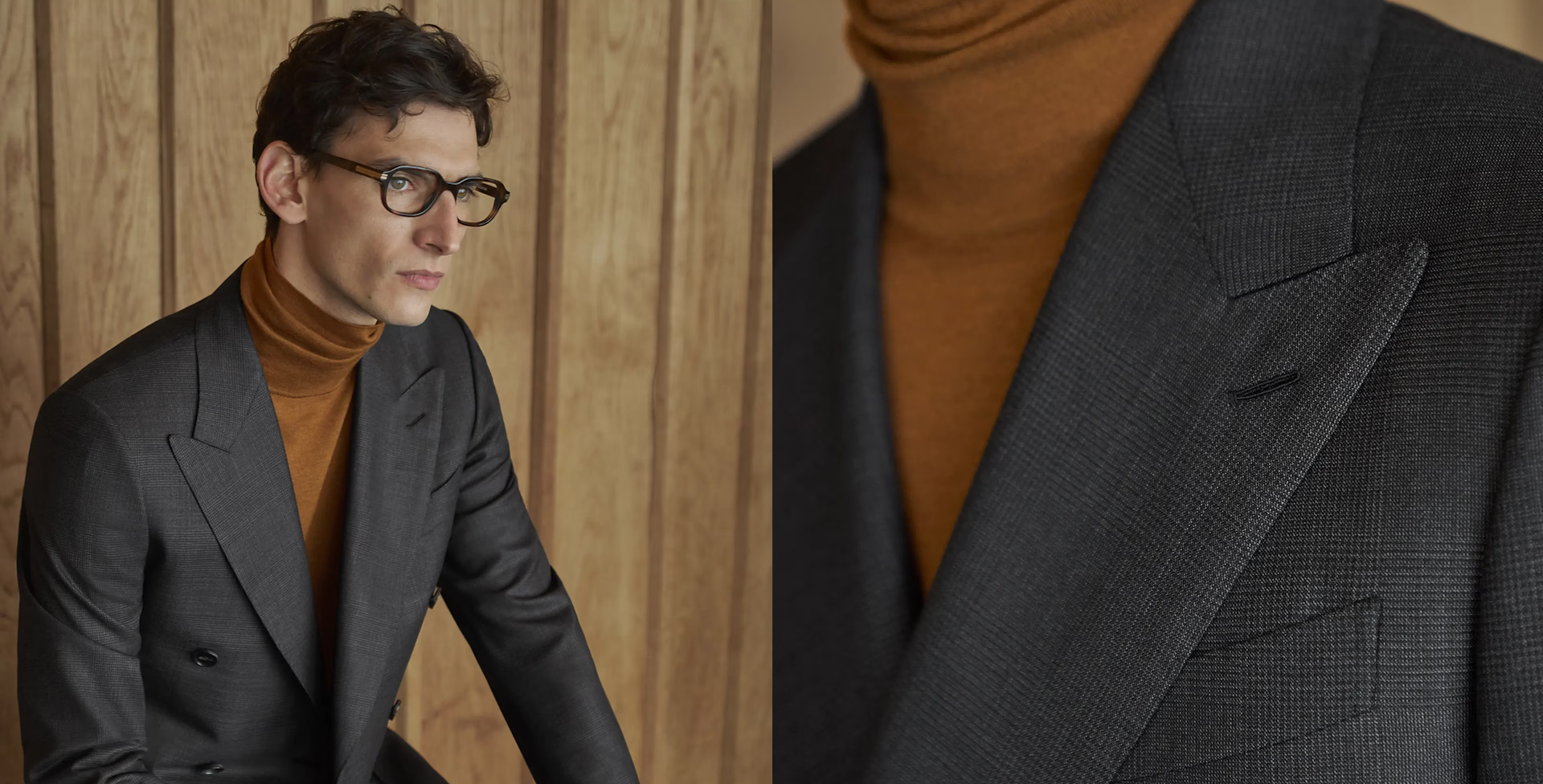
| Tom Ford | USA/Italy | High-Glamour | $5,500+ | Wide peaked lapels, heavy canvas |
| Zegna (Artisanal) | Milan, Italy | Modern Tech | $6,000+ | Oasi Cashmere, sustainable sourcing |
Technical Indicators of an Expensive Suit
When inspecting a high-end suit, there are several "tells" that signify a garment’s quality and justify its price. Experienced buyers look for these details to verify the level of handwork involved.
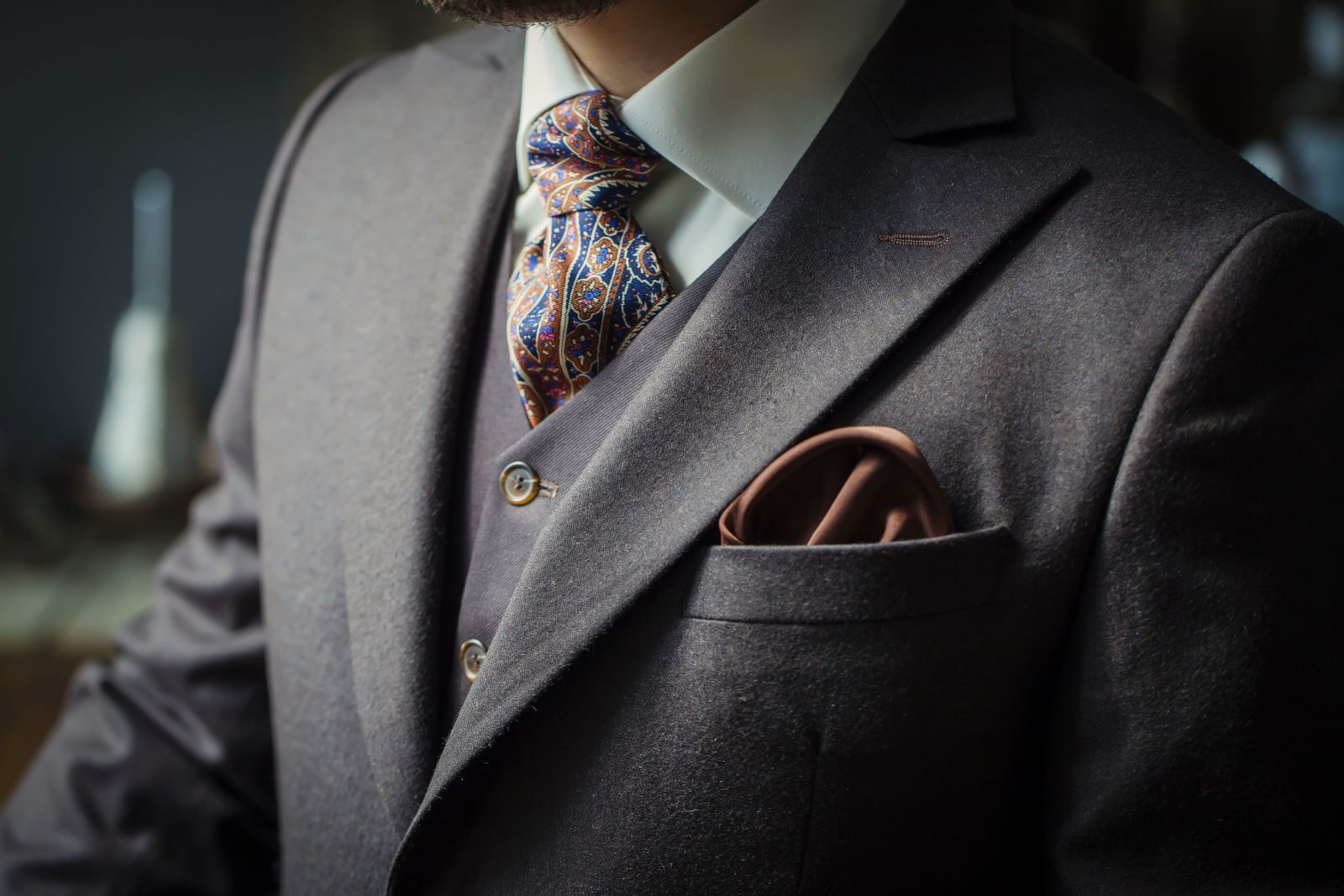
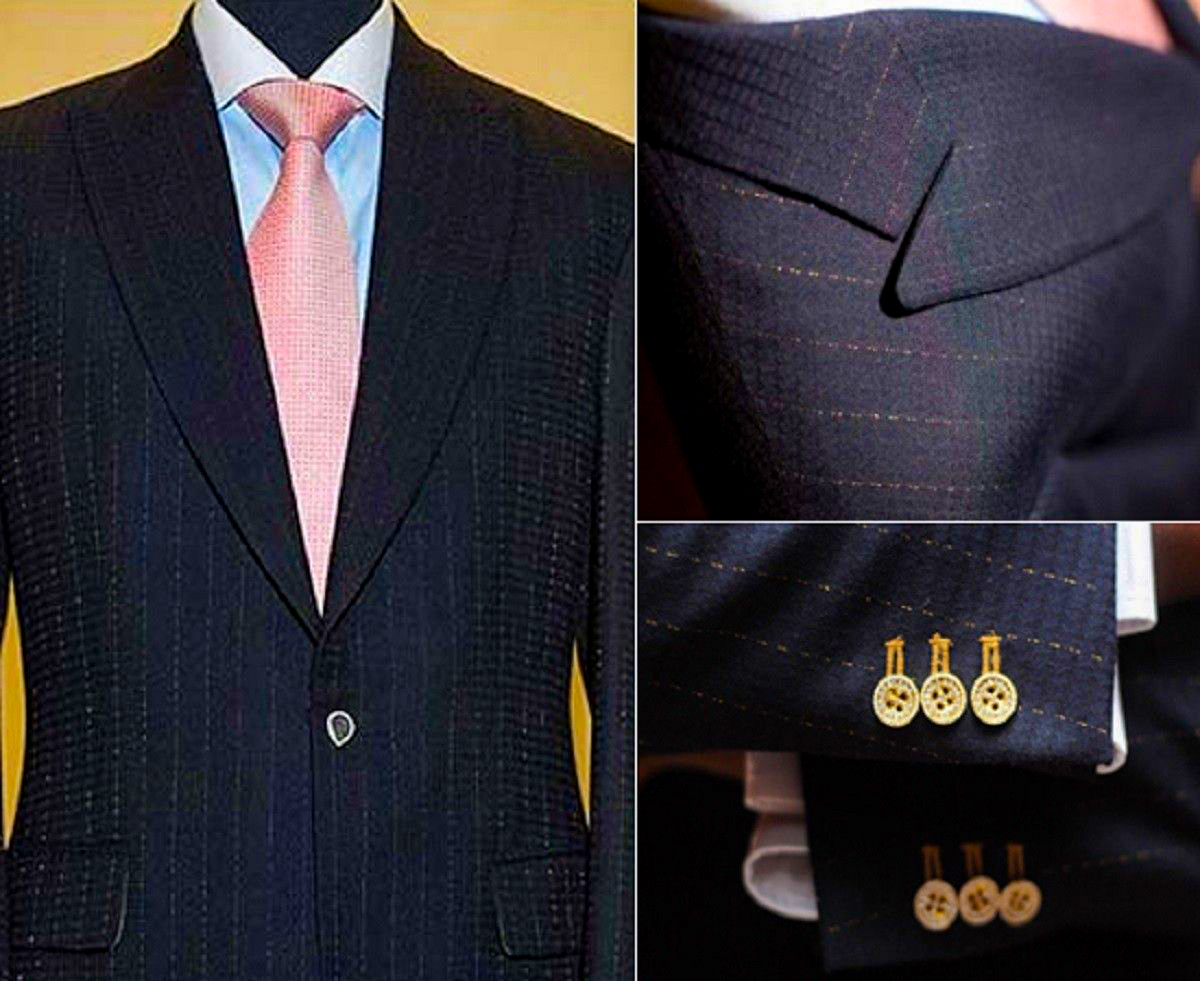
- Hand-Sewn Buttonholes: A machine-made buttonhole is uniform and flat. A hand-sewn buttonhole (often called a Milanese buttonhole if it is particularly raised and silky) is a labor-intensive detail that takes a tailor roughly 45 minutes to complete for a single hole.
- Pick Stitching: Visible but subtle stitching along the edges of the lapels and pockets. In expensive suits, these are slightly irregular, proving they were done by hand rather than a machine mimicking the look.
- Surgeons’ Cuffs: Functional buttons on the suit sleeves. While now common in some mid-tier brands, the quality of the stitching and the placement of the holes remain a hallmark of high-end tailoring.
- The Horn Button: Luxury brands eschew plastic. Buttons should be made from real buffalo horn, Corozo nut, or mother-of-pearl.
The Evolution of "Quiet Luxury" in 2026
By 2026, the trend of "Quiet Luxury" has solidified in the high-end suiting market. This movement prioritizes tactile quality and fit over visible branding or logos. Brands like Zegna have led this shift by focusing on their vertical integration—owning the sheep, the mills, and the boutiques. Their "Oasi Cashmere" and "Triple Stitch" movements emphasize that the most expensive suit is the one that feels like a second skin rather than a costume. This philosophy has moved the market away from flashy "fashion" suits toward timeless investments that can be repaired and maintained for a lifetime.
Frequently Asked Questions
Why is a bespoke suit more expensive than made-to-measure?
Bespoke involves creating a completely original paper pattern for the individual, requiring multiple intermediate fittings where the suit is "broken down" and rebuilt. Made-to-measure (MTM) uses a pre-existing block pattern that is modified to the user's measurements. Bespoke offers a higher degree of customization and typically involves more hand-stitching than MTM.
Is a $10,000 suit actually ten times better than a $1,000 suit?
In terms of longevity, yes. A $1,000 suit is likely fused (glued), meaning the internal layers will eventually delaminate and bubble after several dry cleanings. A $10,000 full-canvas suit is stitched together, allowing it to be repaired and worn for decades. The price also covers superior breathability and a natural drape that cheaper fabrics cannot achieve.
Which brand is best for a first-time luxury investment?
Zegna or Brioni are often recommended for first-time buyers. They offer a balanced, classic silhouette that works well in most professional and social environments. Their global presence also makes it easier to access tailoring services for adjustments.
How do I maintain a suit from an expensive brand?
The most important rule is to avoid over-cleaning. Chemical dry cleaning can strip the natural oils from high-end wool. Instead, use a horsehair garment brush to remove dust after each wear and use a high-quality steamer. Always hang the suit on a wide, contoured wooden hanger to preserve the shoulder shape.
Can these suits be altered if my weight changes?
Yes. High-end suits are constructed with "inlays"—extra fabric hidden within the seams. This allows a skilled tailor to let the suit out or take it in significantly more than a mass-produced suit, which usually has minimal seam allowance.
Final Recommendations for the Sartorial Investor
Investing in an expensive suit brand in 2026 should be approached as a long-term asset acquisition. For those seeking the absolute pinnacle of craftsmanship, Kiton or a Savile Row bespoke commission remains the gold standard. For the modern professional who requires a blend of prestige and durability, Brioni or Zegna’s upper-tier lines offer the most versatile options.
Before purchasing, always verify the construction type; ensure the garment is "full canvas" and inquire about the specific mill that produced the wool. A truly expensive suit is not merely about the price tag, but about the heritage of the hands that shaped the fabric.
Image Gallery