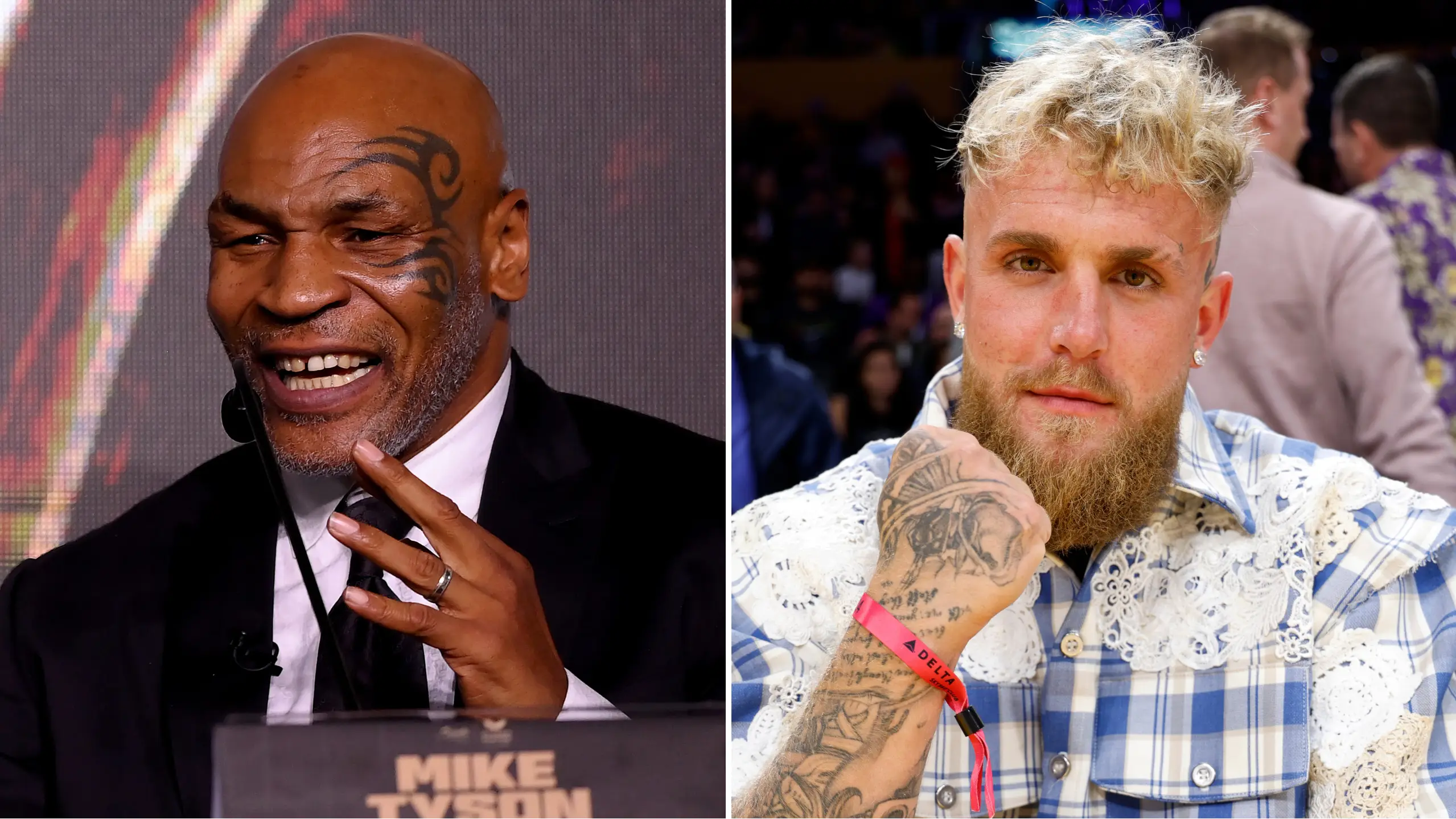
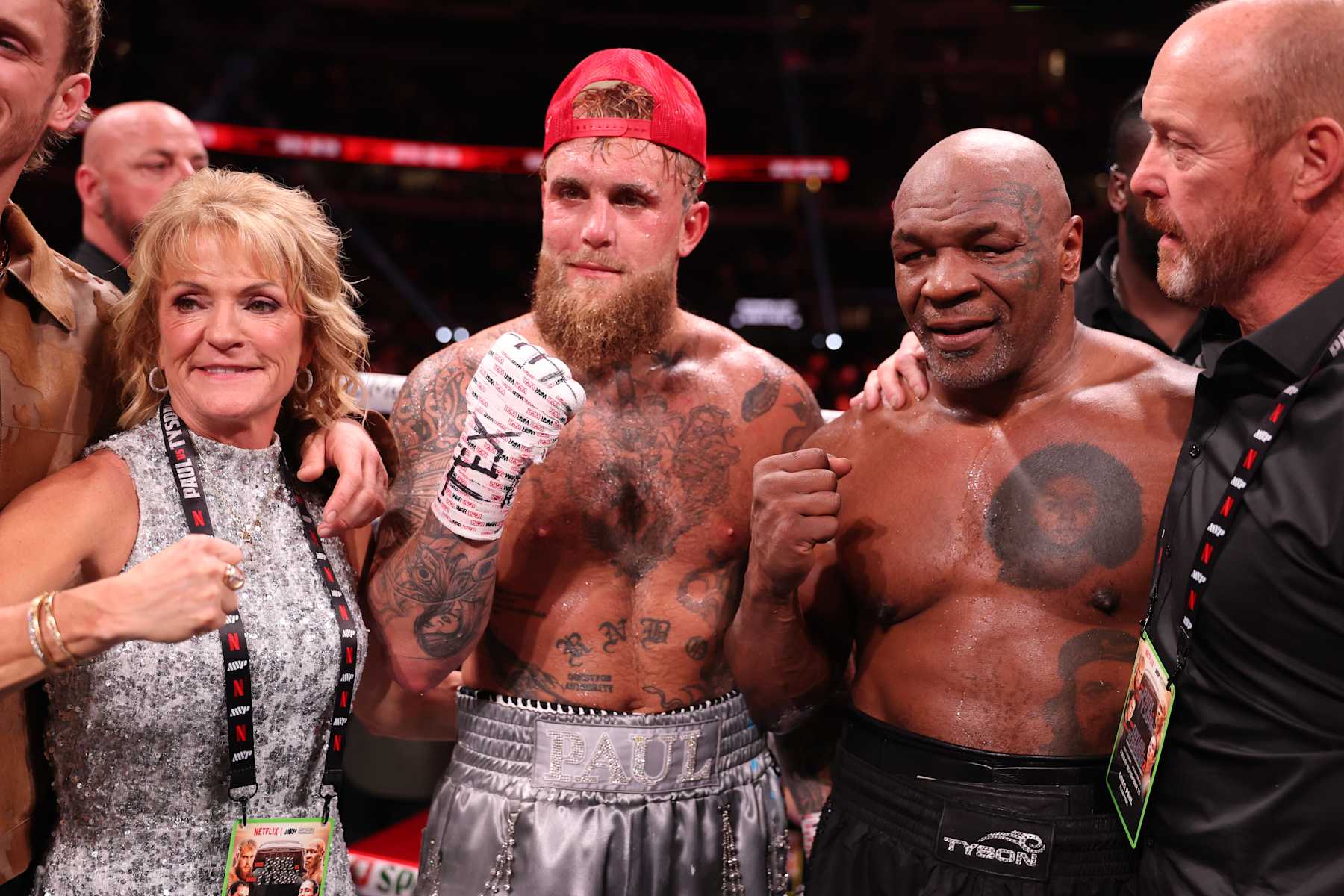
Mike Tyson’s Biggest Purse Revealed: A Deep Dive into Boxing’s Financial Legacy
The record for Mike Tyson’s biggest purse is widely attributed to his 2002 heavyweight championship bout against Lennox Lewis, where he earned approximately $35 million. While various reports regarding total pay-per-view (PPV) payouts...
The record for Mike Tyson’s biggest purse is widely attributed to his 2002 heavyweight championship bout against Lennox Lewis, where he earned approximately $35 million. While various reports regarding total pay-per-view (PPV) payouts and deferred earnings exist, the $35 million base guaranteed purse represents the documented peak of his earning power in a single professional contest.
Contents
The Financial Landscape of Professional Boxing in the 90s and 2000s
To understand the significance of Mike Tyson’s earnings, one must view them through the lens of the economic explosion that occurred in heavyweight boxing during the 1990s. This era represented the zenith of the pay-per-view model, where the combination of massive terrestrial broadcasting interest and a burgeoning subscription-based model allowed promoters like Don King and later, entities like Showtime and HBO, to generate unprecedented revenue streams.
A fighter’s "purse" is not merely a single salary payment. In professional boxing, it is typically composed of a base guarantee, a percentage of PPV buys (the "upside"), and sometimes a share of gate receipts or closed-circuit television revenue. When discussions regarding "Mike Tyson’s biggest purse" arise, they often conflate the guaranteed amount with the final, post-PPV-split total. The $35 million figure for the Lewis fight is the most reliable baseline for a singular night’s work, but it highlights the volatility of professional combat sports accounting.
Deconstructing the Lewis vs. Tyson Payday
The fight on June 8, 2002, at the Pyramid Arena in Memphis, Tennessee, was the culmination of years of anticipation. Tyson and Lewis were the two most marketable heavyweights in the world, and the promotional build-up was immense.
Because both fighters were guaranteed a percentage of the total revenue, the financial structure was complex. The total purse for the event was distributed through a 50/50 split of the promotional rights. While the $35 million is the commonly cited figure for Tyson, this amount was bolstered by the massive commercial success of the fight, which generated nearly $103 million in PPV revenue—a record-setting figure for that time. The fight sold approximately 1.95 million buys, proving that even as his physical prime waned, Tyson remained the most potent economic engine in the sport’s history.
Comparative Earnings: Tyson’s Peak Financial Years
To provide context on the scale of these earnings, it is helpful to look at how these amounts compare to other major fights in Tyson’s career. His earnings were not always consistent; they fluctuated based on opponent stature, the presence of a title, and his standing with the Nevada State Athletic Commission or other sanctioning bodies.
| Fight Date | Opponent | Estimated Purse (USD) |
|---|---|---|
| June 1997 | Evander Holyfield II | $30 Million |
| November 1996 | Evander Holyfield I | $25 Million |
| June 2002 | Lennox Lewis | $35 Million |
| August 1995 | Peter McNeeley | $20 Million |
| January 1997 | Bruce Seldon | $15 Million |
Note: These figures represent guaranteed base purses reported at the time of the events. Realized income often varied due to ancillary revenue sharing.
Factors Influencing High-Stakes Purses
Several technical and administrative variables determine how a purse is calculated and paid out. For an athlete of Tyson’s caliber, these factors were leveraged to maximize earnings:
- Gate Revenue: The physical ticket sales at the arena are a direct contributor to the pot. Large venues, like those in Las Vegas or Memphis, allowed for higher ticket prices, which inflated the purse.
- Global Broadcasting Rights: Beyond the US-based PPV model, international rights (broadcasting to the UK, Europe, and Asia) created secondary revenue pools that helped satisfy the demands of marquee fighters.
- Sponsorship and Endorsements: While not strictly part of the "purse," elite fighters often negotiated for branding space on their trunks, in the corner, or via press-conference signage, which essentially functioned as a salary multiplier.
- Tax and Legal Deductions: A professional boxer’s purse is subject to various deductions, including fees for the trainer, the cut-man, legal representation, management fees, and the significant tax liabilities of the jurisdiction where the fight takes place.
The Evolution of the Pay-Per-View Model
Mike Tyson’s career acted as the primary proof-of-concept for the modern PPV industry. In the mid-80s, Tyson’s rapid rise coincided with the growth of satellite and cable television. Promoters realized that they could bypass traditional network television—which paid a flat fee—and instead charge individual households a premium to watch the fight.
This pivot changed everything. In 1986, when Tyson became the youngest heavyweight champion in history, his purses were in the hundreds of thousands. By the early 90s, the "Tyson Factor" had driven purses into the tens of millions. The financial model transitioned from a fixed-salary structure to a performance-based revenue model, where the athlete became a partner in the financial risk and success of the event.
Common Misconceptions Regarding Tyson's Wealth
It is a common error to equate "biggest purse" with "net worth." Tyson’s professional earnings over his career were estimated to be in the hundreds of millions of dollars; however, high-level expenses, lifestyle choices, and legal issues significantly impacted his long-term financial position. When researching or discussing these figures, it is essential to distinguish between the gross amount paid by the promoter for a single night of competition and the athlete’s personal financial situation.
The purse represents the income before any overhead. In professional sports, "net income" after the costs of maintaining a training camp, paying a management team (typically 10–33%), and covering taxes, is significantly lower than the headline number.
Frequently Asked Questions
What was the total revenue for the Lennox Lewis vs. Mike Tyson fight? The fight generated approximately $103 million in PPV revenue, making it one of the highest-grossing combat sports events in history at the time of its 2002 airing.
Did Mike Tyson earn more than $35 million for any other fight? While the $35 million figure is the most widely documented base for the Lewis fight, some reports suggest that when deferred income and international broadcast rights are added, certain fights in the mid-90s may have yielded similar or slightly higher figures; however, $35 million remains the primary verified ceiling.
How much did Tyson pay his team from his purse? While percentages vary, standard industry practice for a top-tier fighter involves paying their trainer roughly 10% and their manager another 10-20% of the total purse. These are contractual obligations that come directly out of the "gross" purse.
How were purses regulated in the early 2000s? Purses were—and are—overseen by state athletic commissions. Promoters are required to post a bond or deposit the purse with the commission to ensure the fighter is paid. The commission deducts medical expenses and ensures that taxes are withheld before the funds are disbursed.
Are these purse numbers adjusted for inflation? No. The figures reported for Tyson’s career, such as the $35 million in 2002, are in nominal dollars for that specific year. Adjusting for 2026 inflation would represent a significantly higher value in today's currency.
Strategic Conclusion
To analyze Mike Tyson’s biggest purse is to observe the intersection of athletic dominance and mass-market entertainment. The $35 million earned against Lennox Lewis remains a benchmark for the heavy-weight division. For those interested in the financial history of the sport, the lesson is clear: the purse is a reflection of the fighter’s ability to move the needle on television sales, a skill set that Tyson mastered better than any of his contemporaries. When evaluating any future high-profile bout, look to the PPV projections and the promotional split rather than the face-value guarantee to understand the true financial outcome.
Image Gallery