How to Secure Low Interest Mortgage Loans for Homebuyers in 2026
Securing low interest mortgage loans involves maintaining a high credit score, providing a substantial down payment, and leveraging government-backed programs like FHA or VA loans. In 2026, comparing multiple lenders and considering di...
Securing low interest mortgage loans involves maintaining a high credit score, providing a substantial down payment, and leveraging government-backed programs like FHA or VA loans. In 2026, comparing multiple lenders and considering discount points or shorter loan terms are essential strategies to minimize long-term borrowing costs and improve overall housing affordability.
Contents
Understanding the 2026 Mortgage Landscape
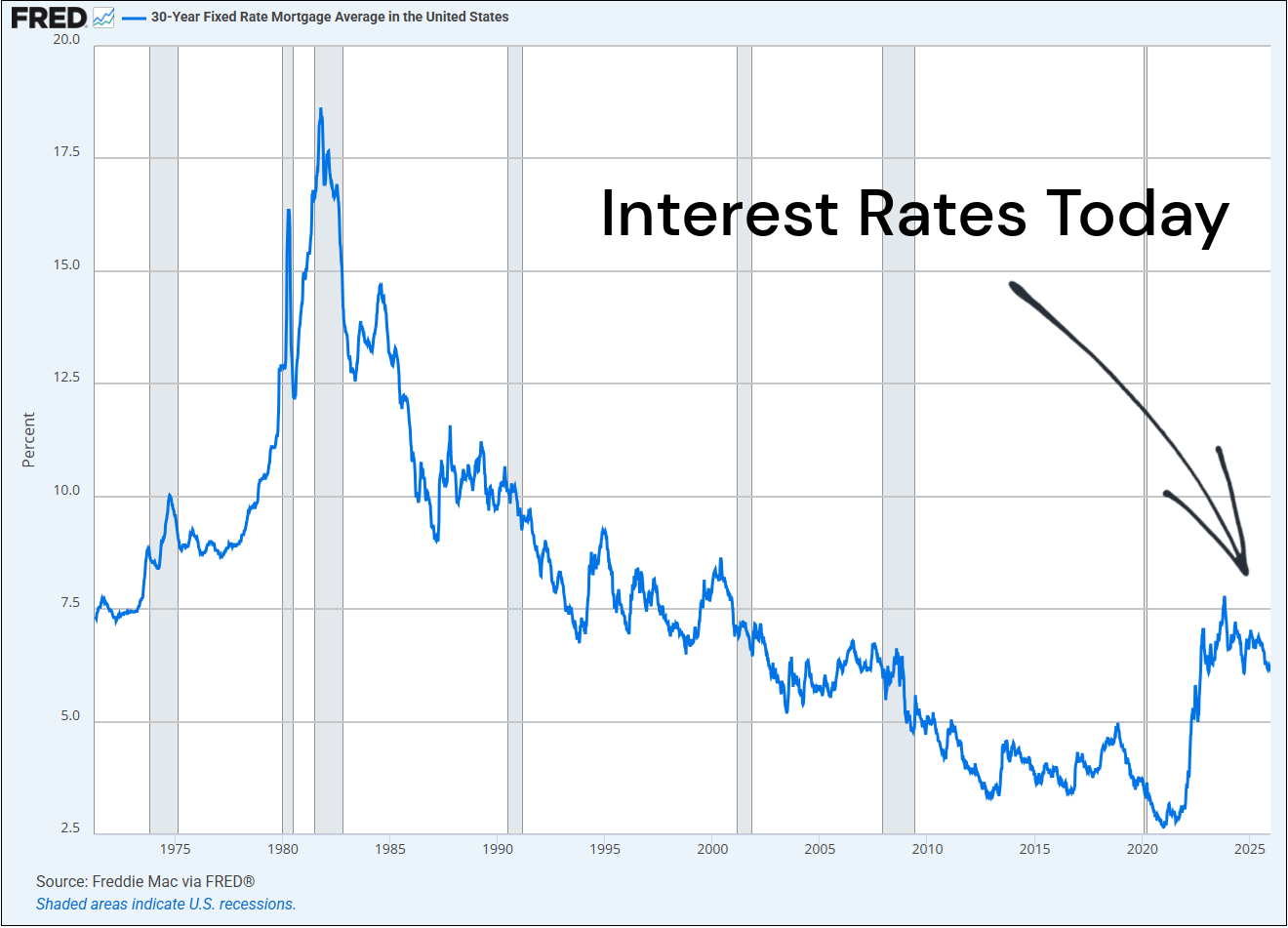
In 2026, the mortgage market has stabilized following the volatility of the early 2020s. Homebuyers today face a market where "low interest" is defined relative to the broader economic environment and the Federal Reserve's monetary policy. While rates may not reflect the historical lows seen during the pandemic era, they remain competitive for borrowers who present a low-risk profile to lenders.
A mortgage interest rate is more than just a percentage; it is the price of borrowing money. For homebuyers, even a 0.5% difference in an interest rate can result in tens of thousands of dollars in savings over the life of a 30-year loan. Understanding how these rates are calculated—and which variables a borrower can control—is the first step toward securing the most favorable terms available.
The availability of low interest mortgage loans for homebuyers is currently influenced by inflation targets, employment data, and the secondary mortgage market where loans are bundled and sold as securities. For the individual buyer, this means that while macroeconomic factors set the "floor" for rates, personal financial health determines how close to that floor their specific offer will be.
Primary Factors That Determine Your Mortgage Interest Rate
Lenders use a process called underwriting to assess the risk of lending to a specific individual. The lower the perceived risk, the lower the interest rate offered. In 2026, the following factors are the most critical in determining your eligibility for low interest mortgage loans.
Credit Score Tiers and Impact
Your credit score is arguably the most influential factor in the rate-setting process. Lenders typically categorize borrowers into "tiers." In the 2026 lending environment, a score of 740 or higher is generally required to access the absolute lowest rates. Borrowers with scores between 700 and 739 may still receive competitive offers, but they may face slightly higher interest rates or higher private mortgage insurance (PMI) costs.
If your score is below 620, securing a conventional low-interest loan becomes significantly more difficult. In such cases, government-backed options like FHA loans become the primary pathway, though these often come with additional insurance premiums that affect the total cost of the loan.
Debt-to-Income (DTI) Ratio
Lenders look at your DTI ratio to ensure you have the cash flow to manage a new mortgage payment alongside existing debts like student loans, car payments, and credit card balances. A DTI ratio below 36% is ideal for the best rates, although some programs allow for DTIs up to 43% or even 50% in specific circumstances. A lower DTI signals to the lender that you are less likely to default, which can lead to more favorable interest rate offers.
Loan-to-Value (LTV) Ratio and Down Payment
The LTV ratio represents the amount of the loan compared to the appraised value of the home. A higher down payment results in a lower LTV. If you can provide a 20% down payment, you not only avoid the requirement for PMI but also signal high financial stability to the lender. This often results in a lower interest rate because the lender’s capital is better protected in the event of a market downturn.
Types of Low Interest Mortgage Programs in 2026
Not all mortgage products are created equal. Depending on your professional background, location, and financial status, you may qualify for specific programs designed to offer lower-than-market rates.
Conventional Fixed-Rate Mortgages
These are the standard loans offered by private lenders and are not insured by the federal government. They are best for borrowers with strong credit and a stable down payment. While they may have stricter requirements, they offer the most flexibility and the ability to cancel mortgage insurance once you reach 20% equity.
FHA Loans (Federal Housing Administration)
FHA loans are popular among first-time homebuyers because they allow for down payments as low as 3.5% and lower credit scores. While the "sticker" interest rate on an FHA loan is often lower than a conventional loan, it is important to factor in the Mortgage Insurance Premium (MIP). This premium is required for the life of the loan if you put down less than 10%, which can make the effective interest rate higher than it initially appears.
VA Loans (Department of Veterans Affairs)
For active-duty service members, veterans, and eligible surviving spouses, VA loans are often the gold standard for low interest mortgage loans. These loans frequently offer the lowest rates on the market, require $0 down payment, and do not charge monthly mortgage insurance. The U.S. Department of Veterans Affairs sets the guidelines, though private lenders still set the specific interest rates.
USDA Loans (U.S. Department of Agriculture)
Designed for low-to-moderate-income homebuyers in designated rural and suburban areas, USDA loans offer competitive rates and 0% down payment options. To qualify, both the property and the borrower must meet specific geographic and income eligibility requirements. You can verify property eligibility through the USDA Rural Development portal.
Comparison of Mortgage Loan Options (2026 Averages)
| Loan Type | Min. Credit Score | Typical Down Payment | Interest Rate Profile | Best For |
|---|---|---|---|---|
| Conventional | 620 | 3% - 20% | Market Baseline | Borrowers with 720+ credit |
| FHA | 500 - 580 | 3.5% | Lower than Conventional | First-time buyers/Low credit |
| VA | N/A (Lender set) | 0% | Lowest Available | Veterans and Service Members |
| USDA | 640 | 0% | Very Competitive | Rural and Suburban buyers |
| 15-Year Fixed | 620 | 3% - 20% | ~0.5% to 1% lower | Those wanting fast equity |
Strategies to Lower Your Mortgage Interest Rate
If you are unsatisfied with the initial rates quoted by lenders, there are several proactive steps you can take to buy down the rate or negotiate better terms.
Paying for Discount Points
A "point" is an upfront fee paid to the lender at closing in exchange for a lower interest rate. Typically, one point costs 1% of the total loan amount and reduces your interest rate by approximately 0.25%. This is a "prepaid interest" strategy. It is most effective if you plan to stay in the home long enough to reach the break-even point, which is the moment the monthly savings from the lower rate exceed the upfront cost of the points.
Opting for a Shorter Loan Term
While the 30-year fixed-rate mortgage is the most common choice, opting for a 15-year or 20-year term almost always results in a lower interest rate. Lenders offer lower rates for shorter terms because they are exposed to interest rate risk for a shorter period. While your monthly payments will be significantly higher, the total interest paid over the life of the loan will be drastically reduced.
The "Rate Lock" Strategy
Mortgage rates fluctuate daily based on bond market activity. Once you find a rate you are comfortable with, you can request a rate lock from your lender. This guarantees the interest rate for a specific period (usually 30 to 60 days) while your loan is processed. In a volatile market, a well-timed rate lock can prevent your rate from climbing before you close on the house.
Where to Find the Best Lenders in 2026
The source of your loan can be just as important as the type of loan. Different institutions have different overhead costs and risk tolerances, which they pass on to you through interest rates.
- Credit Unions: Because they are member-owned, non-profit organizations, credit unions often offer lower interest rates and lower fees than large commercial banks.
- Online Lenders: These companies often have lower overhead than brick-and-mortar banks, allowing them to pass savings to consumers. They are also known for faster processing times.
- Mortgage Brokers: A broker doesn't lend money directly but shops your profile to multiple lenders to find the lowest possible rate. This can be a time-saving way to compare various products simultaneously.
- Local Banks: Small, community-based banks may offer "portfolio loans" that they keep on their own books rather than selling to the secondary market. This allows them more flexibility in setting rates for local residents.
The Consumer Financial Protection Bureau (CFPB) recommends getting quotes from at least three different lenders. Research shows that borrowers who compare multiple lenders save an average of $1,500 to $3,000 over the life of the loan.
Common Mistakes When Seeking Low Interest Rates
Securing a low rate is a technical process, and several common errors can inadvertently drive your costs up.
- Focusing Only on the Interest Rate: The interest rate is only part of the story. You must also look at the Annual Percentage Rate (APR). The APR includes the interest rate plus lender fees, points, and other charges. A loan with a lower interest rate but higher fees might actually be more expensive than a loan with a slightly higher rate and no fees.
- Applying for New Credit Before Closing: Once you have been pre-approved for a low interest rate, do not open new credit cards or take out an auto loan. These actions change your DTI and credit score, which can lead the lender to increase your rate or even deny the loan right before closing.
- Neglecting the Fine Print on ARMs: Adjustable-Rate Mortgages (ARMs) often start with an enticingly low "teaser" rate. However, these rates are subject to adjustment after a set period (e.g., 5 or 7 years). If market rates rise, your payment could become unaffordable. Only choose an ARM if you are certain you will sell or refinance before the adjustment period begins.
Frequently Asked Questions
What is a "good" mortgage interest rate in 2026?
A "good" rate is one that is at or below the national average for your specific loan type and credit profile. In 2026, a rate is considered highly competitive if it is within the bottom 25% of rates offered by major lenders for borrowers with 740+ credit scores. Always check current daily averages through financial news outlets or the Federal Reserve Economic Data (FRED) to establish a benchmark.
Can I get a low interest mortgage with a 600 credit score?
While possible, it is challenging to get a "low" interest rate with a 600 score. You would likely be limited to FHA loans, which may have higher effective costs due to mortgage insurance. If time permits, it is often more financially beneficial to spend six months improving your credit score to reach the 680+ range before applying.
How do interest rates affect my monthly payment?
Interest rates have a massive impact on purchasing power. For example, on a $400,000 loan, the difference between a 5% and a 6% interest rate is roughly $250 per month. Over 30 years, that 1% difference costs the homebuyer an additional $90,000 in interest payments.
Is it better to wait for rates to drop further?
Attempting to "time the market" is risky. If you find a home that fits your budget and needs, and you qualify for a rate you can afford, it is generally better to proceed. If rates drop significantly in the future, you can explore refinancing options to lower your rate later.
Does the property type affect the interest rate?
Yes. Lenders typically offer the lowest rates for primary residences (the home you live in). Investment properties and second homes are considered higher risk and usually carry interest rates that are 0.5% to 1% higher than primary residence loans. Multi-family units (3-4 units) may also have different rate structures compared to single-family homes.
Strategic Action Plan for 2026 Homebuyers
To secure the lowest possible interest rate, start your preparation at least six months before you intend to buy. First, pull your credit reports from all three bureaus and dispute any inaccuracies. Simultaneously, aggressively pay down revolving credit card debt to lower your DTI and boost your score.
Once you are ready to shop, obtain a "Loan Estimate" form from at least three different types of lenders (e.g., one big bank, one credit union, and one online lender). Compare the APR, not just the interest rate, and don't be afraid to ask a lender to match a competitor's lower offer. By focusing on the data and maintaining a strong financial profile, you can navigate the 2026 housing market with the best possible financing in place.
Disclaimer: Mortgage rates and lending requirements are subject to change based on market conditions and regulatory updates. Consult with a qualified financial advisor or mortgage professional for personalized advice regarding your specific financial situation.
Image Gallery