Understanding the Healthy Body Weight for a 57-Year-Old Female
For a 57-year-old female, a healthy body weight is typically defined by a Body Mass Index (BMI) between 18.5 and 24.9. However, clinical research increasingly suggests that for women in their late 50s, a slightly higher BMI—ranging fro...
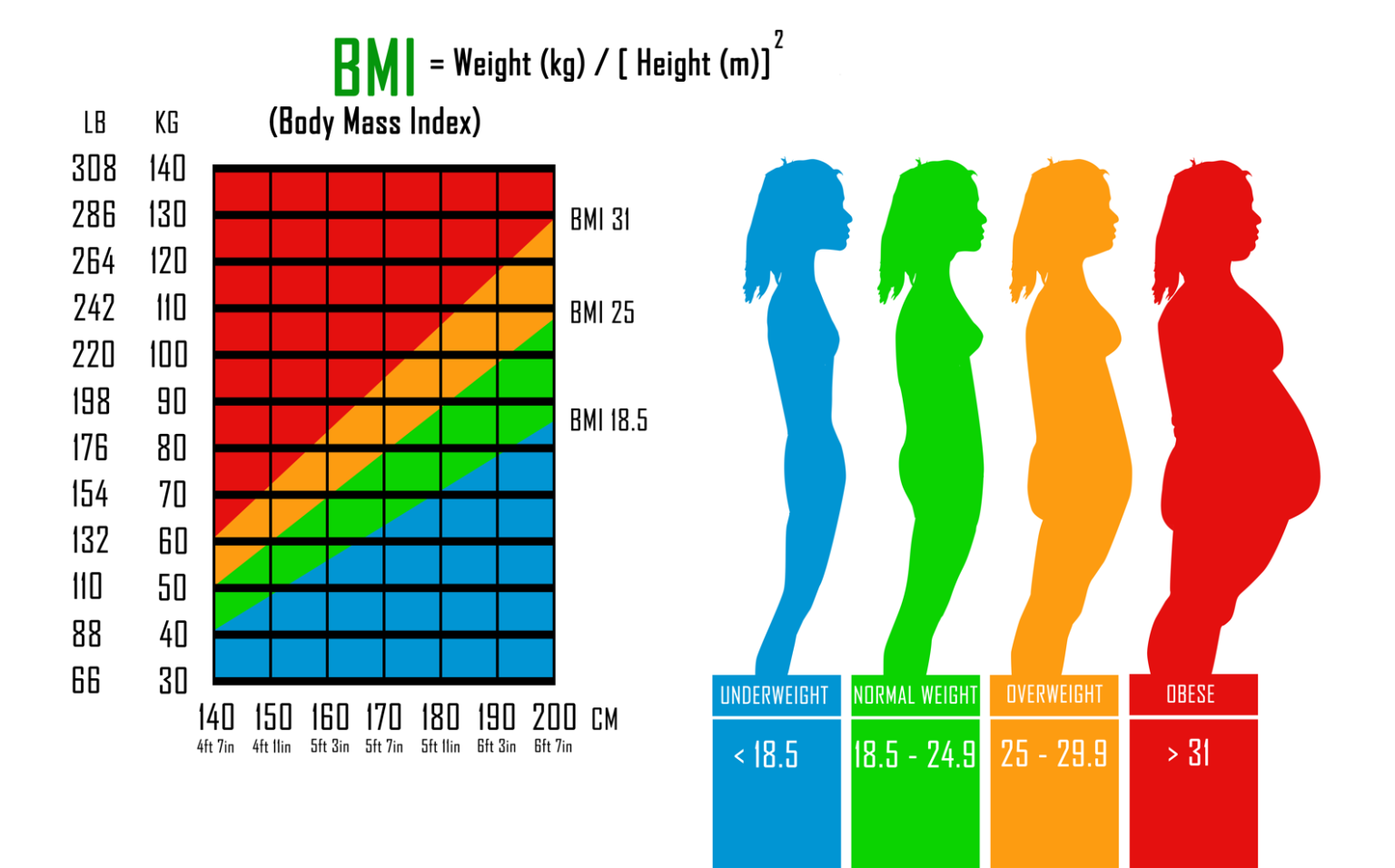
For a 57-year-old female, a healthy body weight is typically defined by a Body Mass Index (BMI) between 18.5 and 24.9. However, clinical research increasingly suggests that for women in their late 50s, a slightly higher BMI—ranging from 22 to 27—may offer better protection against osteoporosis and age-related frailty, provided waist circumference remains under 35 inches.
Contents
The Evolution of Weight Standards for Women in Their 50s
Determining a "healthy" weight at age 57 requires a more nuanced approach than simply stepping on a scale. While the World Health Organization (WHO) and the Centers for Disease Control and Prevention (CDC) still utilize the standard BMI categories, the medical community in 2026 recognizes that biological age and body composition often supersede the BMI number. For a woman of 57, the body has undergone significant physiological shifts, primarily due to the completion of the menopausal transition.
During this stage of life, the "ideal" weight is less about a specific number and more about the ratio of lean muscle mass to adipose tissue (fat). At 57, many women face a "U-shaped" mortality curve regarding weight. This means that being slightly "overweight" by traditional standards can actually be more protective against mortality than being "underweight," a phenomenon often referred to as the obesity paradox in aging. The goal is to maintain enough weight to support bone mineral density while keeping metabolic markers like blood pressure and glucose within healthy ranges.
Why BMI Alone is Insufficient
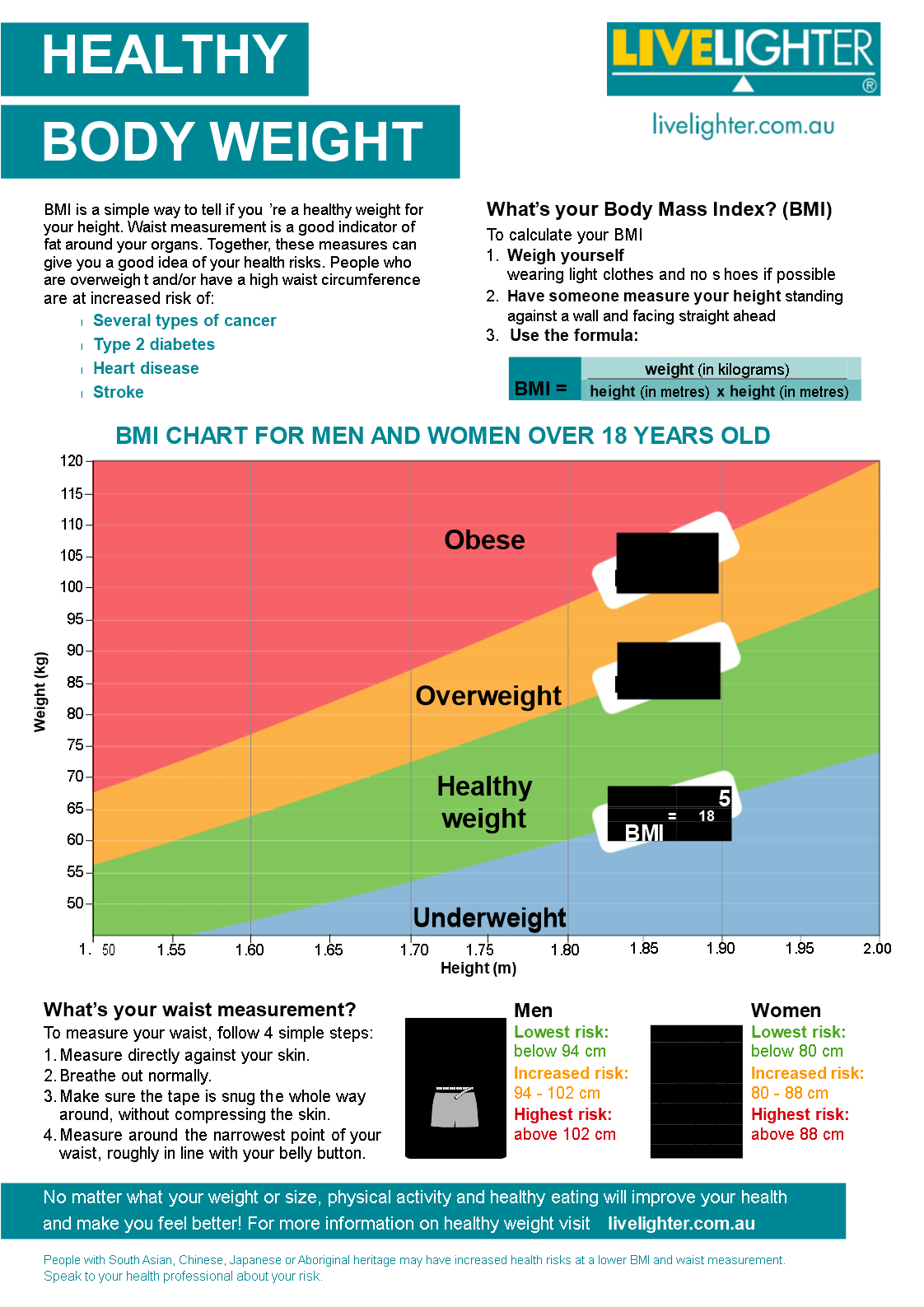
The Body Mass Index is a mathematical formula (weight in kilograms divided by height in meters squared) that does not distinguish between fat and muscle. For a 57-year-old woman, this is a critical flaw. Due to sarcopenia—the age-related loss of skeletal muscle mass—a woman might weigh the same as she did at age 30 but have a significantly higher body fat percentage.
At 57, a woman who falls into the "normal" BMI range but lacks muscle mass may suffer from "sarcopenic obesity." This condition carries many of the same metabolic risks as being clinically obese, including insulin resistance and cardiovascular strain. Therefore, while BMI serves as a useful starting point, it must be interpreted alongside other metrics like waist-to-hip ratio and functional strength.
The Impact of Menopause on Weight Distribution
By age 57, most women are post-menopausal, having reached the milestone roughly five to seven years prior. The decline in estrogen levels fundamentally changes how the female body stores fat. Prior to menopause, fat is typically stored in the hips and thighs (gynoid distribution). Post-menopause, the body tends to shift fat storage toward the midsection (android distribution).
This visceral fat—the fat stored deep within the abdominal cavity surrounding internal organs—is metabolically active and proinflammatory. It is a major contributor to the increased risk of type 2 diabetes and heart disease in women over 55. Consequently, a 57-year-old female may find that her "healthy weight" results in a larger clothing size than it did a decade ago because the fat has migrated to the waistline.
Protecting Bone Density
One of the most compelling reasons to avoid excessive thinness at age 57 is bone health. Estrogen is a key protector of bone density; when it drops, the risk of osteoporosis increases significantly. Carrying a slightly higher body weight can stimulate bone-building cells through mechanical loading. Furthermore, adipose tissue is a secondary site for estrogen production (converting androgens into estrogen via the enzyme aromatase). A woman who is too thin at 57 may have lower circulating estrogen and lower bone density, leading to a higher risk of fractures.
Key Metrics for Assessing Health at 57
To truly understand if a 57-year-old woman is at a healthy weight, healthcare providers in 2026 look at a composite of data points. Weight is merely the baseline.
Waist Circumference and Waist-to-Height Ratio
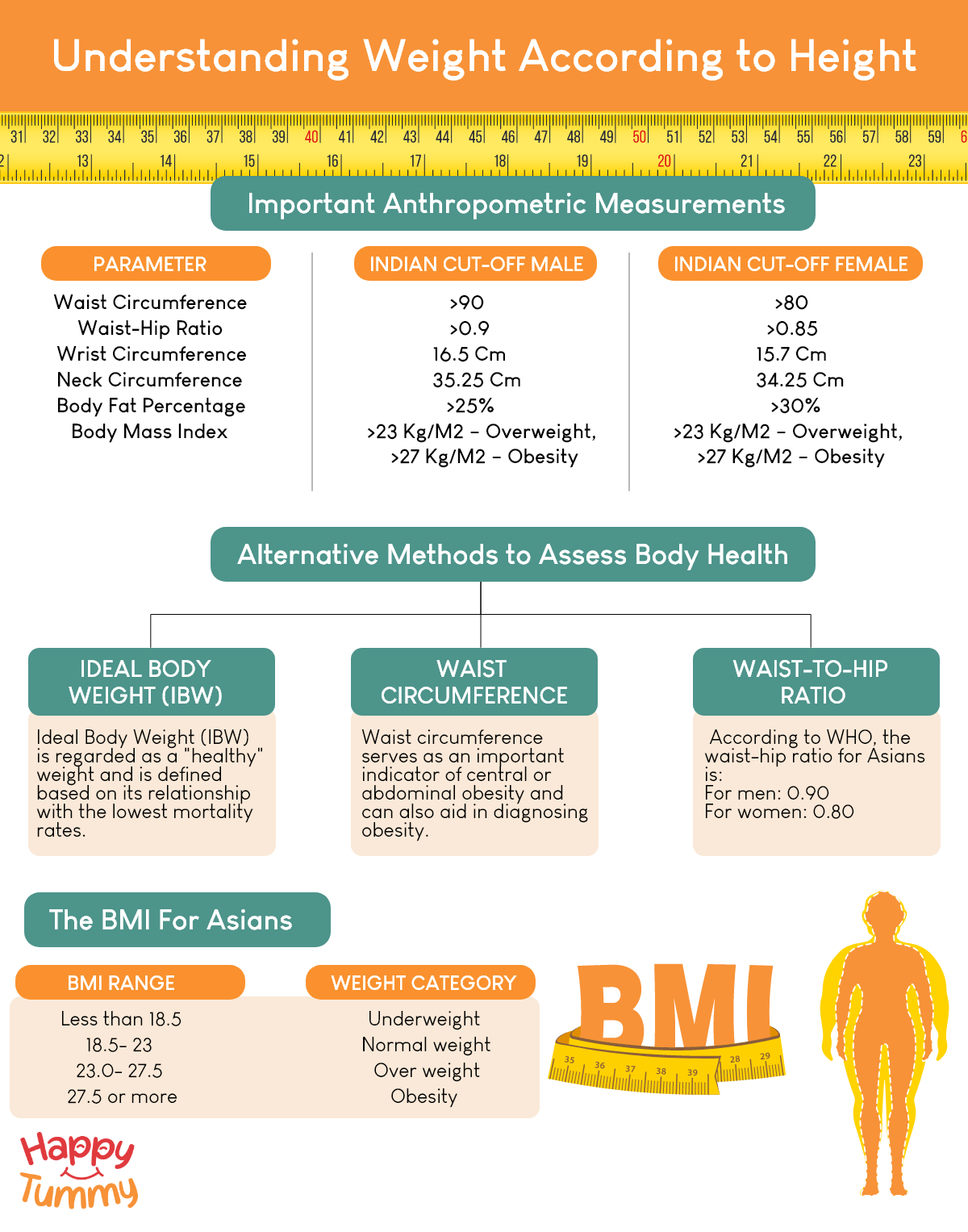
The measurement of the waist is often a more accurate predictor of health outcomes than the scale. For women, a waist circumference of more than 35 inches (88 cm) is associated with an increased risk of chronic disease, regardless of BMI. A more modern metric, the waist-to-height ratio (WHtR), suggests that your waist circumference should be less than half your height. For a woman who is 5'4" (64 inches), her waist should ideally be 32 inches or less.
Body Composition and Muscle Mass
As muscle is more dense than fat, a 57-year-old woman who engages in regular resistance training might weigh more on the scale but have a lower risk of metabolic disease. Improving muscle mass at this age is crucial for maintaining the Basal Metabolic Rate (BMR). Every pound of muscle lost results in a decrease in the number of calories the body burns at rest, making weight maintenance progressively harder without intentional strength work.
Recommended Weight Ranges by Height (2026 Guidelines)
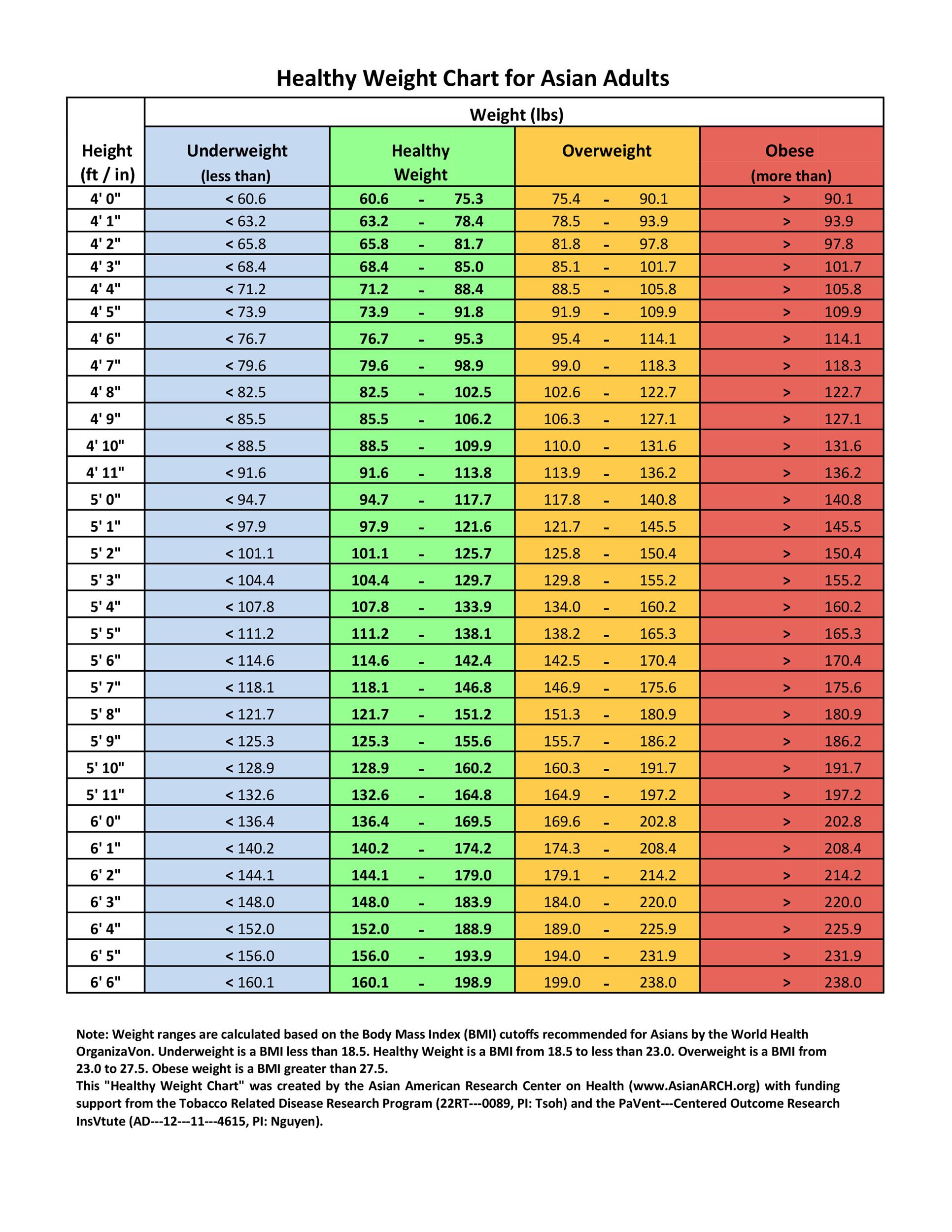
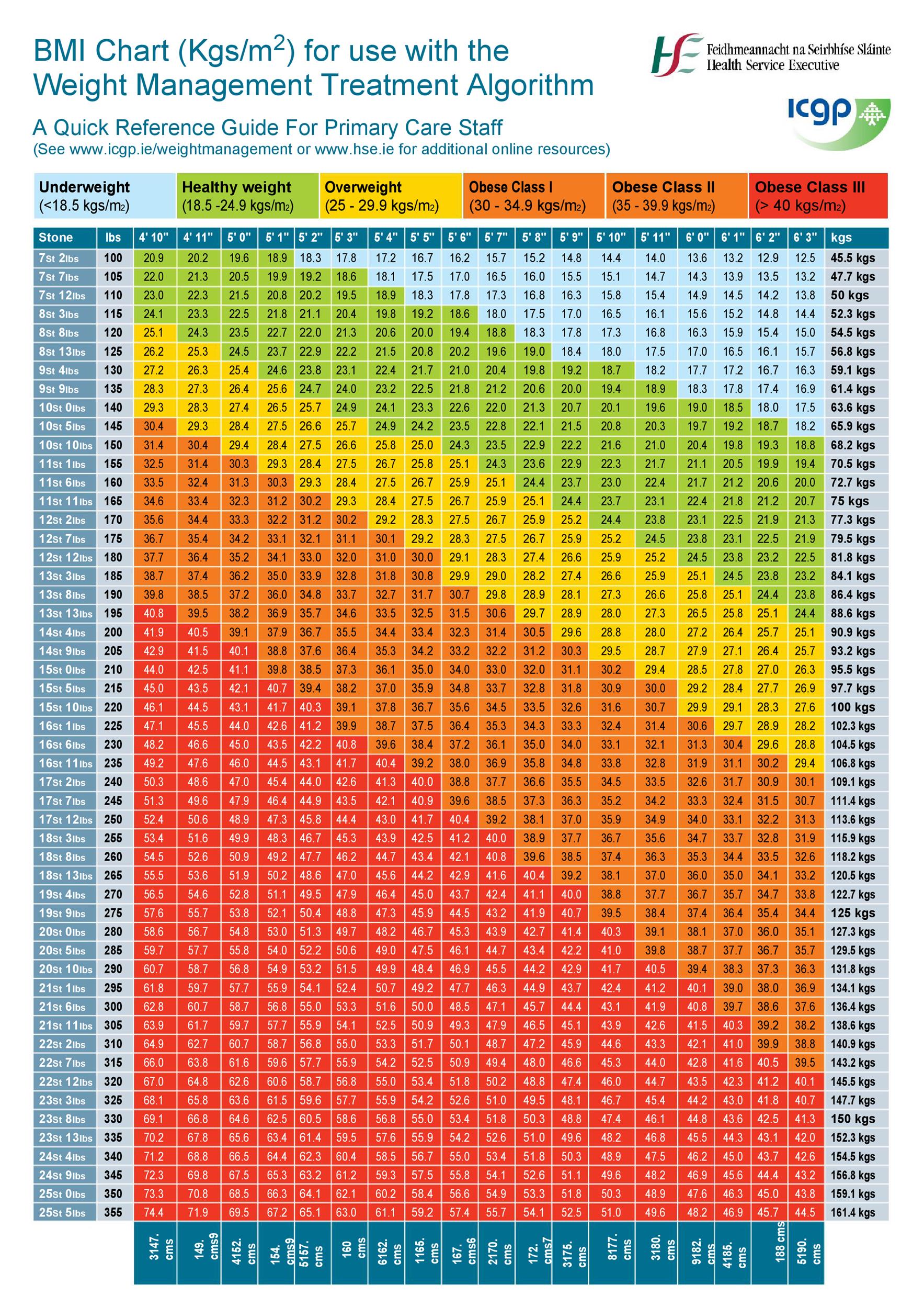
The following table provides a comparison between traditional BMI-based "normal" weight and the "longevity-optimized" weight range, which accounts for the protective benefits of muscle and bone mass in the late 50s.
| Height | Traditional Healthy Weight (BMI 18.5-24.9) | Longevity-Optimized Weight (BMI 22-27) | High-Risk Waist Circumference |
|---|---|---|---|
| 5'0" (152 cm) | 95 – 127 lbs | 112 – 138 lbs | > 35 Inches |
| 5'2" (157 cm) | 101 – 135 lbs | 120 – 148 lbs | > 35 Inches |
| 5'4" (163 cm) | 108 – 145 lbs | 128 – 157 lbs | > 35 Inches |
| 5'6" (168 cm) | 114 – 154 lbs | 136 – 167 lbs | > 35 Inches |
| 5'8" (173 cm) | 121 – 163 lbs | 144 – 177 lbs | > 35 Inches |
| 5'10" (178 cm) | 129 – 173 lbs | 153 – 188 lbs | > 35 Inches |
The Role of Nutrition and Metabolism
Metabolic health at 57 is heavily influenced by protein intake and insulin sensitivity. As the body becomes less efficient at processing carbohydrates and utilizing protein for muscle synthesis, dietary adjustments are necessary to maintain a healthy weight.
- Protein Requirements: To combat sarcopenia, women in their late 50s often require more protein than younger adults. Current 2026 clinical recommendations suggest 1.2 to 1.5 grams of protein per kilogram of body weight to maintain lean mass during weight maintenance or loss.
- Micronutrient Density: Focus shifts toward calcium, vitamin D3, and magnesium. A "healthy weight" achieved through calorie restriction that lacks these nutrients can lead to frailty.
- Hydration: Age reduces the sensation of thirst. Maintaining proper hydration is essential for metabolic processes and kidney function, which can impact fluid retention and "scale weight."
Common Mistakes in Weight Management at 57
Many women attempt to maintain their 57-year-old body using the same strategies they used in their 30s. This often leads to frustration and poor health outcomes.
- Excessive Cardio, Minimal Strength: Relying solely on walking or cycling without lifting weights leads to muscle loss. While cardiovascular health is vital, it does not prevent the sarcopenia that changes body shape and slows metabolism.
- Extreme Caloric Restriction: Eating too few calories can trigger a "starvation response" where the body breaks down muscle tissue for energy, further lowering the metabolic rate and increasing the percentage of body fat.
- Ignoring Sleep and Stress: At 57, cortisol levels can be volatile. High stress and poor sleep lead to elevated cortisol, which specifically promotes the accumulation of visceral belly fat.
FAQs
Is a BMI of 26 considered overweight for a 57-year-old woman?
Technically, a BMI of 26 is classified as "overweight." However, for a 57-year-old woman, many geriatricians and endocrinologists consider this an ideal "cushion" weight. It provides a reserve in case of illness and supports bone density. If her waist circumference is within a healthy range and her blood pressure/cholesterol are normal, a BMI of 26 is often healthier than a BMI of 19.
Why is it so hard to lose weight at 57?
Weight loss is more difficult due to the intersection of hormonal changes and muscle loss. With lower estrogen, the body is more prone to insulin resistance. Additionally, if muscle mass has declined, your resting metabolic rate is lower, meaning you must eat fewer calories or move significantly more than you did previously just to maintain the same weight.
What is the most important measurement for a woman my age?
While weight matters, your waist-to-height ratio is arguably the most important metric. Keeping your waist measurement at less than half your height is a powerful way to reduce the risk of cardiovascular disease and metabolic syndrome, which are the primary health concerns for women in their late 50s.
Should I use weight-loss medications at 57?
The use of GLP-1 agonists or other weight-loss medications should be a decision made with a healthcare provider. At 57, the primary concern with rapid weight loss is the simultaneous loss of muscle and bone. Any medical weight-loss intervention must be paired with high protein intake and resistance training to ensure the weight lost is fat, not vital lean tissue.
How much weight can I expect to gain during menopause?
On average, women gain about 1 to 2 kilograms (2.2 to 4.4 lbs) during the menopausal transition. However, the more significant change is the shift in where that weight is carried. Even women who do not gain weight on the scale often see an increase in their waist measurement.
Practical Recommendations
For a 57-year-old woman, the path to a healthy weight involves prioritizing quality over quantity. Instead of chasing a number on the scale from your youth, focus on achieving a weight that allows for high functional mobility and metabolic health.
- Prioritize Strength Training: Aim for at least two to three sessions of resistance training per week. This is the single most effective way to "reset" your metabolism and ensure your weight is composed of healthy muscle rather than visceral fat.
- Monitor Metabolic Markers: Visit your physician to check your A1C (blood sugar), lipid profile, and blood pressure. A "healthy weight" is one where these markers are in optimal ranges without heavy medication.
- Measure Your Waist: Use a tape measure once a month. If your weight is stable but your waist is increasing, it is a sign that you need to adjust your activity levels or nutrition to combat visceral fat.
- Seek Professional Guidance: Consult a registered dietitian who specializes in menopause and aging to create a protein-forward eating plan that supports your specific activity level.
Disclaimer: This information is for educational purposes and does not constitute medical advice. Always consult with a healthcare professional before starting a new diet or exercise regimen, especially if you have underlying health conditions.
Image Gallery