How to Choose the Right AMD Processor in 2026: A Complete Buyer’s Guide
Choosing the right AMD processor in 2026 requires matching your specific workload—whether it is high-refresh-rate gaming, professional 8K video editing, or everyday office productivity—with the appropriate Ryzen series. By prioritizing...
Choosing the right AMD processor in 2026 requires matching your specific workload—whether it is high-refresh-rate gaming, professional 8K video editing, or everyday office productivity—with the appropriate Ryzen series. By prioritizing the AM5 platform for longevity and selecting "X3D" models for gaming or "Ryzen 9" chips for multi-threaded tasks, you ensure optimal performance and a clear upgrade path.
Contents
The landscape of central processing units (CPUs) has shifted significantly over the last few years. In 2026, AMD has solidified its position as a leader in both efficiency and raw performance, thanks to the maturation of the Zen 5 architecture and the introduction of Zen 6. However, the sheer variety of options—ranging from budget-friendly legacy chips to high-end workstation processors—can be overwhelming. This guide breaks down the technical specifications, platform requirements, and use-case scenarios to help you make an informed investment.
Understanding the AMD Ryzen Hierarchy
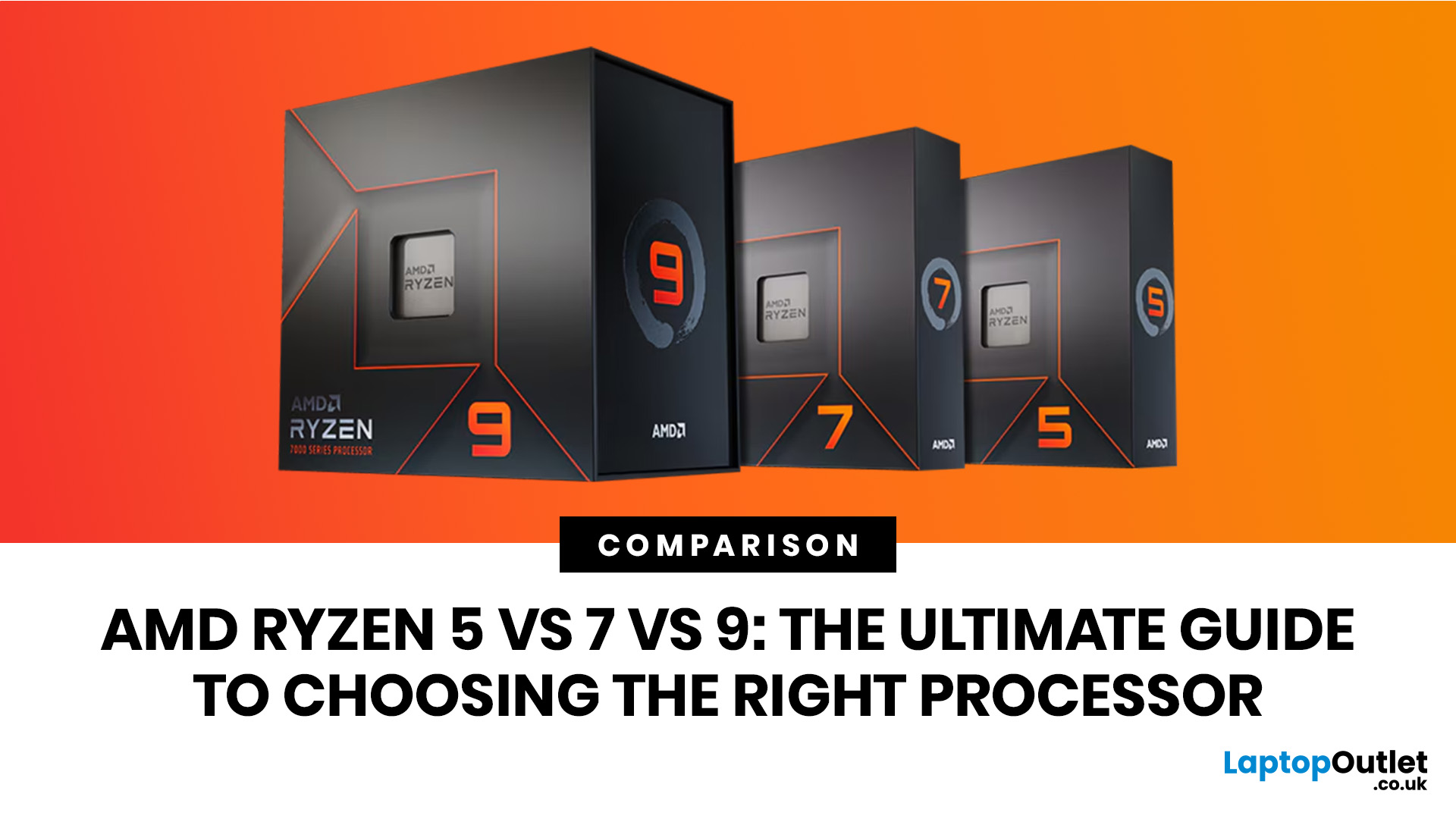
Before looking at specific models, it is essential to understand how AMD categorizes its processors. The "Ryzen" brand is divided into several tiers, similar to its competitors, but with distinct performance characteristics tailored to different user segments.
Ryzen 3: The Entry-Level Standard
In 2026, Ryzen 3 processors are primarily designed for basic computing, home office setups, and educational environments. While they typically feature 4 cores, their efficiency on the Zen 5 architecture makes them more than capable of handling web browsing, streaming, and word processing. They are frequently found in "G-Series" variants, which include robust integrated graphics, eliminating the need for a dedicated GPU in budget builds.
Ryzen 5: The Mainstream Sweet Spot
The Ryzen 5 tier remains the most popular choice for the average consumer. Usually featuring 6 or 8 cores, these processors provide a balanced performance profile for mid-range gaming and general multitasking. For most users building a PC in 2026, a Ryzen 5 chip on the AM5 platform offers the best "bang for your buck," providing enough overhead for modern software without the premium price tag of higher tiers.
Ryzen 7: The Enthusiast and Gamer’s Choice
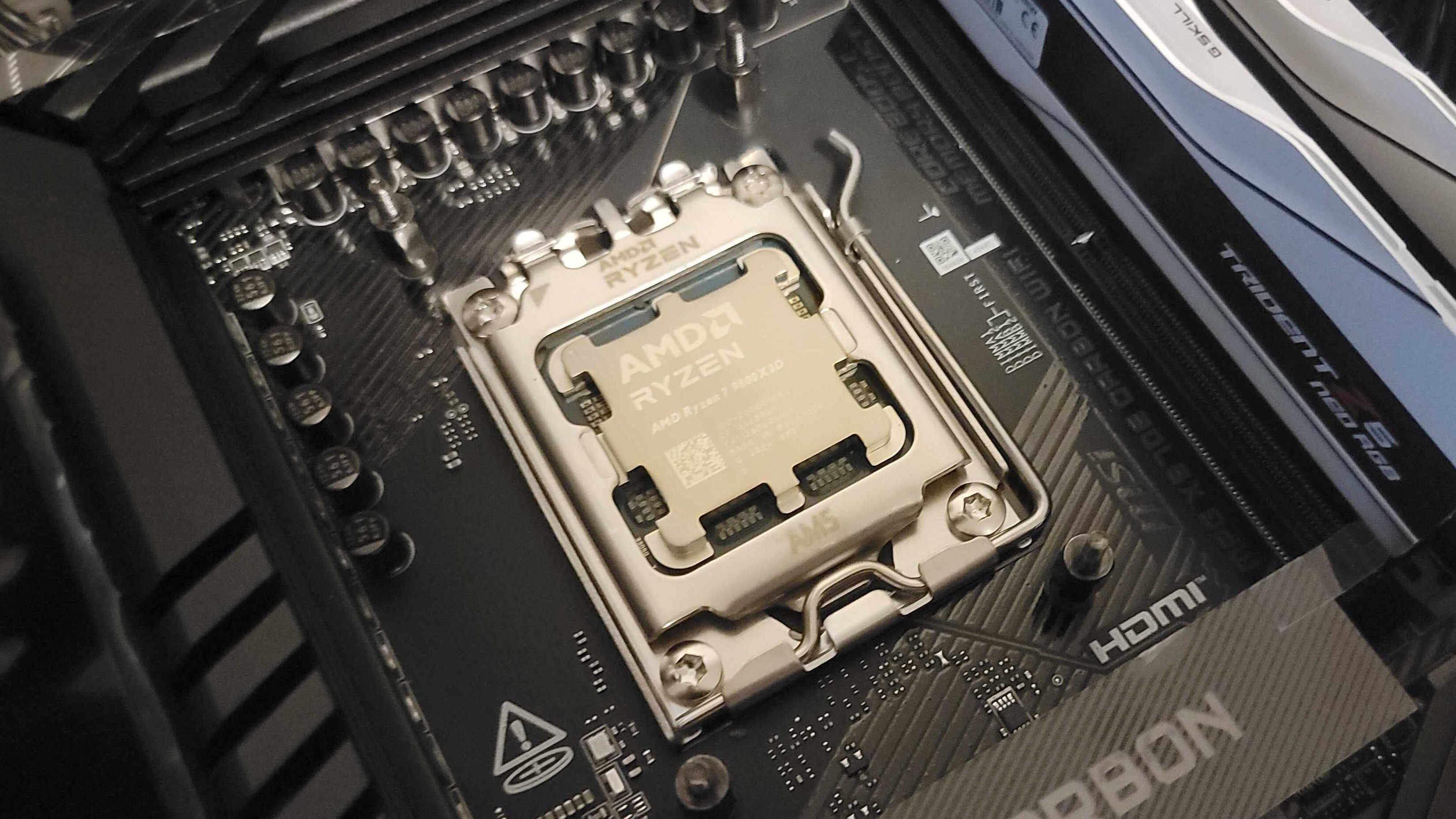
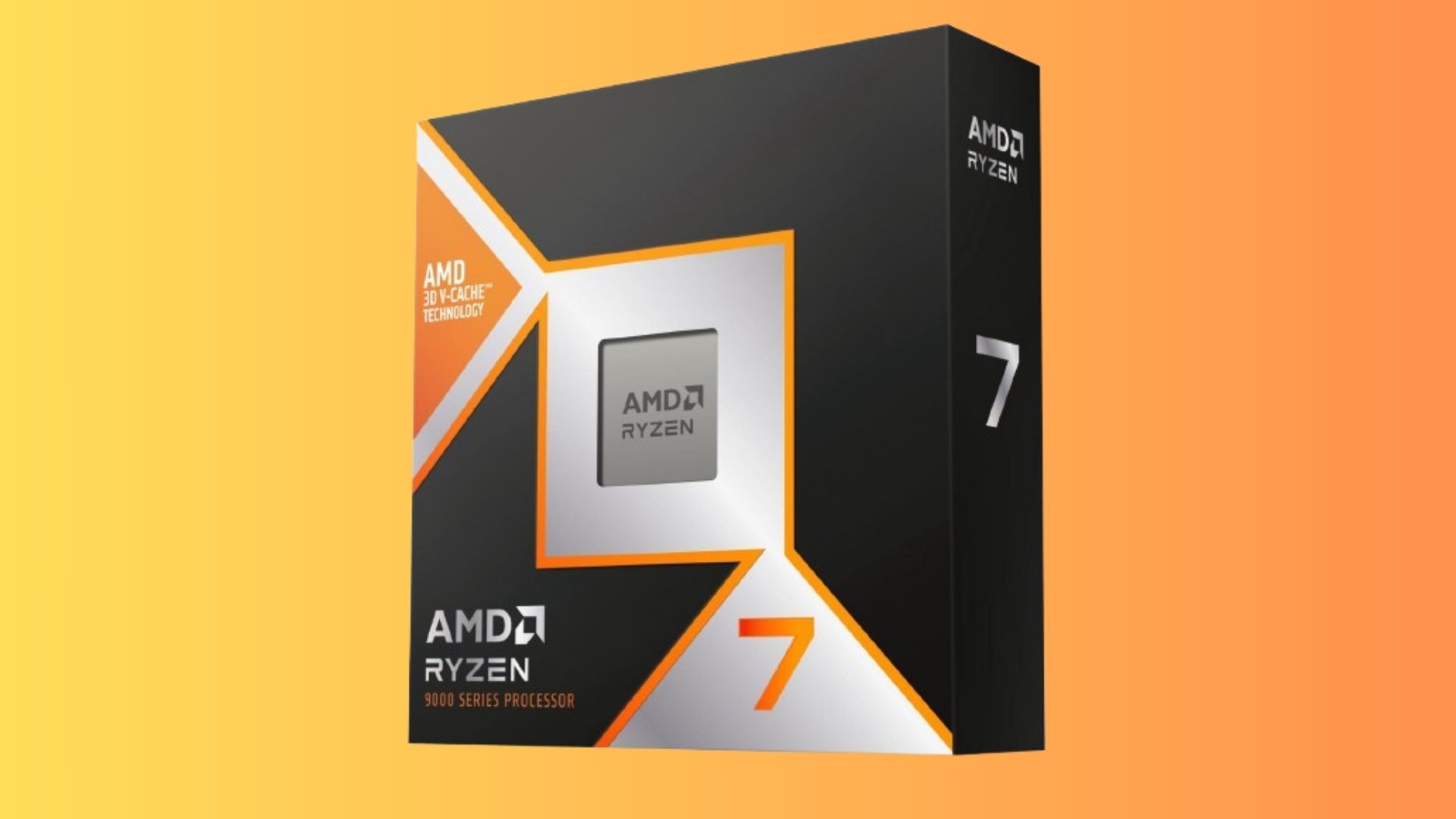
Ryzen 7 processors, typically configured with 8 cores and 16 threads, are the gold standard for high-end gaming and moderate content creation. This tier is where AMD’s specialized "X3D" technology shines. By 2026, the Ryzen 7 9800X3D and its successors have become legendary for their ability to push high frame rates in CPU-bound titles, thanks to their massive L3 cache.
Ryzen 9: The Productivity Powerhouse
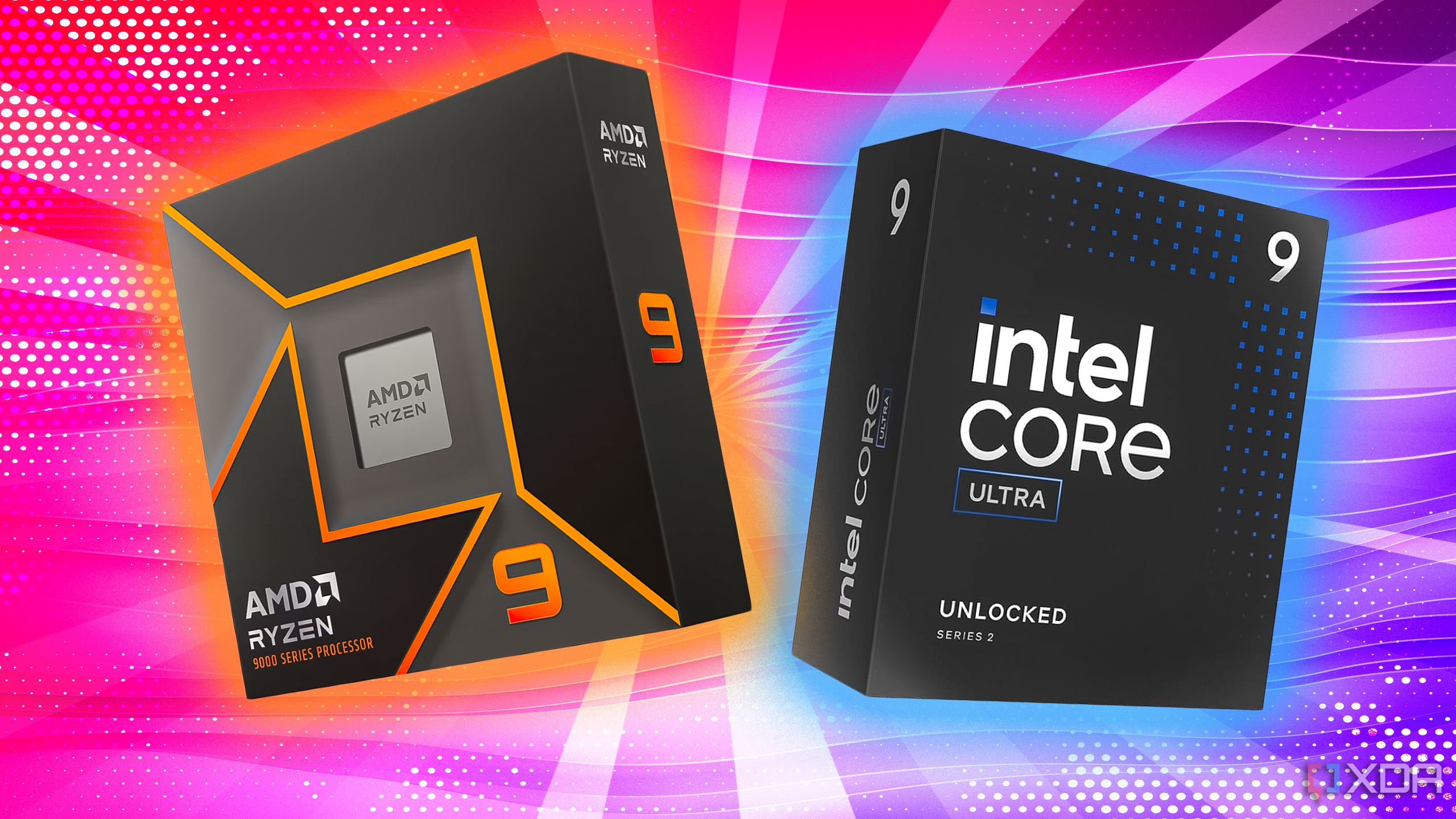
For professionals who engage in 3D rendering, heavy video compilation, or complex simulations, the Ryzen 9 series is the intended solution. With 12 to 16 cores, these processors are designed to handle massive multi-threaded workloads. While they can game exceptionally well, their primary value lies in time-sensitive professional applications where every core counts.
The Platform Decision: AM4 vs. AM5
One of the most critical steps in choosing an AMD processor is selecting the motherboard socket. As of 2026, AMD supports two primary ecosystems, each serving a different market need.
The AM5 Platform (The Current Standard)
The AM5 socket is the foundation for all modern AMD builds. If you are building a new system today, AM5 is the recommended choice. It supports DDR5 memory and PCIe 5.0, which are essential for the latest high-speed NVMe SSDs and future GPUs. AMD’s commitment to platform longevity means that an AM5 motherboard purchased today will likely support several future generations of CPUs, providing a much lower total cost of ownership over time.
The AM4 Platform (The Legacy Value Option)
Remarkably, the AM4 platform remains relevant in 2026 as a budget-friendly alternative. While it is a "dead-end" platform—meaning no new generations of CPUs are being developed for it—the secondary market and remaining retail stock of Ryzen 5000 series chips offer incredible value. If you are on a strict budget and do not plan to upgrade your CPU for another 4-5 years, a high-end AM4 build can still handle modern tasks at a fraction of the cost of an AM5 transition.
Decoding AMD Processor Suffixes
AMD uses a consistent naming convention where the letters at the end of a model number indicate specific features. Understanding these is vital to ensure you don't buy a processor that lacks a feature you need, such as integrated graphics.
- X: Indicates higher clock speeds and better overclocking potential compared to non-X models.
- X3D: These chips feature 3D V-Cache technology. This is a vertical stacking of cache memory that drastically improves gaming performance by reducing the time the CPU spends waiting for data from the RAM.
- G: Signifies that the processor is an APU (Accelerated Processing Unit). These have powerful integrated graphics (Radeon) and can run many games at 1080p without a discrete graphics card.
- F: A relatively newer designation for AMD, indicating the processor requires a discrete graphics card because it lacks integrated graphics entirely.
- E: Denotes high-efficiency models with a lower TDP (Thermal Design Power), often used in small form factor (SFF) builds where cooling is limited.
Performance Comparison by Use Case
To simplify the decision-making process, we can categorize the 2026 AMD lineup by the primary task the PC will perform.
| User Profile | Recommended Series | Key Feature to Look For | Platform Recommendation |
|---|---|---|---|
| Budget/Office | Ryzen 3 or 5 (G-Series) | Integrated Graphics | AM5 (for future proofing) |
| Pure Gaming | Ryzen 7 (X3D Models) | 3D V-Cache | AM5 |
| Streaming/Content | Ryzen 7 or 9 | High Core Count (12+) | AM5 |
| Workstation/3D | Ryzen 9 or Threadripper | Maximum Multi-threading | AM5 or sTR5 |
| Ultra-Budget Build | Ryzen 5 5600/5700X | Low Entry Cost | AM4 |
Technical Considerations: TDP and Cooling
In 2026, AMD has made great strides in performance-per-watt, but high-end chips still generate significant heat. When choosing a processor, you must consider the Thermal Design Power (TDP).
A Ryzen 5 or Ryzen 7 (non-X) usually operates within a 65W to 105W TDP, which can be managed by a high-quality air cooler. However, Ryzen 9 models and the X3D variants can spikes significantly higher under load. For these, a 280mm or 360mm All-In-One (AIO) liquid cooler is often recommended to maintain boost clocks. If the processor hits its thermal limit, it will "throttle," or slow down its speed to protect itself, meaning you won't get the performance you paid for.
Furthermore, ensure your power supply (PSU) has the headroom to handle both the CPU's peak power draw and your graphics card. A 750W 80+ Gold PSU is generally the baseline for a modern Ryzen 7/9 gaming system in 2026.
Future-Proofing and the Zen 6 Factor
As we move through 2026, the Zen 6 architecture has begun to set new benchmarks for IPC (Instructions Per Clock) improvements. If you are choosing between a discounted Zen 5 chip (Ryzen 9000 series) and a new Zen 6 chip (Ryzen 10000 series), consider the following:
- AI Integration: Zen 6 processors feature significantly improved NPU (Neural Processing Unit) capabilities. If you use AI-driven software for photo editing, noise cancellation, or local LLM (Large Language Model) execution, the newer architecture is a worthwhile investment.
- Efficiency: Each generation typically offers better performance at the same power draw. If you are building in a small case with limited airflow, the newer, more efficient architecture will be easier to cool.
- Memory Scaling: Zen 6 has further refined the memory controller, allowing for stable performance with even higher-speed DDR5 modules (e.g., DDR5-8000+), which can provide a marginal but measurable boost in professional applications.
Frequently Asked Questions
Do I need a dedicated graphics card with an AMD Ryzen processor?
It depends on the model. If the processor has a "G" suffix (like the Ryzen 5 8600G or 9600G), it has powerful integrated graphics. Most standard Ryzen 7000, 9000, and 10000 series chips also have basic integrated graphics for office work, but they are not powerful enough for modern gaming. Only models with the "F" suffix lack graphics entirely and require a dedicated GPU to show any image on your monitor.
Is the Ryzen 7 7800X3D still worth it in 2026?
Yes, as a value proposition. While the newer 9800X3D and 10800X3D are faster, the 7800X3D remains an incredibly capable gaming CPU. On the AM5 platform, it provides a high-tier gaming experience that outperforms many non-X3D chips from newer generations. It is an excellent choice for a mid-to-high-end gaming rig if found at a discount.
What is the best AMD processor for video editing?
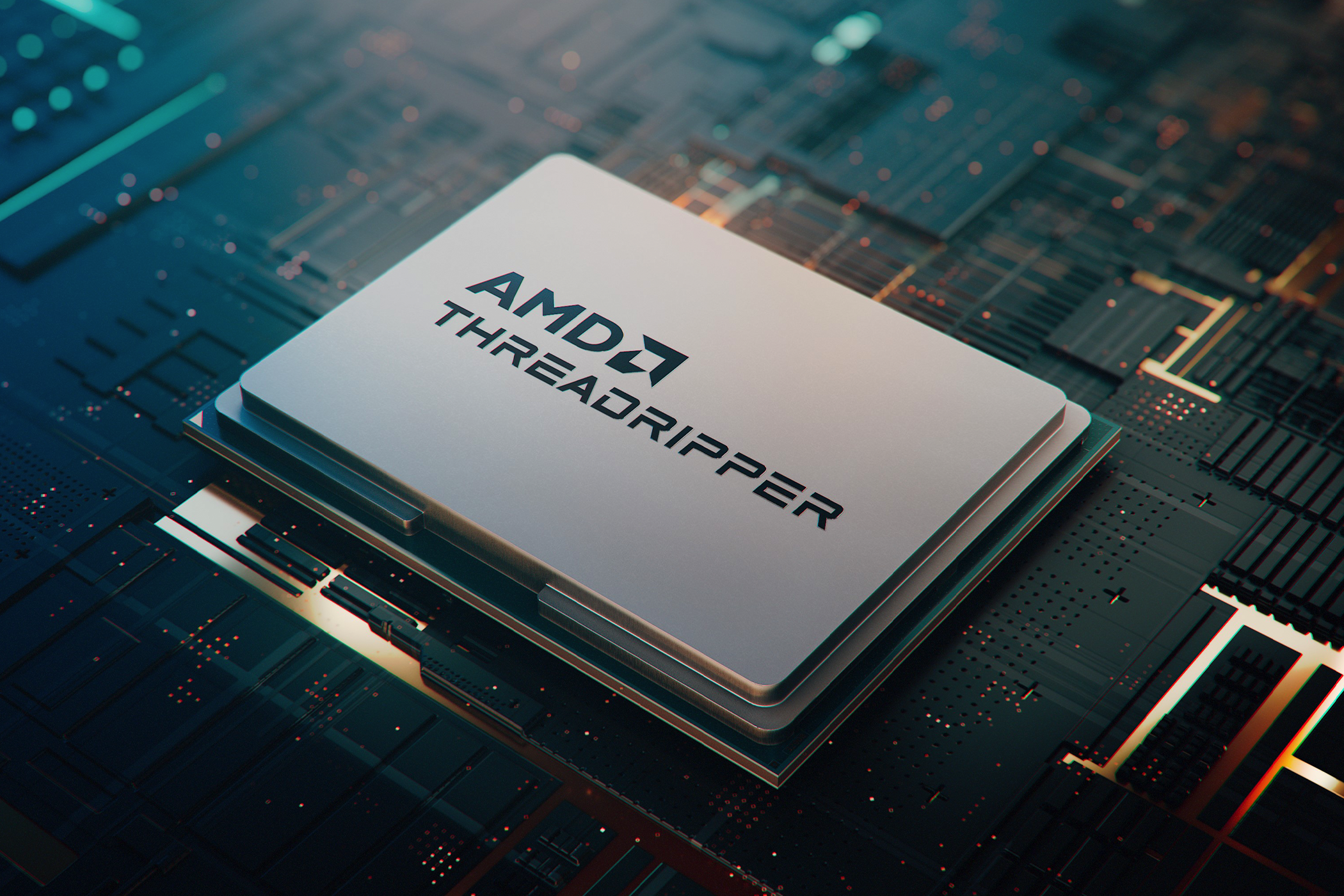
For professional 4K and 8K video editing, the Ryzen 9 9950X or its Zen 6 equivalent is the best consumer-grade choice. The 16 cores and 32 threads significantly reduce export times in Adobe Premiere Pro and DaVinci Resolve. If you are doing this for a living, you might also consider the Threadripper line, which offers even more cores and memory channels, though at a much higher price point.
Does RAM speed matter for AMD processors in 2026?
Yes, RAM speed is crucial for Ryzen processors because of the "Infinity Fabric" architecture, which links the different parts of the CPU. For AM5 processors, the current "sweet spot" for performance and stability is typically DDR5-6000 with low latency (CL30). Going much higher often yields diminishing returns for the average user, while going lower can bottleneck the CPU's performance.
Can I use an old cooler with a new AM5 processor?
Most coolers designed for the AM4 socket are compatible with AM5 because the hole patterns on the motherboards are the same. However, you must ensure the cooler is rated for the TDP of your new processor. A budget cooler from 2020 might not be sufficient for a high-end Ryzen 9 chip in 2026.
Final Recommendation
To choose the right AMD processor in 2026, start by identifying your primary use case. If your goal is top-tier gaming, prioritize a Ryzen 7 X3D model on the AM5 platform; the specialized cache provides a performance floor that regular chips cannot match. For professional creative work, invest in a Ryzen 9 to benefit from high core counts. If you are building a general-purpose PC on a budget, the Ryzen 5 remains the unbeatable king of value. Avoid the temptation to save money by using the older AM4 platform unless your budget is extremely limited, as the lack of an upgrade path will likely cost you more when you are forced to replace the entire motherboard and RAM in a few years.
Image Gallery