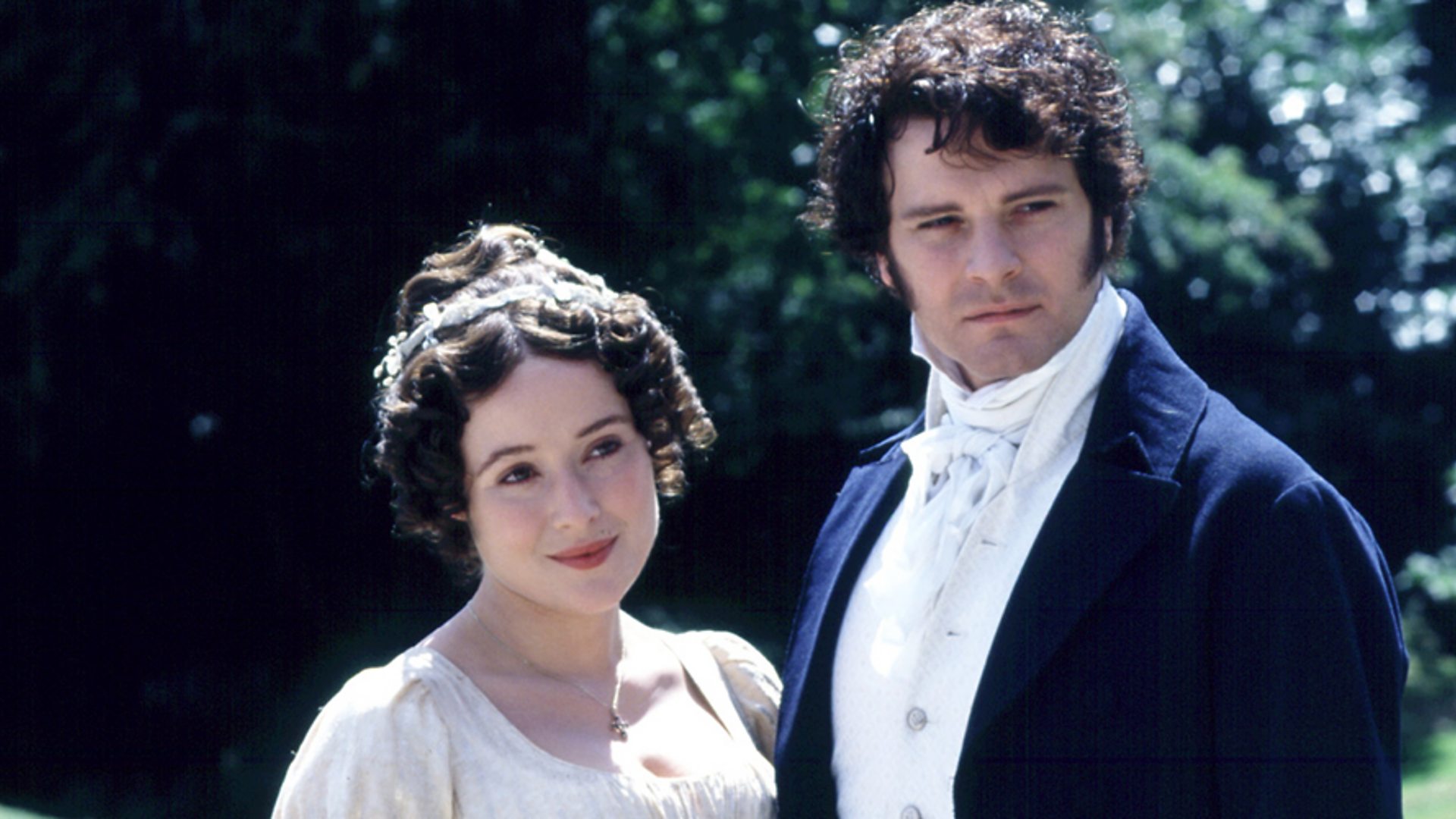
The Cast of the 1995 BBC TV Series Pride and Prejudice: Full Cast Guide and Career Legacy
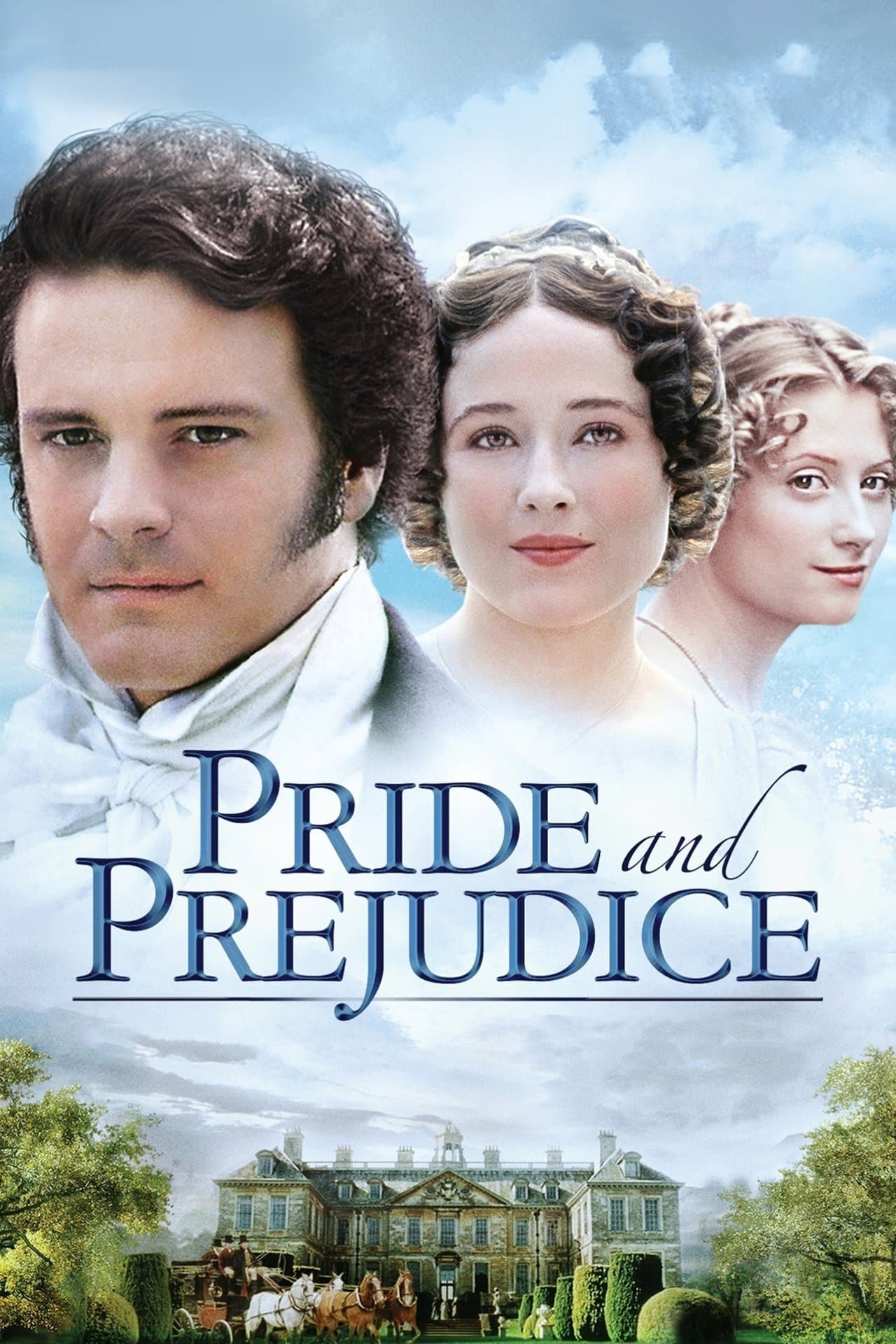
The cast of the landmark 1995 BBC television adaptation of Jane Austen’s Pride and Prejudice is led by Jennifer Ehle as Elizabeth Bennet and Colin Firth as Fitzwilliam Darcy. Directed by Simon Langton and adapted by Andrew Davies, the...
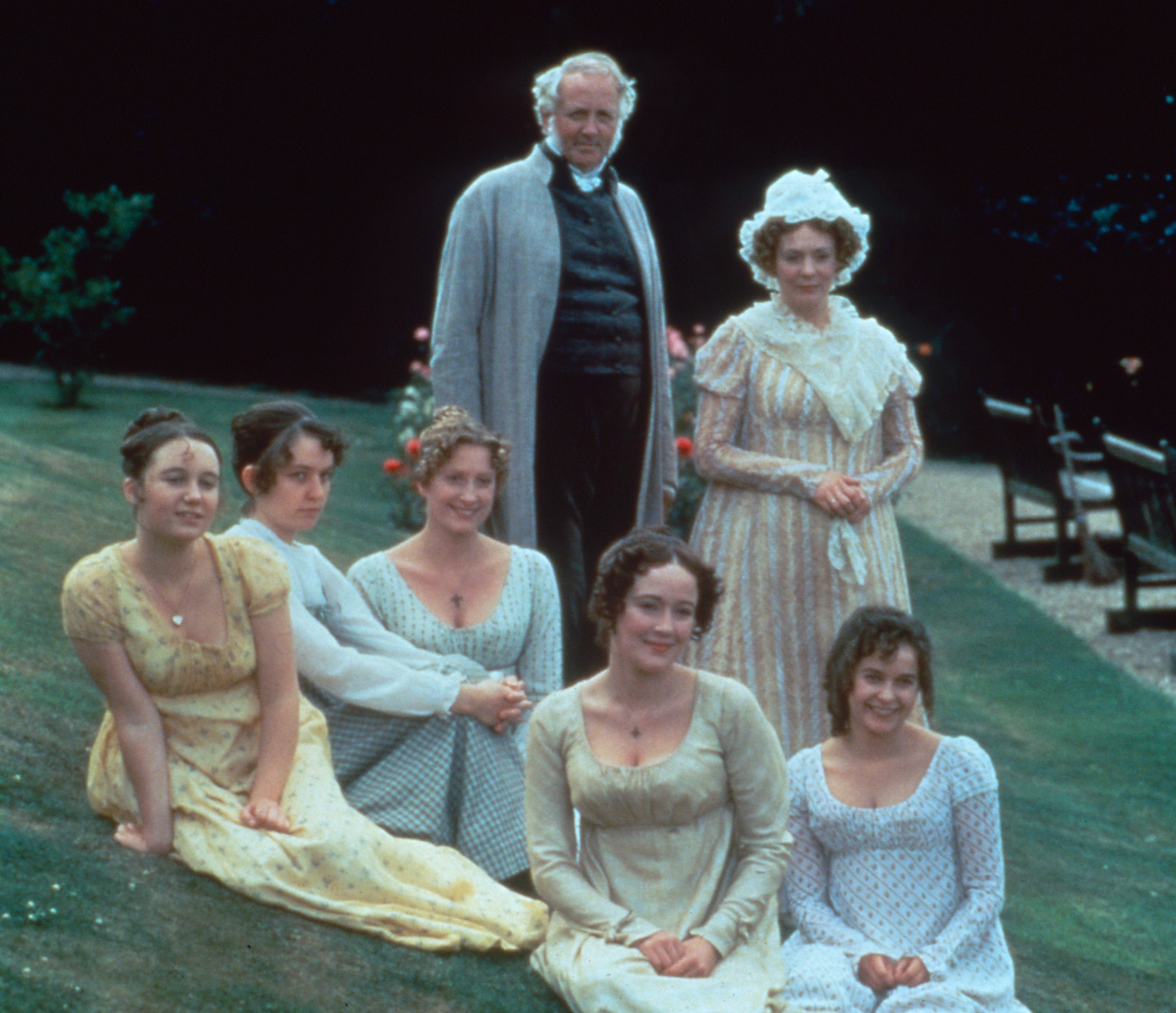
The cast of the landmark 1995 BBC television adaptation of Jane Austen’s Pride and Prejudice is led by Jennifer Ehle as Elizabeth Bennet and Colin Firth as Fitzwilliam Darcy. Directed by Simon Langton and adapted by Andrew Davies, the six-part miniseries features a celebrated ensemble including Alison Steadman, Benjamin Whitrow, David Bamber, Adrian Lukis, Julia Sawalha, and Susannah Harker.
Contents
Overview of Television Adaptations of Pride and Prejudice
Jane Austen’s 1813 novel Pride and Prejudice has been adapted for television multiple times by the BBC, most notably in 1967, 1980, and 1995. While the 1980 serial starring Elizabeth Garvie as Elizabeth Bennet and David Rintoul as Mr. Darcy earned critical praise for its fidelity to Austen's prose, the 1995 BBC/A&E co-production remains the definitive television adaptation in popular culture and academic study.
Helmed by producer Sue Birtwistle and screenwriter Andrew Davies, the 1995 production transformed the classic period drama format by introducing dynamic visual pacing, heightened emotional realism, and an expanded scope that brought Austen's Regency world to life. Central to the project's enduring success was its meticulous casting strategy. Rather than relying solely on established Hollywood stars, the production team assembled a mix of seasoned British theatre actors and emerging television talent. The resulting performances defined how these classic literary figures are perceived by modern audiences.
The Lead Performances: Elizabeth Bennet and Fitzwilliam Darcy
| Actor | Character | Key Highlights |
|---|---|---|
| Jennifer Ehle | Elizabeth Bennet | BAFTA Best Actress Winner; Sharp intellect & warmth |
| Colin Firth | Fitzwilliam Darcy | Iconic lake scene performance; Stoic gravity & emotional arc |
Jennifer Ehle as Elizabeth Bennet
Jennifer Ehle’s portrayal of Elizabeth Bennet stands as one of the most acclaimed literary interpretations in television history. Ehle brought an essential balance of sharp intelligence, playfulness, and moral independence to the role. Screenwriter Andrew Davies emphasized Elizabeth’s internal life by giving Ehle expressive screen moments that captured her wit and observational humour.
Ehle was 25 years old during filming, bringing an authentic youthfulness that anchored the narrative. Her chemistry with Colin Firth formed the emotional spine of the six-part series. For her performance, Ehle won the British Academy Television Award (BAFTA) for Best Actress in 1996. Following Pride and Prejudice, Ehle established a distinguished international career across stage and screen, winning two Tony Awards for her work on Broadway in The Real Thing (2000) and The Coast of Utopia (2007), as well as prominent roles in films such as Contagion (2011) and Zero Dark Thirty (2012).
Colin Firth as Fitzwilliam Darcy
Colin Firth’s turn as Mr. Fitzwilliam Darcy redefined the archetype of the romantic period-drama hero. Prior to accepting the role, Firth was initially hesitant, questioning whether he could adequately portray Austen’s famously proud and distant aristocrat. However, under Simon Langton's direction, Firth projected a compelling mix of aristocratic reserve, suppressed passion, and underlying honor.
The serial’s famous lake scene at Pemberley—in which Darcy emerges dripping wet from a swim in his linen shirt before unexpectedly encountering Elizabeth—became a cultural touchstone in British television. Beyond that famous sequence, Firth’s performance relied on subtle facial expressions and physical restraint, effectively communicating Darcy’s internal growth from arrogant pride to humble devotion.
The role catapulted Firth to global stardom. It directly influenced his later casting as Mark Darcy in Bridget Jones’s Diary (2001) and established him as a premier leading man in cinema, culminating in his Academy Award for Best Actor for The King’s Speech (2010).
The Bennet Family Cast
The dynamics of the Bennet household require a delicate balance of broad comedy, family warmth, and domestic tension. The casting of the Bennet family was vital to establishing the social stakes of the narrative.
| Character | Actor |
|---|---|
| Mr. Bennet | Benjamin Whitrow |
| Mrs. Bennet | Alison Steadman |
| Jane Bennet | Susannah Harker |
| Elizabeth | Jennifer Ehle |
| Mary Bennet | Lucy Briers |
| Kitty Bennet | Polly Maberly |
| Lydia Bennet | Julia Sawalha |
Alison Steadman as Mrs. Bennet
Alison Steadman delivered a memorable, high-energy performance as the anxious, hysterics-prone Mrs. Bennet. A veteran of British stage and screen known for her work with director Mike Leigh (including Abigail's Party and Life Is Sweet), Steadman portrayed Mrs. Bennet not merely as a caricature, but as a mother driven by genuine economic terror regarding her daughters' marital prospects in a society governed by entailment laws.
Benjamin Whitrow as Mr. Bennet
In contrast to Mrs. Bennet’s frantic temperament, Benjamin Whitrow played the cynical, bookish Mr. Bennet with dry wit and quiet detachment. Whitrow captured both the character's intellectual charm and his critical flaw: his passive failure to govern his younger daughters effectively. Whitrow earned a BAFTA Television Award nomination for Best Actor in 1996 for his performance. Whitrow maintained a long, respected career in British theatre, radio, and television until his passing in 2017.
The Bennet Sisters: Susannah Harker, Julia Sawalha, Lucy Briers, and Polly Maberly
- Susannah Harker (Jane Bennet): Harker portrayed the eldest Bennet sister, bringing gentleness, grace, and quiet dignity to Jane. Interestingly, acting ran in Harker's family: her mother, Polly Adams, had played Jane Bennet in the BBC’s 1967 adaptation of Pride and Prejudice.
- Julia Sawalha (Lydia Bennet): Already widely known to television audiences for her role as Saffron in the comedy series Absolutely Fabulous, Sawalha captured the wild impulsiveness, vanity, and reckless youth of 15-year-old Lydia. Despite being older than her character during production, Sawalha’s energetic performance provided the crucial catalyst for the narrative's third-act crisis.
- Lucy Briers (Mary Bennet): Briers played the pedantic, awkward middle sister Mary with skill, highlighting her sanctimonious speeches and unpolished piano performances to bring comic relief while embodying the character's isolation within the family.
- Polly Maberly (Kitty Bennet): Maberly captured the easily swayed, giggling nature of the fourth Bennet sister, who spends her days echoing Lydia's obsession with the militia officers stationed at Meryton.
Supporting Cast and Key Antagonists
The supporting gallery of characters in the 1995 miniseries features some of the most memorable character acting in English period drama.
David Bamber as Mr. Collins
David Bamber’s portrayal of the sycophantic, pompous clergyman Mr. William Collins remains one of the standout performances of the series. Bamber exaggerated Collins’s unctuous manners, rehearsed compliments, and comical lack of self-awareness. His stiff posture, absurd proposals, and groveling deference to Lady Catherine de Bourgh served as a masterclass in comic timing.
Adrian Lukis as Mr. George Wickham
Adrian Lukis brought charisma and seductive charm to Mr. Wickham, making the militia officer's deception plausible to both Elizabeth Bennet and the audience. Lukis projected an easy gentility that masked Wickham's underlying financial opportunism and moral carelessness, rendering his eventual elopement with Lydia a believable threat to the Bennet family’s social standing.
Anna Chancellor as Caroline Bingley and Barbara Leigh-Hunt as Lady Catherine de Bourgh
- Anna Chancellor (Caroline Bingley): Chancellor delivered a sharply observed performance as the snobbish, scheming sister of Charles Bingley. Desperate to secure Darcy’s affection for herself, Chancellor's Caroline treats Elizabeth with condescending politely veiled hostility. Notably, Chancellor is a real-life eight-times-great-niece of Jane Austen herself.
- Barbara Leigh-Hunt (Lady Catherine de Bourgh): A veteran of the Royal Shakespeare Company, Leigh-Hunt portrayed the domineering, arrogant Lady Catherine with imposing authority. Her dramatic confrontation with Elizabeth Bennet in the final episode remains one of the highlights of the series. Leigh-Hunt passed away in 2024, leaving behind an extensive legacy in classical British theatre.
Additional Notable Supporting Roles
- Crispin Bonham-Carter (Charles Bingley): Bonham-Carter captured the open-hearted, easily influenced optimism of Mr. Bingley, offering an ideal foil to Firth’s guarded Darcy.
- Emilia Fox (Georgiana Darcy): Making her professional television debut, Emilia Fox played Darcy’s shy, musically talented younger sister Georgiana. Fox’s real-life mother, Joanna David, also starred in the miniseries as Mrs. Gardiner. Fox subsequently built a major career on British television, most notably as Dr. Nikki Alexander in Silent Witness.
- Joanna David and Tim Wylton (Mrs. and Mr. Gardiner): David and Wylton provided a sensible, dignified contrast to the senior Bennets, serving as supportive, grounded maternal and paternal figures for Elizabeth during her travels to Derbyshire.
- Victoria Hamilton (Mrs. Forster) and Lucy Davis (Maria Lucas): Both actresses appeared in early career roles before going on to high-profile careers—Hamilton in The Crown and Davis in The Office (UK) and Wonder Woman.
Master Cast Comparison and Highlight Directory
The following table summarizes the primary cast of the 1995 TV adaptation, detailing their roles, character functions, and notable post-production works.
| Actor | Character | Role Description | Notable Subsequent Career Highlights |
|---|---|---|---|
| Jennifer Ehle | Elizabeth Bennet | Second Bennet daughter; witty, perceptive, independent | The King's Speech, Contagion, Tony Award winner (The Real Thing) |
| Colin Firth | Fitzwilliam Darcy | Wealthy master of Pemberley; proud yet deeply principled | The King's Speech (Oscar winner), A Single Man, Kingsman |
| Alison Steadman | Mrs. Bennet | Bennet matriarch; anxious, volatile, marriage-obsessed | Gavin & Stacey, Orphan Black, Life Is Sweet |
| Benjamin Whitrow | Mr. Bennet | Bennet patriarch; dry-witted, detached scholar | Chicken Run, Personal Services, extensive West End theatre |
| Susannah Harker | Jane Bennet | Eldest Bennet daughter; gentle, optimistic, forgiving | House of Cards (1990), Ultraviolet, classical stage productions |
| Julia Sawalha | Lydia Bennet | Youngest Bennet daughter; reckless, impulsive, vain | Absolutely Fabulous, Jonathan Creek, Lark Rise to Candleford |
| Lucy Briers | Mary Bennet | Third Bennet daughter; solemn, pedantic, moralizing | Endeavour, Zack Snyder's Justice League, extensive theatre |
| Polly Maberly | Kitty Bennet | Fourth Bennet daughter; impressionable, easily led | Midsomer Murders, The Bill, West End stage career |
| David Bamber | Mr. Collins | Obsequious clergyman; heir to Longbourn estate | Rome, Valkyrie, Foyle's War, Olivier Award winner |
| Adrian Lukis | George Wickham | Charismatic militia officer with hidden vices | Toast of London, Peak Practice, SAS: Rogue Heroes |
| Anna Chancellor | Caroline Bingley | Wealthy, condescending sister to Mr. Bingley | Four Weddings and a Funeral, The Hour, The Split |
| Barbara Leigh-Hunt | Lady Catherine | Arrogant, patronizing aunt of Mr. Darcy | Frenzy, Wives and Daughters, RSC Associate Artist |
| Crispin Bonham-Carter | Charles Bingley | Wealthy, amiable gentleman; Darcy’s close friend | Bridget Jones's Diary, later transitioned to theatre directing/teaching |
| Emilia Fox | Georgiana Darcy | Darcy’s timid, accomplished younger sister | Silent Witness, The Pianist, Merlin |
| Joanna David | Mrs. Gardiner | Sensible, warm aunt to the Bennet sisters | Bleak House, Rebecca, Downton Abbey |
Casting Process and Cultural Legacy
The casting strategy executed by director Simon Langton and producer Sue Birtwistle was instrumental in transforming an iconic piece of 19th-century literature into a dynamic television event. Instead of approaching the text as a static, reverent costume drama, the production team cast actors capable of delivering rapid, natural dialogue and physical spontaneity.
Andrew Davies’s script added scenes that brought male perspectives into the visual narrative—such as Darcy fencing, riding horses, and swimming—which allowed Colin Firth to develop a multi-layered character outside the drawing room. Similarly, Jennifer Ehle was encouraged to walk freely across the countryside, giving Elizabeth Bennet a sense of energy and physical freedom that mirrored her independent intellect.
Casting Success Factors
- Physical Realism: Outdoor scenes, active movement, authentic Regency atmosphere.
- Theatrical Depth: Seasoned stage actors handling Austen's complex dialogue.
- Screen Chemistry: Natural rapport among lead actors and family members.
When the series premiered in September 1995 on BBC One (and subsequently on A&E in the United States), it attracted over 10 million viewers per episode in the UK. The chemistry between Ehle and Firth set a new benchmark for period television, earning six BAFTA nominations and winning for Best Actress (Ehle). Decades after its initial broadcast, the 1995 cast remains the standard against which subsequent adaptations of Pride and Prejudice are measured.
Frequently Asked Questions
Who played Elizabeth Bennet and Mr. Darcy in the 1995 TV series?
Jennifer Ehle played Elizabeth Bennet and Colin Firth played Fitzwilliam Darcy in the 1995 BBC television adaptation. Both actors received widespread acclaim for their performances, with Ehle winning a BAFTA TV Award for Best Actress and Firth achieving international stardom.
How old were the main cast members when filming Pride and Prejudice (1995)?
During filming in 1994, Jennifer Ehle was 24–25 years old (matching Elizabeth Bennet's age of 20 relatively closely compared to older cinematic adaptations), while Colin Firth was 33–34 years old (close to Darcy's age of 28). Julia Sawalha was 25 when playing the 15-year-old Lydia Bennet, using her comedic range to portray teenage impulsiveness.
Are any actors from the 1995 cast related to other famous performers or authors?
Yes. Anna Chancellor (Caroline Bingley) is a distant descendant of Jane Austen's uncle. Susannah Harker (Jane Bennet) is the daughter of actress Polly Adams, who played Jane Bennet in the 1967 BBC adaptation. Emilia Fox (Georgiana Darcy) is the daughter of Joanna David, who played Mrs. Gardiner in the same 1995 production.
Did the 1995 TV adaptation win any major awards for its cast?
Yes. Jennifer Ehle won the 1996 BAFTA Television Award for Best Actress. Benjamin Whitrow was nominated for Best Actor, Alison Steadman was nominated for Best Actress, and the series won the BAFTA for Best Costume Design alongside an Emmy Award for Outstanding Individual Achievement in Costume Design.
How does the 1995 BBC cast compare to the 2005 film cast?
The 1995 BBC miniseries stars Jennifer Ehle and Colin Firth, relying on a six-hour runtime that allows the full supporting cast (including David Bamber and Alison Steadman) to explore subplots in depth. The 2005 feature film, directed by Joe Wright, stars Keira Knightley and Matthew Macfadyen, compressing the narrative into a two-hour romantic feature with a more rustic visual aesthetic.
Streaming Access and Further Viewing Recommendations
To experience the performances of the 1995 cast firsthand, viewers can access the remastered edition of Pride and Prejudice through several official platforms:
- BritBox / BBC iPlayer: The complete six-part miniseries is regularly available to stream in high definition on BritBox (US/UK/International) and BBC iPlayer (UK).
- Physical Media: The 1995 production has been restored in 4K/HD formats from the original 16mm film negatives, available on Blu-ray and DVD box sets with behind-the-scenes casting featurettes.
- Companion Viewing: Audiences interested in the cast's wider work should explore Wives and Daughters (1999, featuring Barbara Leigh-Hunt and Alison Steadman), Bridget Jones's Diary (2001, starring Colin Firth), and The King's Speech (2010, starring Colin Firth and Jennifer Ehle).
Image Gallery