The Best Instant Manicure for Everyday Wear: Complete Guide and Comparison
The best instant manicure for everyday wear is the semi-cured gel nail strip, closely followed by short, flexible press-on nails applied with high-tack adhesive tabs or liquid nail glue. Semi-cured gel strips deliver 10 to 14 days of c...
The best instant manicure for everyday wear is the semi-cured gel nail strip, closely followed by short, flexible press-on nails applied with high-tack adhesive tabs or liquid nail glue. Semi-cured gel strips deliver 10 to 14 days of chip-resistant, salon-quality wear with a natural feel and require less than 15 minutes of application time.
Contents
Defining the Instant Manicure: How At-Home Nail Systems Have Evolved
An instant manicure refers to any non-salon nail application designed for rapid setup—typically under 20 minutes—without requiring hours of professional sculpting or extended drying times. Historically, fast at-home manicures meant thick, rigid plastic press-ons or slow-drying nail lacquers prone to smudging within hours. Modern chemical engineering and manufacturing improvements have reshaped this market, introducing ultra-flexible polymers, medical-grade pressure-sensitive adhesives, and semi-cured real gel technology.
For everyday wear, an effective instant manicure must balance six key operational demands:
- Durability: Withstanding daily tasks such as typing, dishwashing, cooking, and handling materials without chipping, cracking, or lifting.
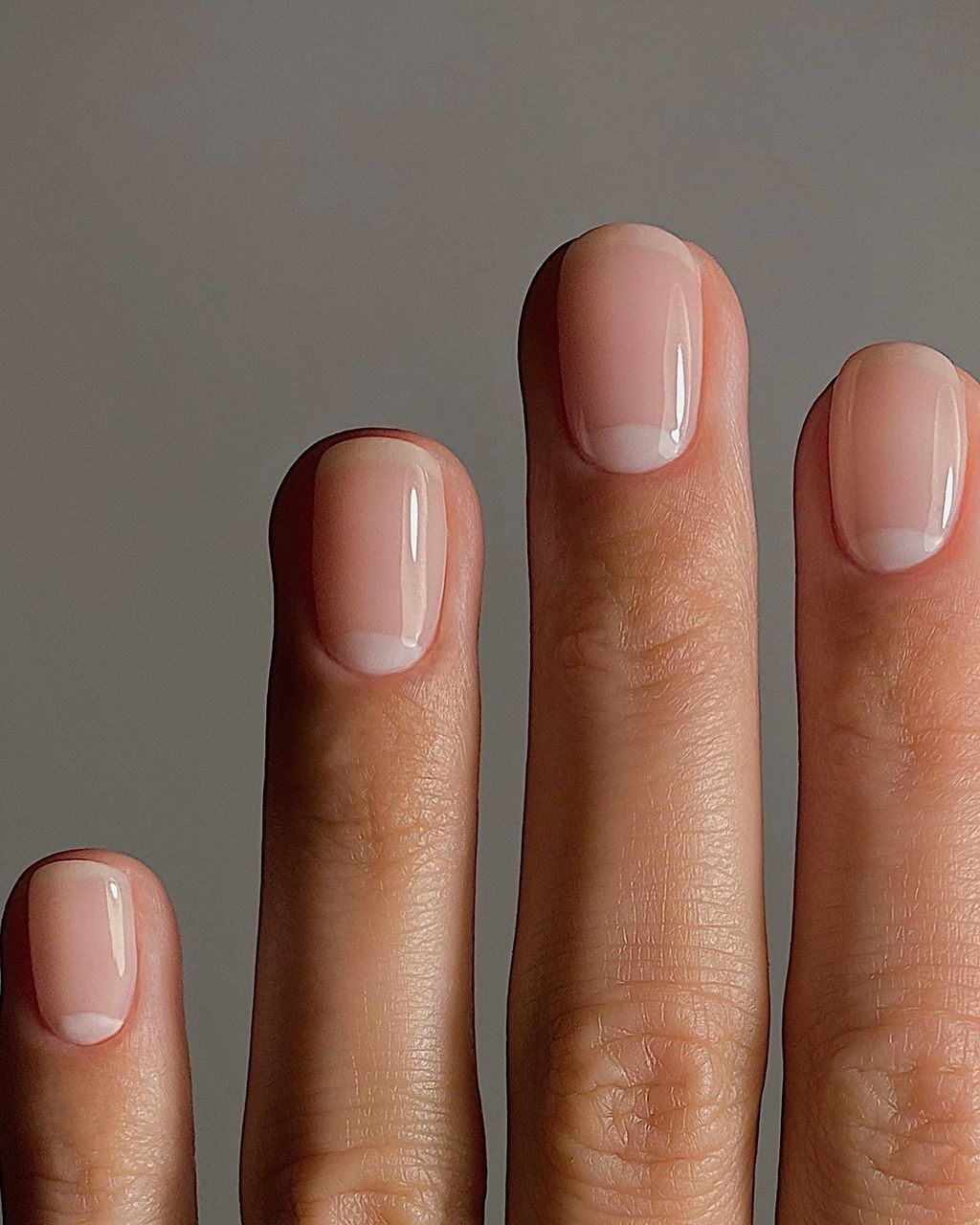
- Natural Appearance: Conforming tightly to the natural curvature of the nail plate without excessive bulk at the cuticle edge.
- Speed of Application: Reaching full adhesion or cure status within 10 to 15 minutes.
- Comfort and Flexibility: Flexing alongside the natural nail plate during impact to prevent painful pressure points or sudden detachment.
- Nail Health Protection: Applying and removing cleanly without stripping layers of keratin from the dorsal nail surface.
- Cost Efficiency: Delivering multiple wears or low per-application costs compared to standard salon services.
Choosing the ideal system requires evaluating how different product categories perform against these daily demands.
Detailed Evaluation of Instant Manicure Categories
| Category | Details |
|---|---|
| 1. Semi-Cured Gel Strips | • 60% cured real gel• Cures rigid under UV/LED |
| 2. Short Flexible Press-On Nails | • Molded resin/ABS plastic• Applied via glue or tabs |
| 3. Real Polish Strips & Wraps | • 100% dried liquid polish• Air-dries instantly |
| 4. Quick-Dry Express Lacquers | • Evaporative solvent formulas• Classic brush-on application |
1. Semi-Cured Gel Strips (SCG)
Semi-cured gel nail strips represent the top recommendation for routine daily wear. These strips consist of actual liquid gel polish cured to approximately 60% of its solid state during manufacturing. They remain flexible, stretchy, and soft inside light-blocking packaging.
To apply, the user presses the pliable sheet over a prepped natural nail, trims the excess, and exposes the nail to a compact LED/UV lamp for 60 seconds. The light completes the polymerization process, curing the strip to 100% hardness.
- Pros:
- Exceptionally durable, lasting between 10 and 14 days without edge wear.
- Thin, custom fit that stretches slightly to match irregular nail contours perfectly.
- Waterproof barrier that prevents moisture from breaking down the adhesive layer underneath.
- Smooth, high-shine finish identical to a standard gel service.
- Cons:
- Requires access to a small UV/LED curing lamp (usually included in starter kits).
- Requires precise edge trimming with nail clippers or a file before curing.
2. High-Flexibility Short Press-On Nails
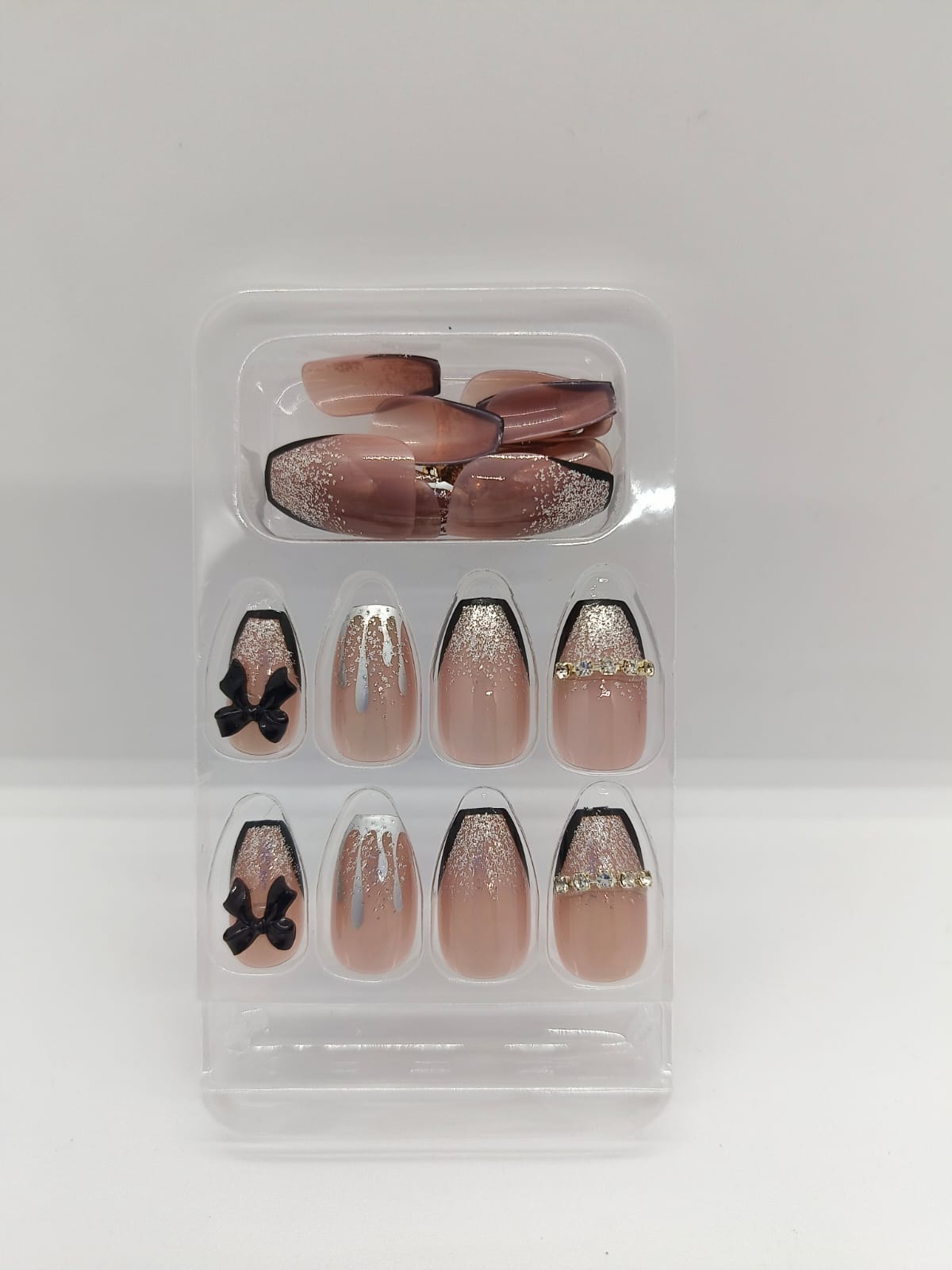
Modern press-on nails have advanced far beyond traditional rigid plastics. High-grade press-ons use flexible acrylic resins or soft gels that taper thin near the cuticle and remain reinforced at the free edge. They attach using either liquid cyanoacrylate nail glue or pre-shaped, double-sided acrylic adhesive tabs.
For daily routine use, short squoval, short round, or short oval lengths perform significantly better than long coffin or stiletto shapes. Shorter lengths reduce leverage forces when typing or opening packages, minimizing the chance of early pop-offs.
- Pros:
- Complete coverage for damaged, weak, or ridged natural nails.
- Application takes under 10 minutes with zero curing light required.
- Ability to instantly alter nail shape and length.
- Cons:
- Liquid glue can cause minor surface damage if force-removed before naturally loosening.
- Rigid forms may feel bulky on flatter or unusually curved nail beds if improperly sized.
3. Real Nail Polish Strips and Wraps
Nail polish wraps are thin sheets made of genuine 100% liquid polish that has been dried on a backing paper, or patterned vinyl films with adhesive backings. Unlike gel strips, polish wraps do not require light activation.
- Pros:
- Zero drying time and no light source needed.
- Extremely easy to remove using standard acetone or non-acetone polish remover.
- Ultra-thin profile that matches the exact weight of traditional nail lacquer.
- Cons:
- Susceptible to tip wear within 5 to 7 days of active daily use.
- Prone to melting or softening when exposed to harsh cleaning solvents or prolonged hot water.
4. Fast-Drying Express Polishes
Express polishes utilize high-solvent volatile formulations engineered to set to the touch within 60 seconds. While they are the most traditional option, they serve a specific segment of users who prefer classic brush-on lacquers over self-adhesive overlays.
- Pros:
- Familiar application method with easy touch-up capabilities.
- Simplest removal process of any category.
- Cons:
- Surface hardness takes several hours to fully mature, leaving nails vulnerable to bed-sheet imprints or deep scratches despite initial quick drying.
- Lower average lifespan for daily wear, requiring touch-ups every 3 to 4 days.
Comparison Matrix for Everyday Wear
The following table compares the four major instant manicure methods across performance metrics critical for everyday daily use.
| Manicure Category | Typical Lifespan | Application Time | Light Source Required | Water & Chemical Resistance | Impact on Natural Nail Health | Relative Cost |
|---|---|---|---|---|---|---|
| Semi-Cured Gel Strips | 10–14 Days | 12–15 Mins | Yes (60s LED) | High | Minimal (with proper oil peel off) | Moderate |
| Short Press-Ons (Liquid Glue) | 7–10 Days | 8–10 Mins | No | Moderate to High | Low–Moderate (if forced off early) | Low to Moderate |
| Short Press-Ons (Adhesive Tabs) | 3–5 Days | 5 Mins | No | Low to Moderate | None (Virtually zero risk) | Low |
| Real Polish Wraps | 5–7 Days | 10 Mins | No | Moderate | None | Low |
| Quick-Dry Express Polish | 3–5 Days | 5–8 Mins | No | Low | None | Very Low |
Key Factors to Consider for Everyday Wear
Selecting the right instant manicure system for daily wear depends on specific environmental factors, lifestyle routines, and anatomical characteristics.
Nail Length and Shape Ergonomics
For an instant manicure to survive continuous everyday tasks, length is the primary failure variable. Extended nail tips act as levers. When pressing keyboard keys, opening doors, or picking up heavy objects, long nails transfer upward force directly to the adhesive bond at the cuticle. Selecting short-to-medium lengths featuring rounded, almond, or squoval (square-oval) profiles distributes impact stress evenly, extending wear life significantly.
Moisture and Chemical Exposure
Frequent hand washing, alcohol-based hand sanitizers, and household cleaning agents break down adhesives over time. The U.S. Food and Drug Administration (FDA) monitors cosmetic safety standards, noting that proper surface bonding and hygienic preparation are vital when using nail adhesives to prevent trapped moisture. Semi-cured gel strips form an airtight, hydrophobic barrier across the entire nail plate, making them the most resistant option for individuals who frequently submerge their hands in water.
Natural Nail Curvature and Bed Geometry
Nail beds vary from highly C-curved to flat, and from smooth to heavily ridged. Rigid press-ons applied to flat nail beds create stress tension, as the nail try to spring back into its molded shape, leading to popping off. For flat or ridged nails, flexible semi-cured gel strips or thin polish wraps adapt seamlessly without creating air pockets or structural tension.
Step-by-Step Prep and Application Protocol
Proper natural nail preparation dictates whether an instant manicure lasts 2 days or 14 days. Skipping preparation steps is the leading cause of premature lifting.
- Dehydrate: Clean oil with isopropyl alcohol
- Fit Sizes: Match slightly smaller than nail
- Apply Bond: Press center to edges at 45 degrees
- Seal & Cure: File excess down & cure under LED
Step 1: Surface Dehydration and Cleansing
- Wash hands thoroughly with basic dish soap (which strips free lipids, unlike moisturizing hand soaps).
- Gently push back cuticles using an orange wood stick or cuticular pusher. Dead cuticular tissue left on the nail plate prevents adhesives from binding to the keratin.
- Wipe every nail plate using an alcohol pad saturated with 70% or 99% isopropyl alcohol to remove residual skin oils and moisture. Allow the surface to air-dry completely.
Step 2: Accurate Sizing
- For Press-Ons: Select a nail size that spans the width of your nail bed without extending onto the surrounding skin or lateral nail folds. If stuck between two sizes, choose the smaller size and file the side edges gently for a custom fit. Oversized press-ons resting on skin will lift as soon as the skin flexes.
- For Gel Strips: Choose a strip that matches the width of the nail. You can gently stretch semi-cured gel strips laterally before application to achieve a precise edge-to-edge seal.
Step 3: Precise Placement
- Align the bottom edge of the strip or press-on just above the cuticle line. Leave a microscopic gap (roughly 0.5 mm) between the product and the live cuticle tissue.
- Press down firmly in the center first, then smooth outward toward the lateral edges to purge air bubbles.
- For glue-on press-ons, apply a thin layer of glue to both the natural nail and the underside of the artificial tip. Hold downward pressure for 15 to 20 seconds to establish a solid bond without trapped air space.
Step 4: Trimming, Sealing, and Curing
- For Semi-Cured Gel Strips: Fold the excess material over the tip of the natural nail. Clip the excess away using nail clippers slightly past the edge. Cure under an LED lamp for 60 seconds. Once fully hardened, file down smoothly in one downward direction to flush the gel with the natural free edge.
- For Polish Wraps & Press-Ons: File off excess material vertically using a fine 180/240 grit file. Applying a clear topcoat over polish wraps seals the free edge against moisture ingress.
Safe Removal Protocols to Protect Natural Nails
Preserving natural nail health requires patient removal. Forcing or ripping off adhesive products strips away top layers of natural keratin, leading to thin, brittle, and tender nail beds. Dermatological guidance from the American Academy of Dermatology emphasizes gentle handling of the nail unit and avoiding mechanical force during manicure removal to protect the matrix and nail plate.
| Method A: Oil & Warm Water Soak | Method B: Solvent / Acetone Soak |
|---|---|
| Best for: SCG Strips & Tabs | Best for: Cyanoacrylate Liquid Glue |
| Temp: Warm water + cuticle oil | Solvent: Pure acetone or glue dissolver |
| Time: 5–10 minutes soaking | Time: 10–15 minutes saturated wrap |
Method A: Cuticle Oil and Warm Water Soak (For Gel Strips & Adhesive Tabs)
- Mix warm water, a few drops of liquid dish soap, and 5–10 drops of cuticle oil or olive oil in a small bowl.
- Submerge fingertips for 5 to 10 minutes. The oil and warm water mix penetrates under the edges, breaking down pressure-sensitive adhesives.
- Saturate a wood stick in cuticle oil and gently work it around the outer perimeter of the strip. Slide the stick beneath the strip to break the vacuum seal. The overlay should slide off cleanly without scraping.
Method B: Acetone-Based Dissolving (For Liquid Cyanoacrylate Glue)
- Avoid prying off glued press-ons. Instead, soak fingertips in an acetone-based soak-off solution or use acetone-soaked cotton balls wrapped around fingertips with aluminum foil.
- Allow 10 to 15 minutes for the solvent to dissolve the hardened cyanoacrylate polymer into a gel-like consistency.
- Gently wipe away dissolved adhesive residue with a paper towel. Apply a rich nourishing cuticle oil immediately afterward to replenish lost lipids.
Common Mistakes That Cause Premature Lifting
Even high-end instant manicure products will fail early if common mechanical and preparation mistakes occur:
- Applying Over Natural Oils or Lotions: Applying products immediately after using hand creams creates an oily barrier that prevents adhesives from gripping keratin structures.
- cuticle Encroachment: Sticking press-on nails or gel strips over live cuticle skin causes early lifting. As skin sheds and secretes sebum, the overlapping edge lifts, creating a gap that traps water and bacteria.
- Hot Water Exposure Post-Application: Exposing newly applied adhesives or gel strips to hot showers, hot tubs, or dishwater within 1 to 2 hours of application disrupts the chemical setting phase. Allow adhesives to cure fully before hot water exposure.
- Using Nails as Tools: Using fingertips to pry open aluminum cans, remove stickers, or scrape surfaces creates high shear stress at the free edge, triggering premature edge separation.
Frequently Asked Questions
Which instant manicure type lasts the longest for heavy daily hand washing?
Semi-cured gel nail strips last the longest under frequent hand washing. Because the gel polymer cures into a solid waterproof sheet sealed directly to the nail plate, water cannot easily breach the adhesive layer. They routinely last 10 to 14 days without edge curling.
Are press-on nails or semi-cured gel strips safer for natural nail health?
Both systems are safe when removed correctly using oil soaks or acetone dissolving methods. However, semi-cured gel strips carry slightly lower operational risk because they do not rely on high-strength cyanoacrylate liquid glues, which can cause micro-trauma to the nail plate if artificial nails are accidentally ripped off during heavy physical activity.
Can instant manicures look natural on short or uneven nail beds?
Yes. Modern short-length press-ons and semi-cured gel strips are manufactured with tapered cuticle margins that mimic the thin contour of a natural nail. Semi-cured gel strips are especially effective for uneven or flat nail beds because the pliable material stretches and fills minor surface imperfections before curing solid.
How do adhesive tabs compare to liquid nail glue for press-ons?
Adhesive tabs are double-sided, pressure-sensitive tapes ideal for short-term wear (3 to 5 days). They allow quick, damage-free removal and cause zero damage to the natural nail. Liquid nail glue forms a rigid structural bond designed for medium-term wear (7 to 14 days), but requires careful solvent soaking during removal to avoid peeling natural nail layers.
Why do nail wraps or gel strips lift at the cuticle edges after two days?
Cuticle lifting occurs when the wrap or strip is placed over the cuticle skin rather than the nail plate, or when invisible dead cuticular tissue was not cleared off the nail prior to placement. As skin produces natural oils, the adhesive loses grip. Ensuring a 0.5 mm gap between the product and the skin solves this issue.
Final Verdict and Actionable Recommendation
For the ideal balance of durability, appearance, and nail health during everyday wear, semi-cured gel nail strips are the top overall choice. They deliver 10 to 14 days of salon-grade wear, resist water breakdown, and fit diverse nail shapes through flexible stretching.
If you prefer immediate shape alterations or extended tip coverage without a curing lamp, choose short-length, flexible press-on nails applied with liquid glue for week-long wear, or adhesive tabs for simple weekend wear.
Next Steps for Success:
- Purchase a standard semi-cured gel starter kit featuring a mini UV/LED lamp and short-to-medium size strips.
- Perform thorough nail bed preparation using dish soap and 70%+ isopropyl alcohol.
- Keep hand creams and hot water away from your hands for at least two hours post-application to secure a long-lasting bond.
Image Gallery