Do Taxes Include Auto Insurance? Understanding Taxes, Vehicle Fees, and Write-Offs
Standard taxes and vehicle registration fees do not include auto insurance premiums, nor is personal auto insurance automatically included in your tax obligations. You must purchase vehicle insurance separately from a licensed insuranc...
Standard taxes and vehicle registration fees do not include auto insurance premiums, nor is personal auto insurance automatically included in your tax obligations. You must purchase vehicle insurance separately from a licensed insurance provider. However, if you use your vehicle for business purposes or self-employment, a portion or all of your auto insurance premiums may be tax-deductible on your income tax return.
Contents
Vehicle Taxes vs. Auto Insurance: Key Distinctions
A frequent source of confusion for vehicle owners is the relationship between state motor vehicle fees, local property taxes, and auto insurance coverage. While both vehicle taxes and auto insurance are mandatory legal requirements for driving on public roads in almost every jurisdiction, they serve completely different purposes and are collected by entirely separate entities.
State government departments—such as the Department of Motor Vehicles (DMV) or Department of Revenue—collect vehicle registration fees, title fees, and ad valorem personal property taxes. These tax revenues fund public infrastructure, road maintenance, highway safety programs, and municipal services. Paying your annual vehicle registration fee or local property tax grants you legal authorization to operate and park your vehicle on public roads, but it provides zero financial protection if you are involved in an accident, sustain vehicle damage, or cause harm to others.
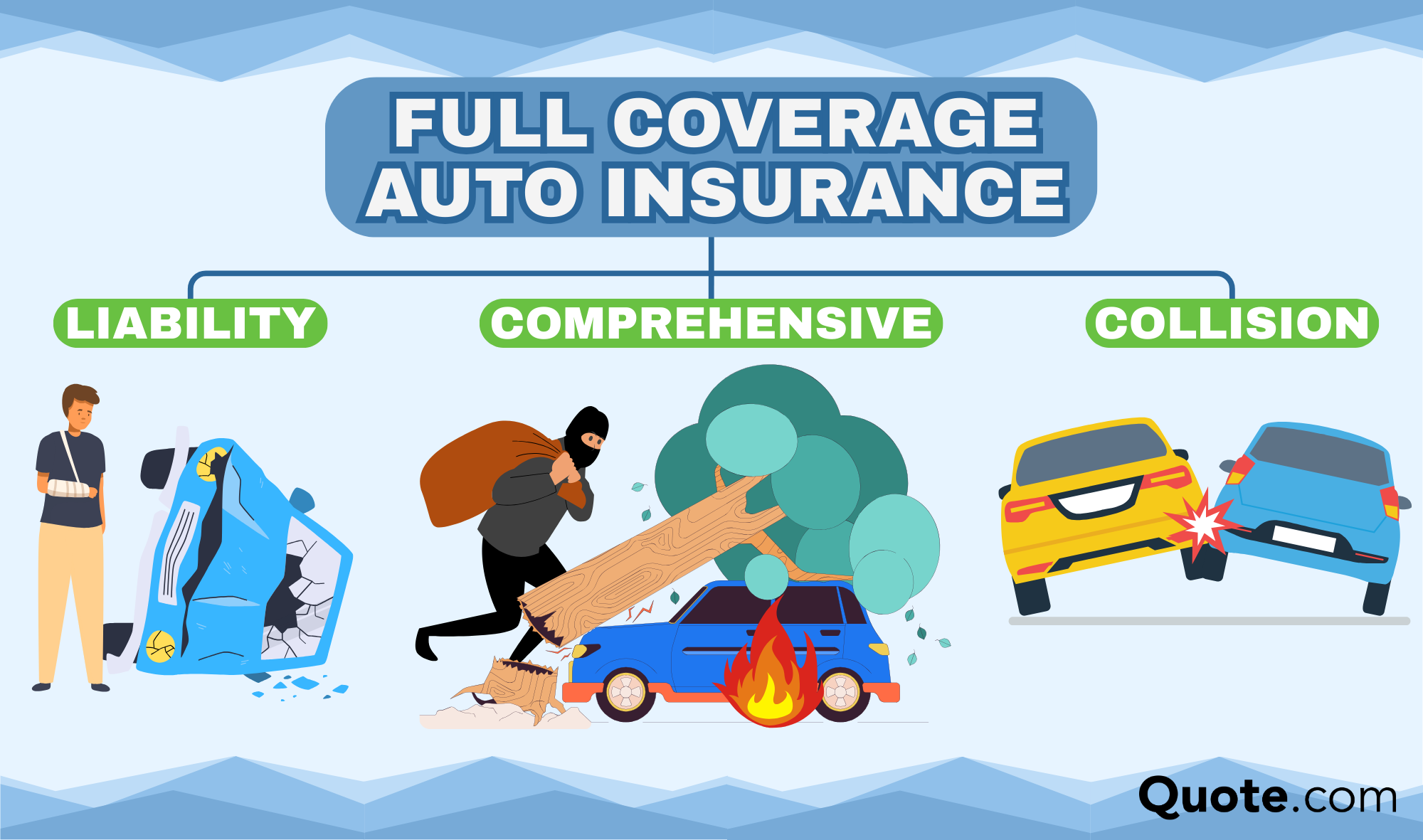
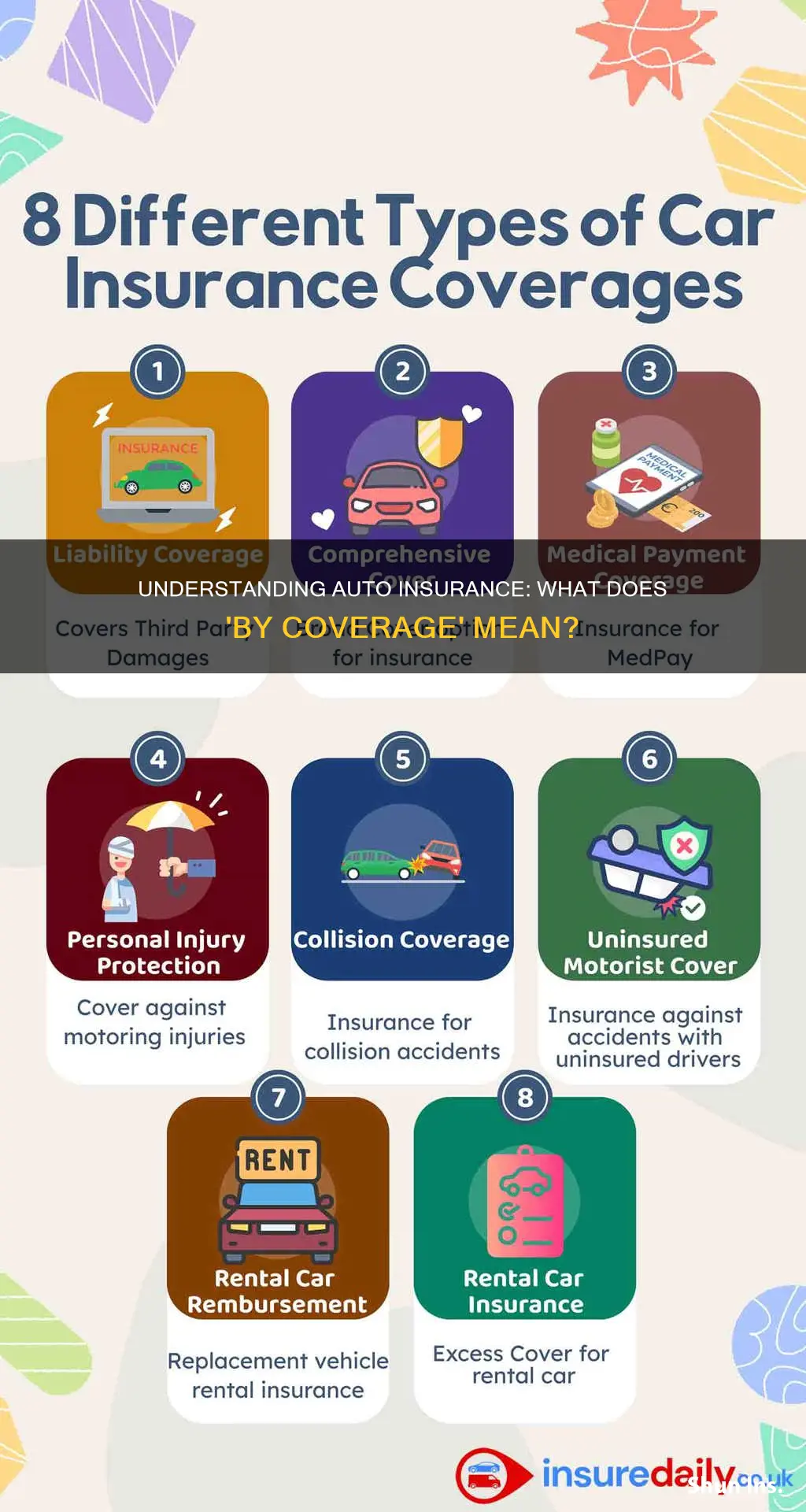
Auto insurance, by contrast, is a financial contract purchased from a private insurance company (or in select international jurisdictions, a government insurance crown corporation). An auto insurance policy provides risk transfer, protecting you against catastrophic liability claims, property damage, medical costs, and collision losses. While state governments establish minimum liability insurance limits that drivers must carry, the state does not supply the insurance policy through standard tax payments.
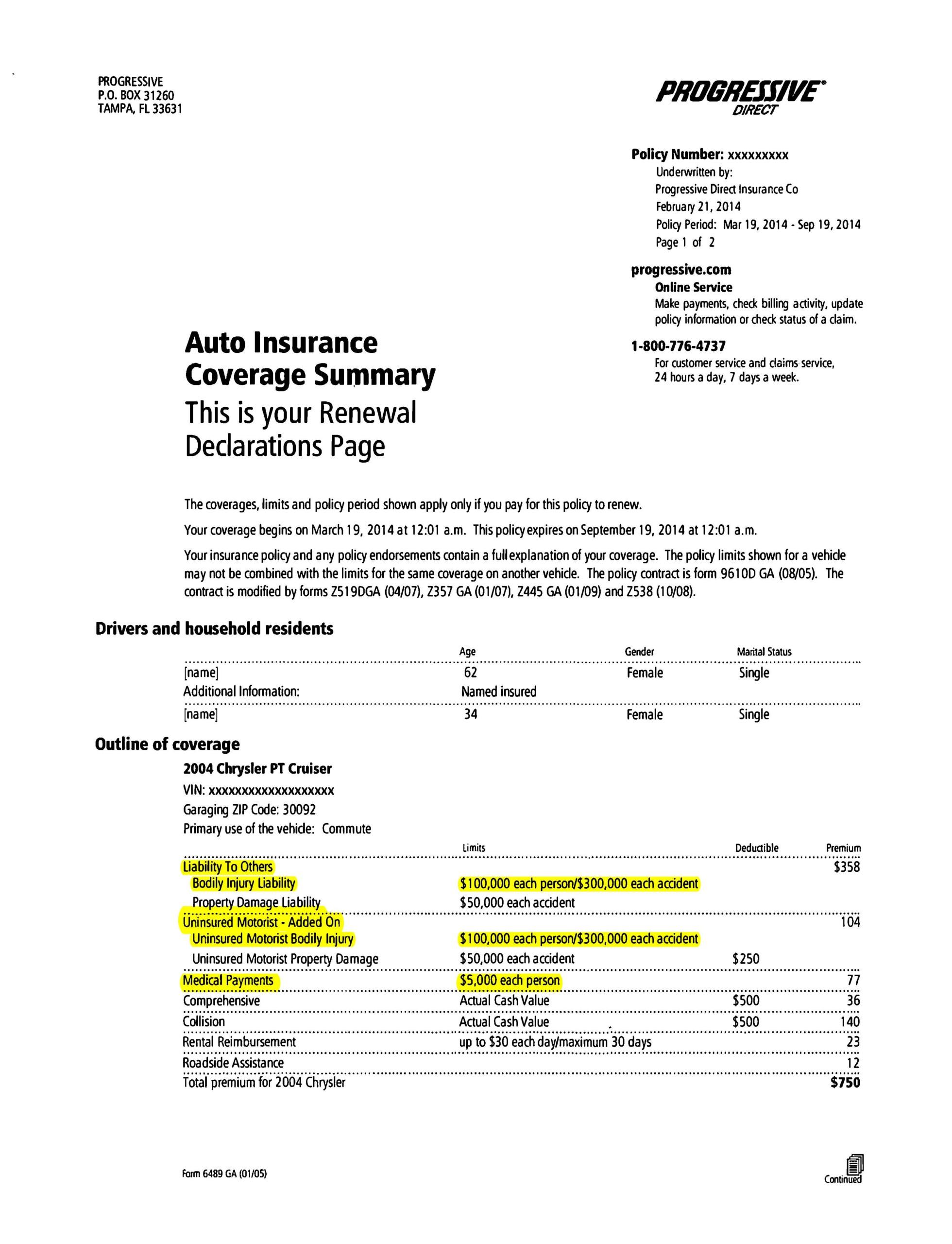
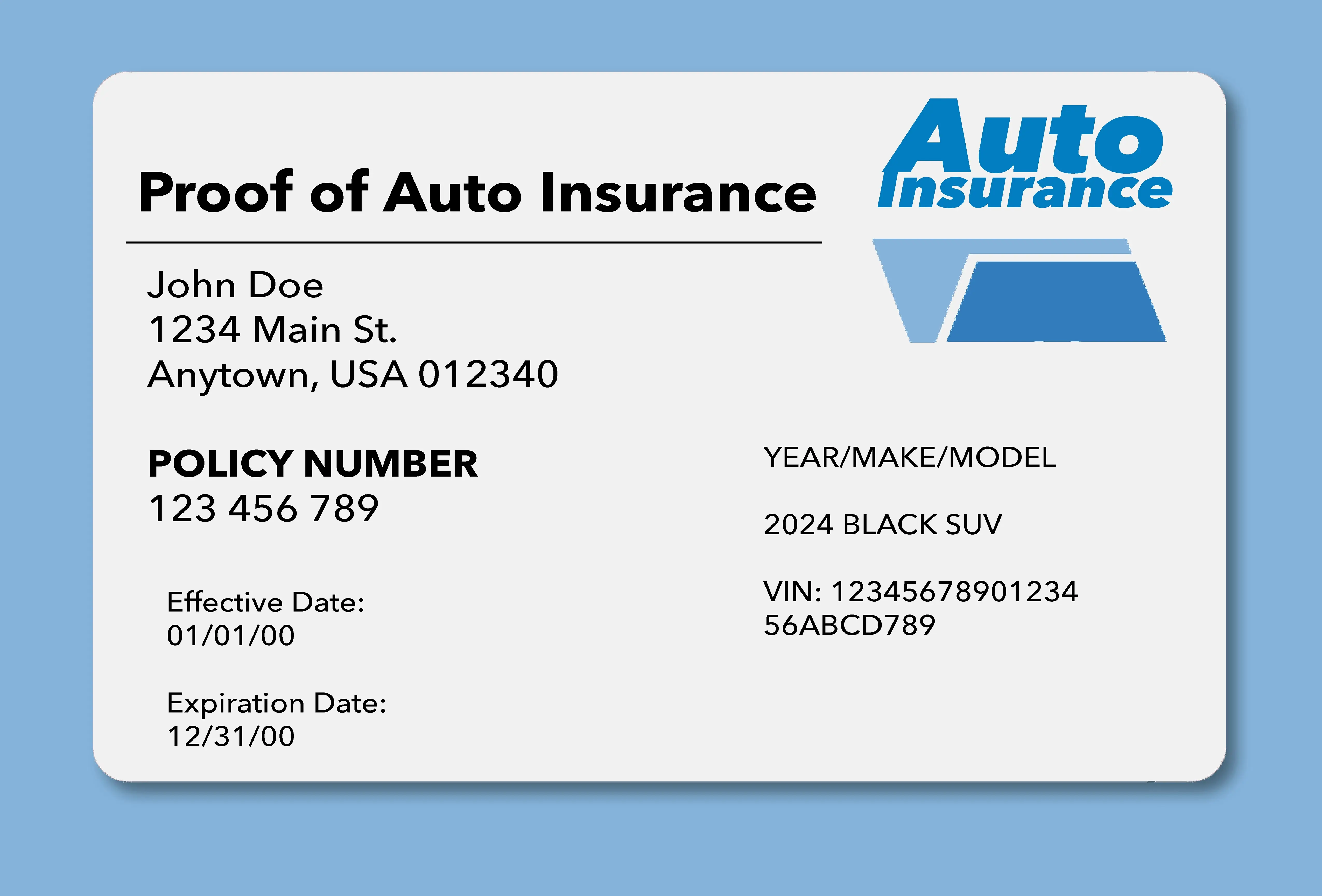
To register a vehicle or renew registration tags, state licensing agencies typically require proof of active financial responsibility—meaning you must present an active auto insurance card or policy declaration page showing you have satisfied the state's minimum insurance threshold before your registration will be processed.
Are Auto Insurance Premiums Tax-Deductible?
Whether you can deduct auto insurance from your income taxes depends on how you use the vehicle and your tax filing status. The Internal Revenue Service (IRS) distinguishes strictly between personal vehicle use and business-related driving.
- Vehicle Usage Classification
- Personal Use (Commute, errands, leisure): NOT Tax-Deductible
- Business Use (Self-employed, 1099, business owner)
- Standard Mileage Rate: Insurance factored into rate (No separate deduction)
- Actual Expense Method: Insurance premium prorated by business mileage %
Personal Vehicle Use
Under standard federal tax guidelines, car insurance premiums paid for personal vehicles are considered non-deductible personal expenses. If you use your car exclusively to run personal errands, commute to and from a single W-2 employer's workplace, or take family road trips, you cannot claim your auto insurance premiums as an itemized or standard deduction on your personal tax return.
Furthermore, under the Tax Cuts and Jobs Act, W-2 employees cannot deduct unreimbursed employee expenses, including personal auto insurance used during work errands, through the 2025 and 2026 tax years. Only specific exempt W-2 categories—such as Armed Forces reservists, qualified performing artists, and fee-basis state or local government officials—retain limited access to employee vehicle expense deductions via IRS Form 2106.
Business and Self-Employment Use
If you are self-employed, operate a sole proprietorship, work as an independent contractor (such as a 1099 freelancer), or own a business entity, auto insurance premiums directly attributable to business driving are fully tax-deductible. The IRS allows business owners and independent contractors to write off vehicle operating expenses under IRS Topic No. 510, provided adequate mileage records and financial documentation are maintained.
If a vehicle is used 100% for business activities—such as a commercial delivery van or a dedicated service vehicle—100% of the annual auto insurance premium can be deducted as a legitimate business operating expense.
Gig Workers and Ride-Share Drivers
Drivers operating for transportation network companies (such as Uber or Lyft) or delivery services (such as DoorDash or Instacart) occupy a hybrid space. Because gig drivers operate as independent contractors, their auto insurance payments qualify for tax deductions for the portion of driving performed for work.
However, gig drivers must account for the specific periods of their driving activity:
- Personal Driving: Time spent driving for personal reasons or commuting to a primary job site is non-deductible.
- App-On / Searching for Orders: Time spent logged into a gig app waiting for a assignment or driving toward a customer pickup is classified as business use, making the prorated portion of insurance deductible.
- Active Ride / Delivery: Time spent transporting a passenger or delivering goods is business use, allowing proportional insurance deductions.
Because commercial rideshare add-on policies or specialized gig worker coverage often carry higher premiums than standard personal policies, keeping track of exact business mileage allows drivers to deduct the higher cost proportional to their business driving percentage.
Standard Mileage Rate vs. Actual Expense Method
When deducting vehicle expenses for business use on an income tax return, self-employed taxpayers must choose between two distinct deduction strategies established by the IRS: the Standard Mileage Rate and the Actual Expense Method. How your auto insurance is treated depends entirely on which method you select.
- Choosing Your Tax Deduction Method
- Standard Mileage Rate
- Fixed cents-per-mile rate
- Includes gas, repairs, insurance
- CANNOT separately deduct insurance
- Requires simple mileage log
- Actual Expense Method
- Total all actual vehicle costs (Gas, repairs, insurance, etc.)
- Multiply total costs by business use percentage
- Standard Mileage Rate
1. The Standard Mileage Rate
The standard mileage rate simplifies tax reporting by assigning a fixed dollar value per business mile driven. The rate calculated annually by the IRS accounts for all standard operational costs of running a vehicle, including fuel, oil, depreciation, routine maintenance, lease payments, and auto insurance.
Because auto insurance is already built into the baseline cents-per-mile calculation, taxpayers who choose the standard mileage rate cannot separately deduct their car insurance premiums on Schedule C. Attempting to claim both the standard mileage rate and a separate deduction for auto insurance constitutes duplicate reporting (double-dipping) under IRS rules.
2. The Actual Expense Method
Under the actual expense method, you sum up every individual expense incurred to operate your vehicle during the tax year. Eligible expenses include:
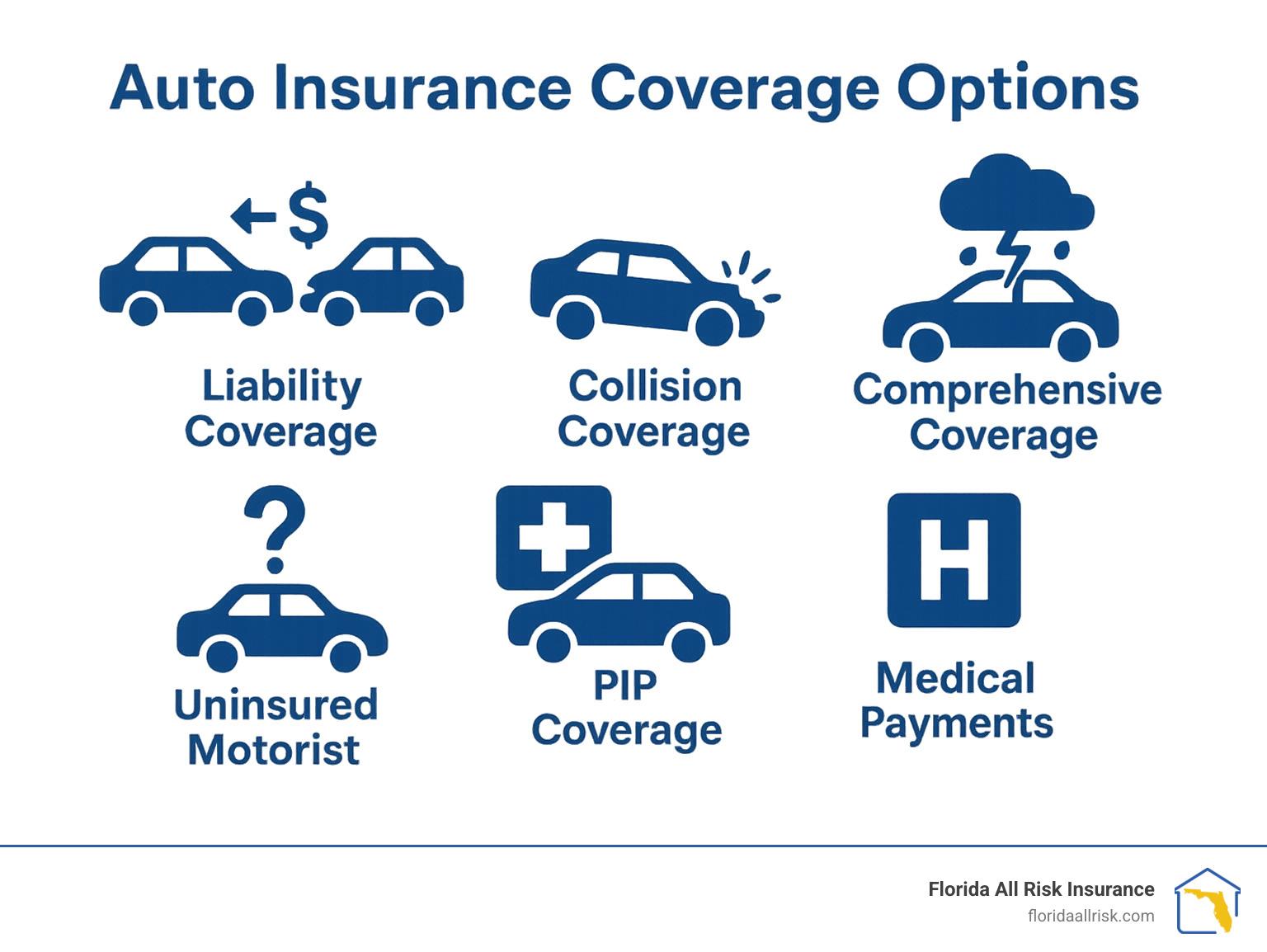
- Auto insurance premiums (personal liability, comprehensive, collision, and commercial endorsements)
- Gasoline and oil
- Maintenance, tires, and mechanical repairs
- Vehicle depreciation or lease payments
- License and registration fees
To determine your allowable deduction, you calculate your business use percentage by dividing your annual business miles by your total annual miles driven across all activities.
$$\text{Business Use Percentage} = \frac{\text{Annual Business Miles}}{\text{Total Annual Miles Driven}}$$
$$\text{Deductible Insurance} = \text{Total Annual Insurance Premium} \times \text{Business Use Percentage}$$
Calculation Example
Suppose an independent contractor pays $2,400 per year in total auto insurance premiums for their primary vehicle. During the year, they drive a total of 20,000 miles, of which 12,000 miles were for documented business client visits and service calls.
- Business Use Percentage: $12,000 / 20,000 = 60%$
- Deductible Insurance Expense: $$2,400 \times 0.60 = $1,440$
Under the actual expense method, the taxpayer claims $1,440 as a deductible car insurance expense on their business tax filings. Detailed guidelines on evaluating whether the standard mileage rate or actual expense method yields a higher deduction are outlined in IRS Publication 463.
Tax Deductibility Breakdown Across Vehicle Use Types
The following table summarizes how auto insurance premiums and vehicle-related taxes are treated across common driving profiles and tax situations.
| Vehicle Driver / Use Profile | Primary Tax Classification | Can You Deduct Auto Insurance? | Can You Deduct Registration Taxes/Fees? | Key Tax Form / Schedule |
|---|---|---|---|---|
| Personal W-2 Commuter | Non-deductible personal use | No | Yes (Ad valorem / value-based property tax portion only, if itemizing) | Schedule A (Form 1040) |
| Self-Employed (Standard Mileage) | Business use (Schedule C) | No (Included inside standard mileage rate) | Tolls and parking only; registration included in standard rate | Schedule C (Form 1040) |
| Self-Employed (Actual Expense) | Business use (Schedule C) | Yes (Prorated by business mileage %) | Yes (Prorated by business mileage %) | Schedule C (Form 1040) |
| 1099 Gig / Rideshare Driver | Business / Independent contractor | Yes (Prorated percentage under actual expense method) | Yes (Prorated percentage under actual expense method) | Schedule C (Form 1040) |
| Dedicated Business Fleet Vehicle | 100% Commercial business asset | Yes (100% full expense deduction) | Yes (100% full business tax deduction) | Form 1040 / Form 1120 / Form 1065 |
State Taxes, Premium Taxes, and Surcharges on Auto Policies
When reviewing your monthly or annual auto insurance bill, you may notice line-item charges labeled as taxes, assessments, or regulatory surcharges. It is helpful to understand how state governments tax auto insurance policies themselves.
- Taxes & Fees on Insurance Policies
- Standard State Sales Tax (0%)
- Insurance premiums are EXEMPT from retail sales tax in almost all states.
- State Insurance Premium Taxes & Surcharges
- Levied on insurance carriers & passed to consumers via policy fees/assessments.
- Standard State Sales Tax (0%)
1. General Retail Sales Tax Exemption
In almost all U.S. states, auto insurance premiums are exempt from general state and local sales tax. When you buy an insurance policy, you are purchasing a financial service and risk transfer contract, not a tangible personal property transaction subject to retail sales tax.
2. State Insurance Premium Tax
Although standard sales tax does not apply, states levy a specialized Insurance Premium Tax directly on insurance carriers operating within their borders. This tax is typically calculated as a percentage of net premiums written by the insurance company (often ranging between 1% and 3%).
While this tax is assessed on the insurance carrier, insurers build the cost of the premium tax directly into the baseline rate structure charged to policyholders.
3. State Assessments and Guaranty Fund Fees
Depending on your state of residence, your auto insurance invoice may feature explicit, state-mandated regulatory assessments, such as:
- State Guaranty Fund Surcharges: Small assessments collected to backstop claims if an insurance carrier becomes insolvent.
- Uninsured Motorist Enforcement Fees: Mandatory state funds designed to offset enforcement costs against uninsured drivers.
- Auto Theft Prevention Surcharges: Minor fees directed toward state law enforcement anti-theft task forces.
These line-item fees are part of your overall policy premium cost. If your auto insurance qualifies for a business tax deduction, these policy fees and surcharges are included in the total deductible amount.
How to Properly Claim Car Insurance on Income Taxes
To successfully claim an auto insurance tax write-off for business use without triggering IRS inquiry, follow these essential operational steps.
Step 1: Maintain a Contemporaneous Mileage Log
The IRS requires strict substantiation for all business vehicle deductions. A valid log must track:
- Date of each business trip
- Starting point and destination
- Business purpose of the trip
- Mileage driven per trip
- Total odometer reading at the beginning and end of the tax year
Digital mileage tracking applications or physical logbooks should be updated in real time. Reconstructing mileage logs retroactively at year-end is one of the leading reasons auto expense deductions are disallowed during tax audits.
Step 2: Separate Business and Personal Insurance Premiums
Calculate your exact business use percentage at the end of the tax year based on your log. Apply that percentage exclusively to the total insurance premiums paid during that specific tax calendar year.
Step 3: Choose the Optimal Deduction Method
Calculate your total allowable deduction under both the Standard Mileage Rate and the Actual Expense Method. Choose the method that provides the higher lawful deduction. Note that if you choose the Actual Expense Method in the first year a vehicle is placed in service, IRS rules may restrict your ability to switch to the Standard Mileage Rate for that vehicle in subsequent years.
Step 4: Report Expenses on the Correct Tax Forms
- Sole Proprietors and 1099 Contractors: Report prorated insurance expenses on Schedule C (Form 1040) under Part II (Expenses), entering vehicle insurance under Line 15 (Insurance) or Line 9 (Car and truck expenses) depending on your accounting layout.
- Partnerships and S-Corporations: Report business vehicle insurance expenses on Form 1065 or Form 1120-S.
- Statutory Employees: Report allowable expenses on Schedule C or Form 2106 where applicable.
Common Tax Mistakes to Avoid with Auto Insurance
Errors regarding auto insurance write-offs can lead to audit adjustments, penalties, and interest from tax authorities. Avoid these frequent pitfalls:
- Double-Deducting Insurance with Standard Mileage: Taking the standard mileage rate and adding a separate deduction for auto insurance is a compliance violation. The standard mileage rate already incorporates insurance costs.
- Deducting Personal Commuting Expenses: The IRS considers driving between your primary home and regular workplace to be non-deductible personal commuting, regardless of whether you make business phone calls or display company logos during the drive. Insurance costs associated with personal commuting miles cannot be written off.
- Failing to Retain Payment Records: Claiming an insurance deduction requires proof of actual payment. Keep insurance policy declaration pages, monthly billing invoices, and bank or credit card statements confirming premium payments.
- Confusing DMV Registration Fees with Insurance: Do not add your state vehicle registration receipt to your insurance total. Registration fees must be categorized separately, as only the ad valorem (value-based) property tax portion of vehicle registration is deductible on personal itemized returns (Schedule A).
Frequently Asked Questions
Does my monthly car payment or tax bill include auto insurance?
No. Monthly auto loan payments cover principal and interest on the vehicle loan, while state tax bills cover vehicle registration and property taxes. Neither payment includes auto insurance. Auto insurance must be purchased as a separate contract directly through an insurance company.
Is car insurance tax-deductible if I use my car to commute to work?
No. Standard commuting from your home to your regular place of employment is classified by the IRS as a personal activity. Car insurance premiums associated with commuting miles are not tax-deductible for W-2 employees or self-employed individuals.
Can I deduct auto insurance if I drive for Uber, Lyft, or DoorDash?
Yes, but only the portion of your insurance premium that corresponds to your business driving. You can deduct insurance under the actual expense method based on the percentage of total miles driven while logged into the app for work purposes, or you can take the standard mileage rate (which already accounts for insurance costs).
Are auto insurance premiums subject to state sales tax?
In virtually all state jurisdictions, auto insurance premiums are exempt from retail sales tax. However, states levy specialized insurance premium taxes directly on insurance carriers, and insurance bills may include small state-mandated regulatory assessment surcharges.
Can I write off auto insurance if my business owns the vehicle outright?
Yes. If a vehicle is titled in the name of a business entity and used 100% for business operations, 100% of the vehicle's auto insurance premium is deductible as a direct business operating expense.
Final Recommendations
To maximize your tax savings while remaining fully compliant with tax laws, take the following concrete actions:
- Audit Your Driving Profile: Identify whether your vehicle use includes self-employment, 1099 contract work, or business travel beyond basic commuting.
- Implement Real-Time Mileage Tracking: Use a dedicated GPS mileage tracking app or maintain a written log to establish your verified business use percentage.
- Compare Tax Deduction Methods Annually: Work with your accountant to run parallel calculations comparing the Standard Mileage Rate against the Actual Expense Method to determine which yields the highest deduction.
- Maintain Complete Documentation: Store your annual auto insurance declaration pages, payment receipts, and vehicle registration paperwork alongside your annual tax files for at least seven years.
Disclaimer: Tax laws and insurance regulations vary by state and jurisdiction. This article is provided for informational and educational purposes only and does not constitute formal legal, financial, or tax advice. Consult a certified public accountant (CPA) or credentialed tax professional regarding your specific tax situation.
Image Gallery