The Real Toll of Lady Bird Lake for Austin Residents: Safety, Environment, and Urban Infrastructure
The real toll of Lady Bird Lake for Austin residents encompasses critical public safety risks along its shoreline, recurring toxic cyanobacteria blooms, severe ecological strain from urban runoff, and substantial municipal expenditures...
The real toll of Lady Bird Lake for Austin residents encompasses critical public safety risks along its shoreline, recurring toxic cyanobacteria blooms, severe ecological strain from urban runoff, and substantial municipal expenditures required for public infrastructure, trail lighting, and water treatment. While the reservoir remains a central recreational asset, these environmental and safety challenges demand ongoing vigilance and public investment.
Contents
Public Safety Concerns and Waterfront Drownings
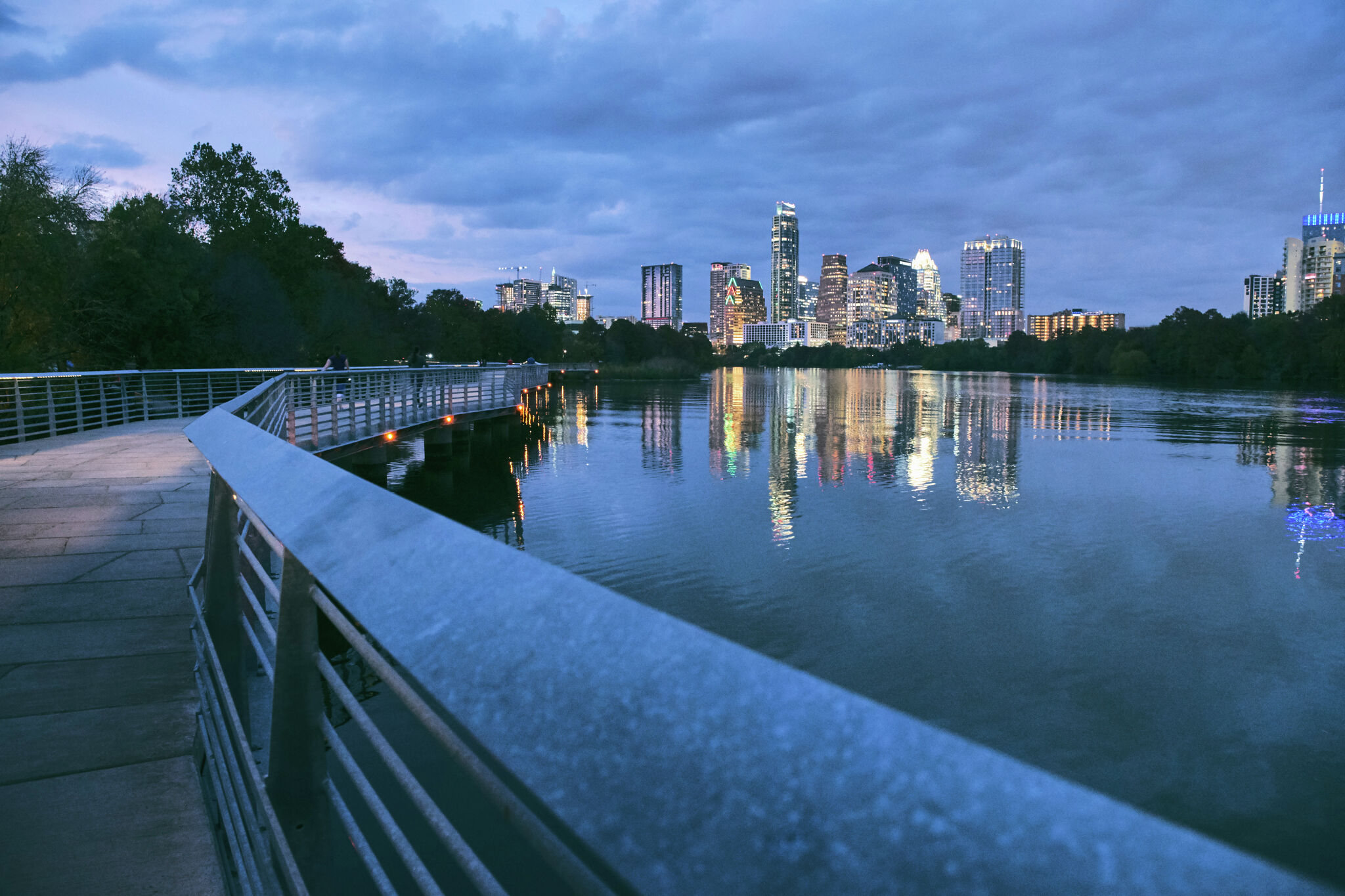
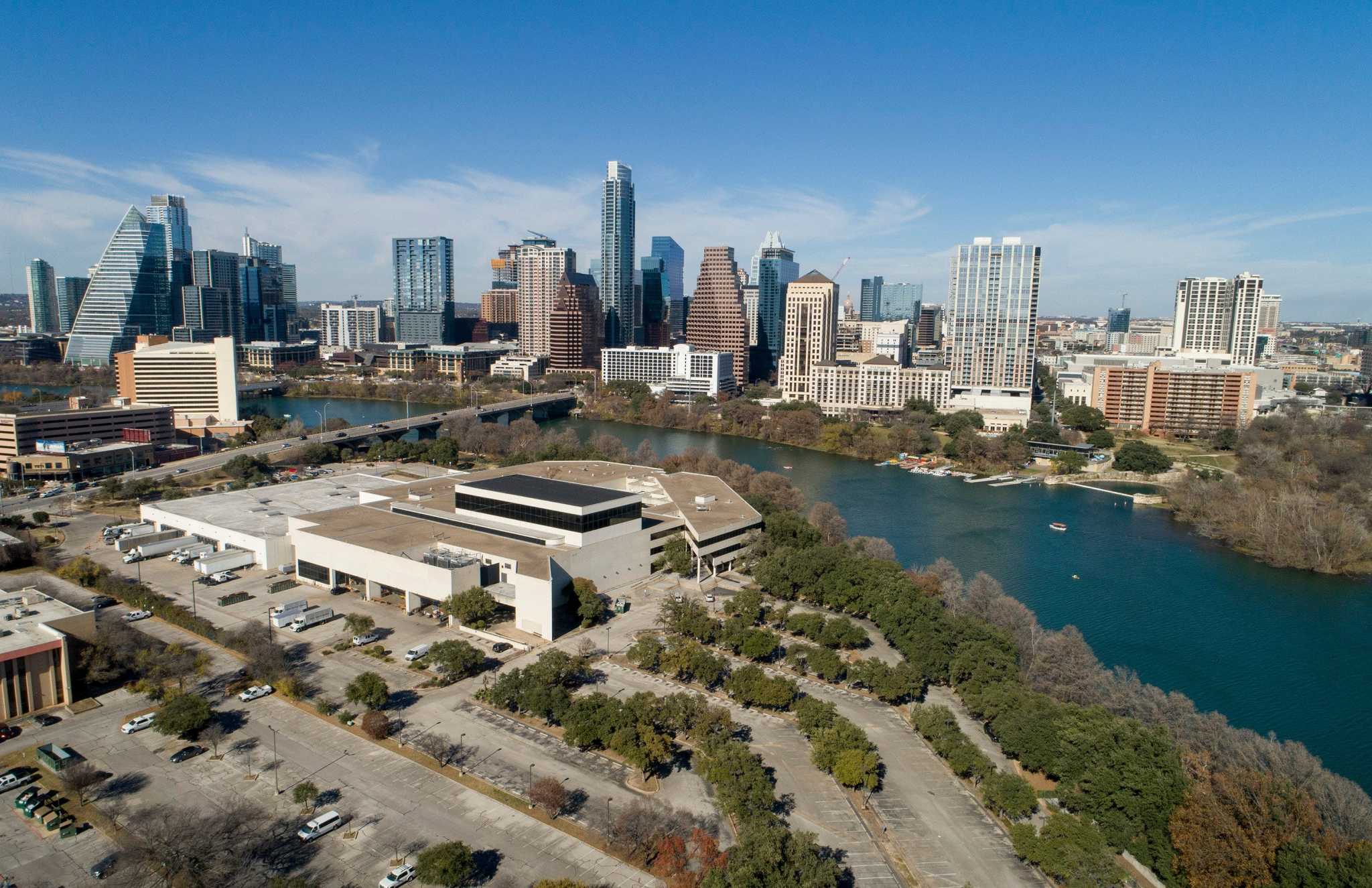
Lady Bird Lake—a dammed section of the Colorado River running directly through downtown Austin—serves as the city's visual and recreational centerpiece. However, the proximity of vibrant nightlife districts to dark, steep shoreline trails has created persistent public safety challenges, culminating in a series of drowning deaths that have alarmed the local community.
- Nightlife District (e.g., Rainey St)
- Unlit Access Trails & Steeps
- Impaired Shoreline Navigation Risks
- Emergency Response & Rescue Ops
The Rainey Street Corridor and Nighttime Trail Hazards
The proximity of the Rainey Street Historic District to the Ann and Roy Butler Hike-and-Bike Trail has emerged as a major safety concern. Over recent years, multiple individuals leaving nearby commercial venues late at night have entered the water, leading to fatal drownings.
The waterfront topography along this segment features several factors that elevate risk:
- Steep, Unfortified Embankments: Significant grade changes between the trail and the water make recovery difficult for individuals who lose their footing in low-light conditions.
- Limited Direct Visibility: Dense riparian vegetation historically obscured clear lines of sight between paved walkways and the water's edge.
- Sparse Artificial Lighting: To balance ecological preservation with public access, trail lighting was historically minimal along major stretches, creating navigational hazards at night.
In response, the City of Austin commissioned formal safety assessments for the trail system surrounding Rainey Street and IH-35. The resulting recommendations led to targeted municipal safety upgrades, including:
- Installation of high-density LED trail lighting and park fixtures.
- Construction of permanent perimeter fencing and physical barriers along high-risk banks.
- Deployment of automated Solar Emergency Call Boxes linked directly to 911 dispatch.
- Expansion of park ranger patrols and targeted police detail during peak weekend hours.
Law Enforcement Investigations vs. Public Misinformation
The cluster of drowning incidents along Lady Bird Lake generated widespread online speculation regarding potential foul play. However, comprehensive investigations conducted by the Austin Police Department (APD) and autopsy reports issued by the Travis County Medical Examiner’s Office consistently pointed to accidental drowning as the primary cause of death, frequently compounded by acute alcohol intoxication.
Toxicology reports and death scene analyses revealed no signs of trauma or secondary physical involvement in the vast majority of cases. Law enforcement authorities have repeatedly emphasized that excessive alcohol consumption impairs motor coordination, spatial orientation, and core body temperature regulation, turning a sudden fall into deep water into a rapidly fatal emergency. Municipal officials continue to urge residents and tourists to avoid accessing the shoreline alone after dark, particularly after consuming alcohol.
Environmental Hazards: Toxic Cyanobacteria and Water Quality
Beyond shoreline safety, Lady Bird Lake faces severe ecological threats that directly impact public health and pet safety. Chief among these is the proliferation of toxic blue-green algae (cyanobacteria), which has altered how residents interact with the water body during warmer months.
- High Temperatures + Nutrient Runoff (Phosphorus)
- Cyanobacteria Benthic Growth
- Toxin Release: Anatoxin-a & Microcystins
- Acute Public Health & Pet Safety Risk
Blue-Green Algae Outbreaks and Canine Health Risks
Beginning in the summer of 2019, toxic algae blooms emerged as a recurring annual hazard in Lady Bird Lake, particularly in stagnant, shallow areas like Red Bud Isle, Auditorium Shores, and shoreline coves. The blue-green algae species present—primarily benthic cyanobacteria growing in mats on the lakebed—produce potent neurotoxins (such as anatoxin-a) and hepatotoxins (microcystins).
These toxins pose a severe threat to dogs. Canines that swim in contaminated water or ingest algae mats can suffer rapid neurological failure or liver damage, often resulting in death within hours or even minutes of exposure. Symptoms of cyanobacteria poisoning in pets include:
- Excessive drooling or foaming at the mouth
- Muscle tremors, rigidity, or loss of coordination
- Involuntary muscle twitching and lethargy
- Severe vomiting, diarrhea, or respiratory distress
Due to these hazards, city health officials issue routine public advisories warning pet owners to keep dogs out of the water entirely during summer and autumn months.
Municipal Interventions: Phoslock Treatments and Ecological Controls
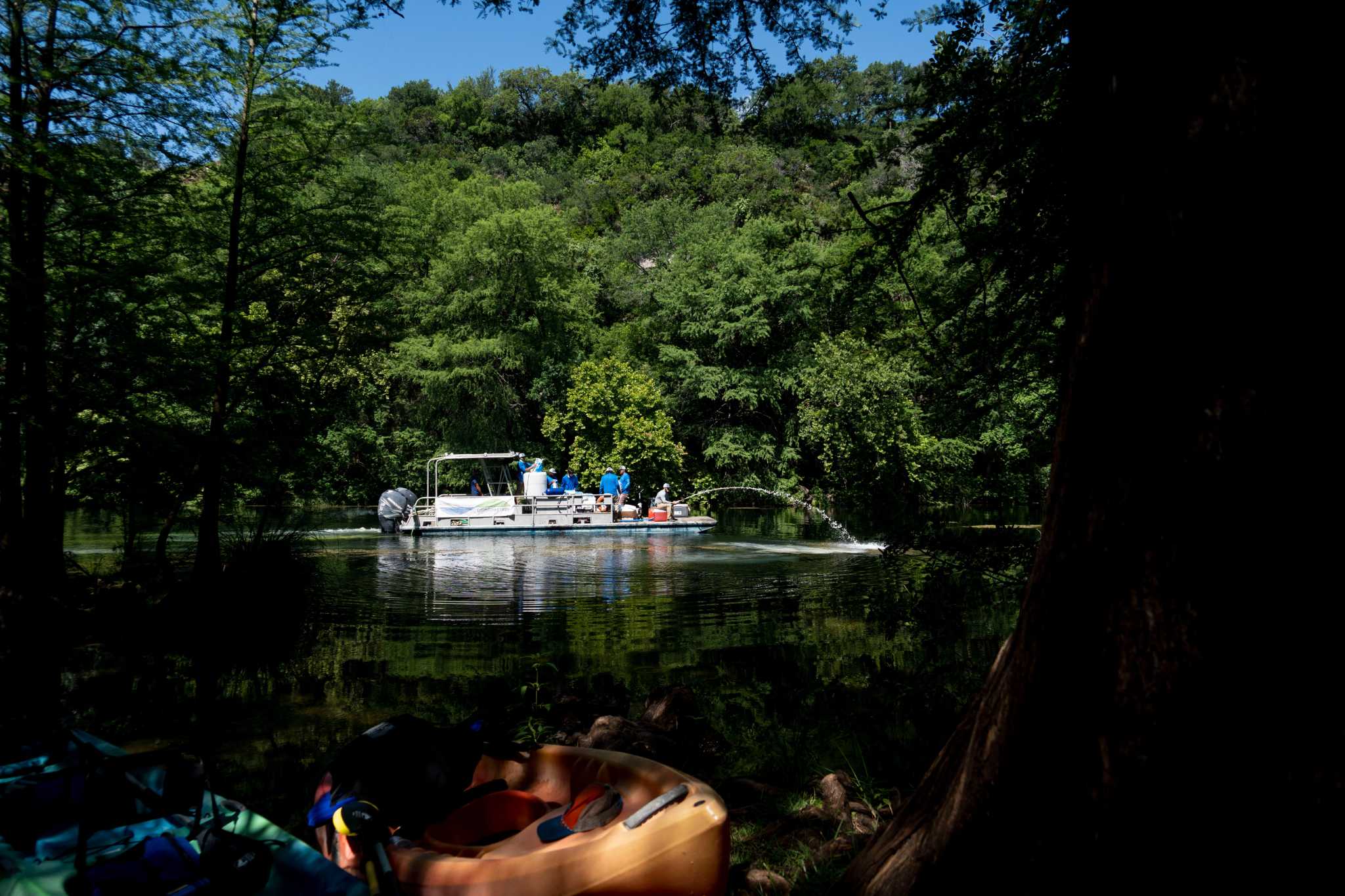
To mitigate cyanobacteria blooms, the Austin Watershed Protection Department implemented chemical and physical remediation protocols. The primary intervention involves applying Phoslock—a lanthanum-modified bentonite clay formulated to bind dissolved phosphorus in the water column.
Phosphorus serves as the primary food source for toxic cyanobacteria. By converting free phosphate into an insoluble mineral (rhabdophane), Phoslock deprives the algae of essential nutrients, suppressing bloom growth.
- Free Phosphate in Water Column + Phoslock (Lanthanum Clay)
- Insoluble Mineral (Rhabdophane)
- Deprived Algae -> Reduced Bloom Risk
| Mitigation Strategy | Mechanism of Action | Target Area / Application | Primary Operational Goal |
|---|---|---|---|
| Phoslock Application | Lanthanum binds soluble reactive phosphorus | Red Bud Isle, Shoreline Coves | Starve cyanobacteria of key nutrient |
| Benthic Sampling & Testing | Lab analysis of algae mat toxicity levels | Key recreational points across lake | Provide early warning public advisories |
| Aquatic Weed Harvesting | Mechanical removal of invasive biomass | Mid-lake channels and bays | Reduce stagnant water zones and excess organic decay |
| Infrastructure Barriers | Physical perimeter fences and signage | Trailheads, Rainey St approach | Prevent accidental nighttime water entry |
While Phoslock treatments have reduced algae density in targeted zones, city scientists acknowledge that complete eradication is unlikely. Rising summer temperatures, persistent sunlight, and urban runoff mean cyanobacteria management remains an ongoing operational cost for Austin taxpayers.
Ecological Strain: Invasive Species, Urban Runoff, and Swimming Prohibitions
Lady Bird Lake operates under structural environmental challenges caused by upstream management, urban development, and non-point source pollution.
Why Swimming Remains Illegal in Lady Bird Lake
A common misconception among newcomers is that swimming in Lady Bird Lake is banned solely due to recent algae outbreaks. In reality, swimming has been illegal under Austin City Code since 1964.
The permanent prohibition stems from multiple severe hazards:
- Submerged Structural Debris: Historic floods swept building material, concrete, bridge rebar, timber, and discarded metal debris into the lakebed. Much of this material remains hidden beneath the surface, presenting impalement and entanglement hazards.
- Dangerous Hydraulic Currents: Lady Bird Lake is a managed reservoir situated between Tom Miller Dam upstream and Longhorn Dam downstream. Rapid, unannounced floodgate releases from Tom Miller Dam create powerful underwater currents and swift water surges.
- Bacterial and Chemical Contamination: Following heavy rainfall, urban stormwater discharges untreated petroleum hydro-carbons, heavy metals, pesticides, and E. coli bacteria from city streets directly into the basin.
- Upstream Release (Tom Miller Dam) and Submerged Debris / Urban Runoff
- Severe Underwater Hazards
- 1964 Swimming Ban
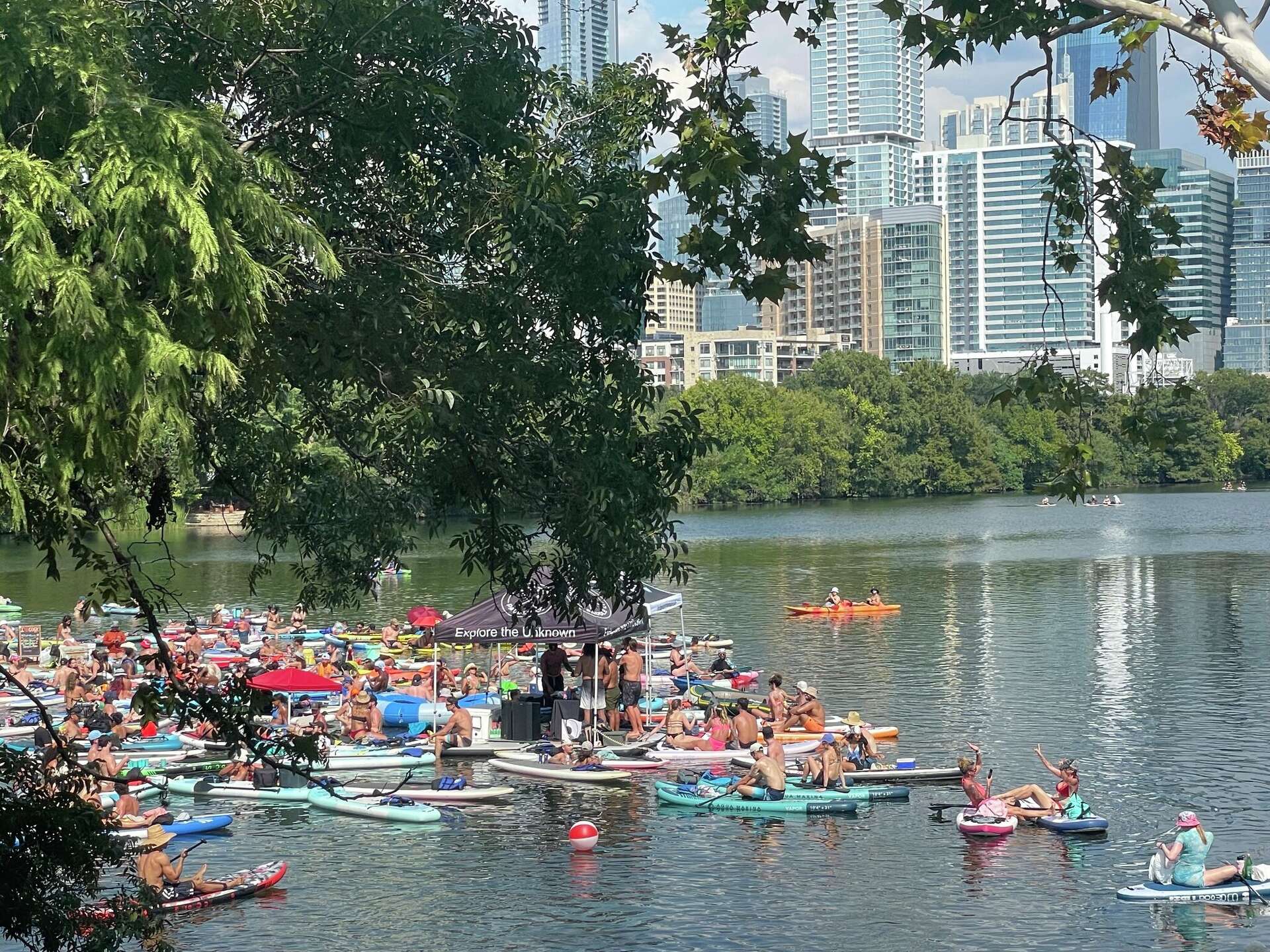
The City of Austin restricts water contact primarily to non-motorized watercraft such as kayaks, stand-up paddleboards (SUPs), and canoes, requiring users to avoid deliberate immersion.
Watershed Pollution and Invasive Species Pressure
The ecological integrity of Lady Bird Lake is further challenged by biological and chemical pressures:
- Zebra Mussels (Dreissena polymorpha): These invasive mollusks arrived in the Colorado River basin and quickly colonized Lady Bird Lake. They filter plankton, increasing water clarity—which paradoxically allows sunlight to penetrate deeper, accelerating the growth of benthic toxic algae. Additionally, their razor-sharp shells coat shoreline rocks, posing injury hazards to paddlers.
- Hydrilla (Hydrilla verticillata): This invasive aquatic weed creates dense sub-surface mats that impede watercraft navigation, trap floating trash, and alter local oxygen dynamics.
- Siltation and Sediment Accumulation: Rapid urban development along tributary creeks (such as Shoal Creek and Waller Creek) carries substantial sediment loads into Lady Bird Lake, shallowing key segments and exacerbating stagnant water conditions.
Economic and Municipal Costs
Managing Lady Bird Lake requires millions of dollars in annual municipal expenditure across multiple city departments, including Parks and Recreation (PARD), Watershed Protection, the Austin Police Department, and Austin Fire Department (AFD) Water Rescue.
- City Budget Allocation
- Safety & Patrols
- APD/AFD Rescues
- Call Box Upgrades
- Algae & Remediation
- Phoslock Treatments
- Water Quality Testing
- Trail & Eco Maintenance
- Debris Removal
- Erosion Control
- Safety & Patrols
Key municipal cost drivers include:
- Environmental Testing & Remediation: Ongoing water sampling, toxicity testing, and chemical treatments (Phoslock) require dedicated annual allocations within the Watershed Protection Department budget.
- Emergency Response Infrastructure: Operating and maintaining emergency rescue boats, maintaining public call boxes, and staffing specialized fire-rescue units for water rescues present continuous personnel and operational expenses.
- Trail Maintenance and Public Safety Upgrades: The installation and maintenance of high-intensity lighting, safety fencing, directional signage, and surveillance systems along the Ann and Roy Butler Trail represent major capital infrastructure investments.
Practical Safety Protocols and Rules for Austin Residents
Residents utilizing Lady Bird Lake and the surrounding parklands must navigate specific municipal regulations and safety guidelines to protect themselves and their pets.
Pet Safety Guidelines
To minimize pet exposure to cyanobacteria and ecological hazards:
- Obey Water Advisories: Never allow dogs to swim in, drink from, or wade into Lady Bird Lake, particularly during warm months when algae warnings are active.
- Prevent Consumption of Shoreline Material: Keep dogs on a short leash along the trail to prevent them from eating dried algae mats, dead fish, or toxic plants along the bank.
- Immediate Decontamination: If a dog enters the water accidentally, rinse its coat immediately with clean, fresh tap water before it can lick its fur. Seek emergency veterinary care immediately if symptoms like drooling, weakness, or muscle twitching appear.
Watercraft Rules and Boating Regulations
Paddlers, kayakers, and rowers operating on Lady Bird Lake must follow local and state boating laws enforced by city park rangers and law enforcement:
- Personal Flotation Devices (PFDs): Texas law requires one U.S. Coast Guard-approved PFD on board for every passenger. Children under 13 years of age must wear a PFD at all times while the watercraft is underway.
- Prohibition of Gas-Powered Motors: Gas-powered motorized vessels are strictly prohibited on Lady Bird Lake (with exemptions for emergency services and authorized maintenance vessels). Electric trolling motors rated at 5 horsepower or less are permitted.
- Nighttime Operations: Any watercraft operated between sunset and sunrise must display a functional 360-degree white light or navigational light to prevent collisions.
- Prohibition of Glass Containers: Glass bottles and containers are banned on the water and along the trail to reduce cut injuries and environmental pollution.
Frequently Asked Questions
Why is swimming banned in Lady Bird Lake?
Swimming has been illegal in Lady Bird Lake since 1964 due to dangerous underwater debris (including concrete, metal rebar, and flood debris), sudden hydraulic currents caused by dam releases, and high bacterial levels following stormwater runoff.
Is the water in Lady Bird Lake toxic to humans?
While incidental contact during paddleboarding or kayaking generally poses low risk, ingesting lake water or swimming during active cyanobacteria (blue-green algae) blooms can cause skin irritation, gastrointestinal distress, and illness. Swimming remains prohibited by city ordinance.
Are the drownings near Rainey Street linked to foul play?
Investigations conducted by the Austin Police Department and the Travis County Medical Examiner’s Office have found no evidence of foul play or serial criminal activity in the drowning deaths near Rainey Street. Official findings attribute these incidents to accidental drowning, primarily involving nighttime disorientation and high blood alcohol levels near steep, unlit shoreline banks.
How does the city treat toxic algae in Lady Bird Lake?
The Austin Watershed Protection Department applies Phoslock (a lanthanum-modified clay) to targeted areas like Red Bud Isle. Phoslock binds dissolved phosphorus in the water column, preventing algae from accessing the nutrients required to form toxic blooms.
Can dogs swim in Lake Austin or Barton Springs instead?
Barton Springs Pool (the urban structure) and designated off-leash dog parks like Barking Springs (below the pool overflow) have distinct water sources, but pet owners should check current water quality reports. Lake Austin can also harbor toxic algae during peak summer heat. Pet owners should check official City of Austin health alerts before allowing dogs into any open water body.
Recommended Next Actions for Residents
To stay safe while enjoying Austin's primary waterfront asset, residents should take the following steps:
- Monitor Water Quality Alerts: Check the official Austin Watershed Protection Department website for real-time cyanobacteria monitoring updates and pet advisories before visiting the lake.
- Practice Waterfront Caution at Night: Avoid walking along unlit sections of the Ann and Roy Butler Hike-and-Bike Trail alone after dark, particularly after visiting nearby entertainment districts.
- Inspect Personal Watercraft Gear: Ensure all kayaks, SUPs, and canoes carry required life jackets and night lighting before launching.
- Report Hazards: Report shoreline damage, floating debris, or unmonitored algae clusters directly to the city by dialing 311 or utilizing the 311 mobile application.
Image Gallery