Watermelon Kcal in the Daily Diet: Caloric Impact, Nutrition, and Weight Management
Raw watermelon provides approximately 30 kcal per 100 grams, making it one of the lowest-calorie fruits available for daily nutrition. A standard one-cup serving of diced watermelon delivers around 46 kcal alongside high water content,...
Raw watermelon provides approximately 30 kcal per 100 grams, making it one of the lowest-calorie fruits available for daily nutrition. A standard one-cup serving of diced watermelon delivers around 46 kcal alongside high water content, essential electrolytes, and antioxidants. Integrating watermelon into your daily diet supports hydration and appetite control without overloading your daily energy budget.
Contents
Understanding Watermelon Caloric Density and Nutritional Profile
To evaluate how watermelon fits into a calorie-controlled eating plan, it is essential to understand caloric density—the ratio of calories to the weight or volume of food. Watermelon ranks among the least calorie-dense whole foods available because water accounts for roughly 91% to 92% of its total weight. Because water provides volume and weight without adding energy, watermelon allows individuals to consume a visually substantial portion of food while keeping total caloric intake low.
The caloric content of watermelon stems almost entirely from naturally occurring carbohydrates. In a standard 100-gram portion of raw red watermelon, the nutrient breakdown includes:
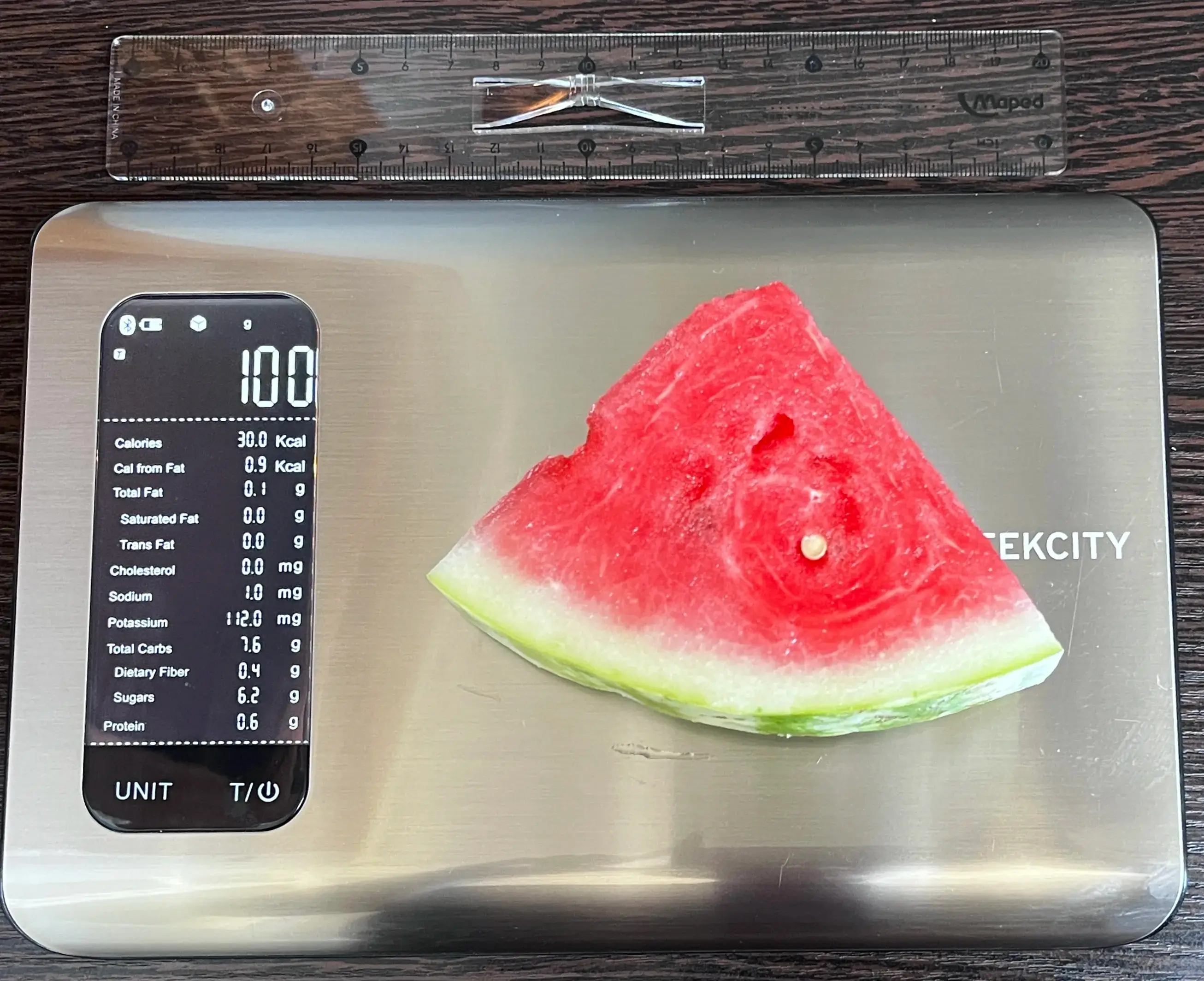
- Energy: 30 kcal (126 kJ)
- Water Content: 91.4 grams
- Total Carbohydrates: 7.55 grams
- Sugars: 6.2 grams (consisting of fructose, glucose, and sucrose)
- Dietary Fiber: 0.4 grams
- Protein: 0.61 grams
- Total Fat: 0.15 grams
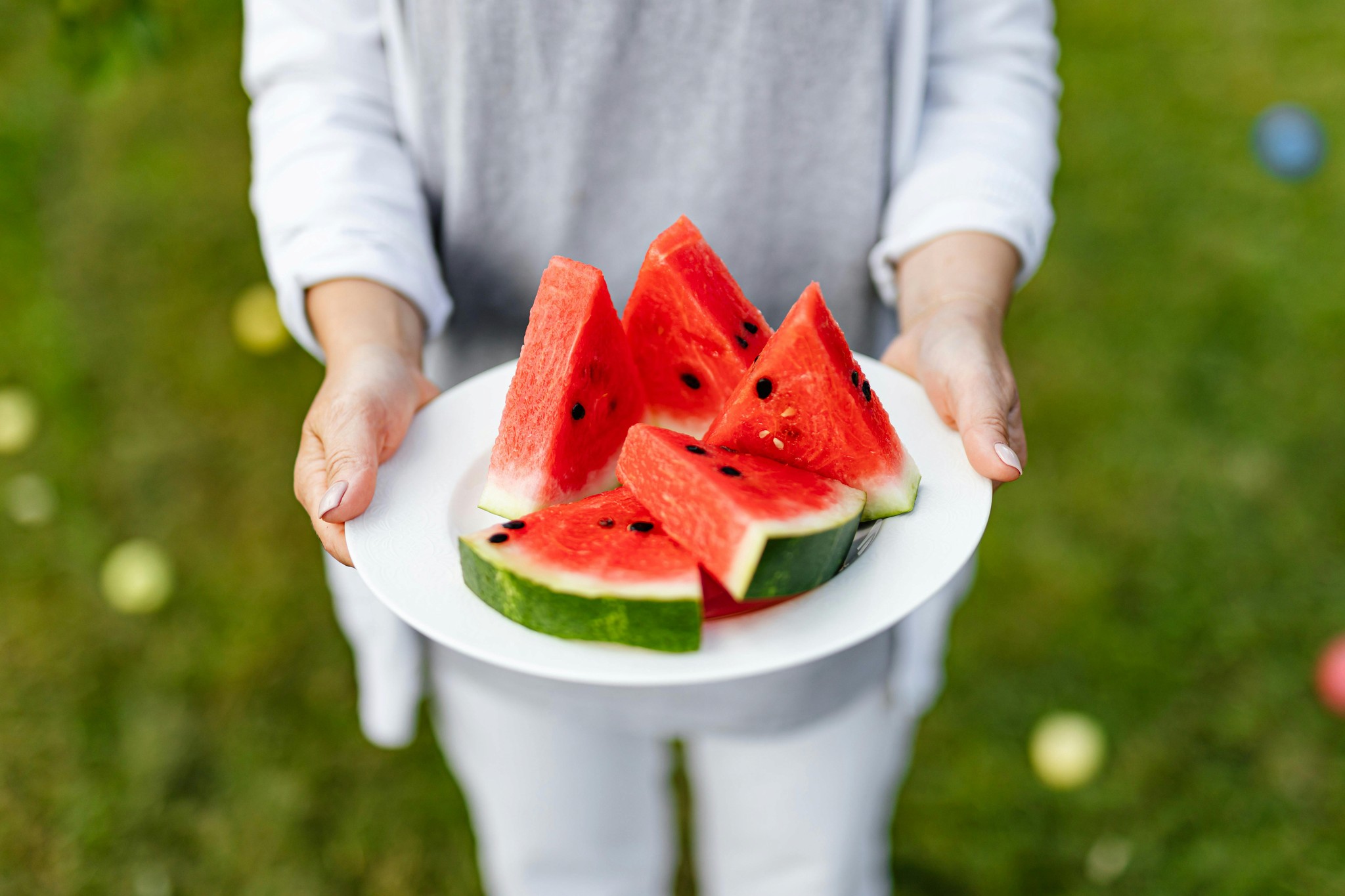
When adjusting portion sizes to typical consumer servings, the numbers scale predictably. A measured one-cup serving of diced watermelon (approximately 152 grams) contains roughly 46 kcal and 11.5 grams of total carbohydrates. A large wedge weighing 286 grams provides about 86 kcal and 21.6 grams of carbohydrates.
Beyond its macronutrient and caloric values, watermelon supplies critical micronutrients and bioactive compounds. It is a rich natural source of lycopene, a powerful carotenoid antioxidant linked to cardiovascular health and reduced oxidative stress. It also contains L-citrulline, a non-essential amino acid that serves as a precursor to nitric oxide, promoting blood vessel dilation and improved blood flow. Additionally, watermelon provides beneficial amounts of vitamin C (about 8.1 mg per 100g), vitamin A (as beta-carotene), potassium, and magnesium, making its energy yield nutritionally dense despite its low overall calorie count.
Comparing Watermelon Kcal to Other Common Daily Fruits
When planning a daily meal framework, comparing the energy and carbohydrate profiles of different fruits helps maintain an accurate calorie balance. Watermelon provides significantly fewer calories per 100 grams than fruits with lower water content or higher dietary fiber levels, such as bananas, apples, or grapes.
The table below illustrates how raw watermelon compares to other popular fruits on a standardized 100-gram basis and per common single serving, detailing calories, carbohydrates, dietary fiber, and estimated Glycemic Load (GL).
| Fruit | Serving Weight (g) | Energy per 100g (kcal) | Total Energy per Serving (kcal) | Carbohydrates per 100g (g) | Fiber per 100g (g) | Estimated Glycemic Load (per serving) |
|---|---|---|---|---|---|---|
| Watermelon | 152g (1 cup diced) | 30 kcal | 46 kcal | 7.6g | 0.4g | 5 (Low) |
| Cantaloupe | 160g (1 cup cubed) | 34 kcal | 54 kcal | 8.2g | 0.9g | 4 (Low) |
| Strawberries | 150g (1 cup whole) | 32 kcal | 48 kcal | 7.7g | 2.0g | 3 (Low) |
| Apple (with skin) | 182g (1 medium) | 52 kcal | 95 kcal | 13.8g | 2.4g | 6 (Low) |
| Blueberries | 148g (1 cup) | 57 kcal | 84 kcal | 14.5g | 2.4g | 6 (Low) |
| Grapes (Red/Green) | 151g (1 cup) | 69 kcal | 104 kcal | 18.1g | 0.9g | 11 (Moderate) |
| Banana | 118g (1 medium) | 89 kcal | 105 kcal | 22.8g | 2.6g | 12 (Moderate) |
Data sources: USDA FoodData Central national nutrient databases.
As shown in the comparison, watermelon yields fewer calories per gram than apples, blueberries, grapes, and bananas. While strawberries and cantaloupe exhibit similar caloric density, watermelon stands out for its high volume-to-calorie ratio, making it an excellent option for volume-eating strategies.
Glycemic Index vs. Glycemic Load: What Watermelon Kcal Means for Blood Sugar
A frequent point of confusion when incorporating watermelon into a daily routine is its Glycemic Index (GI). Watermelon has a relatively high GI score of approximately 72 to 76 out of 100. The Glycemic Index measures how rapidly a carbohydrate-containing food raises blood glucose levels compared to pure glucose. Because the simple sugars in watermelon are digested quickly, its GI rank is elevated.
However, GI does not account for portion size or the actual concentration of carbohydrates within a standard serving. This is where Glycemic Load (GL) provides a far more accurate representation of watermelon's physiological impact. Glycemic Load is calculated using the following formula:
$$\text{Glycemic Load} = \frac{\text{Glycemic Index} \times \text{Net Carbohydrates (g) per serving}}{100}$$
For a standard 120 to 150-gram serving of watermelon containing roughly 9 to 11 grams of available carbohydrates:
$$\text{GL} = \frac{72 \times 10}{100} = 7.2$$
A Glycemic Load value below 10 is classified as low. Consequently, despite its high GI rating, eating a standard portion of watermelon causes a minimal overall rise in blood glucose levels.
For individuals managing type 2 diabetes, insulin resistance, or metabolic syndrome, tracking portion sizes remains crucial. Consuming excessive amounts—such as half a whole watermelon at once—delivers a substantial carbohydrate burden that negates the benefit of a low GL. When eaten in measured quantities of 1 to 2 cups, watermelon's caloric and glycemic contributions remain well within healthy targets.
Benefits and Challenges of Watermelon in Weight Management
Incorporating watermelon into a daily calorie-restricted diet offers distinct physiological advantages, but it also presents specific dietary considerations that require mindful portion management.
| Benefits | Challenges |
|---|---|
| • High Volume & Low Calorie (30 kcal/100g) | • Low Fiber Content (0.4g/100g) |
| • Promotes Hydration (91-92% Water Content) | • Easy to Overeat Large Volume |
| • Contains L-Citrulline for Muscle Recovery | • Liquid Calories when Juiced |
| • Rich in Lycopene and Antioxidants | • Rapid Digestion / Hunger Return |
Physiological Benefits
- Satiety Through Fluid Volume: Gastric stretch receptors respond to the volume of food in the stomach, sending signals of fullness to the brain. Because watermelon consists largely of water bound within a cellular matrix, it expands stomach volume efficiently while contributing minimal calories.
- Enhanced Hydration and Electrolyte Balance: Dehydration is frequently mistaken for hunger. With over 91% water content plus modest amounts of potassium (112 mg per 100g) and magnesium, watermelon supports cellular fluid balance, potentially reducing unnecessary snacking driven by thirst.
- Exercise Performance and Recovery Support: The L-citrulline in watermelon helps reduce muscle soreness and improve vascular endothelial function following physical activity. Utilizing watermelon as a pre- or post-workout carbohydrate source provides easily digestible glycogen replenishment for under 100 kcal per bowl.
Potential Pitfalls to Avoid
- Low Dietary Fiber Concentration: Unlike apples or berries, watermelon contains only 0.4 grams of dietary fiber per 100 grams. Fiber slows gastric emptying and prolongs satiety. Because watermelon lacks significant fiber, its carbohydrates digest rapidly, which may lead to renewed hunger sooner than higher-fiber fruits if consumed alone.
- Caloric Density Misconceptions and Portion Creep: Due to its light, refreshing texture, individuals often consume watermelon straight from large bowls without measuring. Eating 600 grams (about 4 cups) yields nearly 180 kcal and over 37 grams of sugar, which can inadvertently disrupt a strict caloric deficit.
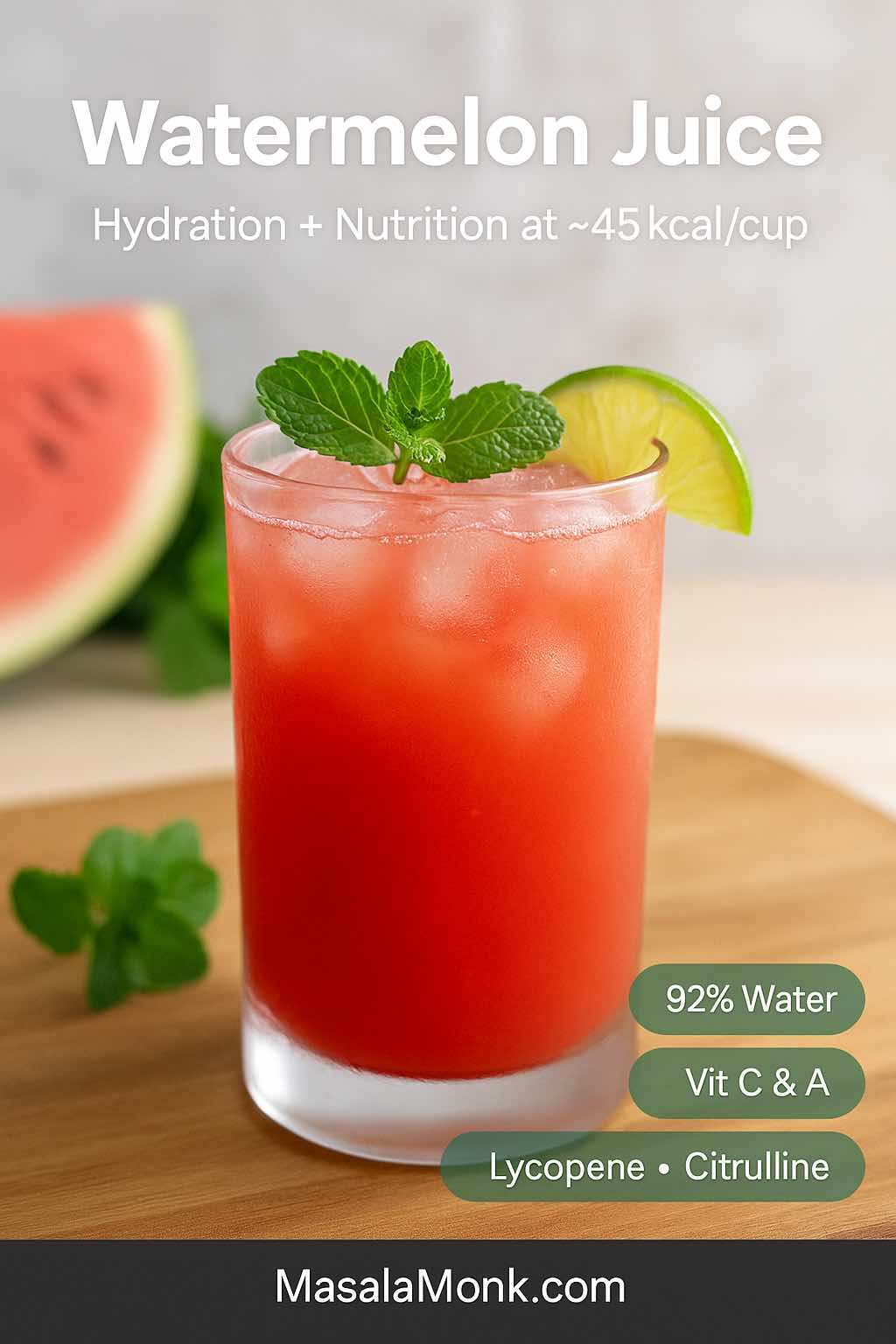
- Juicing and Concentration: Processing raw watermelon into fresh juice removes the structural cell walls and any remaining fiber, accelerating sugar absorption and reducing satiety. A single 16-ounce glass of pure watermelon juice can contain upwards of 140–160 kcal and 32 grams of quick-absorbing sugars, eliminating the volume benefit of whole fruit.
How to Integrate Watermelon into a Daily Calorie-Controlled Plan
To maximize the nutritional value of watermelon while maintaining blood sugar stability and managing total energy intake, consider these evidence-based dietary strategies.
1. Pair Watermelon with Protein or Healthy Fats
Eating watermelon alongside a source of protein or dietary fat slows down gastric emptying. This pairing blunts potential blood glucose spikes and extends feelings of satiety. Practical examples include:
- Greek Yogurt Bowl: Combine 1 cup of diced watermelon (46 kcal) with 150g of non-fat or low-fat plain Greek yogurt (roughly 90–110 kcal) for a high-protein, hydration-focused snack totaling around 150 kcal.
- Feta and Mint Salad: Toss 1.5 cups of cubed watermelon (approx. 70 kcal) with 30g of crumbled real feta cheese (approx. 75 kcal), fresh mint, and a dash of lime juice. This Mediterranean pairing balances sweet carbohydrates with savory fat and protein for under 150 kcal.
- Nut Pairing: Pair 1 cup of watermelon with 10–12 raw almonds or walnuts (approx. 80–100 kcal) to supply healthy monounsaturated fats.
2. Time Consumption Around Physical Activity
Because the carbohydrates in watermelon digest rapidly into simple sugars (fructose and glucose), consuming watermelon 30 to 45 minutes prior to exercise provides readily available energy for working muscles. Alternatively, consuming it immediately after a workout aids in rehydration and aids rapid glycogen resynthesis without causing digestive heaviness.
3. Practice Portion Control Using Scales
Because the thickness of watermelon rinds and the cut size of cubes vary significantly, estimating intake visually can lead to inaccuracies. Using a digital kitchen scale to measure raw flesh in grams ensures precise calorie tracking.
Frequently Asked Questions
How many calories are in a standard cup of diced watermelon?
A standard 1-cup serving of raw, diced watermelon (weighing approximately 152 grams) contains roughly 46 kcal. This serving provides about 11.5 grams of total carbohydrates, 9.4 grams of natural sugars, and 0.6 grams of dietary fiber.
Can eating watermelon daily cause weight gain?
Eating watermelon daily will not directly cause weight gain unless it leads to a total energy intake that exceeds your Total Daily Energy Expenditure (TDEE). Because watermelon is low in caloric density (approx. 30 kcal per 100g), it is difficult to overeat to the point of a caloric surplus compared to dense processed foods. However, portion monitoring remains necessary.
Is watermelon suitable for a strict keto diet?
Watermelon is difficult to fit into a strict ketogenic diet (which typically limits net carbohydrates to under 20–50 grams per day). A single cup of diced watermelon contains about 11 grams of net carbs. While small portions (such as half a cup) can technically fit into a liberal low-carb plan, higher-fiber options like raspberries or blackberries are generally preferred on keto.
Does watermelon juice have the same calorie content as whole watermelon?
Ounce for ounce, fresh watermelon juice is more calorically dense than whole watermelon because the blending or straining process removes volume and air while encouraging larger consumption. A standard 8-ounce (240 ml) glass of watermelon juice contains approximately 70–80 kcal and 18 grams of sugar, whereas equivalent whole fruit volume yields fewer calories due to satiety signals from chewing.
Is the white rind of the watermelon edible, and does it contain calories?
Yes, the white rind of the watermelon is completely edible and contains very few calories—roughly 15 to 20 kcal per 100 grams. The rind is particularly rich in L-citrulline and fiber compared to the pink flesh. It can be pickled, blended into green smoothies, or stir-fried.
Does storing cut watermelon in the refrigerator change its caloric value?
No, storing cut watermelon in the refrigerator does not alter its caloric value or macronutrient content. However, prolonged storage (over 7 days) can degrade volatile antioxidants like vitamin C and lycopene, and cause water leakage (syneresis), which slightly changes texture without altering basic calories.
Practical Action Plan for Caloric Balance
To successfully incorporate watermelon into your daily nutritional framework, follow this actionable plan:
- Set a Daily Portion Target: Cap individual servings at 150 to 250 grams (roughly 1 to 1.5 cups of diced flesh) per sitting to keep single-serving calories under 75 kcal and maintain a low Glycemic Load.
- Weigh Portions Raw: Measure the fruit on a digital food scale after removing the green outer skin and white rind to record accurate energy metrics.
- Combine for Satiety: Avoid eating watermelon in isolation when using it as a main snack. Always pair it with 10–15 grams of protein or healthy fat to slow digestion and stabilize energy levels.
- Prioritize Whole Fruit Over Juice: Consume raw, whole fruit to retain natural cellular structure and maximize gastric volume, leaving processed juices for targeted post-workout rehydration scenarios.
Image Gallery