The Complete Guide to Cooling Clay Masks: Skin Benefits, Ingredients, and 2026 Trends
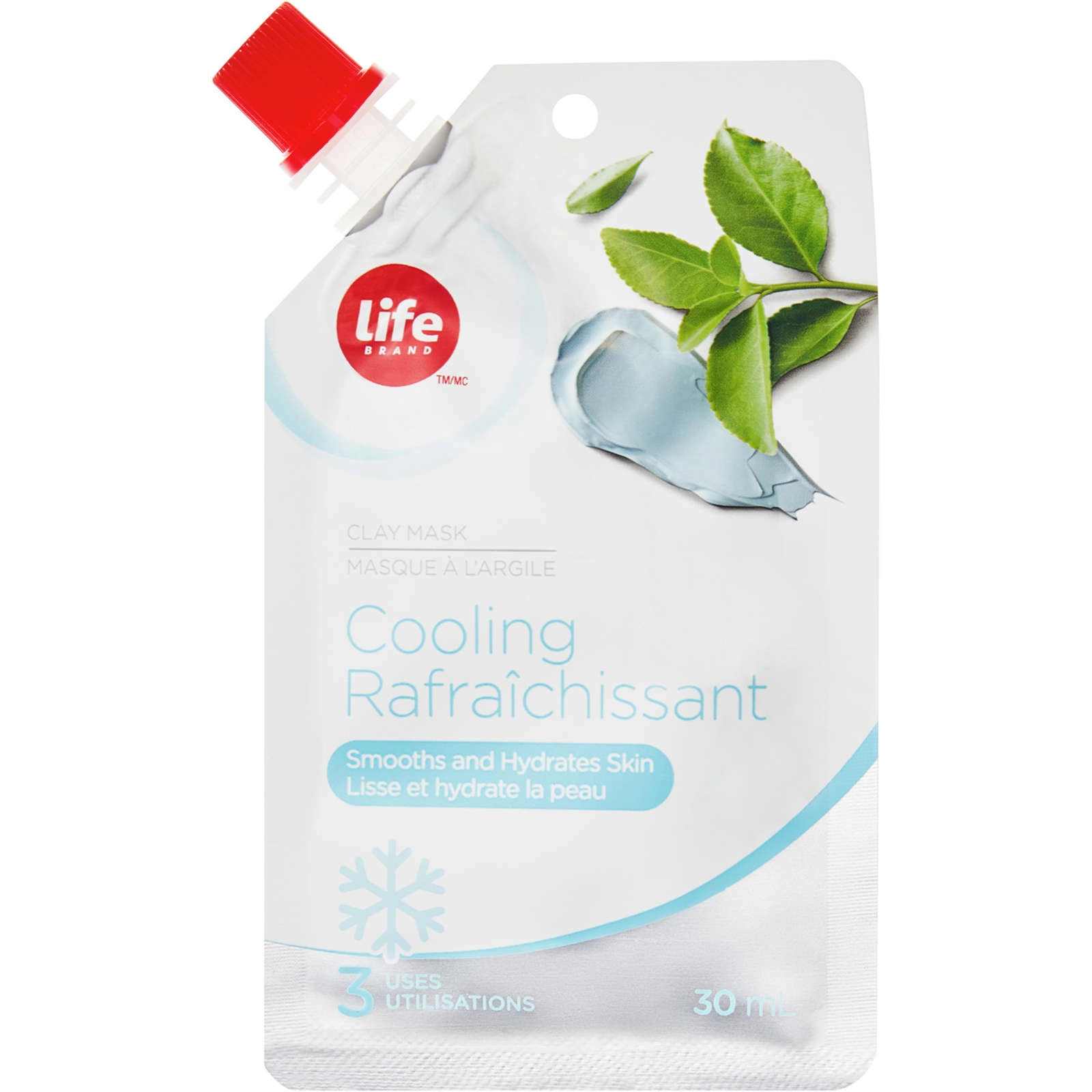
A cooling clay mask is a specialized skincare treatment designed to detoxify the skin while providing an immediate temperature-lowering sensation. By combining the oil-absorbing properties of minerals like bentonite or kaolin with cool...
A cooling clay mask is a specialized skincare treatment designed to detoxify the skin while providing an immediate temperature-lowering sensation. By combining the oil-absorbing properties of minerals like bentonite or kaolin with cooling agents like menthol or aloe vera, these masks soothe inflammation, reduce redness, and deeply cleanse pores for a refreshed complexion.
Contents
What is a Cooling Clay Mask?
In the evolving landscape of 2026 skincare, the "cooling clay mask" has moved beyond a simple luxury to a functional necessity for many. At its core, this product is a hybrid formulation. Traditional clay masks are praised for their ability to draw out impurities, heavy metals, and excess sebum from the skin through a process called adsorption. However, traditional masks can sometimes feel tight, itchy, or overly drying.
The "cooling" aspect is achieved through the integration of cryo-active ingredients or specific botanical extracts that trigger the skin’s cold receptors (specifically the TRPM8 receptors). This sensation serves a dual purpose: it provides immediate physical relief from heat-induced irritation and helps to constrict blood vessels, which visibly reduces facial flushing and puffiness. This makes them particularly popular in regions experiencing high-temperature summers or for individuals who suffer from post-exercise skin congestion.
The Science of Adsorption and Cryo-Aesthetics
To understand why a cooling clay mask is effective, one must look at the physical chemistry of the ingredients. Clays are composed of minerals with a high surface area and a negative ionic charge. When applied to the skin, these minerals act like a magnet for positively charged toxins and oils trapped within the follicular lining.
The Drying Phases of Clay
In 2026, dermatologists emphasize understanding the three phases of a clay mask application to maximize benefits:
- The Damp Phase: This is when the mask is first applied. The skin drinks in the beneficial minerals and the cooling agents begin to activate.
- The Start of the Dry Phase: The mask begins its cooling evaporation process. This is when the clay exercises its "pulling" power on the pores.
- The Fully Dry Phase: This is often where users make a mistake. If a clay mask is allowed to crack and turn white, it begins to draw moisture out of the skin barrier, leading to dehydration and potential irritation.
The cooling sensation often masks the "tightness" of the drying phase, making the experience more comfortable. Modern 2026 formulations often include humectants like hyaluronic acid or glycerin to ensure that the mask remains slightly tacky, preventing it from reaching the damaging "cracking" stage.
Key Ingredients to Look for in 2026
The efficacy of a cooling clay mask depends heavily on the specific types of clay used and the delivery mechanism of the cooling sensation.
Primary Mineral Bases
- Bentonite Clay: Formed from volcanic ash, bentonite is the most "aggressive" absorber. It is ideal for very oily skin types because it can hold several times its weight in water and oil.
- Kaolin (White Clay): A much gentler option. In 2026, kaolin is the standard for sensitive or dry skin types who still want the detoxifying benefits of clay without the harshness.
- French Green Clay: Rich in decomposed plant matter and iron oxides, this clay is specifically used for its anti-inflammatory properties and its ability to stimulate blood circulation.
Cooling and Soothing Agents
- Menthyl Lactate: A derivative of menthol that provides a longer-lasting, more stable cooling sensation without the high irritation potential of pure peppermint oil.
- Tasmanian Pepperberry: A 2026 "hero ingredient" used to instantly calm the burning sensation associated with reactive skin.
- Cucumber and Aloe Vera: These provide "passive cooling" through high water content and polysaccharides that repair the skin barrier.
- Encapsulated Menthol: New technology in 2026 allows for menthol to be released slowly over 10–15 minutes, preventing the "ice burn" sensation that older products sometimes caused.
Benefits for Specific Skin Concerns
While most people can benefit from a cooling mask, certain skin profiles will see more dramatic results.
Oily and Acne-Prone Skin
For those with overactive sebaceous glands, the clay component is essential. It clears the "plugs" of sebum that lead to comedones. The cooling element helps to suppress the inflammation of existing cystic acne, which is often painful and hot to the touch. By lowering the temperature of the skin, the mask can also temporarily slow down the rate of sebum production.
Redness and Rosacea-Prone Skin
Individuals with rosacea often struggle with "flushing" triggers. A cooling clay mask (specifically one using gentle Kaolin) can help to vasoconstrict the capillaries, reducing the appearance of redness. According to the American Academy of Dermatology, keeping skin cool is a primary management strategy for redness-prone individuals.
Post-Pollution Recovery
In 2026, urban dwellers use these masks as "anti-pollution" shields. Particulate matter from city air can settle into pores; the ionic charge of the clay is uniquely suited to lifting these microscopic pollutants away before they can cause oxidative stress.
Comparison of Common Clay Mask Components
| Ingredient Type | Primary Benefit | Best For | Cooling Intensity |
|---|---|---|---|
| Bentonite | Deep sebum extraction | Very oily skin | Low (requires additives) |
| Kaolin | Gentle exfoliation | Sensitive/Dry skin | Low (requires additives) |
| Menthol | Immediate vasoconstriction | Post-workout/Heat | High |
| Menthyl Lactate | Sustained cooling | Long-wear masks | Medium |
| Eucalyptus Oil | Antimicrobial/Scent | Acne-prone skin | Medium |
| Colloidal Oatmeal | Barrier repair | Irritated skin | Very Low (Soothing) |
Step-by-Step Usage Guide
To get the most out of your cooling clay mask in 2026, follow this professional-grade application sequence.
- Double Cleanse: Use an oil-based cleanser followed by a water-based one. Clay works best on "naked" skin where it doesn't have to fight through layers of makeup or sunscreen first.
- Steam (Optional): Briefly steaming your face or applying a warm towel can help soften the sebum in your pores, making the clay more effective.
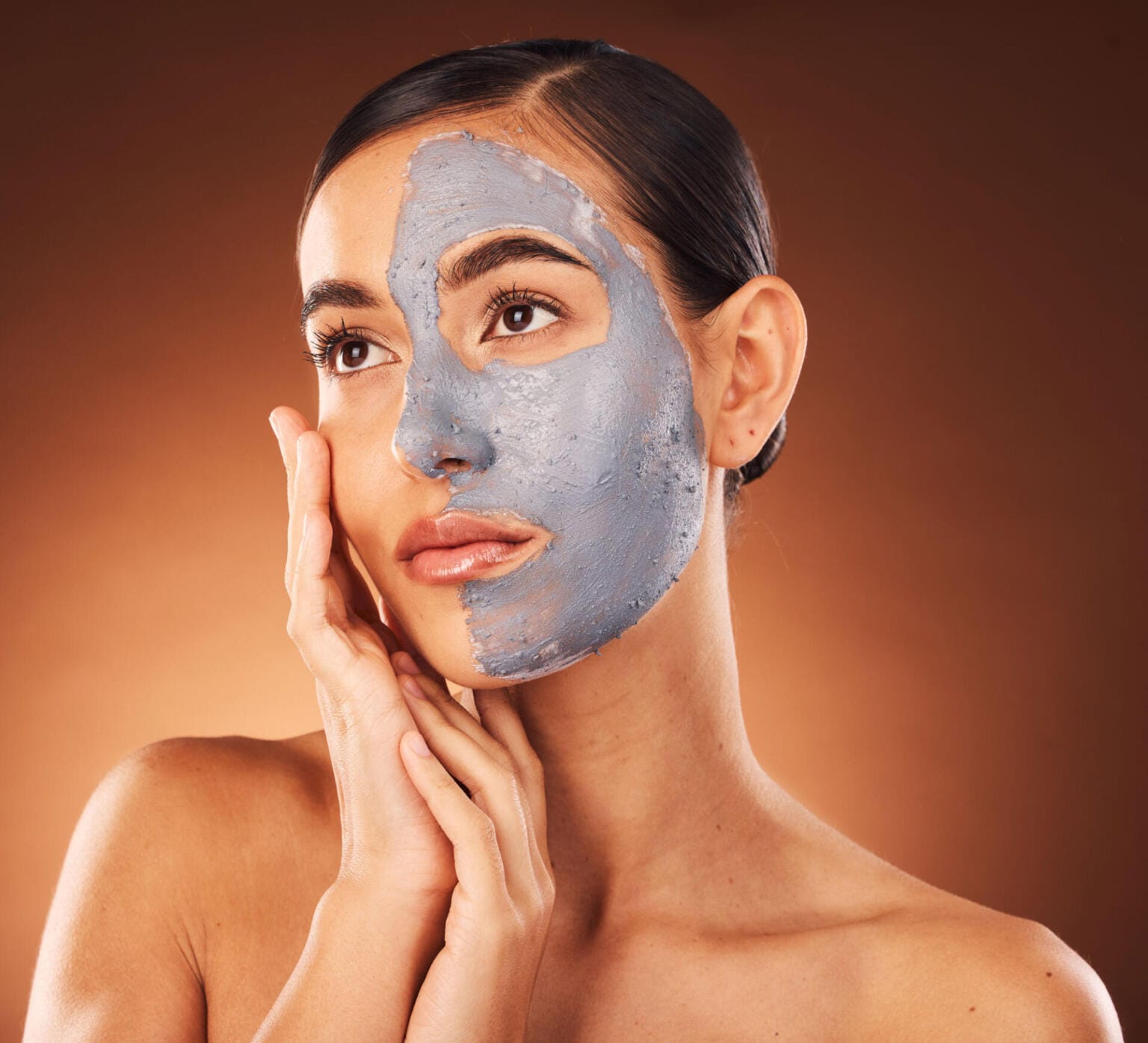
- Application: Use a silicone brush to apply an even layer. Avoid the delicate eye area and the lips. The layer should be thick enough that you cannot see your skin tone underneath.
- The 10-Minute Rule: Do not leave the mask on for more than 10 to 12 minutes. In 2026, the trend is "short-contact therapy." You want the cooling sensation and the initial adsorption, not the complete moisture-stripping dry-down.
- Removal with Cool Water: Use lukewarm or cool water to rinse. Hot water will counteract the cooling benefits and can cause rebound redness.
- Immediate Hydration: Once the mask is removed, the pores are clear but the skin barrier is temporarily vulnerable. Apply a hydrating serum (like Hyaluronic Acid) immediately to "lock in" the freshness.
Common Mistakes and Troubleshooting
Mistake: Using the mask every day. Clay masks are intensive treatments. Over-use can lead to "reactive seborrhea," where the skin produces more oil to compensate for being stripped. Limit use to 1–2 times per week.
Mistake: Applying it to dry patches. If you have "multi-masking" needs (an oily T-zone but dry cheeks), only apply the cooling clay mask to the oily areas. Use a hydrating cream mask on the dry areas simultaneously.
Troubleshooting: My skin feels itchy while the mask is on. A slight tingling is normal due to the cooling agents. However, intense itching or burning is a sign of an allergic reaction or a compromised skin barrier. If this occurs, rinse the product off immediately with cool water and apply a basic ceramide cream.
Safety and Precautions
While cooling clay masks are generally safe, there are jurisdictional and medical considerations. In some regions, high concentrations of menthol or essential oils are regulated due to their potential as contact allergens.
- Patch Testing: Always perform a patch test on the inner arm 24 hours before facial application.
- Sun Sensitivity: Some clays can contain trace minerals that slightly increase skin sensitivity. Always apply SPF 30 or higher the morning after a treatment.
- Medical Limitation: This article provides general skincare information and is not a substitute for professional medical advice from a dermatologist. If you have chronic skin conditions like eczema or severe cystic acne, consult a medical professional before introducing new active treatments.
Frequently Asked Questions
Can I use a cooling clay mask if I have dry skin?
Yes, but you must choose your ingredients carefully. Look for a Kaolin-based mask that contains added oils like jojoba or squalane. These formulations provide the cooling and pore-clearing benefits without stripping the limited natural oils that dry skin possesses. Limit the wear time to 5-7 minutes.
Why does my face look redder immediately after removing the mask?
This is often "temporary reactive hyperemia." The process of the clay drying and then being rinsed off increases blood flow to the surface. If the mask contained high levels of menthol, the cooling sensation can also cause a temporary flush. This should subside within 15–30 minutes, leaving the skin brighter and clearer.
Is it better to use a cooling clay mask in the morning or at night?
In 2026, many experts suggest morning use, especially during hot months. The cooling sensation reduces morning puffiness (edema) and creates a matte, oil-controlled base for makeup or sunscreen. However, if your goal is deep detoxification after a day of exposure to urban pollutants, a nighttime application is more appropriate.
Should the mask be kept in the refrigerator?
While the mask already contains cooling agents, storing it in a skincare fridge can enhance the cryo-therapeutic effect. This is particularly useful for reducing significant inflammation. Ensure the lid is sealed tightly to prevent the clay from drying out prematurely in the cold, dry air of a refrigerator.
Can teenagers use these masks for puberty-related acne?
Yes, cooling clay masks are often an excellent entry-point for teen skincare. They are physically satisfying to use and help manage the excess oil production common during puberty. Parents should look for "fragrance-free" options to minimize the risk of developing sensitivities at a young age.
Practical Recommendation
For the best results in 2026, select a cooling clay mask that lists Menthyl Lactate or Cucumber Extract as the cooling agent rather than high concentrations of peppermint oil, as these are more stable and less irritating. If you have oily skin, prioritize a Bentonite base; if your skin is sensitive, stick with Kaolin or Pink Clay. Always follow your treatment with a lightweight, non-comedogenic moisturizer to maintain the integrity of your skin barrier.
Image Gallery