How to Say a Student Desk in Spanish: Translations, Contexts, and Regional Dialects
The most accurate translation for a student desk in Spanish depends on the setting. In an K-12 classroom, a student desk is called el pupitre (masculine). For a home study area or university setting, the correct term is el escritorio (...
The most accurate translation for a student desk in Spanish depends on the setting. In an K-12 classroom, a student desk is called el pupitre (masculine). For a home study area or university setting, the correct term is el escritorio (masculine) or la mesa de estudio (feminine).
Contents
Understanding which word to use requires examining the physical design of the furniture, the educational environment, and the geographical region where the language is spoken. Spanish features multiple specific terms for study furniture, ranging from standard dictionary definitions maintained by the Real Academia Española to distinct regional colloquialisms across North, Central, and South America.
Primary Spanish Terms for a Student Desk
Selecting the correct Spanish noun for a student desk depends primarily on whether the furniture is located in a school classroom or inside a home study space.
1. El Pupitre (Classroom Student Desk)
The term el pupitre refers specifically to an individual school desk designed for pupils in an educational facility. Etymologically derived from the French word pupitre, this noun traditionally describes a small wooden or plastic desk often featuring an inclined writing surface, a storage compartment under the desktop for textbooks and notebooks, or an attached chair.
- Gender: Masculine (el pupitre, un pupitre)
- Plural: Los pupitres, unos pupitres
- Best Used For: Primary, middle, and high school classroom seating.
- Example: Los estudiantes guardaron sus cuadernos dentro del pupitre. (The students put their notebooks inside the desk.)
2. El Escritorio (Study Desk or Writing Table)
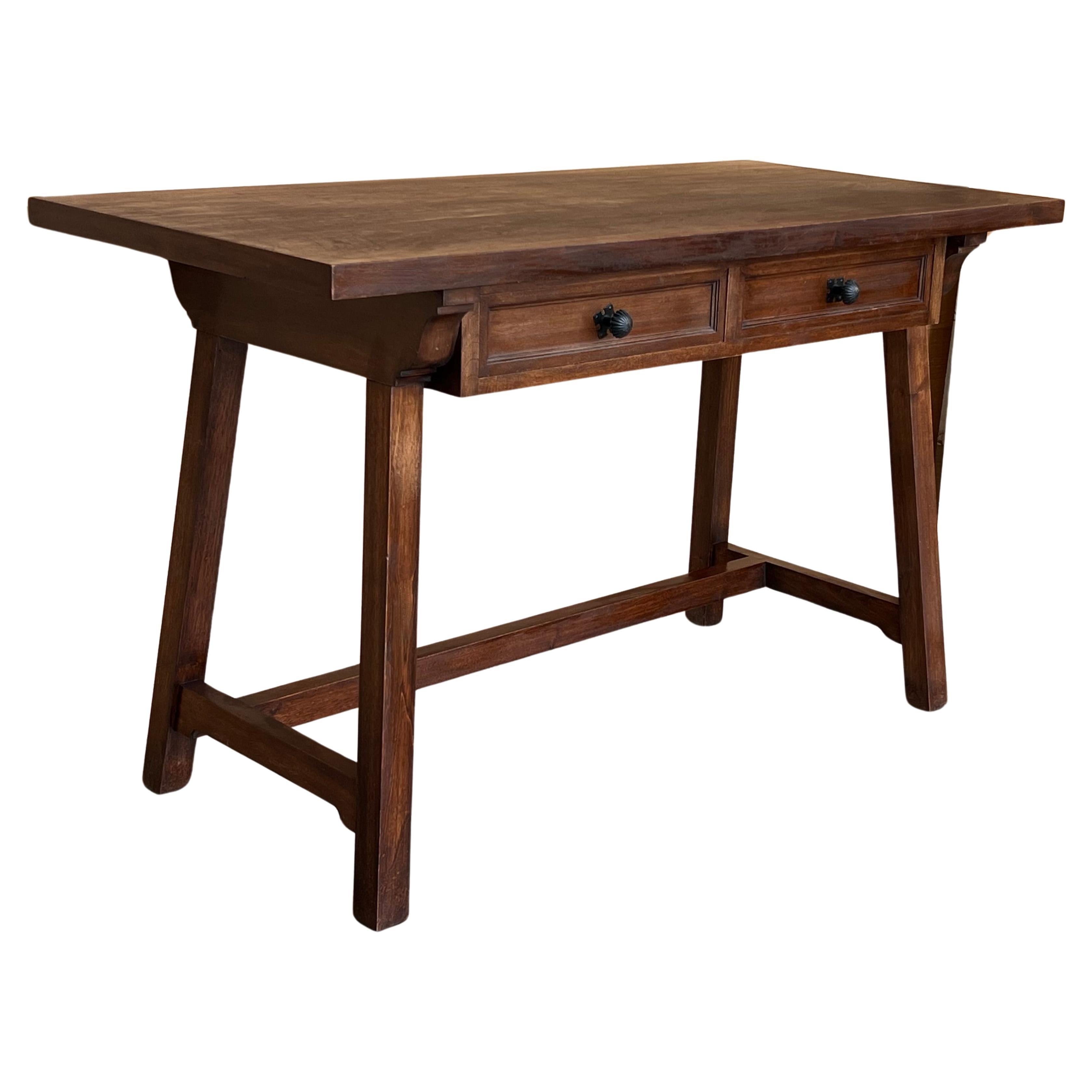
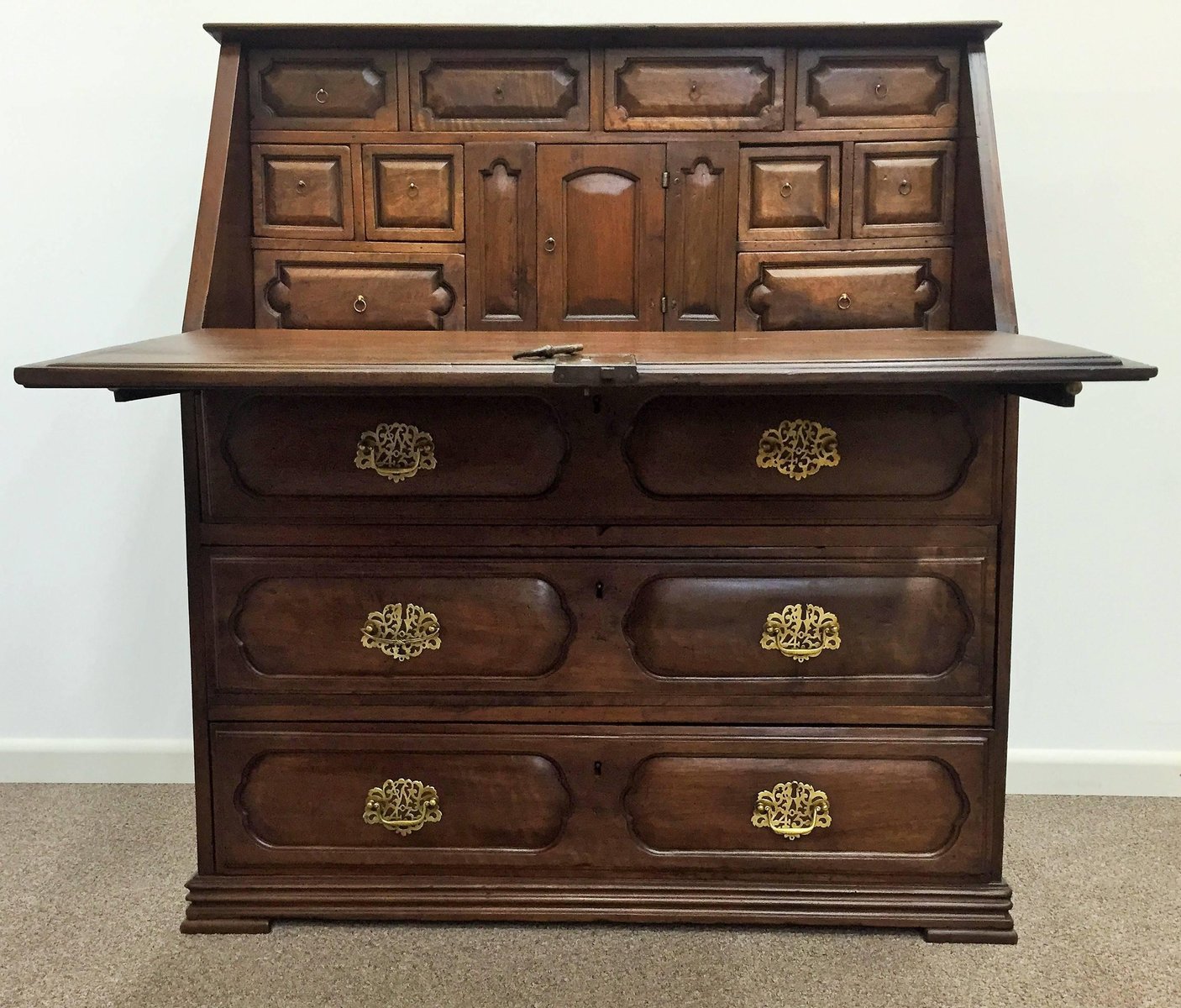
When a student desk is a freestanding piece of furniture located in a home bedroom, home office, library, or university room, the standard term is el escritorio. Derived from the Spanish verb escribir (to write), this term translates directly to writing desk or computer desk. Unlike pupitre, an escritorio is not restricted to school classrooms and can refer to any flat-topped desk used for studying, reading, or working.
- Gender: Masculine (el escritorio, un escritorio)
- Plural: Los escritorios, unos escritorios
- Best Used For: Home study setups, university dorm desks, computer tables, and general writing furniture.
- Example: Compré un escritorio grande para estudiar en mi dormitorio. (I bought a large desk to study in my bedroom.)
3. La Mesa de Estudio (Study Table)
In residential settings where a student uses a simplified flat table dedicated to homework without complex drawers or integrated seating, native speakers often use la mesa de estudio. This phrase translates literally to "the study table."
- Gender: Feminine (la mesa de estudio, una mesa de estudio)
- Plural: Las mesas de estudio, unas mesas de estudio
- Best Used For: Minimalist study tables, shared homework tables, and functional home workspaces.
- Example: Mi hermana prefiere hacer la tarea en la mesa de estudio. (My sister prefers to do homework at the study table.)
Regional Variations Across the Spanish-Speaking World
Spanish vocabulary varies significantly across different countries and territories. While el pupitre and el escritorio are universally understood throughout the Spanish-speaking world, localized terms exist for student desks—especially integrated classroom desk-chair combinations.
- STUDENT DESK
- Classroom (Integrated Chair/Desk): El pupitre / El mesabanco / La carpeta
- Home / University / Flat Surface: El escritorio / La mesa de estudio
Mexico and Central America: El Mesabanco and La Banca
In Mexico and several Central American nations, the standard classroom desk with an attached seat is widely known as el mesabanco (a compound word formed from mesa, meaning table, and banco, meaning bench).
- El mesabanco: Refers specifically to the single-piece metal and plastic desk-chair units ubiquitous in Mexican public and private schools.
- La banca / La banca escolar: Used in informal speech to describe classroom benches or shared student seating arrangements.
Peru and the Andean Region: La Carpeta
In Peruvian Spanish, classroom student desks are commonly called la carpeta or la carpeta escolar. While carpeta means "folder" or "binder" in most other Spanish-speaking regions, in Peru it historically denoted the wooden school bench or combined desk unit where students sit.
- Contextual Caution: If you mention carpeta in Spain, Mexico, or Argentina, native speakers will assume you are referring to a paper document folder unless context heavily implies classroom furniture.
Argentina, Uruguay, and Chile: El Banco Escolar
In the Southern Cone (Argentina, Uruguay, and Chile), classroom desks are frequently referred to as el banco or el banco escolar. While escritorio remains the standard for home study furniture, school administrators and teachers in these regions refer to student seating as classroom bancos.
Comparative Overview of Spanish Desk Vocabulary
The following table summarizes the different terms for a student desk, including phonetic pronunciation guidance, grammatical gender, primary usage contexts, and regional prevalence.
| Spanish Term | Phonetic Pronunciation (IPA) | Grammatical Gender | Primary Context | Geographical Usage |
|---|---|---|---|---|
| El pupitre | /el puˈpi.tɾe/ | Masculine | K-12 classroom student desk | Universal (Spain & Latin America) |
| El escritorio | /el es.kɾiˈto.ɾjo/ | Masculine | Home study desk, computer desk, writing table | Universal |
| La mesa de estudio | /la ˈme.sa ðe esˈtu.ðjo/ | Feminine | Minimalist study table or homework station | Universal |
| El mesabanco | /el me.saˈβaŋ.ko/ | Masculine | Integrated classroom desk and chair unit | Mexico, parts of Central America |
| La carpeta (escolar) | /la kaɾˈpe.ta/ | Feminine | Classroom pupil desk | Peru |
| El banco escolar | /el ˈbaŋ.ko es.koˈlaɾ/ | Masculine | School classroom seat/desk unit | Argentina, Uruguay, Chile |
Grammar, Gender, and Usage Rules
Using Spanish noun vocabulary correctly requires adherence to gender agreement, pluralization rules, and preposition placement.
Article Agreement
In Spanish, every noun possesses an inherent grammatical gender. Articles and modifying adjectives must match the gender and number of the noun:
- Masculine Singular: el pupitre nuevo (the new student desk), un escritorio amplio (a spacious desk)
- Masculine Plural: los pupitres nuevos (the new student desks), unos escritorios amplios (some spacious desks)
- Feminine Singular: la mesa de estudio pequeña (the small study table), una carpeta limpia (a clean pupil desk)
- Feminine Plural: las mesas de estudio pequeñas (the small study tables), unas carpetas limpias (some clean pupil desks)
Prepositions Used with Desks
When describing actions performed at or on a desk, specific prepositions are required:
- At the desk (En or Al):
- El estudiante está sentado en el pupitre. (The student is sitting at the desk.)
- Se sentó al escritorio para trabajar. (He sat down at the desk to work.)
- On top of the desk (Sobre or Encima de):
- El libro está sobre el escritorio. (The book is on top of the desk.)
- Puso la computadora encima del escritorio. (She placed the computer on top of the desk.)
- Under the desk (Debajo de):
- La mochila está debajo del pupitre. (The backpack is under the pupil desk.)
Practical Sentence Examples in Context
To build practical fluency, examine how these words operate in real-world scenarios across educational, commercial, and household settings.
Classroom and Academic Scenarios
- English: Please leave your exams on your desks before leaving the classroom.
- Spanish: Por favor, dejen sus exámenes sobre sus pupitres antes de salir del aula.
- English: The school purchased new student desks for the mathematics lab.
- Spanish: La escuela compró pupitres nuevos para el laboratorio de matemáticas.
- English (Mexico): The teacher assigned each student a specific desk.
- Spanish (Mexico): El profesor le asignó un mesabanco específico a cada alumno.
Home Study and Online Shopping Scenarios
- English: I need an ergonomic student desk for my son's bedroom.
- Spanish: Necesito un escritorio ergonómico para el dormitorio de mi hijo.
- English: This desk has enough space for a laptop, books, and a lamp.
- Spanish: Este escritorio tiene suficiente espacio para una computadora portátil, libros y una lámpara.
- English: Assembly instructions for the youth study table.
- Spanish: Instrucciones de montaje para la mesa de estudio juvenil.
Related Vocabulary for Student Furniture and Classrooms
Expanding your vocabulary around the study environment helps construct complete sentences when describing school settings or furniture shopping.
- La silla escolar: School chair
- La silla ergonómica: Ergonomic chair
- La cajonera: Drawer unit / pedestal drawers
- La estantería / La repisa: Bookshelf / wall shelf
- El flexo / La lámpara de escritorio: Desk lamp
- La mochila: Backpack
- El estuche / El lapicero: Pencil case
- El ordenador de sobremesa / La computadora de escritorio: Desktop computer
- El portátil / La computadora portátil: Laptop
Frequently Asked Questions
What is the primary difference between pupitre and escritorio?
Pupitre specifically designates an individual student desk used within a school classroom, typically engineered with integrated storage or an attached seat for pupils. Escritorio is a broader term for any writing, computer, or study desk used in homes, offices, or university settings.
How do you say "I am sitting at my desk" in Spanish?
Depending on whether you are referring to a classroom desk or a study desk, you can say:
- Classroom: "Estoy sentado en mi pupitre." (masculine) / "Estoy sentada en mi pupitre." (feminine)
- Home/Office: "Estoy sentado en mi escritorio." or "Estoy sentado al escritorio."
Is pupitre masculine or feminine?
Pupitre is a masculine noun. It takes the masculine definite article el (el pupitre) and the masculine indefinite article un (un pupitre). Plural forms use los and unos.
Why do some Spanish speakers use the word carpeta for a desk?
In Peruvian Spanish, carpeta historically evolved to refer to wooden school desks or benches used by students. However, in almost all other Spanish-speaking regions, carpeta means a document folder or binder, so use pupitre or escritorio when speaking to non-Peruvian audiences.
How do you say "adjustable student desk" in Spanish?
An adjustable student desk is translated as un escritorio ajustable para estudiantes (for a home study setup) or un pupitre regulable (for an height-adjustable classroom desk).
Conclusion and Recommendations for Learners
When translating "student desk" into Spanish, match your word choice to the physical environment:
- Use el pupitre when referring to traditional K-12 classroom desks.
- Use el escritorio when describing home study setups, computer desks, or university dorm furniture.
- Use la mesa de estudio for simple study tables used for homework.
- Adapt to regional preferences if communicating in specific countries (such as el mesabanco in Mexico or el banco escolar in Argentina).
For general communication, business transactions, or academic writing, sticking with el pupitre (classroom) and el escritorio (home/study) ensures clear comprehension across all Spanish-speaking populations.
Image Gallery